

Why Seasoning a Wok Isn’t Optional (And What Happens If You Skip It)
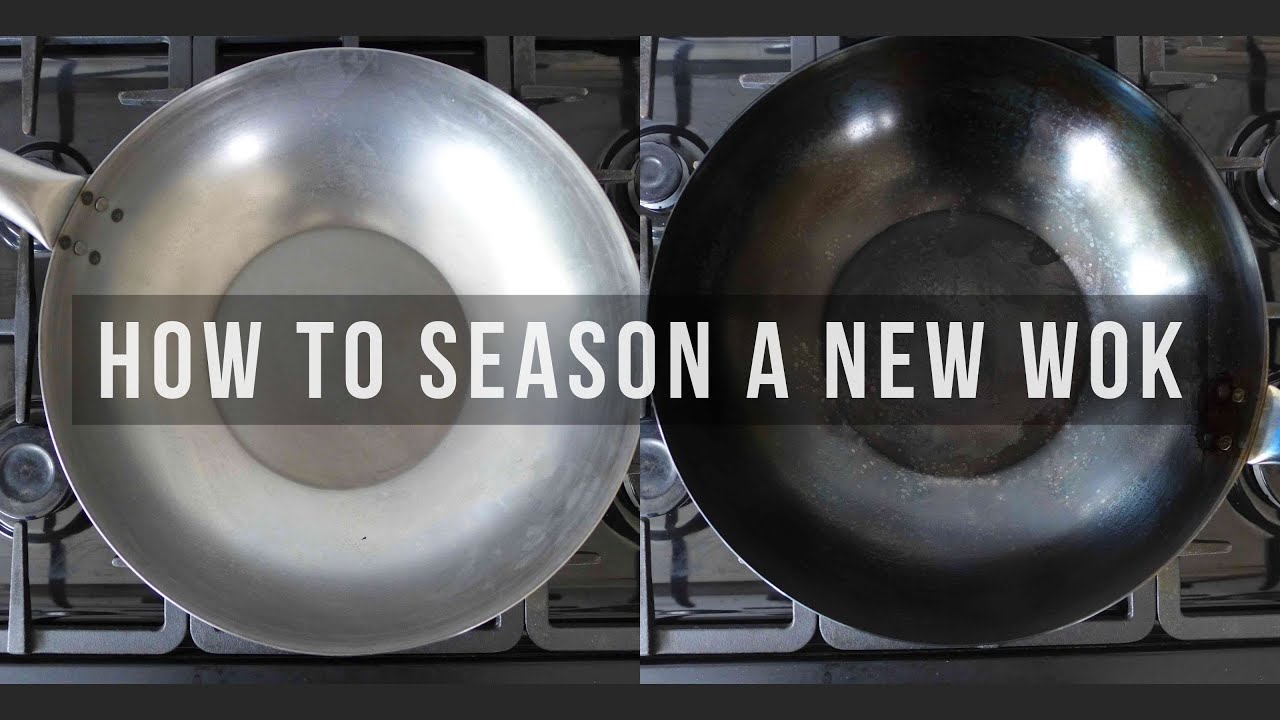
Seasoning a wok builds a natural non-stick surface. The process creates a polymerized layer of oil, a plastic-like coating that prevents rust. Carbon steel, the material most often recommended for woks, rusts easily when exposed to moisture. Seasoning provides a barrier against that oxidation.
Without seasoning, your carbon steel wok will rust almost immediately after washing. Rust impacts food flavor and can be a health concern. A bare carbon steel wok also reacts with acidic foods, like tomatoes or vinegar, leaving a metallic taste. A properly seasoned wok prevents this reactivity and provides the slick surface needed for stir-frying, allowing food to toss freely and cook evenly.
Carbon steel is ideal because it heats quickly, distributes heat well, and is inexpensive. Stainless steel woks can be seasoned, but the seasoning adheres less effectively because the surface isn’t as porous. Non-stick woks don’t require seasoning; in fact, seasoning can damage the non-stick coating. Avoid seasoning a non-stick wok.
Seasoning a wok is like breaking in a cast iron skillet. It’s an upfront investment of time that pays off with a cooking tool that improves with age and use. Skipping this step leaves you with a reactive, rusty pan that performs poorly. It’s a foundational step for serious wok cooking.
I asked ChatGPT about how to season a wok, a topic I know a lot about, and it told me some steps and offered to create a visual reference guide to the process. I said OK.
— Madhu Menon (@madmanweb) August 14, 2025
This is what it created. ROFL. What are those words? And it used the same image for every step. #AI #AIslop pic.twitter.com/FZmBaCuqyq
Gathering Your Supplies: Everything You Need to Get Started
You don’t need much specialized equipment to season your wok. A 14-inch carbon steel wok is a great starting point for most home cooks. A strong heat source is essential; a gas stove is ideal because it provides the high, direct heat woks need. Electric or induction cooktops can work, but they may take longer.
You’ll also need cooking oil. Peanut oil is traditional due to its high smoke point and flavor, but vegetable or canola oil are acceptable substitutes. Avoid olive oil, as its lower smoke point creates a sticky residue. You’ll need plenty of paper towels and a heat-safe scrubbing pad or steel wool for initial cleaning. Tongs are helpful for maneuvering the wok, and oven mitts are a must for hand protection.
A basic carbon steel wok costs around $30-$50. The oil is likely already in your pantry. Your time and patience are the most important investments.
- Wok: 14-inch carbon steel is recommended
- Heat Source: Gas, electric, or induction stove
- Oil: Peanut, vegetable, or canola oil
- Paper Towels: Plenty!
- Scrubbing Pad/Steel Wool: For initial cleaning
- Tongs: Helpful for maneuvering
- Oven Mitts: Essential for safety
Wok Seasoning: Your Supply Checklist
- Wok - A carbon steel wok is recommended for optimal seasoning. Round-bottom woks require a wok ring for stability on most stoves.
- Heat Source - A high-BTU gas burner is ideal, but electric coil or induction cooktops can be used, though seasoning will take longer. Outdoor propane burners are also effective.
- High Smoke Point Oil - Choose an oil with a smoke point above 400°F (204°C). Peanut oil, vegetable oil, or canola oil are all suitable options.
- Paper Towels - Plenty of absorbent paper towels are needed for applying and wiping away oil during the seasoning process.
- Heat-Safe Scrubbing Pad - A non-abrasive scrubbing pad (like a Scotch-Brite Non-Scratch pad) is useful for initial cleaning and removing any rust spots.
- Tongs - Essential for safely handling the hot wok and maneuvering it over the flame. Look for tongs with silicone tips to avoid scratching the surface.
- Oven Mitts - Protect your hands from the intense heat of the wok and stove. Ensure they are heat-resistant and provide a secure grip.
The Burn-Off: Preparing Your Wok for Seasoning
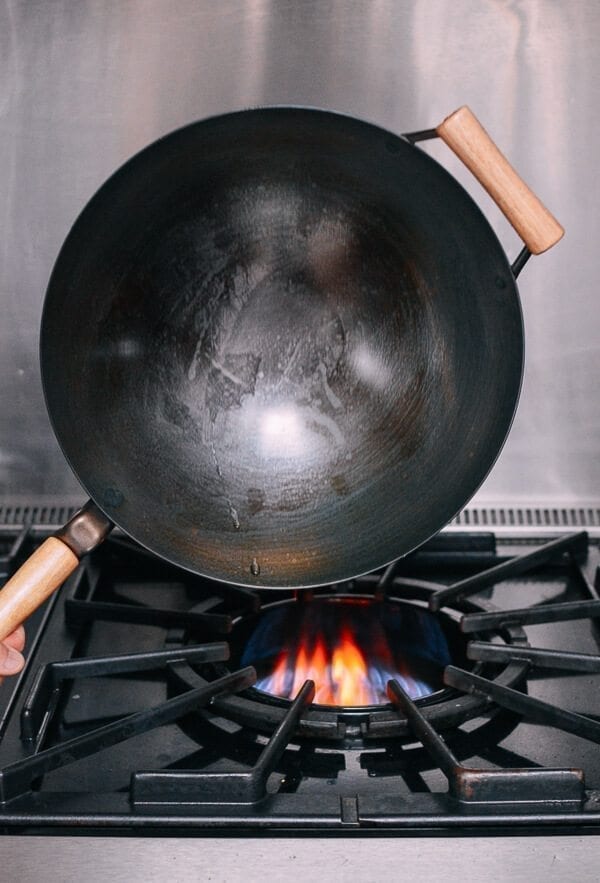
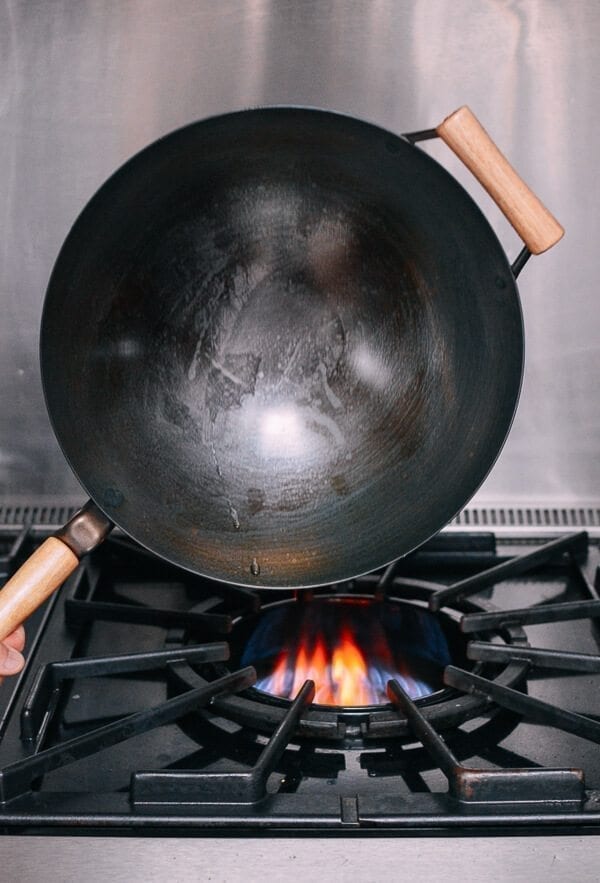
Before seasoning, burn off the manufacturer’s coating. Most new woks have a protective oil or lacquer that must be removed. Place your wok over high heat. You’ll notice a slight smell and smoke as the coating burns off.
Continue heating until the metal changes color, showing patches of blue, purple, and bronze. This indicates the coating is removed. The process takes 10-20 minutes, depending on your heat source. Ensure adequate ventilation by opening windows and turning on your exhaust fan, as there will be smoke.
The smoke and smell can be alarming. Adjust the heat if needed, but maintain a high temperature to effectively burn off the coating. Once the entire surface has changed color and smoke subsides, you’re ready to season.
The First Seasoning: Building That Protective Layer
Build up the seasoning layers by adding about a tablespoon of oil to the hot wok. Use a paper towel to rub a very thin coat of oil all over the entire surface – inside, outside, and the handle. The goal is a light film, not saturation.
Return the wok to high heat until the oil smokes. The oil will break down and polymerize, creating the protective layer. Continue heating for a few minutes, then turn off the heat and let the wok cool slightly. Wipe away all excess oil with fresh paper towels. Leaving excess oil leads to a sticky, uneven seasoning.
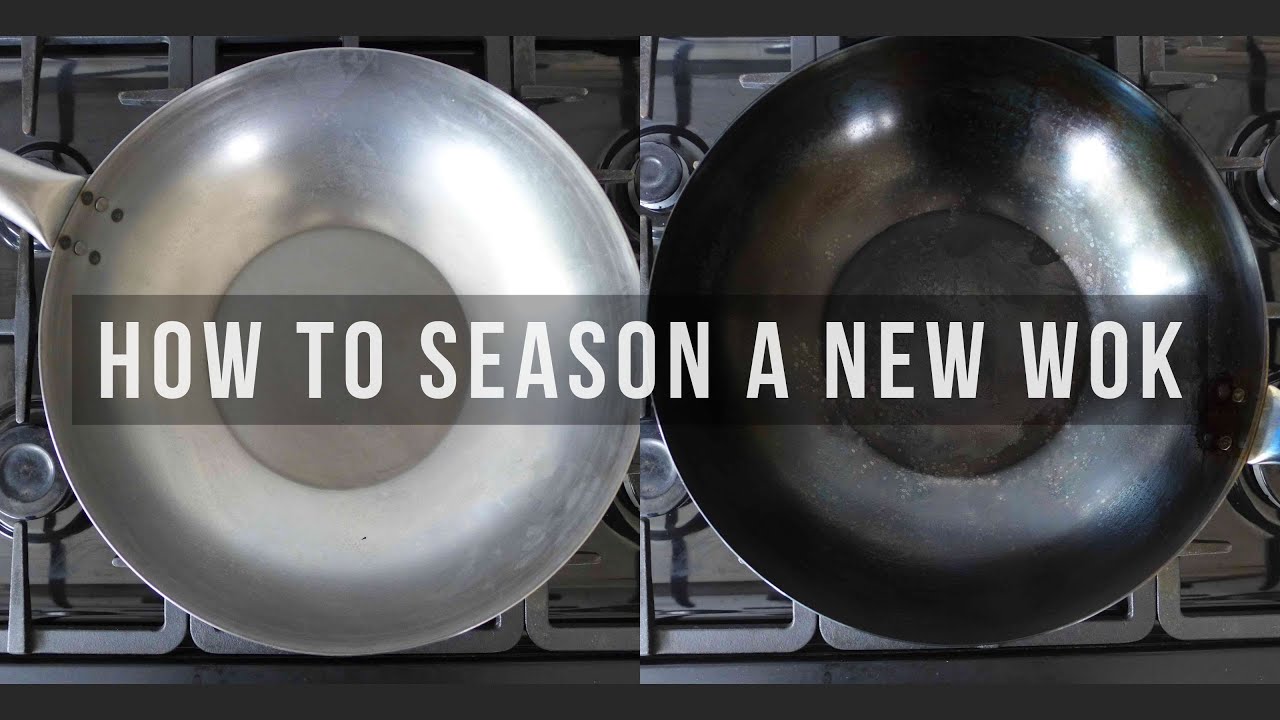
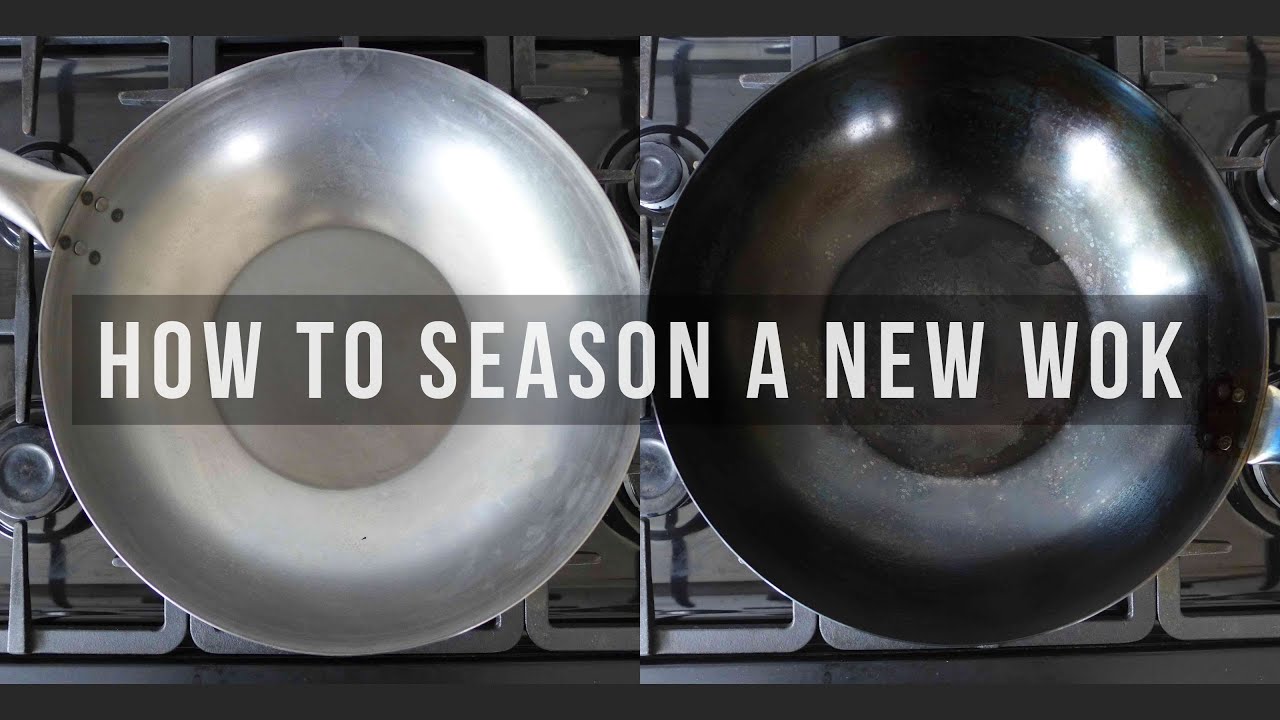
Repeat this oiling, heating, and wiping process at least 6-8 times; more is better initially. With each round, the wok will darken and the surface will become smoother. A properly seasoned wok has a dark, slightly mottled appearance, like a well-worn cast iron skillet, and is neither sticky nor oily.
Patience is key. Each layer contributes to the wok's protection and non-stick quality. If using an electric or induction cooktop, adjust heat and timing to match gas stove results. The goal is consistent heating and complete oil removal after each layer.
- Add about 1 tablespoon of oil to the hot wok.
- Rub the oil all over the surface with a paper towel (thin coat!).
- Heat until the oil smokes.
- Turn off heat and let cool slightly.
- Wipe away all excess oil with fresh paper towels.
- Repeat steps 1-5 at least 6-8 times.
Common Seasoning Mistakes (And How to Avoid Them)
Using too much oil is a common mistake. A thick coat won’t polymerize properly, resulting in a sticky, gummy surface. Use thin coats. Uneven heating is another error; ensure the entire wok surface gets consistent heat by rotating it as needed.
Using the wrong type of oil is also a problem. Avoid oils with low smoke points, like olive oil, as they’ll break down and create a sticky residue. If you accidentally get rust on your wok, don’t panic. Light surface rust can often be removed with steel wool and re-seasoning. However, if the rust is extensive, the wok may be beyond saving.
Sometimes, people give up too quickly. It takes time and effort to build up a good seasoning. Don’t be discouraged if your first few attempts aren’t perfect. Keep repeating the process, and you’ll eventually achieve a beautifully seasoned wok. If you notice patchy seasoning, simply repeat the oiling and heating process, focusing on the areas that need more coverage.
Finally, don’t be afraid to experiment. Every wok and every stove is different. You may need to adjust the process slightly to find what works best for you. The key is to be patient, pay attention, and learn from your mistakes.
- Mistake: Using too much oil. Solution: Use thin coats.
- Mistake: Uneven heating. Solution: Rotate the wok.
- Mistake: Wrong oil type. Solution: Use high smoke point oils.
- Mistake: Giving up too soon. Solution: Be patient and repeat the process.
Maintaining Your Seasoning: Keeping Your Wok in Top Shape
Maintaining your wok’s seasoning is just as important as the initial seasoning process. Avoid using soap when cleaning your wok. Soap can strip away the seasoning. Instead, use hot water and a soft sponge or scrubbing pad to remove food particles. Dry the wok immediately and thoroughly with a clean towel. Even a small amount of moisture can cause rust.
After washing and drying, you can add a very small amount of oil to the wok and heat it over low heat for a few minutes. This helps to replenish the seasoning and prevent rust. Cooking fatty foods regularly will also help to maintain the seasoning. Avoid cooking highly acidic foods, like tomato sauce, too often, as they can break down the seasoning over time.
If you notice minor seasoning damage, you can simply repeat the oiling and heating process to repair it. For more significant damage, you may need to re-season the entire wok. With proper care and maintenance, your wok will last for years and become a cherished cooking companion.
Remember, a well-seasoned wok is a living thing. It changes and evolves with use. Embrace the imperfections and enjoy the journey of cooking with this versatile and rewarding tool.
Seasoning Different Wok Materials: Carbon Steel vs. Stainless Steel
While carbon steel is the gold standard for woks, stainless steel woks are also available. Seasoning a stainless steel wok is possible, but it’s more challenging. Stainless steel isn’t as porous as carbon steel, so the seasoning doesn’t adhere as well. You’ll need to repeat the seasoning process many more times to build up a noticeable layer.
The process is similar to seasoning carbon steel – burn off any manufacturing coatings, then apply thin coats of oil and heat. However, don’t expect the same level of non-stick performance as with a carbon steel wok. Stainless steel woks are often preferred for their durability and ease of cleaning, even if they don’t achieve the same level of seasoning.
Non-stick woks, on the other hand, generally don’t require seasoning. In fact, seasoning a non-stick wok can actually damage the coating. The non-stick surface is designed to prevent food from sticking without the need for seasoning. Just be sure to follow the manufacturer’s instructions for cleaning and care.
- Carbon Steel: Ideal for seasoning, builds a strong non-stick layer.
- Stainless Steel: Can be seasoned, but requires more effort and doesn’t achieve the same results.
- Non-Stick: Do not season – it can damage the coating.
Wok Seasoning Comparison - 2026
| Wok Material | Seasoning Required? | Seasoning Process | Maintenance | Typical Initial Seasoning Time |
|---|---|---|---|---|
| Carbon Steel | Yes | Heating the wok to high heat, then coating thinly with high smoke point oil and repeating multiple times to build a patina. | Regular use and re-oiling after washing. Avoid prolonged soaking. | 30-60 minutes, multiple cycles |
| Stainless Steel | No | Stainless steel does not require traditional seasoning as it doesn't rust like carbon steel. However, some users may choose to 'condition' it with oil. | Regular cleaning with dish soap and water. Avoid abrasive cleaners. | Not Applicable |
| Non-Stick | No | Non-stick woks have a factory-applied coating and do not require seasoning. Seasoning can damage the coating. | Hand washing is recommended. Avoid metal utensils and abrasive cleaners. | Not Applicable |
| Carbon Steel (Factory Seasoned) | Optional | Factory seasoning provides a base layer, but additional seasoning cycles are recommended for a more robust patina. | Similar to unseasoned carbon steel - regular use, re-oiling. | 15-30 minutes to enhance existing patina |
| Carbon Steel (Thick Gauge) | Yes | Thicker gauge carbon steel may require more seasoning cycles to build a consistent patina due to its greater thermal mass. | Same as standard carbon steel, but may require more frequent re-oiling with heavy use. | 45-75 minutes, multiple cycles |
| Stainless Steel (Clad) | No | Clad stainless steel, while durable, doesn't benefit from seasoning. The focus remains on proper cleaning. | Standard stainless steel cleaning practices apply. | Not Applicable |
Illustrative comparison based on the article research brief. Verify current pricing, limits, and product details in the official docs before relying on it.
No comments yet. Be the first to share your thoughts!