

Why carbon steel wins for stir-frying
Carbon steel is the undisputed standard for high-heat Asian cooking. Unlike stainless steel, which often struggles to reach the intense temperatures required for a proper wok hei (breath of the wok), carbon steel responds instantly to flame adjustments. This responsiveness allows you to sear vegetables quickly without overcooking them, preserving their crunch and vibrant color.
The material’s ability to develop a natural non-stick surface through seasoning is another major advantage. As you cook, polymerized oils build up on the surface, creating a slick patina that improves with every use. This means your stir-fries release easily, requiring less oil and making cleanup faster. Stainless steel, by contrast, relies on technique and fat to prevent sticking, offering no such long-term benefit.
Carbon steel also strikes a practical balance between weight and heat retention. It is light enough to toss ingredients with one hand—a crucial skill for even cooking—yet dense enough to hold heat when cold ingredients hit the pan. This makes it far more forgiving for home cooks than thinner materials that cool down too quickly.
Top carbon steel wok picks for 2026
Carbon steel remains the gold standard for home stir-frying because it offers the perfect balance of heat responsiveness and manageable weight. Unlike cast iron, which can feel like an anchor, a carbon steel wok heats up quickly and cools down just as fast, giving you precise control over the cooking process. The best models come pre-seasoned or are designed to build a durable, non-stick patina with minimal effort.
When selecting a wok, look for a design that promotes even heat distribution and easy handling. A softly curved bottom is generally more forgiving on standard electric or induction cooktops than a perfectly round bottom, which requires a specialized ring burner. We evaluated several top contenders based on their build quality, handle ergonomics, and how well they developed a natural non-stick surface over time.
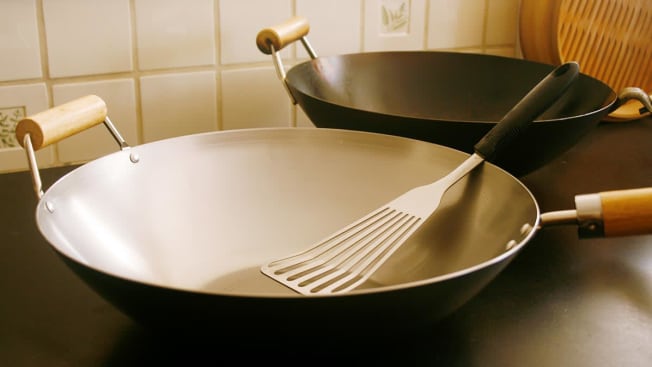
Comparison of top carbon steel woks
The table below breaks down the key specifications for the most highly rated carbon steel woks. This comparison focuses on diameter, weight, and pre-seasoning status to help you choose the right tool for your kitchen setup.
| Product | Diameter | Weight | Pre-seasoned |
|---|---|---|---|
| Sur La Table Professional | 14 inches | 3.5 lbs | No |
| Yosukata Black Carbon Steel | 13.5 inches | 2.8 lbs | Yes |
| Babish Carbon Steel Wok | 14 inches | 3.2 lbs | No |
| Kaqinu Carbon Steel Wok | 12.6 inches | 2.5 lbs | Yes |
| Kenmore Carbon Steel Wok | 14 inches | 3.0 lbs | No |
When stainless steel makes sense
Carbon steel remains the gold standard for authentic stir-frying, offering the rapid heat response and lightweight handling that professional kitchens demand. However, stainless steel woks fill a specific niche where their durability and low maintenance outweigh the performance benefits of carbon steel. If your cooking habits or kitchen equipment don't align with the high-heat, high-maintenance nature of carbon steel, stainless steel offers a practical alternative.
Electric and glass-top stoves
Traditional carbon steel woks require a flat bottom or a wok ring to stabilize on electric coils or glass-ceramic surfaces. Even with adapters, the uneven heating of many electric elements can lead to hot spots that burn food. Stainless steel woks are often manufactured with fully clad bottoms that distribute heat more evenly across the surface of glass-top stoves. While they still lack the instantaneous thermal reaction of carbon steel, they provide a more consistent cooking environment for home cooks who cannot use a high-BTU gas burner.
Low-maintenance cooking
The primary drawback of carbon steel is the need for regular seasoning and careful drying to prevent rust. If you live in a humid climate or simply dislike the ritual of oiling and heating your cookware, stainless steel eliminates that burden. It does not require seasoning to develop a non-stick surface, and it can withstand abrasive cleaning without damaging a protective layer. This makes it ideal for cooks who want to toss the wok in the dishwasher or scrub it vigorously after a messy meal.
Durability and longevity
Stainless steel is virtually indestructible compared to carbon steel. It resists warping under extreme thermal shock and does not chip or crack. For households with heavy daily use or for those who prefer to use metal utensils without fear of scratching a seasoned surface, stainless steel offers peace of mind. While it may not achieve the same level of non-stick performance as a well-cured carbon steel wok, its resilience ensures it will last for decades with minimal care.
Essential wok maintenance tips
Carbon steel is the material of choice for serious home cooks because it heats quickly and develops a natural non-stick surface over time. But that surface isn’t permanent; it’s a polymerized layer of oil that requires consistent care. Without proper maintenance, your wok will rust, lose its non-stick properties, and eventually become a sticky mess. Treating your carbon steel wok like a cast-iron skillet is the right approach, but with a few key differences in cleaning and storage.
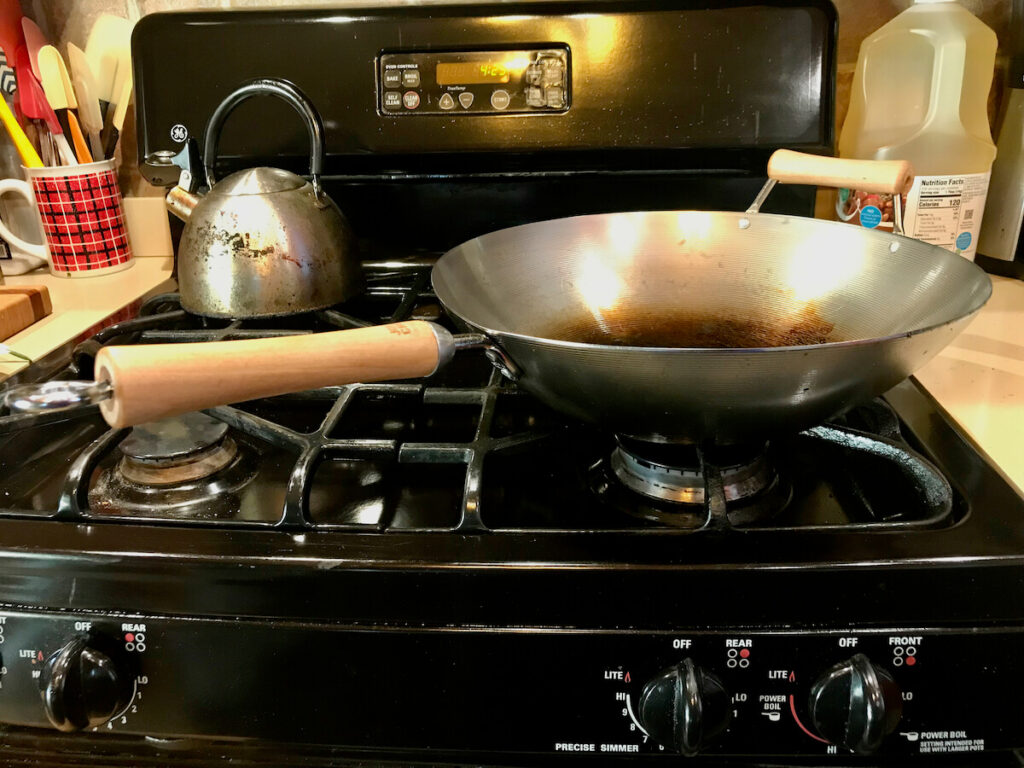
If you bought a pre-seasoned wok, you still need to build that layer. Wash it with warm water and mild soap to remove any factory residue, then dry it completely. Heat the wok over medium-high heat until the metal changes color slightly, then add a high-smoke-point oil like grapeseed or flaxseed. Swirl the oil to coat every surface, including the handle, and let it smoke until it stops. Wipe out excess oil with a paper towel. Repeat this process two or three times to create a durable base layer.
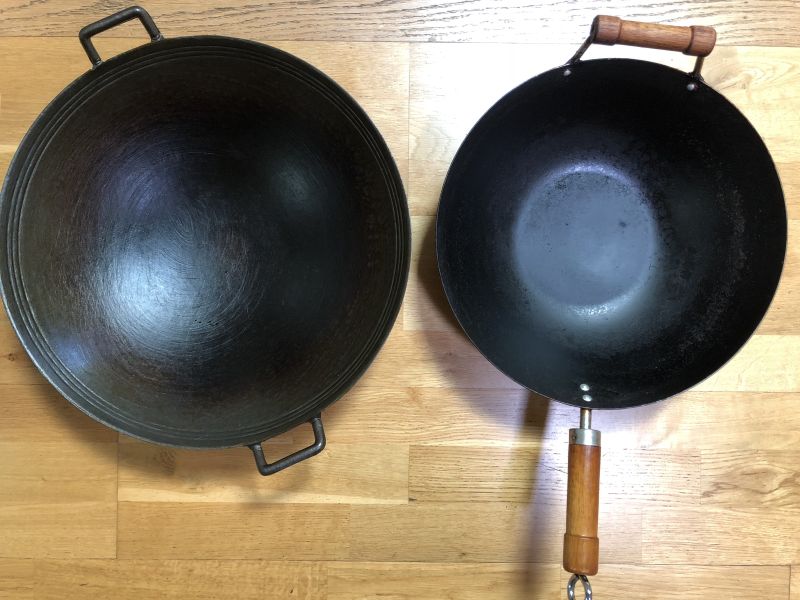
Avoid soaking your carbon steel wok. Water is the enemy of seasoned steel. After cooking, let the wok cool slightly, then rinse it with hot water and use a soft sponge or brush to remove food particles. If food is stuck, use a paste of coarse salt and water to scrub gently. Never use harsh abrasives or steel wool, as they will strip your seasoning. Dry the wok immediately on the stove over low heat to evaporate any remaining moisture.
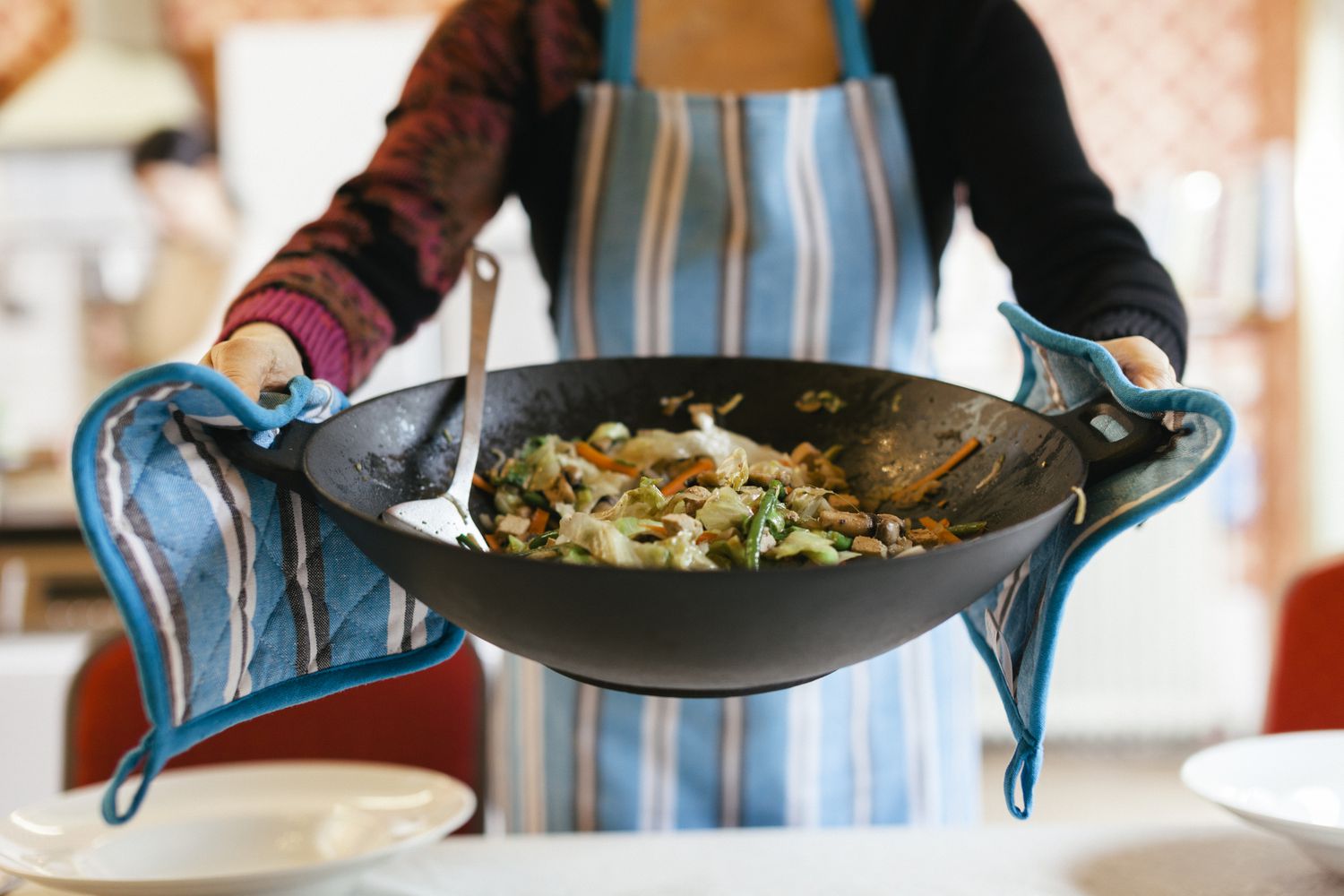
Moisture is what causes rust. Once your wok is completely dry, apply a very thin layer of oil to the interior surface using a paper towel. This acts as a barrier against humidity. Store the wok in a dry cabinet or on a rack, ensuring air can circulate around it. If you live in a humid climate, consider storing it with a desiccant packet nearby to keep moisture levels low.
Stainless steel woks require less maintenance because they don’t rust or require seasoning, but they lack the non-stick benefits of carbon steel. For carbon steel, the effort pays off in better stir-fry performance and a lifetime of use. A well-maintained carbon steel wok becomes smoother and more non-stick with every use, turning your cooking vessel into a true kitchen workhorse.
Test your wok with a classic stir-fry
The best way to understand the difference between carbon steel and stainless steel is to cook in them. Carbon steel woks excel at high-heat searing, delivering the charred flavor and crisp-tender vegetables that define good stir-fry. Stainless steel is durable and low-maintenance but often struggles to replicate that distinct "wok hei" (breath of the wok) without professional-grade heat.
This recipe is designed for a carbon steel wok. It relies on speed and temperature control. If you are using stainless steel, you may need to increase the heat slightly and work in smaller batches to avoid steaming the vegetables.
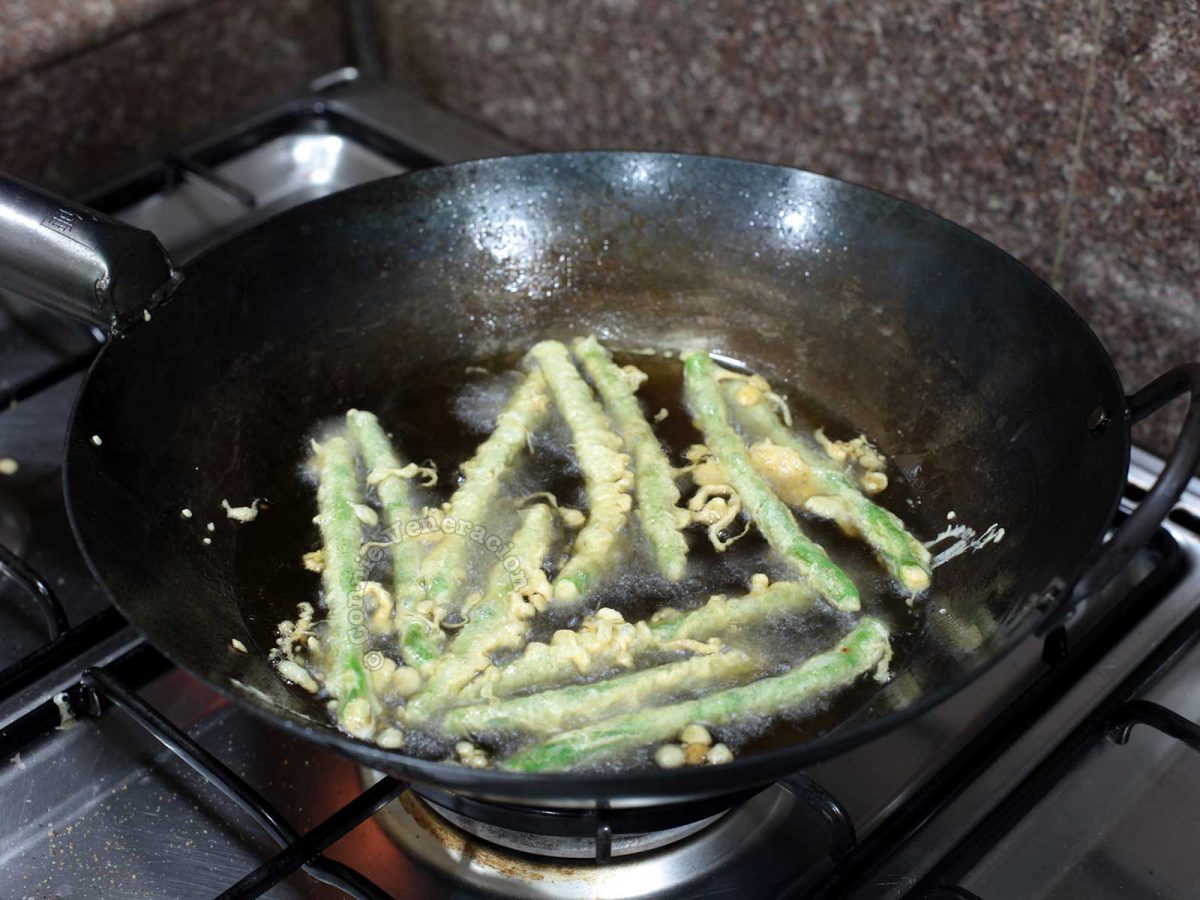
Common questions about buying woks
Choosing the right wok often comes down to specific constraints like your stove type and health priorities. While stainless steel is durable, carbon steel remains the top recommendation for home cooks who want professional results. Below are answers to the most frequent questions about materials, performance, and maintenance.
When selecting a wok, prioritize materials that offer durability and non-toxic cooking surfaces. Carbon steel stands out for its balance of weight, heat response, and ease of maintenance.
No comments yet. Be the first to share your thoughts!