Why carbon steel wins for stir-fry
Carbon steel is the undisputed king for the best woks in home kitchens. Unlike stainless steel, which often struggles to reach the intense heat needed for proper searing, or heavy cast iron that takes too long to warm up, carbon steel offers the perfect balance of responsiveness and durability. It heats up quickly and distributes heat evenly, allowing you to achieve that coveted "wok hei" or breath of the wok—the smoky flavor that defines professional stir-fry.
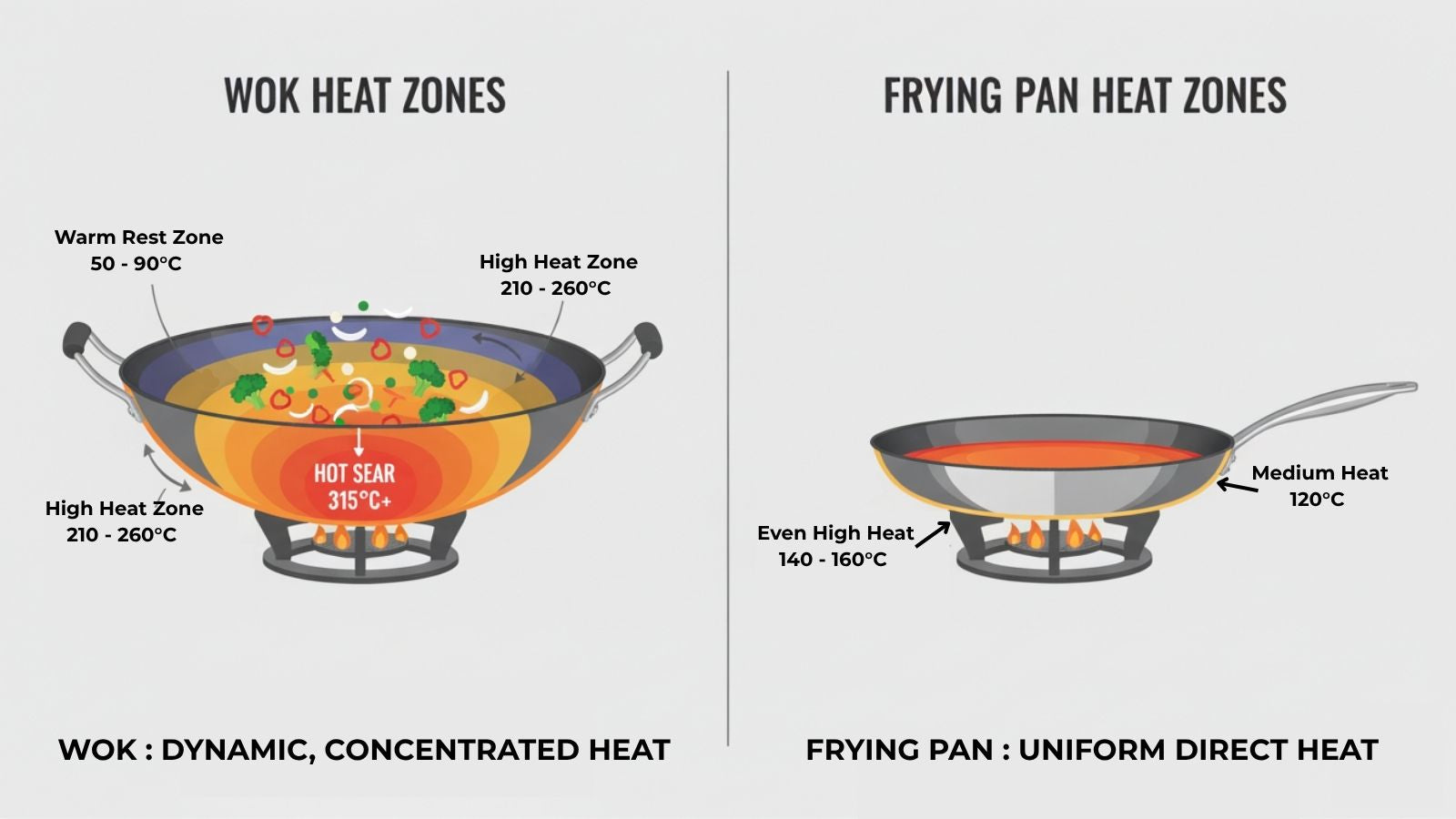
The material’s thin walls mean it reacts instantly to temperature changes. When you add cold ingredients to the pan, the temperature drops slightly, but because carbon steel has high thermal conductivity, it recovers its heat much faster than thicker metals. This rapid recovery is essential for stir-frying, where food is tossed continuously over high heat. A wok that stays hot ensures vegetables remain crisp and meat sears rather than steams.
Beyond performance, carbon steel develops a natural non-stick surface over time. Through a process called seasoning, where oil is polymerized onto the metal’s surface, the wok becomes smoother and more release-resistant with every use. This creates a patina that rivals synthetic non-stick coatings without the risk of flaking or chemical degradation. Brands like Yosukata and the Sur La Table Professional Carbon Steel Wok are frequently recommended because they arrive pre-seasoned or with a finish that encourages this natural build-up, making them ideal for beginners and experts alike.
While other materials have their place, carbon steel remains the dominant choice for serious home cooks. Its ability to handle high heat without warping, combined with its lightweight nature and growing non-stick properties, makes it the most versatile tool for Asian-style cooking. If you are looking for the best woks for high-heat cooking, starting with a quality carbon steel model is the most reliable path to better meals.
Top carbon steel woks tested
Carbon steel remains the gold standard for home stir-frying because it combines rapid heat response with a durable, non-stick surface that improves over time. We evaluated three of the most highly rated options on the market to help you choose the right pan for your stove and cooking style. The differences come down to pre-seasoning, bottom shape, and overall weight.
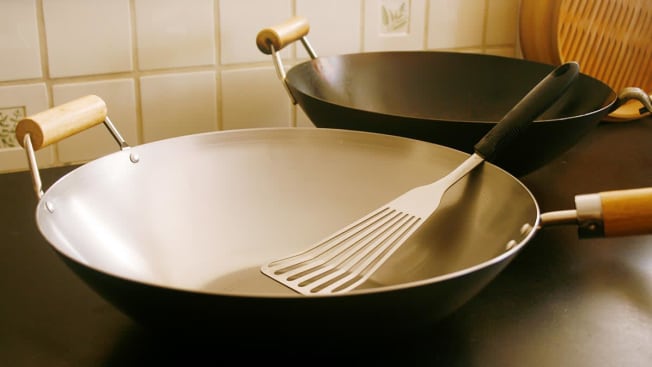
Sur La Table Professional Carbon Steel Wok
This model is widely considered the best all-around choice for most home cooks. It features a softly curved bottom that allows it to perform almost like a professional round-bottom wok, even on flat glass or electric stovetops. The pan is sold raw, meaning it requires you to season it yourself before first use, which gives you full control over the initial non-stick layer. Its handle is sturdy and stays cooler than thinner alternatives, making it a reliable workhorse for weekly meal prep.
Yosukata Black Carbon Steel Wok
If you want to skip the initial seasoning step, the Yosukata is an excellent heat-treated option. It arrives pre-seasoned with a durable black finish that resists rust and provides immediate non-stick performance. The bottom is flat, making it ideal for induction and electric coils, though it lacks the high-heat searing capability of a round-bottom design. It is slightly heavier than the Sur La Table model, which helps stabilize it during vigorous tossing but adds a bit more weight to lift.
BK Carbon Steel Wok
The BK wok is a budget-friendly alternative that prioritizes lightweight handling. It is sold raw and requires traditional seasoning, which some purists prefer for building a custom patina. The handle is long and thin, offering great maneuverability but potentially getting hot during high-heat cooking if you aren't using a helper handle. It is a solid entry-level option for those who want to learn the craft of wok cooking without a significant upfront investment.
Comparison of top carbon steel woks
| Feature | Sur La Table Professional | Yosukata Black | BK Carbon Steel |
|---|---|---|---|
| Bottom Type | Softly curved (flat/round hybrid) | Flat | Flat |
| Seasoning | Raw (requires user seasoning) | Pre-seasoned | Raw (requires user seasoning) |
| Weight | Medium | Heavy | Light |
| Best For | Versatile home cooking | Convenience & induction | Budget & lightweight handling |
| Price Range | Mid-range | Mid-to-high | Budget |
Round bottom vs flat bottom woks
The shape of your wok’s base is not just an aesthetic choice; it is the primary hardware constraint that determines whether your pan will work on your stove. Choosing the wrong base shape means your high-heat cooking session ends before it begins, as the pan either wobbles dangerously or fails to make proper contact with the heating element.
A round-bottom wok is the traditional standard for high-heat cooking. It requires a ring support or a wok ring placed on your grate to keep it stable. This design is ideal for gas stoves, where the open flame wraps around the curved bottom, concentrating intense heat at the center. This "hot spot" is essential for achieving the rapid, even searing required for authentic stir-fries. Professional chefs and serious home cooks often prefer this shape because it facilitates the tossing motion that defines wok cooking.
Flat-bottom woks are designed for modern electric, induction, and glass-top stoves. The flat base ensures stable contact with the flat heating surface, preventing the wobbling that makes a round-bottom wok unsafe and inefficient on these stoves. While they may not distribute heat as evenly as a gas flame on a round bottom, they are the only practical option for non-gas kitchens.
Carbon steel is the best material for both shapes. It is lightweight, heats quickly, and develops a natural non-stick patina with seasoning. Brands like Yosukata offer excellent carbon steel woks in both round and flat configurations, allowing you to match the pan to your specific stove type without compromising on performance.
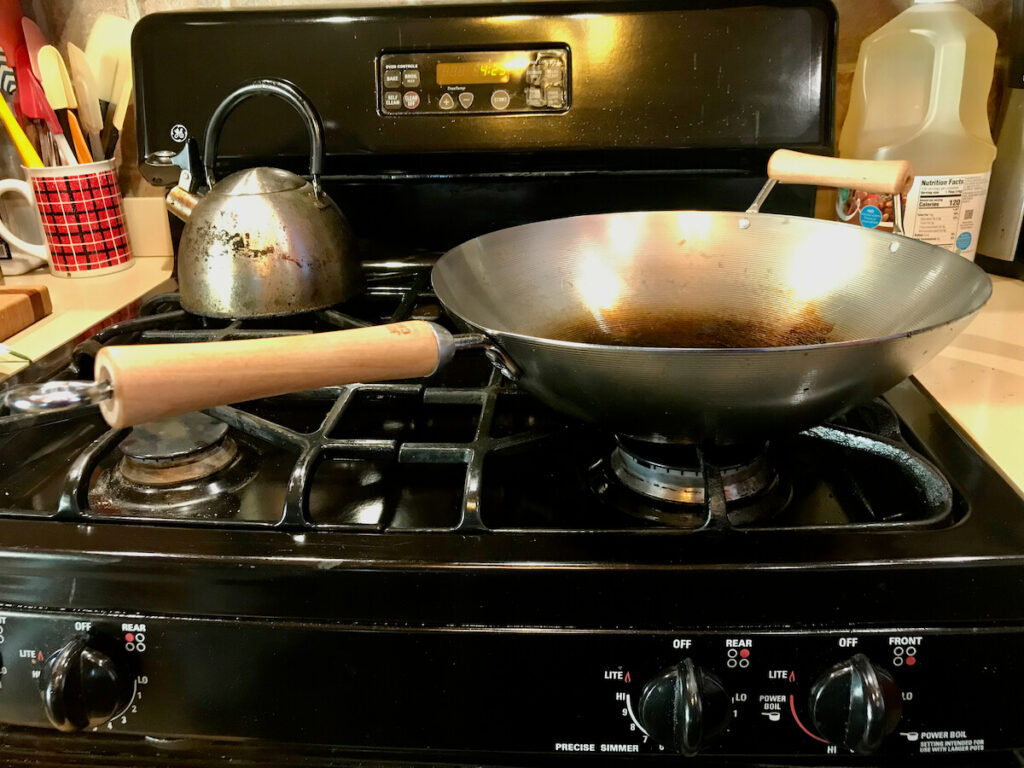
Seasoning and maintenance basics
Carbon steel is the king of high-heat cooking, but only if you treat it right. Unlike non-stick pans, a carbon steel wok gets better with age. The goal is to build a natural, polymerized layer that acts as a non-stick surface. This process, called seasoning, turns a raw, grey metal into a smooth, black cooking vessel. Think of it like breaking in a leather jacket; it starts stiff, but eventually molds to your use and becomes nearly indestructible.
Maintenance is straightforward and requires no special chemicals. After cooking, skip the dishwasher and harsh detergents, which strip away your hard-earned seasoning. Instead, rinse the wok with hot water and use a soft sponge or brush to remove food particles. If something sticks, use coarse salt and a cloth to scrub gently. Dry it immediately on the stove over low heat to prevent rust, then wipe it with a thin layer of oil before storing.
Initial seasoning steps
Before you cook your first stir-fry, you need to season the wok. This creates the foundation for your non-stick surface. Follow this simple four-step process:
Start by washing the new wok with warm, soapy water and a scouring pad. Manufacturers often coat carbon steel in protective oil to prevent rust during shipping. You need to remove this entirely before seasoning.
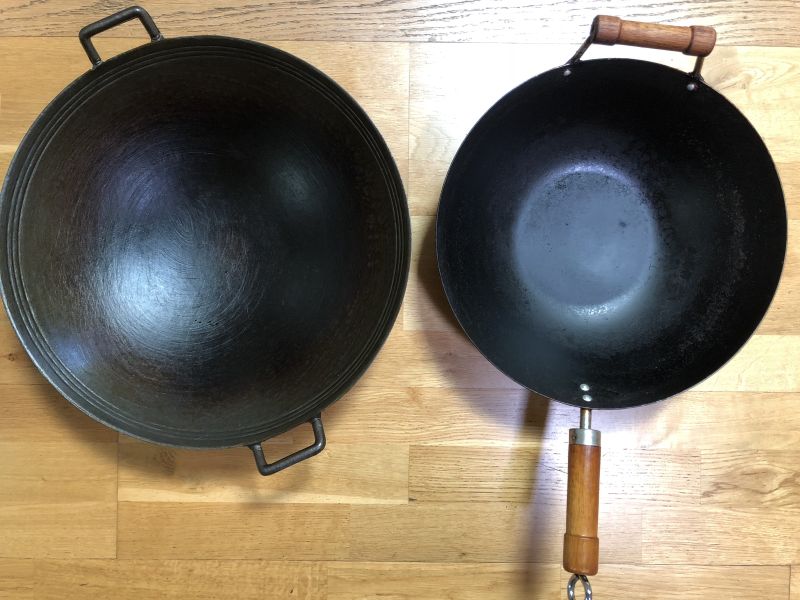
Dry the wok thoroughly with a towel, then place it on the stove over medium heat. Let it heat until all moisture evaporates. This step is critical because water causes rust, and rust ruins seasoning.
Once the wok is hot, turn off the heat. Use a paper towel to apply a very thin layer of high-smoke-point oil (like grapeseed, canola, or flaxseed) to the entire interior surface. Wipe out any excess oil; it should look barely shiny, not wet.
Turn the heat back to high. The oil will smoke and polymerize, turning the metal dark. Let it smoke for a few minutes, then turn off the heat and let the wok cool completely. Repeat this 2-3 times for a durable base layer.
Many home cooks swear by brands like Yosukata for their pre-seasoned or easily seasoned carbon steel options. A well-maintained wok can last a lifetime, developing a deeper, smoother patina with every meal. The effort upfront pays off in superior heat control and flavor.
Quick Stir-Fry Technique Guide
A wok is only as good as the heat it holds. Carbon steel, like the Yosukata or Sur La Table models, responds instantly to temperature changes, but that responsiveness requires a specific rhythm. If you crowd the pan or move too slowly, you steam your vegetables instead of searing them. The goal is high heat and constant motion.
Follow this five-step method to master the wok toss and achieve that characteristic char without burning your dinner.
Place your empty carbon steel wok over high heat. Wait until you see thin wisps of smoke rising from the surface. This indicates the metal has reached the optimal temperature for searing. A cold wok leads to soggy food.
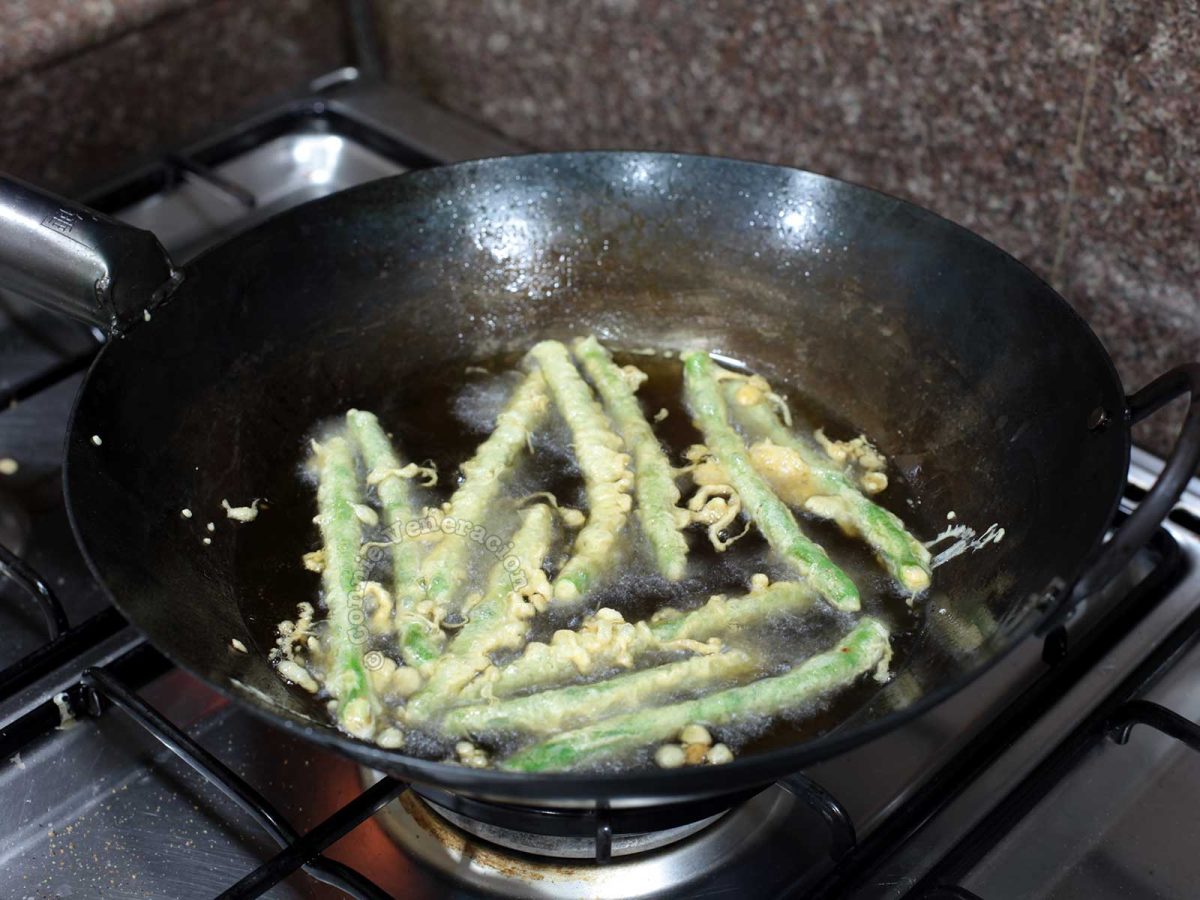
Pour in a high-smoke-point oil like peanut or avocado. Immediately tilt and rotate the pan to coat the entire curved surface. The oil should shimmer but not burn. This creates a temporary non-stick layer.

Add aromatics like garlic and ginger first, stirring constantly for 15 seconds. Then add harder vegetables (carrots, broccoli) and cook for two minutes. Finally, add leafy greens. Never fill the wok more than halfway; overcrowding drops the temperature and ruins the texture.

Use a spatula to push food from the edges toward the center, then give the wok a sharp upward flick with your wrist. This lifts the ingredients into the hot air above the pan, ensuring even cooking. Keep the food moving; stagnation means burning.
Pour your pre-mixed sauce into the center of the wok. Toss vigorously for 30 seconds to coat everything evenly. The residual heat will thicken the sauce instantly. Remove from the pan immediately to prevent overcooking.
This method works for any quick vegetable stir-fry. The key is respecting the heat: high enough to sear, fast enough to keep the vegetables crunchy.
Common questions about woks
Choosing the right wok often comes down to answering the specific questions that come up during testing and daily use. Here are the most frequent queries regarding professional standards and health safety.
No comments yet. Be the first to share your thoughts!