
Make the recipe
A wok relies on heat and movement. You toss ingredients in a pan that gets hotter than an air fryer basket ever will. The air fryer circulates hot air. It dries food out. It cannot replicate the Maillard reaction that happens when oil hits steel at 400°F. This recipe shows you how to use that heat correctly.
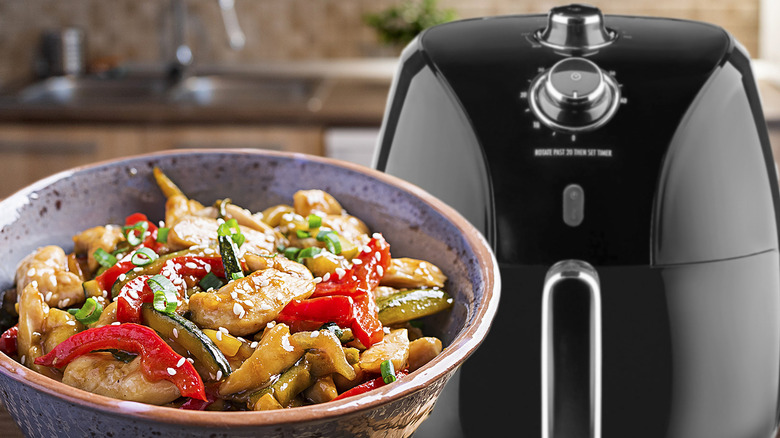
The difference comes down to texture. An air fryer cooks by blowing hot air around stationary food. Your shrimp sit in one spot. The outside dries out before the inside cooks through. You get a rubbery result. The wok cooks by direct contact. The metal transfers heat instantly. The constant tossing ensures every surface touches the hot steel.
You also control the sauce. In an air fryer, liquid pools at the bottom. It makes the food soggy. In a wok, the high heat reduces the soy sauce instantly. It clings to the shrimp and broccoli. You get a glossy coating. You get crisp edges. The air fryer cannot do this.
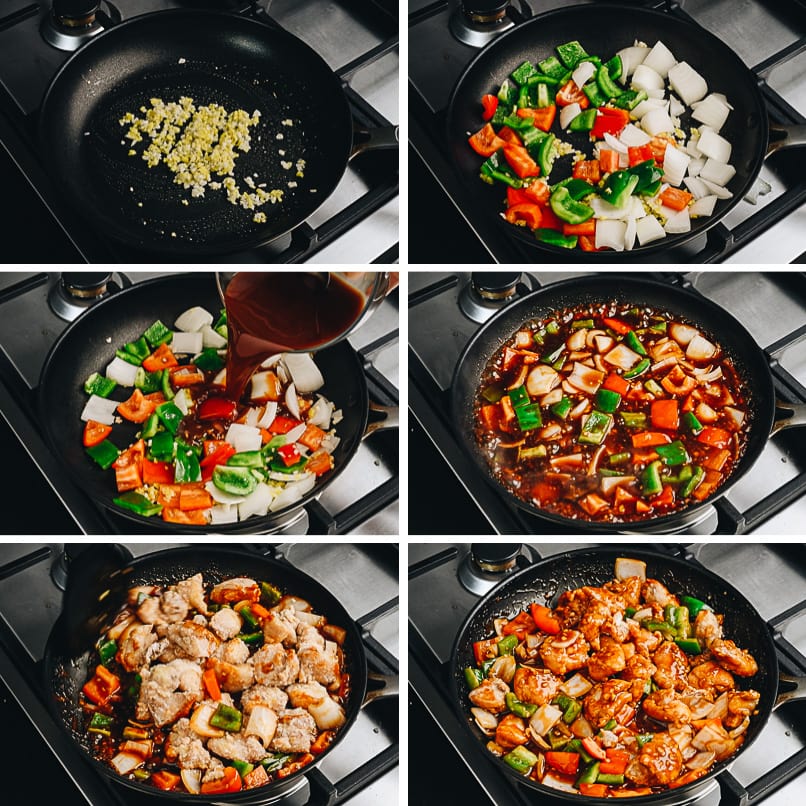
Start with a clean, dry wok. Heat it until it smokes slightly. This prepares the surface. Add your oil. Wait for the oil to shimmer. Then add your aromatics. The garlic and ginger will release their oils into the hot fat. This infuses the entire dish. If you add them to cold oil, they will burn before the rest of the pan is ready.
Keep your ingredients prepped before you turn on the burner. Wok cooking happens fast. You have less than ten minutes from start to finish. If you are chopping garlic while the pan heats, you will burn the oil. Mise en place is not just a kitchen rule. It is a requirement for wok cooking.
Keep the texture right
Asian stir-fries and roasted dishes rely on a delicate balance between crispness and moisture. Get the technique wrong, and you end up with watery vegetables, dry protein, or bland, steamed ingredients. The difference between a good meal and a great one comes down to how you manage heat and liquid.
Water is the enemy of the sear. Whether you are using a wok or an air fryer, surface moisture creates steam instead of browning. Pat vegetables and proteins dry with paper towels before seasoning. For tofu, press it for at least 20 minutes to remove excess water. This simple step ensures you get that desirable caramelization rather than a soggy texture.
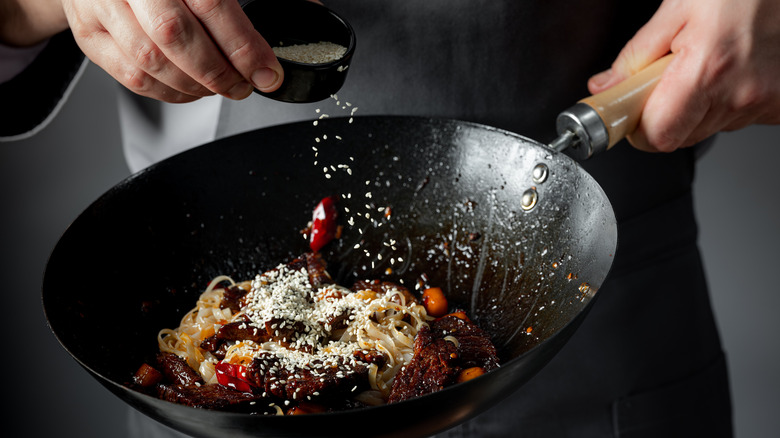
Overcrowding traps heat and moisture, leading to uneven cooking. In a wok, cook in small batches to maintain high heat. In an air fryer, shake the basket halfway through and avoid stacking ingredients. If you must cook large quantities, do it in multiple rounds. This ensures every piece gets direct contact with the hot air or metal surface.
Adding sauce too early makes dishes watery. For wok cooking, toss ingredients first to get the sear, then add sauce at the very end to coat and finish. In an air fryer, brush sauces on during the last two minutes of cooking. This prevents the sugars from burning and keeps the exterior crisp while the interior stays juicy.

Not all oils handle high heat well. Use peanut, canola, or avocado oil for wok frying to achieve that smoky "wok hei" flavor. For air frying, a light spray of oil helps seasoning stick and promotes browning. Avoid butter or extra virgin olive oil, which burn at high temperatures and leave a bitter taste.
Letting meat rest for a few minutes after cooking allows juices to redistribute. If you cut into it immediately, the juices run out, leaving the meat dry. This step is crucial for both wok-seared meats and air-fried proteins. It ensures every bite is tender and flavorful.
-
Pat all ingredients dry before cooking
-
Cook in small batches to avoid steaming
-
Add sauces only at the end of cooking
-
Use high-heat oils like peanut or canola
-
Let meat rest for 5 minutes before serving
Community feedback often highlights the difficulty of replicating wok results in an air fryer. One user on Reddit noted that while air fryers are convenient, they lack the direct heat and tossing motion needed for authentic Chinese stir-fries [src-fallback-1]. Another comparison video emphasized that each method has unique advantages, but the wok remains superior for texture and flavor depth [src-fallback-2].
Swaps that still work
You can adapt most Asian dishes to an air fryer by treating it as a convection oven rather than a direct replacement for wok hei. The goal is to replicate texture and flavor through high heat and circulation, not to mimic the exact mechanics of stir-frying.
Starches and Noodles
Fried rice and lo mein translate well if you start with day-old, chilled rice or noodles. The air fryer’s dry heat crisps the edges without making them soggy, provided you toss them with oil and sauce before cooking. Spread them in a single layer to ensure even crisping. For lo mein, toss the noodles with a little sesame oil to prevent sticking.
Proteins and Tofu
Marinated meats like char siu or sweet and sour pork work effectively in an air fryer. The circulating air creates a caramelized exterior similar to a wok’s sear. Tofu cubes benefit from this method too; coating them in cornstarch before air frying yields a crunchy shell that holds sauces better than boiled tofu.
Vegetables
Broccoli, bok choy, and green beans roast quickly in an air fryer. Toss them with oil, salt, and garlic powder. Cook at 400°F for 8–10 minutes, shaking the basket halfway through. This method preserves crunch while adding slight char, a desirable trait in many Asian vegetable dishes.
Sauces and Seasonings
Air fryers do not reduce sauces like a wok does. Add sauces after cooking or use a thicker glaze. Soy sauce, oyster sauce, and hoisin work well as marinades or finishing drizzles. Avoid thin, watery sauces that won’t adhere to the food without the rapid evaporation of a wok.
| Ingredient | Wok Approach | Air Fryer Swap | Pro Tip |
|---|---|---|---|
| Fried Rice | High heat stir-fry | Toss chilled rice with oil | Spread in single layer |
| Tofu | Pan-fry in oil | Coat in cornstarch | Shake basket halfway |
| Broccoli | Stir-fry with garlic | Roast with oil | Add garlic powder |
| Marinated Pork | Quick sear | Air fry at 400°F | Use thicker glaze |
Serve and store it
Both methods shine when you plan ahead, but the best approach depends on whether you are prepping raw ingredients or storing cooked leftovers. For mise en place, chop vegetables and mix sauces in advance. Keep raw proteins separate from aromatics like garlic and ginger until you are ready to cook. This prevents soggy textures and ensures the wok can reach high heat quickly or the air fryer basket doesn’t overflow.
When storing leftovers, the goal is preserving texture. Wok-fried dishes with crisp vegetables lose their snap if microwaved, so reheat them in a hot pan with a splash of water to steam them back to life. Air-fried items like eggrolls or tofu retain more crunch in the fridge. Reheat these in the air fryer at 375°F for 3-4 minutes rather than the microwave to restore that crispy exterior without turning the inside soggy.
For serving, portion sizes matter more than you think. A standard wok toss feeds four people as a main, while air-fried appetizers like spring rolls are better suited for sharing. If you are meal prepping, store sauces separately from the protein and vegetables. This simple step keeps the dish from becoming watery and allows you to reheat components individually for the best result.
Common questions
The debate between a wok and an air fryer often comes down to texture and workflow. While the air fryer offers hands-off convenience for specific items, the wok remains the superior tool for the high-heat, continuous movement required in traditional Asian cooking. Here are the most practical answers to common questions about choosing between the two.
No comments yet. Be the first to share your thoughts!