

Wok Cooking's Plant-Based Shift
The wok is central to a growing plant-based shift in Asian cuisine. For centuries, this versatile pan has been a workhorse, capable of incredible speed and flavor. This resurgence isn't just about tradition; it's driven by a growing demand for plant-based eating, signaling a fundamental shift in how people approach food.
The wok's sloping sides and even heat distribution make it ideal for stir-frying vegetables, tofu, and plant-based proteins. Ingredients cook quickly, retaining texture and nutrients, which is a significant advantage for plant-based cooking where ingredients can easily become mushy. The history of wok cooking is fascinating, evolving from simple iron pans to the sophisticated tools used today.
Restaurants are reflecting this change. Places like I WOK PHO in Savage, Minnesota, offer delicious pho and other Asian dishes, proving that flavorful Asian cuisine doesn't require animal products. I WOK ASIAN CUISINE in Savage also demonstrates the demand for these options. The goal is to expand possibilities and make delicious, accessible food for everyone.
This shift is about exploring Asian cuisine's diversity and discovering its many naturally vegan and vegetarian dishes. It's an opportunity to embrace new flavors and techniques, making plant-based cooking exciting and satisfying.
Essential Wok Gear for Vegan Cooking
Choosing a wok can be overwhelming, with many options available. The three main materials are carbon steel, stainless steel, and non-stick. Carbon steel is often favored for wok cooking, but stainless steel offers durability and easier maintenance, while non-stick is convenient for some dishes but lacks high-heat performance.
Carbon steel heats quickly and evenly, developing wok hei—the smoky, charred flavor of authentic stir-fries. This requires a well-seasoned wok and a powerful burner. However, carbon steel demands significant maintenance, including regular seasoning and careful cleaning to prevent rust, which can be challenging initially.
Stainless steel woks are more forgiving, requiring no seasoning and being less prone to rust. They heat less quickly than carbon steel and don't develop wok hei as easily. Clad stainless steel woks, with an aluminum core, improve heat distribution. Non-stick woks suit delicate dishes like steamed vegetables but aren't ideal for high-heat stir-frying.
Essential tools include a wok spatula for scooping and stirring, a bamboo spatula for gentler cooking, a long-handled ladle for sauces and oils, and tongs for grabbing ingredients.
- Carbon Steel: Best for wok hei, requires seasoning.
- Stainless Steel: Durable, low maintenance, doesn’t develop wok hei as easily.
- Non-Stick: Convenient for delicate dishes, not ideal for high-heat cooking.
Wok Material Comparison for Plant-Based Cooking
| Material | Heat Retention | Responsiveness | Ease of Cleaning | Suitability for Vegan Cooking |
|---|---|---|---|---|
| Carbon Steel | Excellent | Excellent | Fair (requires seasoning and care) | Excellent |
| Stainless Steel | Good | Good | Good | Good |
| Non-Stick | Fair | Fair | Excellent | Good |
| Cast Iron | Excellent | Fair | Fair (requires seasoning) | Good |
| Aluminum | Good | Excellent | Good | Fair |
Illustrative comparison based on the article research brief. Verify current pricing, limits, and product details in the official docs before relying on it.
Seasoning Your Wok: A Patient Process
Seasoning a carbon steel wok requires time, patience, and consistent effort. The reward—a naturally non-stick surface and the ability to develop incredible wok hei—is well worth it. This is an ongoing maintenance process, not a one-time task.
First, scrub the wok with hot, soapy water to remove factory coatings. Dry it completely. Heat the wok over high heat until it turns blue, indicating the metal is changing. Add a tablespoon of oil (peanut, vegetable, or canola) and rub it over the entire surface. Continue heating until the oil smokes, then remove from heat and let cool. Repeat several times.
The wok's color will change over time, from blue-grey to bronze to almost black, as the oil polymerizes and creates a protective layer. Some rust may form, especially in humid climates; scrub it off with steel wool and re-season the affected area. A little rust is normal initially.
Common mistakes include using too little oil, insufficient heat, and improper cleaning. Avoid harsh detergents or abrasive cleaners that strip seasoning. After each use, wipe the wok clean with a paper towel and add a thin layer of oil. Regular use is the best way to maintain a well-seasoned wok.
- Scrub with hot, soapy water and dry completely.
- Heat over high heat until blue.
- Add oil and rub all over.
- Heat until smoking, then cool.
- Repeat several times.
Flavor Foundations: Vegan Sauces & Marinades
Sauces are key to Asian cuisine's flavor. Many essential Asian sauces are vegan or have readily available vegan alternatives. Soy sauce is a cornerstone; look for naturally brewed soy sauce for the best flavor. Tamari is a gluten-free option. Light soy sauce is saltier and thinner, while dark soy sauce is thicker and sweeter.
Hoisin sauce, traditionally made with fermented soybeans and spices, often contains oyster sauce. Vegan hoisin sauces are available, or you can make your own using black bean paste, soy sauce, sugar, and vinegar. Chili garlic sauce adds a spicy kick (Lee Kum Kee is a reliable brand). Black bean sauce, made from fermented black beans, is umami-rich and adds depth to stir-fries.
Balancing sweet, sour, salty, spicy, and umami flavors is key in Asian cuisine. Experiment with ratios to find your preference. A versatile homemade sauce uses equal parts soy sauce, maple syrup, rice vinegar, and a dash of sriracha.
A great vegan substitute for fish sauce, common in Southeast Asian cuisine, is a combination of soy sauce, lime juice, and a pinch of seaweed flakes, which mimics the salty, umami flavor well. Building layers of flavor creates a harmonious balance.
20 Vegan Asian Recipes That Sizzle
Here are 20 vegan Asian recipes designed to showcase the versatility of wok cooking and plant-based ingredients, with a mix of cuisines and skill levels. Each recipe assumes a well-seasoned wok and basic stir-frying knowledge.
1. Kung Pao Tofu (Sichuan): Spicy, savory, and packed with peanuts. Marinate firm tofu in soy sauce, ginger, and garlic before stir-frying with dried chilies and Sichuan peppercorns.
2. Pad Thai (Thai): Classic rice noodles with tofu, bean sprouts, and a tangy tamarind sauce.
3. Vegan Mapo Tofu (Sichuan): A fiery and flavorful tofu dish in a fermented black bean sauce.
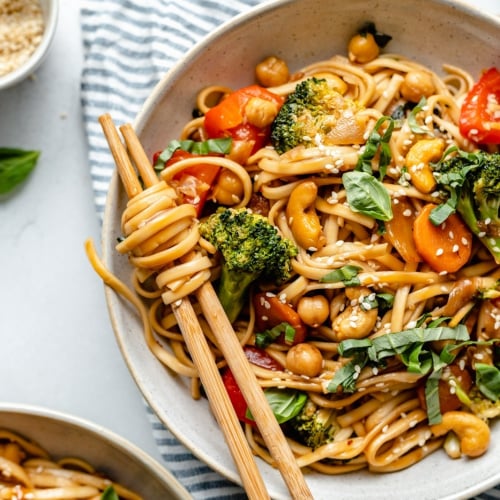
4. Vegetable Lo Mein (Chinese): Stir-fried noodles with a medley of colorful vegetables.
5. Korean Japchae (Korean): Glass noodles stir-fried with vegetables and a sesame-soy sauce.
6. Vietnamese Lemongrass Tofu (Vietnamese): Tofu marinated in lemongrass, garlic, and chili.
7. Thai Green Curry with Tofu (Thai): A creamy and aromatic curry with coconut milk and green chilies.
8. Japanese Vegetable Yakisoba (Japanese): Stir-fried noodles with cabbage, carrots, and a savory sauce.
9. Mongolian Tofu (Mongolian): A sweet and savory tofu dish coated in a sticky sauce.
10. Singapore Noodles (Singaporean): Curry-flavored rice noodles with vegetables and tofu.
11. Chinese Broccoli with Garlic Sauce (Chinese): Simple, yet flavorful, stir-fried Chinese broccoli.
12. Vegan Dan Dan Noodles (Sichuan): Spicy noodles in a sesame-peanut sauce.
13. Thai Basil Chicken (Veganized) (Thai): Use plant-based chicken or tofu for this flavorful dish.
14. Vietnamese Spring Rolls (Vegan) (Vietnamese): Fresh spring rolls filled with vegetables and herbs.
15. Korean Bibimbap (Vegan) (Korean): A colorful rice bowl with seasoned vegetables and tofu.
16. Japanese Agedashi Tofu (Japanese): Deep-fried tofu in a savory broth.
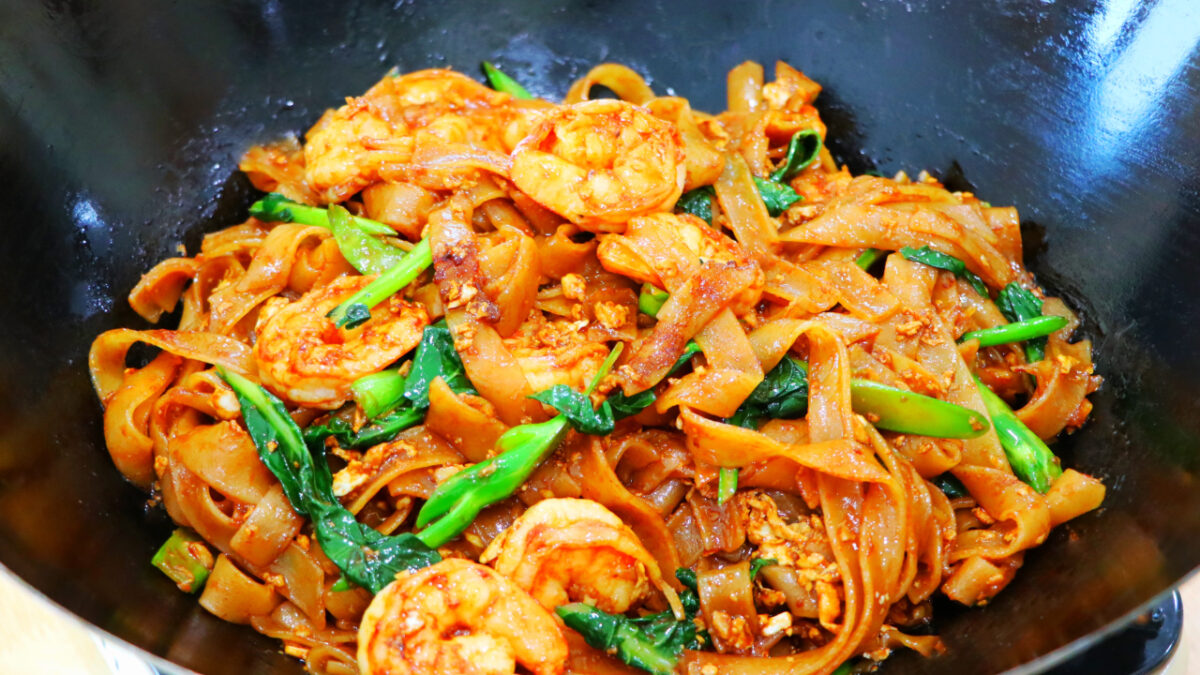
17. Malaysian Char Kway Teow (Malaysian): Stir-fried flat rice noodles with vegetables and tofu.
18. Filipino Pancit Bihon (Filipino): Stir-fried rice noodles with vegetables and soy sauce.
19. Indonesian Gado-Gado (Indonesian): A vegetable salad with peanut sauce.
20. Cambodian Stir-Fried Morning Glory (Cambodian): Simple stir-fried water spinach with garlic and chili.
Ingredient Swaps & Adaptations
Vegan cooking often requires creative ingredient substitutions. A common substitution is for fish sauce, a Southeast Asian staple. A mixture of 1 tablespoon soy sauce, 1 tablespoon lime juice, and a pinch of dried seaweed flakes captures the umami flavor well.
Oyster sauce is another common ingredient that needs replacing. Vegan oyster sauce is available in many Asian grocery stores, or you can make your own using mushroom broth, soy sauce, and a touch of sugar. For those with soy allergies, coconut aminos can be used as a soy sauce substitute, though the flavor is slightly different.
Tofu is a versatile protein source, but there are many different types. Firm and extra-firm tofu are best for stir-frying, as they hold their shape well. Silken tofu is better suited for sauces and smoothies. Pressing tofu before cooking helps remove excess water and allows it to crisp up more easily. Remember to adjust cooking times based on the type of tofu you're using.
If you’re gluten-free, be sure to use tamari instead of soy sauce and check the labels of all sauces and marinades. Many Asian sauces contain wheat. Adapting recipes to suit dietary needs is often as simple as making a few strategic substitutions.
Wok Maintenance: Keeping It Sizzling
Maintaining a seasoned wok is crucial for keeping it in top condition. After each use, wipe the wok clean with a paper towel to remove any food residue. Avoid using soap, as it can strip away the seasoning. If food is stuck, add a little water to the wok and gently scrape it clean with a bamboo spatula.
To prevent rust, always dry the wok thoroughly after cleaning. Add a thin layer of oil to the surface to protect it. If rust does develop, scrub it off with steel wool and re-season the affected area. Regular use is the best way to maintain a well-seasoned wok. The more you cook with it, the better it will become.
Periodically, you may need to re-season the entire wok. This is especially important if you’ve used harsh detergents or if the seasoning has become patchy. Follow the same seasoning process as described earlier. A little bit of maintenance goes a long way in ensuring your wok lasts for years to come.
Don't be afraid to experiment and learn what works best for your wok. Every wok is different, and it may take some time to find the right balance of seasoning and maintenance. With a little care, your wok will become a cherished tool in your kitchen.
- Wipe clean with a paper towel after each use.
- Dry thoroughly.
- Add a thin layer of oil.
- Scrub off rust with steel wool and re-season if needed.
- Re-season the entire wok periodically.
No comments yet. Be the first to share your thoughts!