

Wok Cooking in 2026: Why It Fits
Life moves faster than ever. In 2026, juggling work, family, and personal commitments leaves little time for elaborate meals. People want food that’s quick, healthy, and satisfying—without hours in the kitchen. That's where wok cooking comes in. It's a method designed for speed and efficiency, capable of delivering incredibly flavorful dishes in a fraction of the time of traditional cooking methods.
For years, Asian cuisine has been gaining popularity, and now, with the demand for faster meal prep, wok cooking is experiencing a resurgence. It’s not about sacrificing taste for convenience, it’s about embracing a technique that’s inherently fast and adaptable. This isn’t your grandmother’s Sunday roast; this is dinner on the table now.
The wok, with its curved shape and ability to handle high heat, is perfectly suited for the modern lifestyle. It’s a versatile tool that can be used for stir-frying, steaming, deep-frying, and even smoking. And with the right recipes and techniques, you can consistently produce restaurant-quality meals in just 15 minutes.
The 15-Minute Meal Framework
Achieving a 15-minute wok meal isn't about simplifying flavors; it’s about streamlining the process. It's built on organization and understanding a few core principles. The most important is mise en place—French for "everything in its place." Before you even turn on the heat, have all your ingredients chopped, measured, and ready to go.
High heat is non-negotiable. A wok thrives on intense heat, which allows for rapid cooking and creates that characteristic "wok hei"—a slightly smoky, complex flavor. The order of ingredient addition is also critical. Start with aromatics like garlic and ginger, then add proteins, followed by vegetables, and finally the sauce. This ensures everything cooks evenly and develops maximum flavor.
A powerful wok burner, like the 12kW models from Hot Wok, can make a huge difference, allowing you to reach those high temperatures quickly. However, a standard kitchen stove can absolutely work. You might need to cook in smaller batches to avoid overcrowding the wok, but the results can still be excellent. It's more about technique than equipment.
15 Recipes to Get You Started
Here are 15 recipes designed to get you comfortable with 15-minute wok cooking. They cover a range of proteins and flavor profiles, ensuring there's something for everyone. Remember that these times are estimates and may vary depending on your stove and chopping speed.
1. Garlic Ginger Chicken & Broccoli (12 minutes): Marinate bite-sized chicken pieces in soy sauce, ginger, and garlic. Stir-fry quickly, add broccoli florets, and finish with a splash of sesame oil.
2. Beef & Green Bean Stir-fry (14 minutes): Thinly sliced beef stir-fried with crisp-tender green beans, a touch of oyster sauce, and a sprinkle of chili flakes.
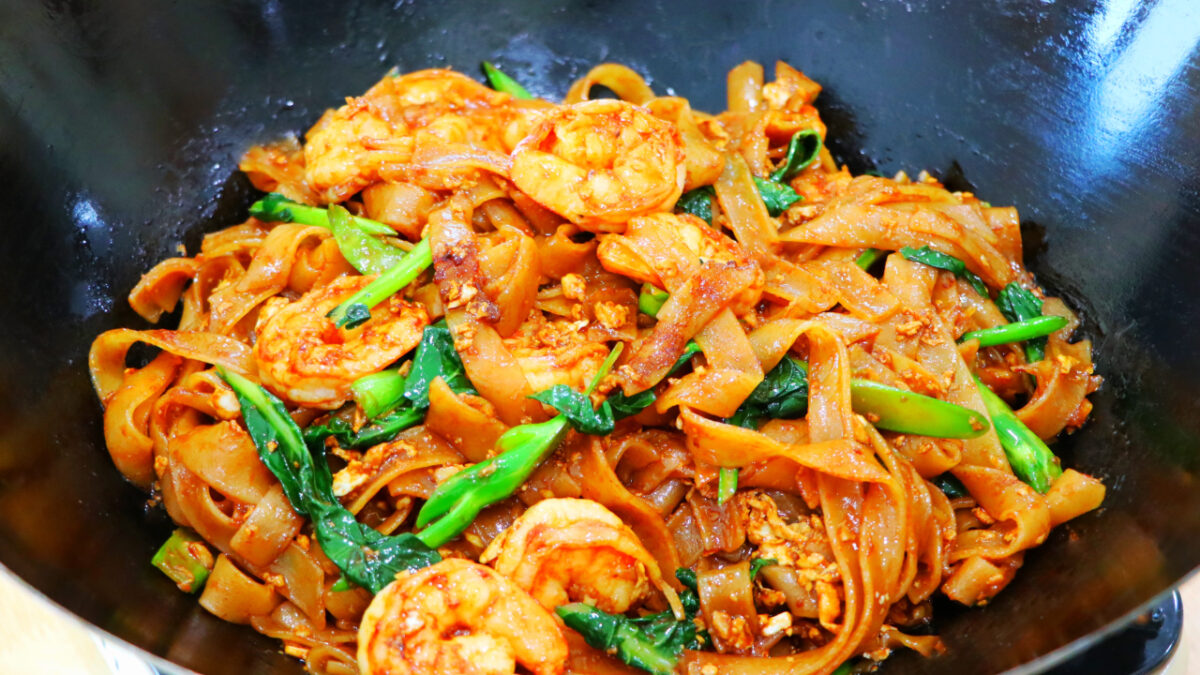
3. Shrimp Scampi Noodles (10 minutes): Shrimp sautéed with garlic, butter, white wine, and tossed with linguine or your favorite noodles.
4. Pork & Cabbage Stir-fry (13 minutes): Ground pork stir-fried with shredded cabbage, soy sauce, and a dash of rice vinegar.
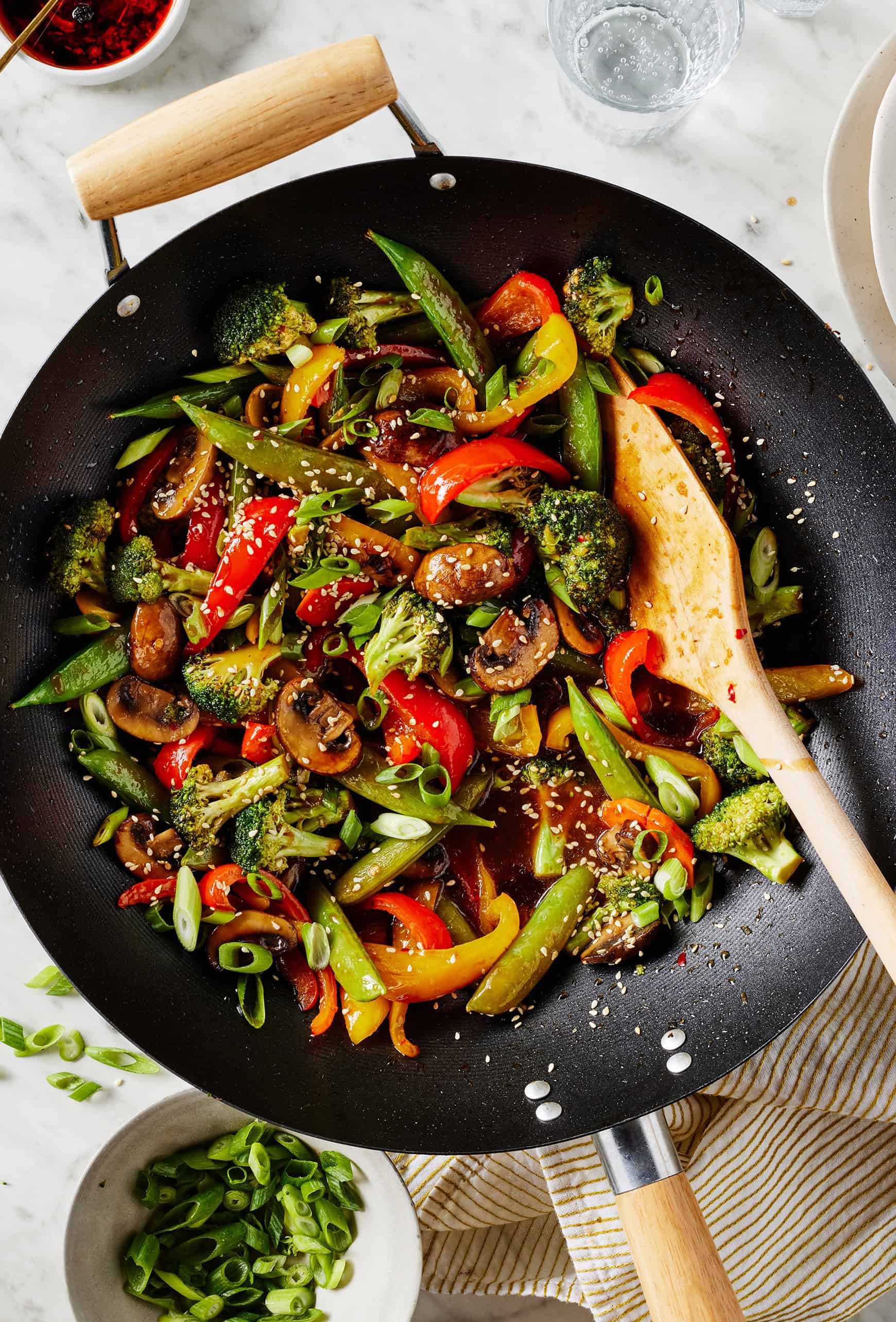
5. Vegetarian Tofu Stir-fry (11 minutes): Cubed tofu stir-fried with mixed vegetables like carrots, bell peppers, and snap peas in a savory soy-ginger sauce.
6. Spicy Peanut Noodles (15 minutes): Cooked noodles tossed in a creamy peanut sauce with chili garlic sauce and chopped peanuts.
7. Chicken Chow Mein (15 minutes): Stir-fried noodles with chicken, vegetables, and a savory soy-based sauce.
8. Beef & Bok Choy Stir-fry (12 minutes): Thinly sliced beef stir-fried with baby bok choy and a light soy-ginger sauce.
9. Shrimp Fried Rice (14 minutes): Classic shrimp fried rice with peas, carrots, and scrambled egg.
10. Pork & Mushroom Stir-fry (13 minutes): Pork stir-fried with sliced mushrooms, soy sauce, and a touch of Shaoxing wine.
11. Vegetarian Lo Mein (15 minutes): Noodles tossed with a variety of vegetables in a flavorful oyster sauce-based sauce.
12. Spicy Chicken & Eggplant Stir-fry (14 minutes): Chicken and eggplant stir-fried with chili bean sauce and a sprinkle of sesame seeds.
13. Ginger Garlic Shrimp (10 minutes): Shrimp stir-fried with ginger, garlic, and a touch of soy sauce.
14. Quick Pork & Pepper Stir-fry (11 minutes): Pork stir-fried with bell peppers, onion, and a savory brown sauce.
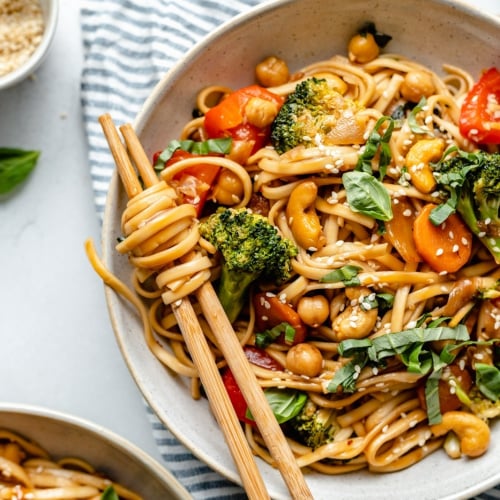
15. Vegetable Udon Noodles (12 minutes): Thick udon noodles stir-fried with a variety of colorful vegetables.
Wok Burner Basics: What You Need
The right burner can significantly impact your wok cooking experience. There are three main types: built-in, portable propane, and electric. Built-in wok burners are typically found in professional kitchens and offer the highest BTU output, but require permanent installation. Portable propane burners are a popular choice for home cooks, offering high heat and portability. Hot Wok offers both a 12kW and a 7kW propane burner.
Electric wok burners are the most convenient, as they simply plug into a standard outlet. However, they generally don’t produce as much heat as propane or built-in burners. BTU (British Thermal Units) is the key metric when evaluating a wok burner. Higher BTU means more heat, and faster cooking.
While a powerful burner is ideal, you can still achieve excellent results with a standard kitchen stove. The key is to avoid overcrowding the wok and to cook in smaller batches if necessary. It might take slightly longer, but the flavor will still be fantastic.
Ingredient Shortcuts: Smart Shopping
Time is of the essence, so streamlining ingredient prep is crucial. Pre-cut vegetables from the grocery store can save you valuable minutes, though they often come at a premium price. Frozen vegetables are an excellent alternative, offering convenience and affordability. They often retain a surprising amount of flavor and texture.
Pre-cooked proteins, like rotisserie chicken or pre-marinated meats, can also cut down on prep time. For pantry staples, keep soy sauce, oyster sauce, sesame oil, rice vinegar, and cornstarch on hand. You don’t need a fully stocked Asian grocery store to make these recipes, but having these basics will go a long way.
Consider keeping a small stash of ginger and garlic paste in the fridge for even faster flavor boosts. These are available in most supermarkets and can be a lifesaver on busy weeknights.
- Soy sauce
- Oyster sauce
- Sesame oil
- Rice vinegar
- Cornstarch
Technique Tweaks for Speed
Beyond mise en place, mastering a few specific techniques can dramatically speed up your wok cooking. Properly stacking ingredients is key. Place ingredients that take longer to cook at the bottom of the pile and those that cook quickly on top. This ensures everything cooks evenly and prevents burning.
A wok spatula is your best friend. Use it to quickly toss and turn ingredients, ensuring they’re constantly exposed to the heat. Kenji Lopez-Alt, in his work on The Wok, emphasizes the importance of constantly moving the ingredients, preventing them from sticking and promoting even cooking.
He also demonstrates the importance of washing meat before stir-frying, a practice common in many Asian cuisines. This helps to remove impurities and improve the texture of the meat. Remember to pat the meat dry after washing to ensure proper searing.
Wok Care: Keeping It Seasoned
If you’re using a carbon steel wok, seasoning is essential. This process creates a natural, non-stick patina that protects the wok from rust and improves its cooking performance. To season a wok, heat it over high heat until it turns blue. Then, add a tablespoon of oil and rub it all over the surface.
Continue heating the wok until the oil starts to smoke, then let it cool. Repeat this process several times, building up layers of patina. Cleaning a seasoned wok is simple: rinse it with hot water and dry it thoroughly. Avoid using soap, as it can strip away the seasoning. A little oil after cleaning helps maintain the patina.
Recipe Standouts: Our Top 3 Picks
From the 15 recipes, three really stand out for their speed, ease, and flavor. These are the ones we find ourselves making again and again on busy weeknights.
Garlic Ginger Chicken & Broccoli: This recipe is a classic for a reason. It's incredibly quick, requires minimal ingredients, and delivers a satisfying combination of flavors and textures. For a variation, try adding a splash of hoisin sauce for a sweeter, more complex flavor.
Shrimp Scampi Noodles: This is a luxurious-tasting dish that comes together in just 10 minutes. The buttery, garlicky sauce coats the noodles and shrimp beautifully. Feel free to add a pinch of red pepper flakes for a little heat.
Vegetarian Tofu Stir-fry: A great option for a meatless meal, this stir-fry is packed with flavor and nutrients. Using pre-cut vegetables makes it even faster. For extra crunch, add some toasted cashews or peanuts.
No comments yet. Be the first to share your thoughts!