

why you need to season a wok
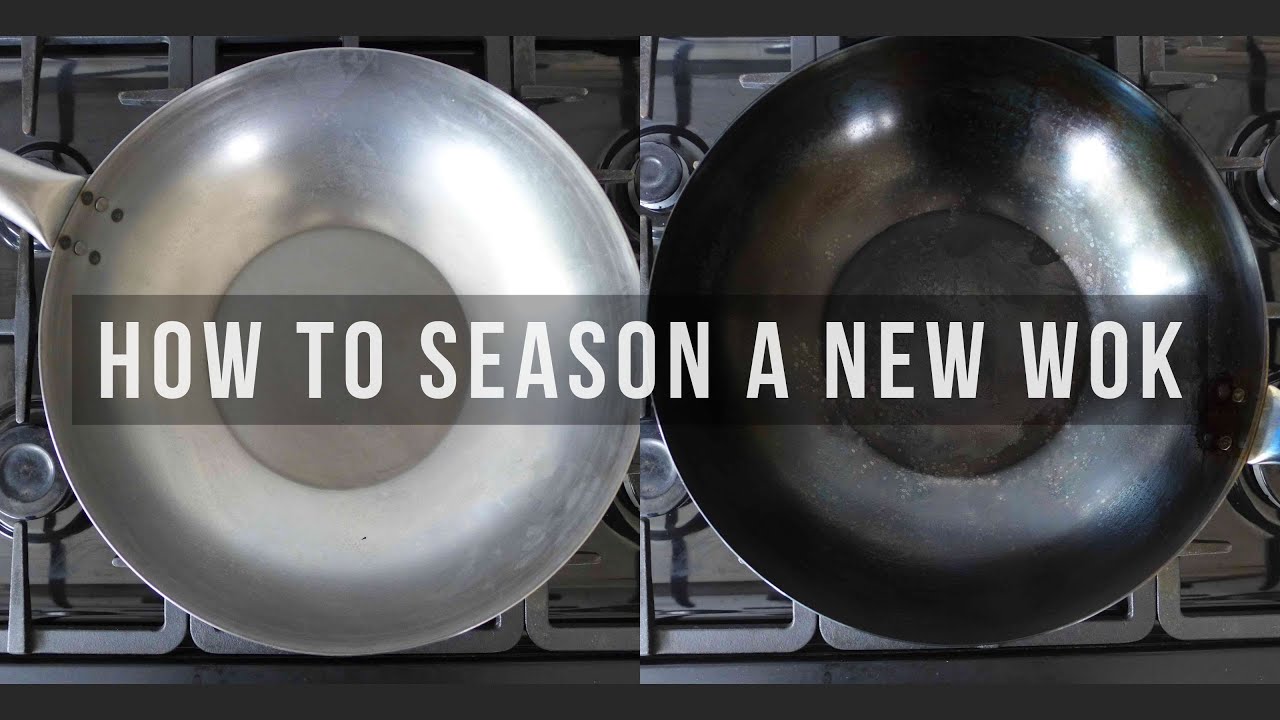
Don't start cooking the second you get your wok home. You have to season it first. This isn't just to stop rust; it creates a slick surface that actually makes the food taste better.
The process relies on something called polymerization. Essentially, when you heat oil in the wok, it breaks down and forms a plastic-like coating that bonds to the metal. This coating fills in the microscopic pores of the wok, creating a smooth, slick surface. It's a chemical change, not just an oily film, and it's what makes a well-seasoned wok so prized.
Different wok materials respond to seasoning differently. Carbon steel, the most popular choice, seasons beautifully and relatively quickly. Cast iron takes longer, but develops an incredibly durable seasoning. Stainless steel woks don't really 'season' in the same way; they're naturally non-stick to a degree, but don’t impart the same flavor development as a seasoned carbon steel wok. So understanding your wok’s material is the first step.
what you'll need
Before you begin, let’s make sure you have everything you need. First and foremost, the wok itself. You'll also need a heat source – a gas burner is ideal, especially one with a high BTU output. Many home stoves struggle to get a wok hot enough, but we'll discuss workarounds later.
For oil, I recommend peanut, vegetable, or canola oil. They have high smoke points and are relatively neutral in flavor. You’ll also need paper towels, a heat-safe scrubbing pad (make sure it’s non-abrasive to avoid damaging the metal), and dish soap. Finally, a good pair of tongs is incredibly helpful for holding the paper towels while you’re seasoning.
- Wok (carbon steel or cast iron)
- High-BTU burner (or a suitable stovetop)
- Peanut, vegetable, or canola oil
- Paper towels
- a blue scrubbing pad (the non-scratch kind)
- Dish soap
- Tongs
scrubbing off the factory coating
Most new woks come with a factory coating applied to prevent rust during shipping and storage. This coating must be removed before you start seasoning. It will interfere with the polymerization process and result in a sticky, uneven finish. Don’t skip this step!
Start by filling the wok with hot water and adding a generous squirt of dish soap. Use your scrubbing pad to scrub the entire surface – bottom, sides, and handle – thoroughly. You’ll likely see a dark residue coming off. Keep scrubbing until the water runs clear and you’ve removed all visible coating. Some coatings are tougher than others, so be prepared to put in some effort.
Rinse the wok with hot water and dry it with paper towels. Make sure it is bone dry. If you leave water on it, it will rust before you even start. It takes some elbow grease, but you can't skip it.
the first burn
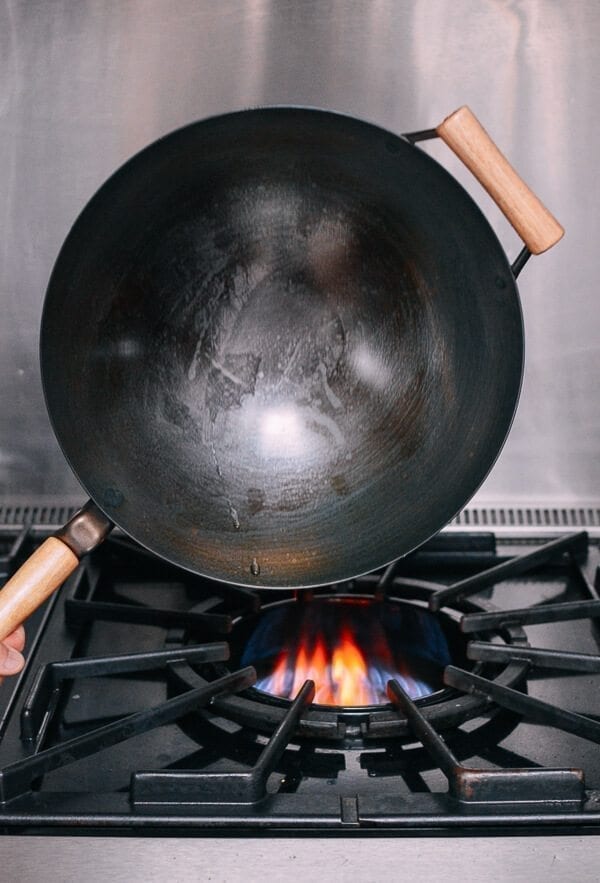
Now for the exciting part: actually seasoning the wok! Place the wok over medium-high heat. You’ll want it to get quite hot, but not scorching. Watch for the metal to start changing color – it will begin to turn bluish in spots. This indicates it’s reaching the right temperature.
Add about a tablespoon or two of your chosen oil to the wok. Using tongs to hold a tightly folded paper towel, rub the oil everywhere – the sides, the bottom, even the handle. The goal is to create a very thin, even coat. Continue heating and rubbing vigorously. The wok will start to smoke – this is normal and a sign that the oil is breaking down.
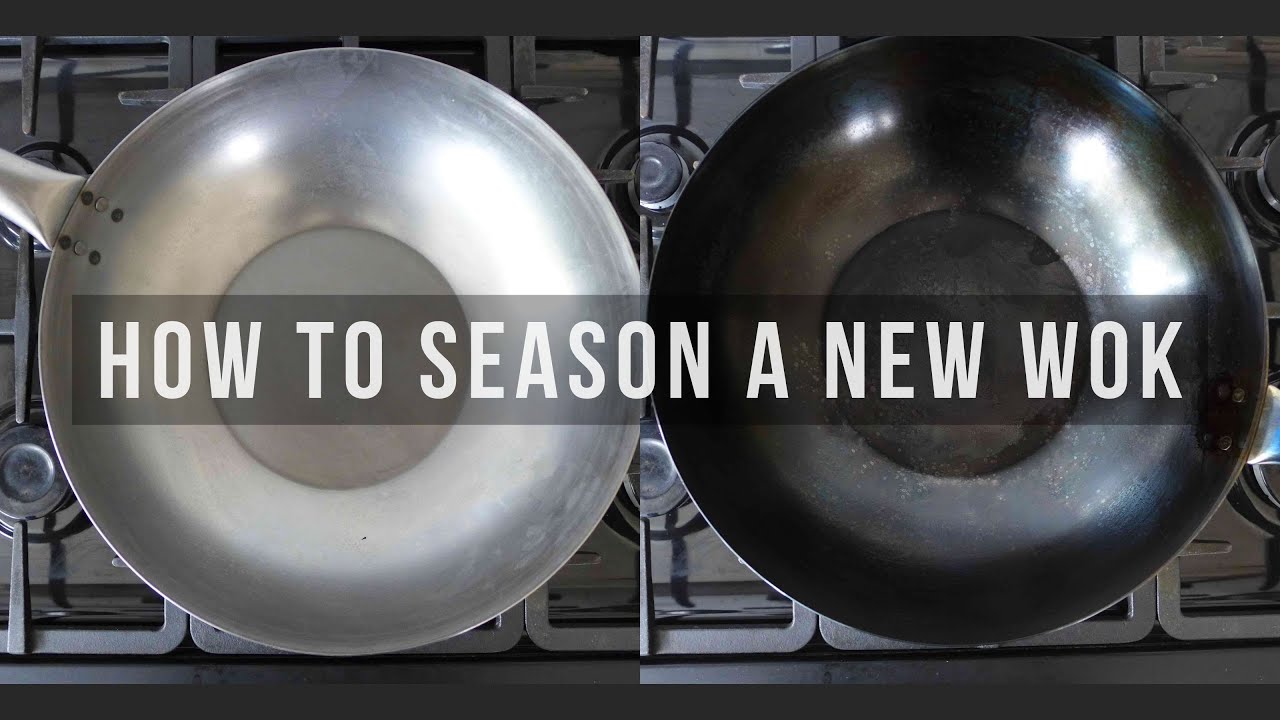
Repeat this process several times, adding a little more oil as needed. The key is to keep the oil moving and to maintain a thin coat. Too much oil will lead to a sticky, uneven seasoning. You'll notice the wok changing color as you go, starting to develop a bronze hue. This is the beginning of the polymerized layer.
Continue this initial burn for at least 15-20 minutes, or until the wok has a consistent, darkened appearance. Let the wok cool completely before proceeding – don’t rush this step.
Subsequent Layers: Deepening the Seasoning
The first burn is just the starting point. Subsequent layers build upon that foundation, making the seasoning more durable and non-stick. I recommend repeating the oiling and heating process 5-7 times, or even more if you have the time and patience. Each layer adds to the protective and non-stick qualities of the wok.
As you continue seasoning, you’ll notice the wok changing color again, progressing from bronze to a darker, almost black shade. This is a good sign – it indicates that the polymerization process is continuing. The surface will also start to feel smoother.
Be aware that seasoning a wok can produce a strong smell. Ensure you have good ventilation – open windows and turn on a range hood. The smell will dissipate over time as the seasoning stabilizes.
fixing common mistakes
Seasoning a wok isn’t always smooth sailing. You might encounter a few problems along the way. One common issue is sticky spots. This is usually caused by applying too much oil during the seasoning process. The solution is simple: heat the wok again, and rub the sticky areas vigorously with a clean paper towel. The heat will help to break down the excess oil.
Uneven seasoning is another frequent problem. This happens when you don’t rub the oil evenly across the surface. To fix this, focus on the bare areas, applying more oil and rubbing them thoroughly. You may need to repeat the seasoning process a few times to achieve a consistent finish. Don’t be discouraged!
Rust spots can appear if the wok isn’t dried completely after cleaning or seasoning. If you notice rust, don’t panic. Lightly scrub the affected areas with a scouring pad to remove the rust, then re-season the wok. Preventative maintenance is key – always dry your wok thoroughly.
If food accidentally gets stuck to your wok, don’t try to pry it off forcefully. Gently scrape it off with a spatula and then re-season the area. A well-seasoned wok shouldn’t have food sticking to it, but accidents happen.
keeping the surface slick
Maintaining a seasoned wok is relatively easy. Avoid using harsh detergents, as they can strip away the seasoning. Instead, rinse the wok with hot water and a soft sponge after each use. Dry it thoroughly with a clean towel, and then lightly oil it with a paper towel. This will help to prevent rust and keep the seasoning intact.
Regular use is the best maintenance. Cooking with the wok helps to reinforce the seasoning, keeping it strong and non-stick. The more you use it, the better it will perform. Occasional re-seasoning – every few months – can help to keep it in top shape.
Don’t strive for perfection. A well-loved wok will develop a patina over time, and it may not be perfectly even. This is perfectly normal and doesn’t affect its performance. It’s a living surface that will evolve with use, and that’s part of its charm.
No comments yet. Be the first to share your thoughts!