

The point of seasoning
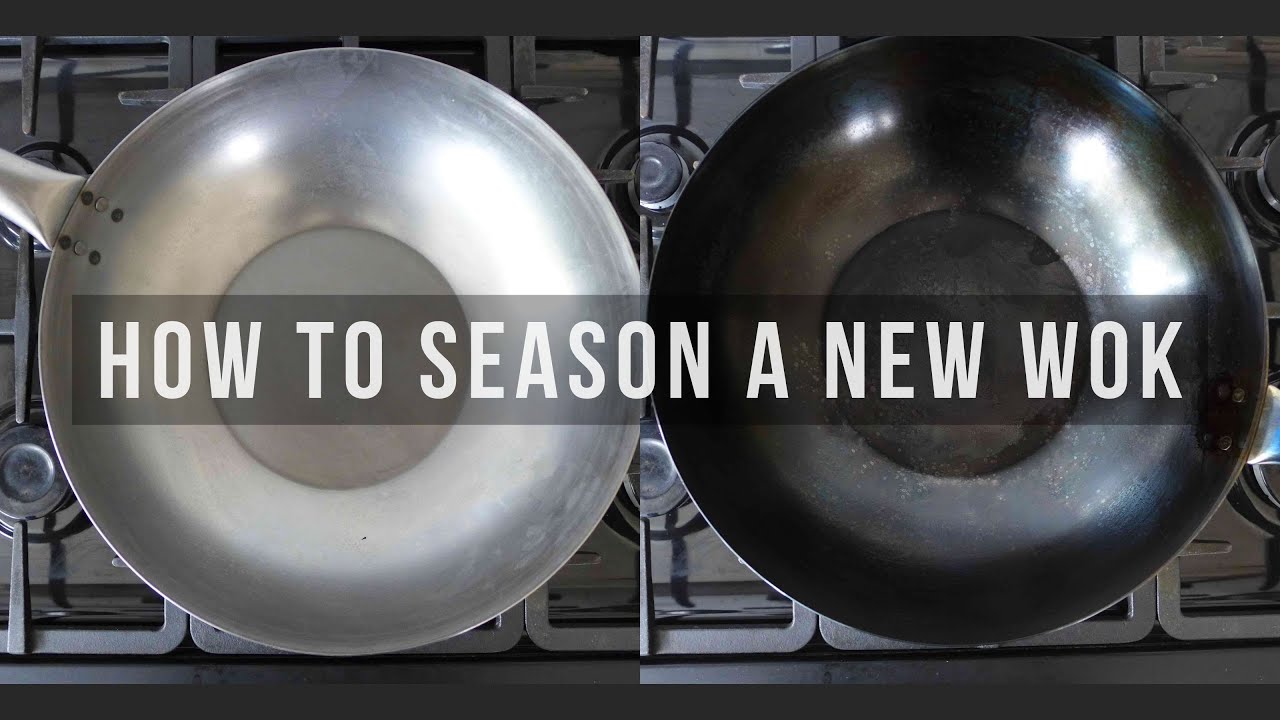
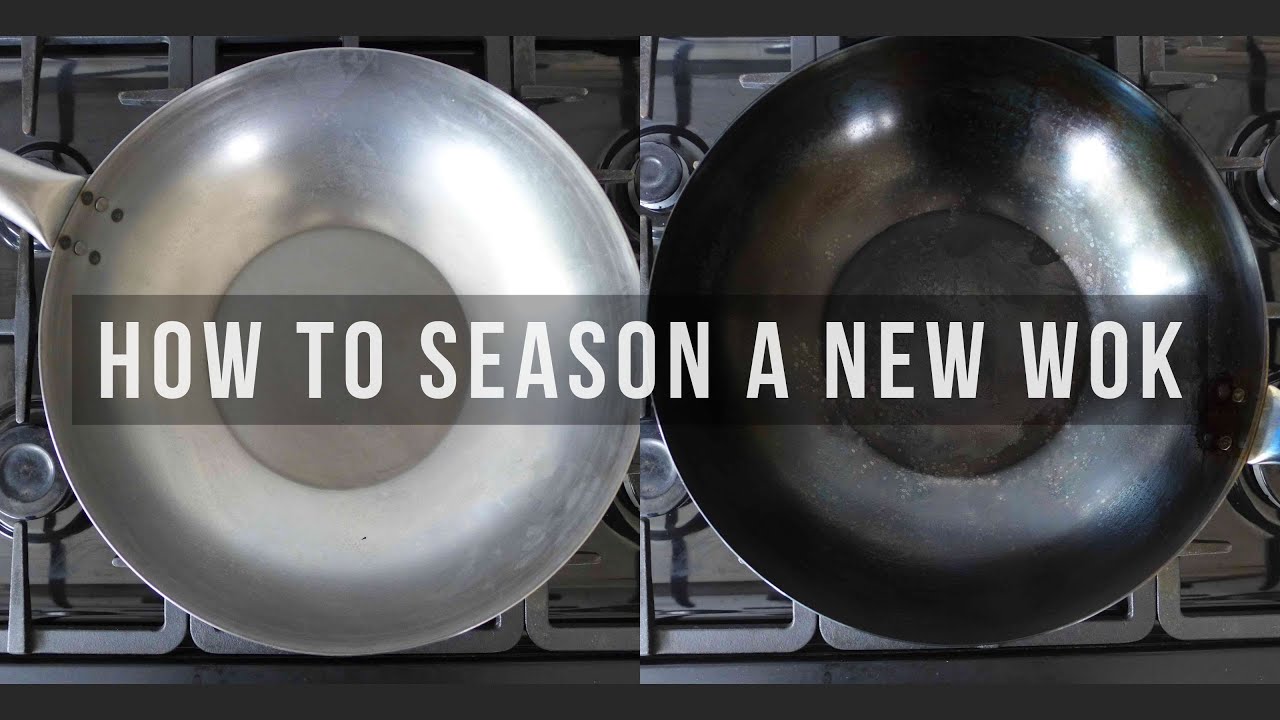
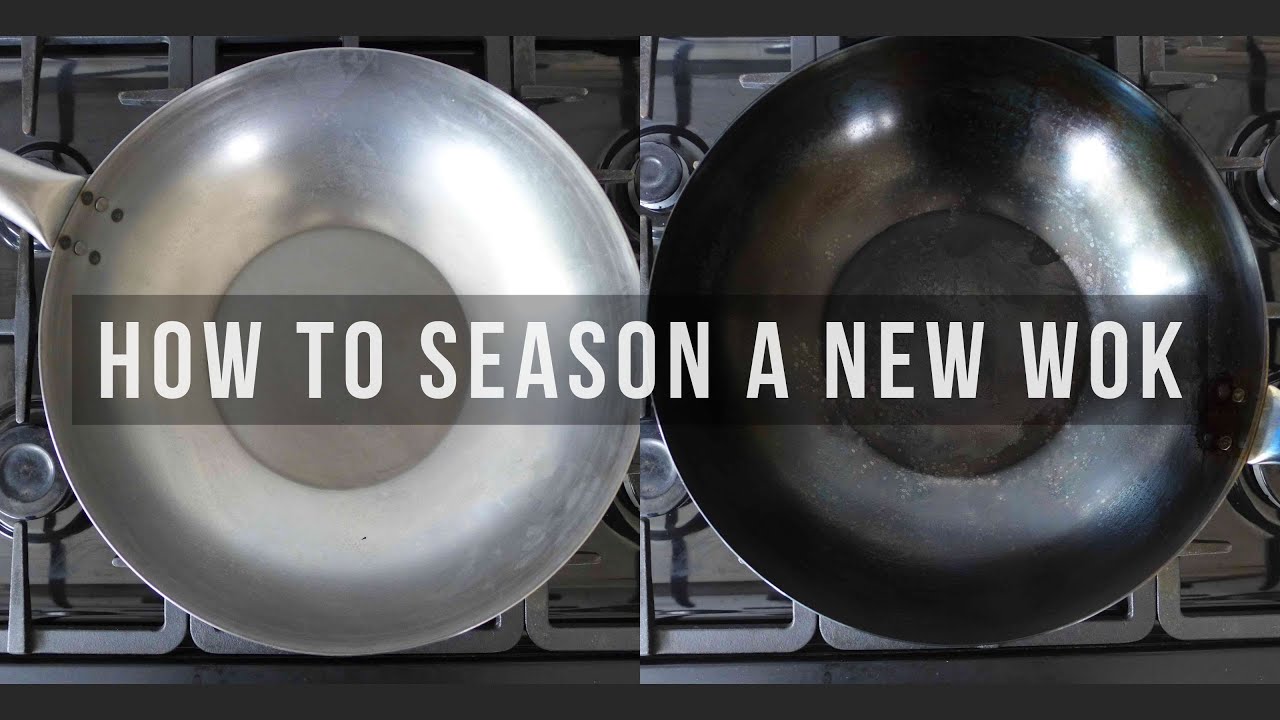
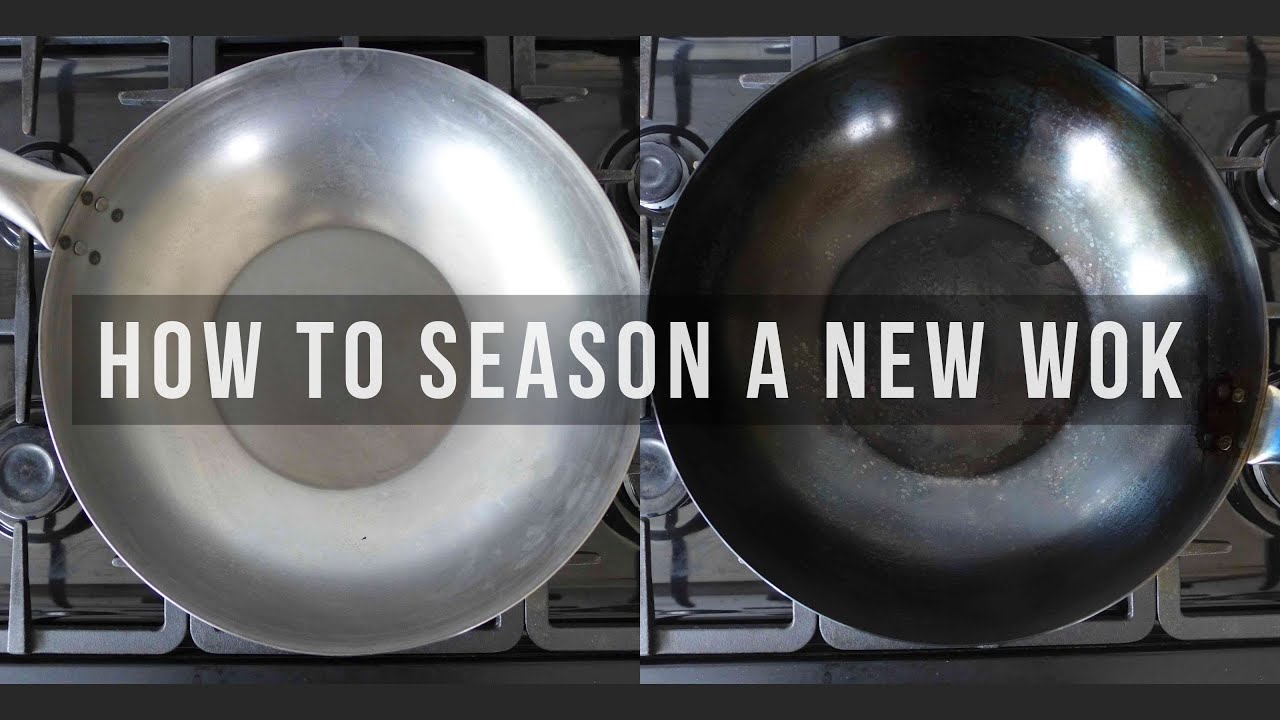
A new carbon steel wok is just a piece of raw metal until you season it. You're essentially baking a thin layer of oil onto the surface to create a natural non-stick coating. Unlike stainless steel, this surface gets better the more you use it, eventually giving your food that specific charred flavor you can't get from a Teflon pan.
The process is rooted in the wok’s material. Most woks are made of carbon steel, though cast iron woks exist. Carbon steel is ideal because it heats up quickly and responds to temperature changes beautifully. Cast iron holds heat incredibly well, but is slower to respond. Seasoning carbon steel creates a protective barrier against rust, but more importantly, it transforms the surface into something that actively contributes to the cooking process. A well-seasoned wok gets better with every stir-fry.
The goal is a dark, smooth surface. It takes time to get there, but once the metal turns black, it becomes almost entirely rust-proof and slick enough for delicate proteins. It isn't a one-time task; it's something that happens every time you stir-fry with a bit of oil.
What you need
Before you start, let's make sure you have everything on hand. You’ll obviously need the wok itself. A round-bottom wok is traditional, but flat-bottom woks are more stable on modern stoves. You’ll also need a heat source – gas is preferred for its even heat distribution, but electric and induction cooktops can work with some adjustments.
Oil is your primary seasoning agent. I recommend peanut oil, vegetable oil, or canola oil, as they have high smoke points. Avoid olive oil, as it has a lower smoke point and can become gummy. You’ll also need paper towels, a scrubbing brush or non-abrasive sponge, and dish soap for the initial cleaning. Finally, and crucially, good ventilation is a must – this process can create some smoke!
- Wok (carbon steel or cast iron)
- High smoke point oil (peanut, vegetable, canola)
- Paper towels
- Non-abrasive sponge or brush
- Dish soap
- Good ventilation (open windows, exhaust fan)
Seasoning Essentials
- Wok Selection - Ensure you have a carbon steel wok. Lodge and Craft Wok are popular brands known for quality.
- High Smoke Point Oil - Choose an oil with a high smoke point, such as peanut oil, canola oil, or avocado oil. These withstand high temperatures without breaking down.
- Heat Source - A powerful burner is crucial. A standard kitchen stove can work, but a high-output propane burner (like those used for turkey frying) accelerates the process.
- Protective Gear - Wear oven mitts or heat-resistant gloves. The wok handle gets extremely hot during seasoning.
- Ventilation - Proper ventilation is *essential*. Open windows and use a range hood to remove smoke. The seasoning process creates fumes.
- Paper Towels - Have plenty of paper towels readily available for applying and wiping oil. Avoid cloth towels as they can potentially ignite.
- Metal Spatula - A metal spatula is useful for spreading the oil and scraping the wok during the seasoning process. Wooden or silicone spatulas may not withstand the heat.
Scrub off the factory oil
This is a step you absolutely cannot skip. New woks are often coated with a protective oil to prevent rust during shipping and storage. This coating must be removed before you begin seasoning, or it will interfere with the process and result in a patchy, uneven patina. Fill your wok with hot, soapy water and scrub vigorously with a brush or sponge.
The difficulty of removing this coating varies. Some woks have a light coating that comes off easily, while others require some serious elbow grease. Don't be afraid to scrub hard! You'll know you've removed it when the water runs clear and the wok surface feels clean and bare. Rinse thoroughly and dry completely. I’ve even used a bit of baking soda mixed with the soap for particularly stubborn coatings.
If you’re struggling, consider heating the wok on the stove for a few minutes before scrubbing. The heat can help loosen the coating. Just be careful not to burn yourself. This initial cleaning is tedious, but it’s the foundation for a successful seasoning.
The first burn
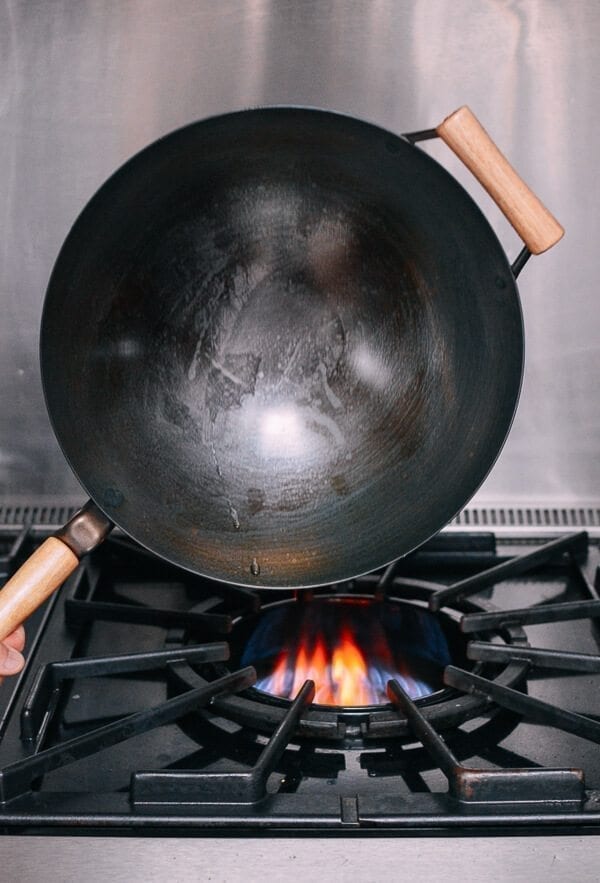
Now for the exciting part: the first burn. Place the clean, dry wok over high heat. You want it to get hot – really hot. Add about a tablespoon of oil and swirl it around to coat the entire surface. Continue heating until the oil begins to smoke and the wok starts to change color. You’ll notice patches of blue, grey, and even black appearing.
This color change is oxidation. The heat is causing the oil to polymerize, bonding with the metal and forming the first layer of seasoning. Keep swirling the wok to ensure even heating. If you see areas that aren’t changing color, direct the flame towards them (if you have a gas stove). Wipe away any excess oil with a paper towel – you want a thin, even coat.
Repeat this process several times, adding more oil as needed and continuing to heat until the entire surface has a consistent greyish-blue hue. Common mistakes include using too much oil (which can lead to a sticky mess) and not heating the wok enough (which won’t result in proper polymerization). If you're using an electric stove, rotating the wok frequently is vital to combat uneven heating. Don’t be discouraged if it looks a little rough at first – it will improve with subsequent layers.
- Heat the clean, dry wok over high heat.
- Add about a tablespoon of oil and swirl to coat.
- Heat until the oil smokes and the wok changes color.
- Wipe away excess oil with a paper towel.
- Repeat several times, adding oil as needed.
Subsequent Layers: Refining the Patina
Building up the seasoning is a gradual process. Subsequent layers are similar to the first burn, but less dramatic in terms of color change. Continue heating the wok with a thin coat of oil, wiping away any excess. With each layer, the patina will become darker, smoother, and more even. The ideal color is a deep, rich brown – almost black.
Regular use is the best way to maintain and improve your seasoning. Every time you cook with the wok, you're adding to the patina. Don’t be afraid to use it! If you accidentally burn off some seasoning (it happens!), simply repeat the first burn process to rebuild it. It’s far better to use the wok and re-season occasionally than to let it sit unused.
As you continue to cook, the wok will develop a beautiful, natural sheen. This is a sign that the seasoning is well-established. The wok will become increasingly non-stick and will impart a unique flavor to your food.
Fixing common mistakes
Seasoning isn't always smooth sailing. Rust spots can appear if the wok isn’t dried thoroughly. Scrub them away with steel wool, then re-season the affected area. Uneven seasoning is usually caused by uneven heating – rotate the wok more frequently and focus on areas that are slow to change color. Sticky spots are a result of using too much oil – wipe away the excess and continue heating.
Flaking can happen if the initial cleaning wasn’t thorough enough or if the seasoning layers are too thick. If the flaking is minor, you can often smooth it out by continuing to use the wok. If it’s severe, you may need to strip the seasoning and start over. To strip the seasoning, scrub the wok with steel wool and dish soap, then re-clean and re-season.
Rescuing a badly seasoned wok can be a lot of work, but it’s often worth it. Sometimes, the easiest solution is to start from scratch. Don’t be afraid to strip the seasoning and begin the process anew. A little patience and persistence will result in a wok that lasts a lifetime.
- Scrub rust spots with steel wool and re-season the bare metal.
- Uneven seasoning: Rotate wok frequently, focus on slow-to-change areas.
- If the surface is sticky, you used too much oil. Heat it until the smoke stops or scrub it back and try again with a thinner layer.
- Flaking: Smooth out with continued use or strip and re-season.
Wok Care: Maintaining Your Seasoning
Maintaining your seasoning is just as important as building it. Avoid using harsh detergents or abrasive scrubbers, as these can strip away the patina. After each use, rinse the wok with hot water and wipe it clean with a soft sponge or cloth. Avoid letting the wok soak in water for extended periods.
Drying is crucial. The best way to dry a wok is to heat it on the stove until all the water evaporates. This prevents rust from forming. Once dry, apply a very thin coat of oil to the surface – this helps maintain the patina and prevents rust. Store the wok in a dry place.
A little bit of oil after each use goes a long way. Don’t be afraid to use your wok frequently – the more you use it, the better the seasoning will become. Remember, a well-cared-for wok is a lifetime investment.
What oil do you prefer for seasoning your wok?
Seasoning a new wok is one of the most important steps to building that perfect non-stick patina. We want to know what the Hip Wok community reaches for when it is time to season. Vote below and share your experience in the comments!
No comments yet. Be the first to share your thoughts!