

The rise of vegan wok cooking
Plant-based eating is gaining traction, especially in Asian cuisine. While many once linked Asian food to fish sauce, shrimp paste, or meat, that's shifting. Cooks and restaurants are discovering how well Asian flavors pair with plant-based proteins and vegetables.
Wok cooking is a natural fit for this shift. Its high heat and quick stir-frying preserve vegetable texture and nutrients. This sauce-focused style allows for complex flavors without animal products. The wok's shape ensures even cooking and efficient tossing, coating everything in sauce.
Vegan Asian wok cooking is poised for growth. Vegan alternatives for sauces and proteins are more available, and demand is rising. Chefs and home cooks are also more confident experimenting with plant-based ingredients and creating new recipes.
Key vegan wok ingredients
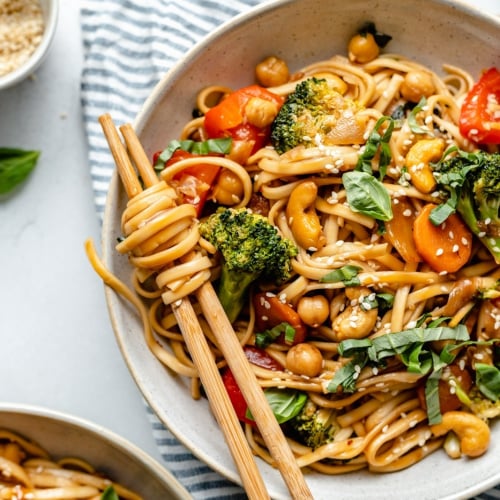
Creating a great vegan wok dish means thoughtfully replacing meat with ingredients that offer unique textures and flavors. Tofu is a staple. Firm and extra-firm tofu work well in stir-fries, holding their shape and absorbing marinades. Silken tofu suits sauces or creamy dishes, while smoked tofu adds depth.
Tempeh and seitan are also excellent protein sources. Tempeh, made from fermented soybeans, offers a nutty flavor and chewy texture. Seitan, from wheat gluten, is versatile and can mimic meat texture well. Mushrooms like shiitake, oyster, and king oyster mushrooms, with their meaty stems, are great substitutes for chicken or pork.
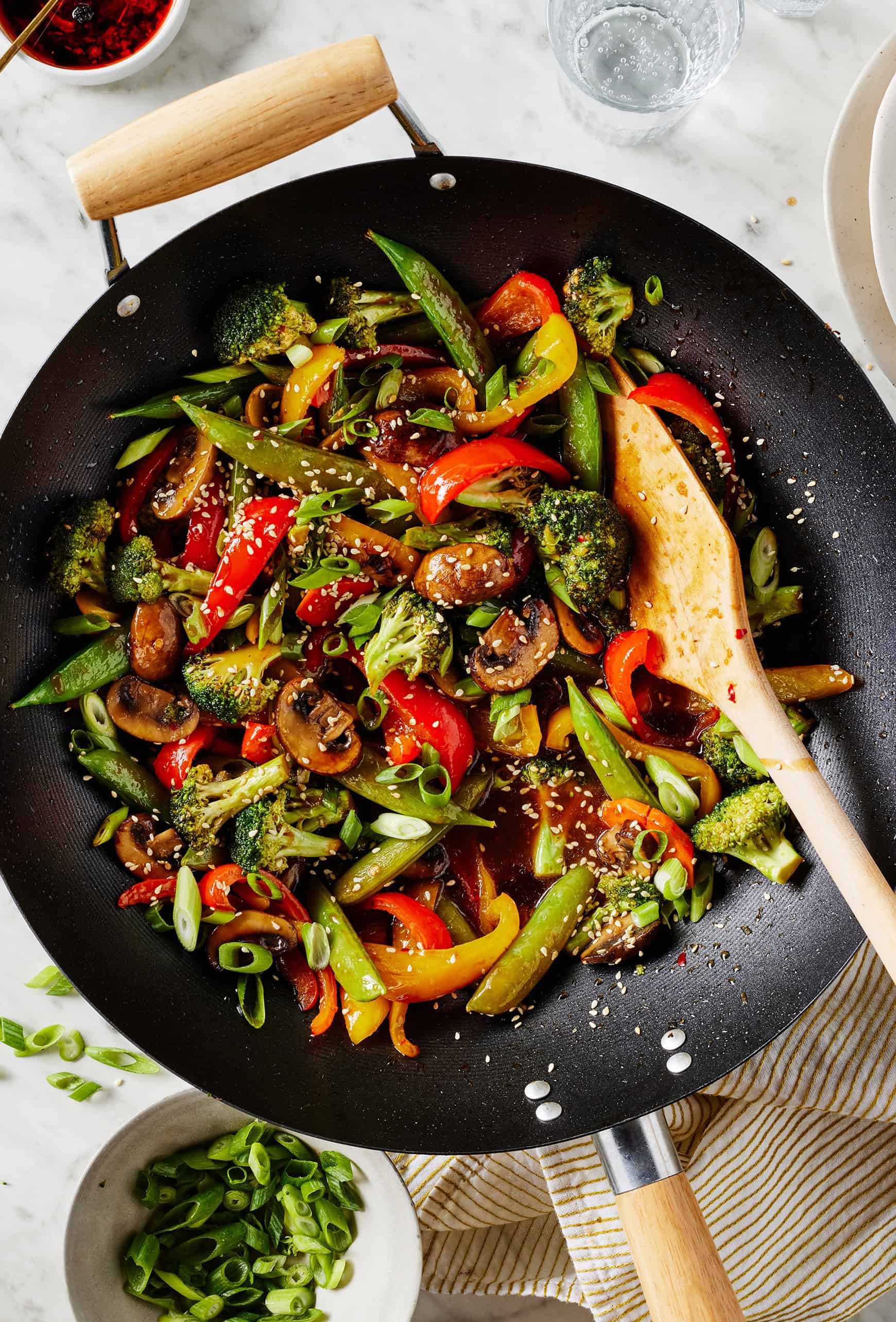
Get creative with vegetables like bok choy, gai lan (Chinese broccoli), and napa cabbage, which are Asian cuisine staples and work well in a wok. Broccoli, carrots, bell peppers, and snap peas are also good choices. Sauces tie dishes together. Soy sauce, hoisin sauce, and chili bean paste are essential. Vegan oyster sauce alternatives using mushrooms and molasses are promising.
10 vegan wok recipes
These recipes showcase creative vegan wok cooking, offering authentic flavors adapted for a plant-based diet. They are delicious meals, not just substitutions.
1. Mapo Tofu (Sichuan): This classic Sichuan dish is already naturally vegetarian, but many traditional recipes use a bit of ground pork. This version utilizes finely diced king oyster mushrooms for a similar texture and umami flavor, along with the signature fiery chili bean paste and Sichuan peppercorns. It’s a real flavor bomb.
Recipe: Ingredients: 1 block firm tofu, 8oz king oyster mushrooms, 2 tbsp chili bean paste, 1 tbsp Sichuan peppercorns, 1 tbsp soy sauce, 1 tsp sugar, 2 cloves garlic, 1 inch ginger. Instructions: Dice tofu and mushrooms. Sauté garlic and ginger, add chili bean paste and mushrooms, cook 5 mins. Add tofu, soy sauce, sugar, and water. Simmer until thickened. Garnish with Sichuan peppercorns.
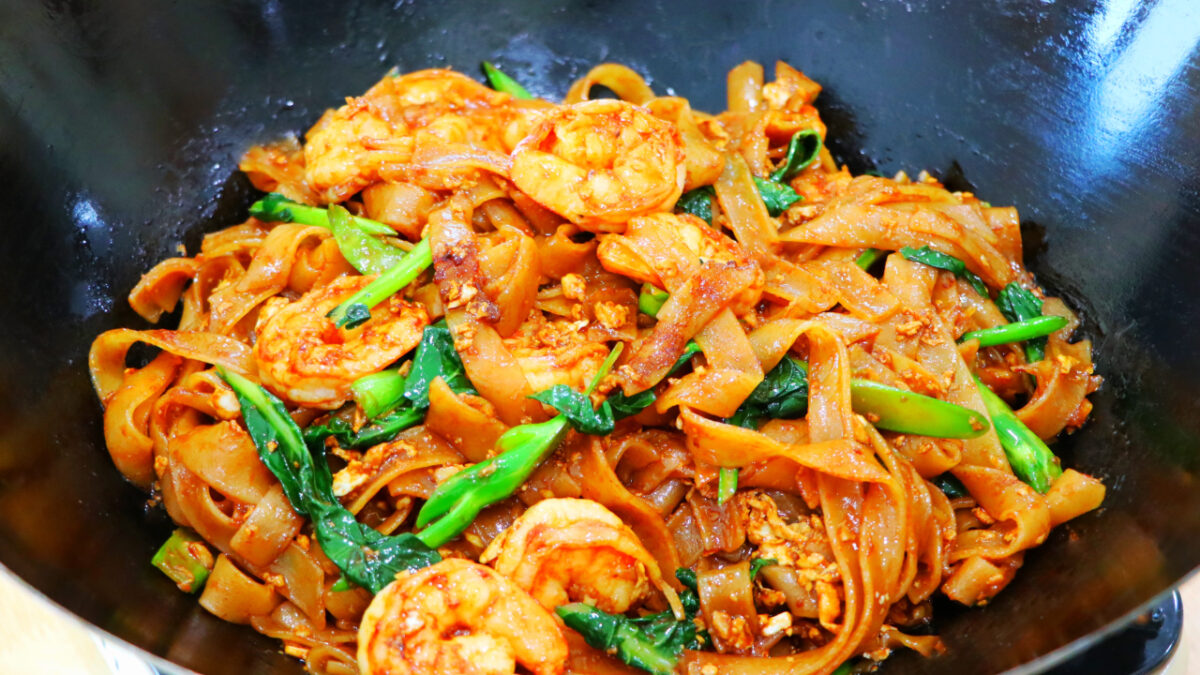
2. Vegan Pad See Ew (Thai): This popular Thai noodle dish typically includes chicken or pork. Here, we use smoked tofu for a smoky flavor and add plenty of Chinese broccoli and egg replacement for a satisfying texture. A good dark soy sauce is key for the characteristic color and sweetness.
3. Char Siu Tofu (Cantonese): Achieving that signature sweet and savory Char Siu flavor with tofu requires a good marinade with hoisin sauce, five-spice powder, and a touch of maple syrup. Baking the tofu before stir-frying helps it develop a nice caramelized exterior.
4. Korean Japchae (Glass Noodles): This vibrant Korean noodle dish is easily veganized by simply omitting the beef. The star of the show is the glass noodles (sweet potato noodles) tossed with colorful vegetables and a sesame-soy sauce.
5. Singapore Noodles: A flavorful mix of rice noodles, curry powder, vegetables, and sometimes shrimp or pork, Singapore Noodles are easily adapted by replacing the meat with fried tofu or tempeh.
6. Dan Dan Noodles (Veganized): This Sichuan street food classic gets a vegan makeover with a spicy sesame sauce, preserved vegetables, and finely chopped greens. Using a plant-based ground "pork" alternative can add a satisfying texture.
7. Kung Pao 'Chicken' (using mushrooms or seitan): King oyster mushrooms or seitan work particularly well in this spicy Sichuan dish. The key is to get a good sear on the mushrooms or seitan to create a slightly chewy texture.
8. Vegetable Lo Mein: A classic takeout favorite, Lo Mein is easily made vegan with a generous helping of vegetables and a flavorful soy-based sauce. Adding some fried tofu or tempeh provides extra protein.
9. Vietnamese Lemongrass Tofu: Marinating firm tofu in lemongrass, garlic, and soy sauce before stir-frying creates a fragrant and flavorful dish that's perfect with rice and fresh herbs.
10. Fusion: Spicy Peanut Noodles with Edamame and Mango: This dish combines the flavors of Thai peanut sauce with the freshness of mango and the protein of edamame. It’s a great example of how to get creative with vegan wok cooking.
Wok heat and vegan cooking
High heat is absolutely critical in wok cooking. It’s not just about speed; it’s about achieving wok hei – that slightly smoky, charred flavor that’s so characteristic of authentic stir-fries. With vegan ingredients, understanding how different vegetables react to this high heat is crucial.
Some vegetables, like leafy greens (bok choy, spinach), need very short cooking times – just a quick toss to wilt them. Others, like carrots and broccoli, benefit from a bit longer cooking to caramelize and develop sweetness. Mushrooms, in particular, thrive under high heat, becoming beautifully browned and savory. It's important to add ingredients in the right order, starting with those that need the longest cooking time.
Don't be afraid to really get the wok hot before adding oil. A properly heated wok will immediately sizzle when oil is added. Achieving wok hei with plant-based ingredients might require a slightly different approach than with meat – you might need to push the heat a little higher or use a slightly different oil – but the result is well worth the effort. It can be a game-changer in taking vegan wok cooking to the next level.
Seasoning your wok: a vegan approach
Seasoning a wok creates a non-stick surface, important for vegan dishes to prevent sticking. This process involves heating the wok, coating it with oil, and letting it cool to create polymerized oil layers.
Peanut oil is traditional for seasoning woks, but vegetable or canola oil also work. Use an oil with a high smoke point. Blending oils can add flavor complexity. After each use, clean the wok gently with hot water and a soft sponge to preserve the seasoning.
Step-by-step guide: 1. Scrub the wok clean with hot, soapy water. 2. Heat the wok over high heat until it turns blue. 3. Add a tablespoon of oil and swirl to coat the entire surface. 4. Continue heating until the oil starts to smoke. 5. Remove from heat and let cool completely. Repeat this process several times to build up a good seasoning.
Troubleshooting vegan wok dishes
Even with the best techniques, things can sometimes go wrong. Soggy vegetables are a common problem – make sure your wok is hot enough and don’t overcrowd it. Work in batches if necessary. Bland sauces can be fixed with a little extra soy sauce, chili bean paste, or a squeeze of lime juice.
Sticking food is usually a sign that your wok isn’t properly seasoned or that you didn’t use enough oil. Uneven cooking can be addressed by stirring frequently and ensuring that all ingredients are cut into similar sizes. Don't be afraid to adjust the heat as needed – sometimes a lower heat is better for delicate vegetables.
FAQ: Why are my vegetables mushy? Your wok wasn't hot enough or you overcooked them. My sauce is too thin. Simmer for longer to reduce it, or add a cornstarch slurry. Food is sticking to the wok. Season your wok better and use enough oil.
Standout vegan wok recipes
From the recipes we covered, a few really stand out as particularly innovative and promising. The Vegan Char Siu Tofu is a real crowd-pleaser – the marinade is incredibly flavorful and the texture is surprisingly similar to the traditional pork dish.
The Mapo Tofu with king oyster mushrooms is also a standout. The mushrooms provide a satisfying meaty texture and absorb the spicy sauce beautifully. It’s a dish that even meat-eaters will enjoy. Finally, the Spicy Peanut Noodles with Edamame and Mango offer a unique fusion of flavors that’s both refreshing and satisfying.
For the Char Siu Tofu, try adding a pinch of smoked paprika to the marinade for an even deeper smoky flavor. For the Mapo Tofu, don’t be shy with the Sichuan peppercorns – they’re what give the dish its signature numbing sensation. And for the Peanut Noodles, experiment with different types of mango – Ataulfo mangoes are particularly sweet and creamy.
No comments yet. Be the first to share your thoughts!