

Woks do more than stir-fry
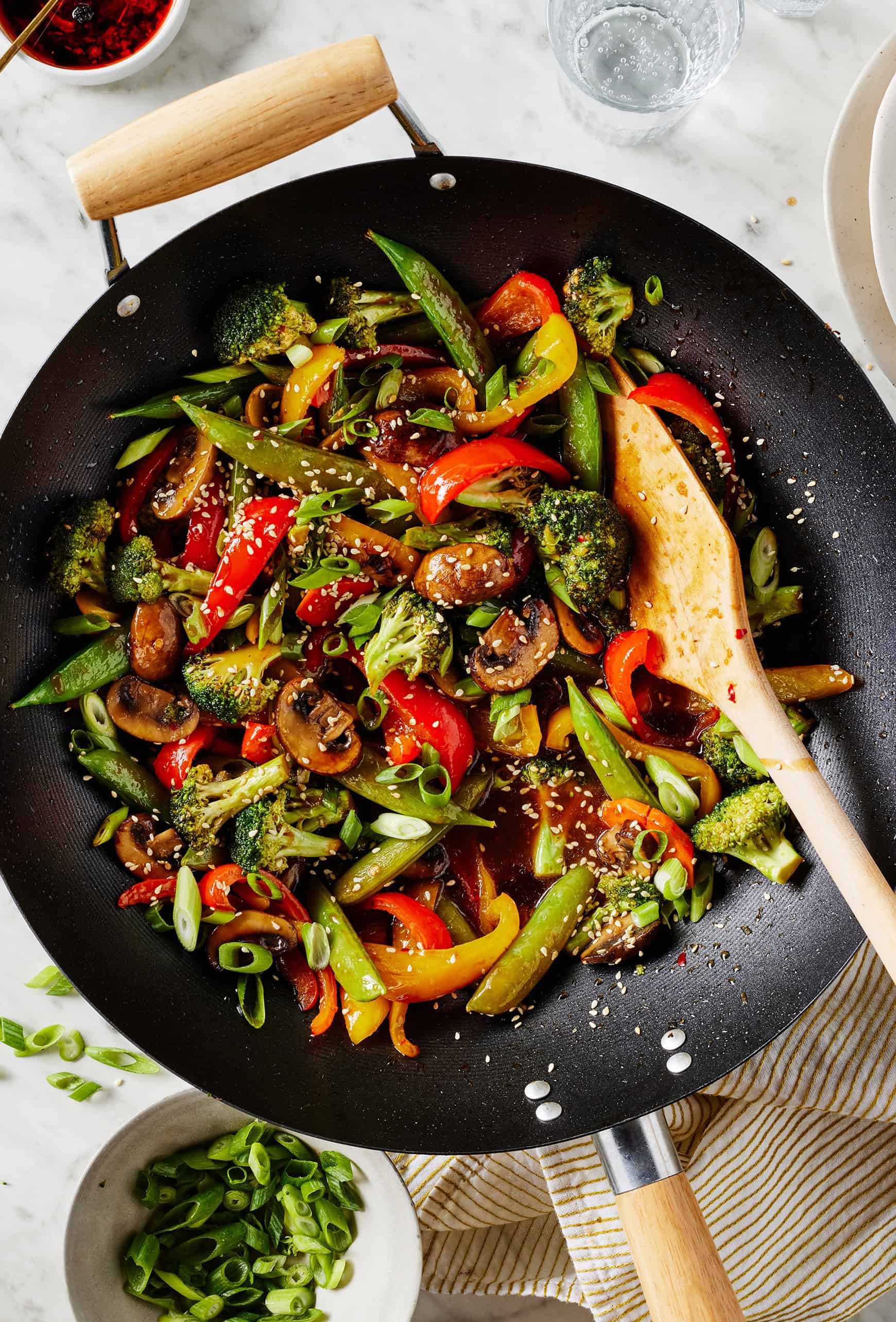
A wok is more than a stir-fry pan. I use mine to steam dumplings, fry spring rolls, and even smoke meat. Because the sides are high, you can build sauces right in the pan without splashing oil everywhere.
The shape of the wok – its sloping sides and rounded bottom – isn’t just aesthetic. It creates different heat zones, allowing you to control the cooking process with precision. Ingredients closer to the center cook faster, while those pushed up the sides stay warmer. This is something flat-bottomed pans simply can’t replicate.
You can find decent carbon steel woks almost anywhere now, and most grocery stores carry the basic aromatics like ginger and fermented bean paste. It's the fastest way I know to get dinner on the table when I'm tired.
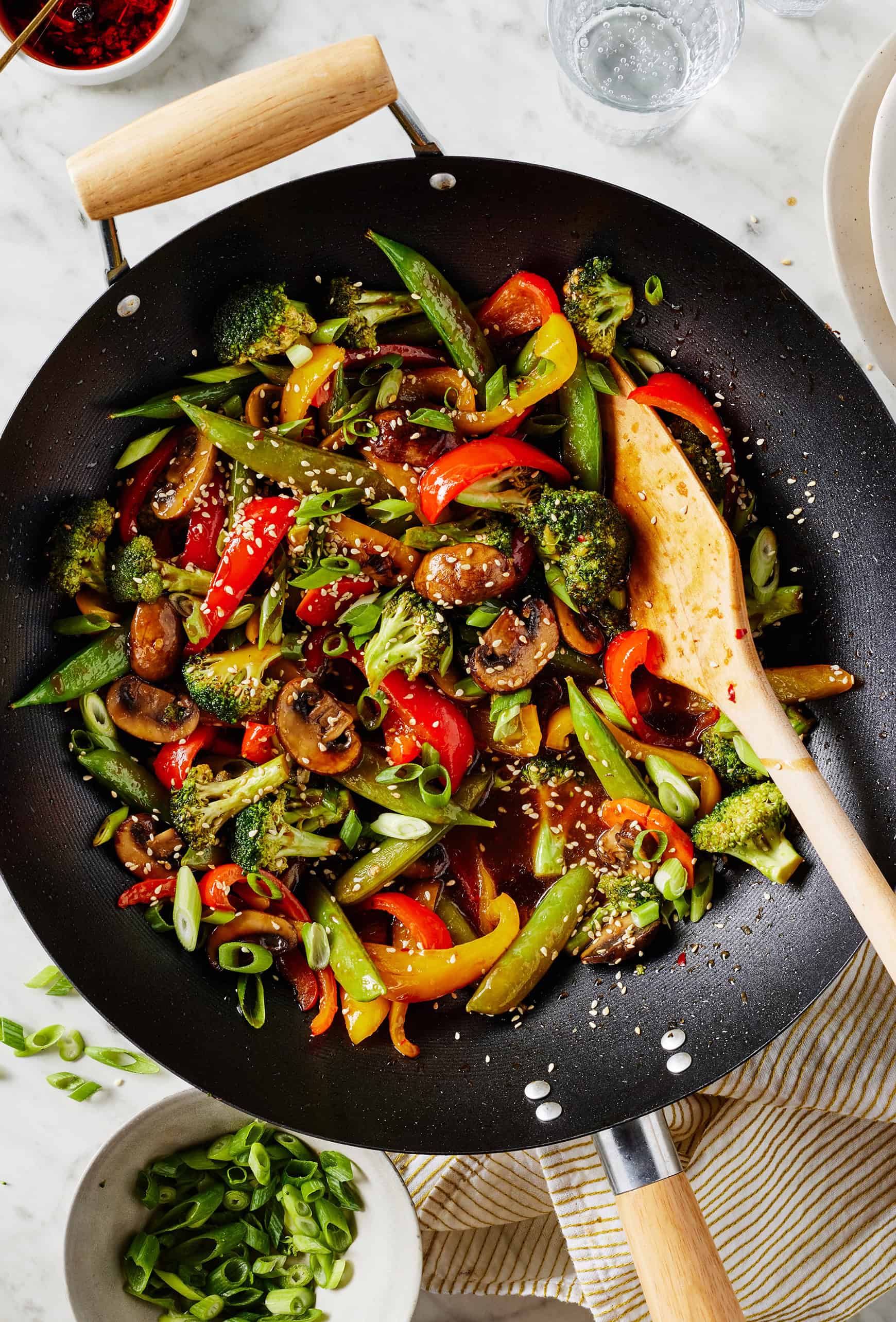
15 Recipes, 15 Minutes
These recipes are designed for busy weeknights. They prioritize speed without sacrificing flavor. I’ve focused on dishes that require minimal prep and cook quickly over high heat. Don’t be afraid to adjust seasonings to your taste – that’s part of the fun!
Here are 15 recipes to get you started. Times are approximate and assume you have ingredients prepped (chopped vegetables, marinated protein). I'm aiming for dishes that can genuinely be on the table in under 15 minutes.
- 1. Garlic Shrimp: Sauté shrimp with garlic, ginger, and a splash of soy sauce. Serve over rice. (8 minutes)
- 2. Beef and Broccoli: Thinly sliced beef, broccoli florets, and a simple oyster sauce-based sauce. (12 minutes)
- 3. Chicken and Cashew: Diced chicken, cashews, and a sweet and savory sauce. (10 minutes)
- 4. Spicy Tofu and Green Beans: Crispy tofu and green beans tossed in a chili garlic sauce. (11 minutes)
- 5. Pork and Ginger: Ground pork stir-fried with ginger, scallions, and a touch of soy sauce. (9 minutes)
- 6. Egg Drop Soup: A classic comfort food, ready in minutes. (5 minutes)
- 7. Sesame Noodles: Cooked noodles tossed in a sesame paste, soy sauce, and vinegar sauce. (7 minutes)
- 8. Chicken Chow Mein: Noodles with chicken and assorted vegetables in a savory sauce. (14 minutes)
- 9. Shrimp Fried Rice: Classic fried rice with shrimp, peas, and carrots. (13 minutes)
- 10. Sweet and sour chicken: Fried chicken chunks tossed in a vinegar and sugar glaze. (15 minutes)
- 11. Mapo Tofu (Quick Version): Silken tofu in a spicy, fermented bean paste sauce. (12 minutes)
- 12. Ginger Scallion Noodles: Noodles tossed with a fragrant ginger-scallion oil. (8 minutes)
- 13. Black Bean Chicken: Chicken stir-fried with fermented black beans and garlic. (10 minutes)
- 14. Kung Pao Chicken (Simplified): A faster take on the classic, using pre-made chili sauce. (14 minutes)
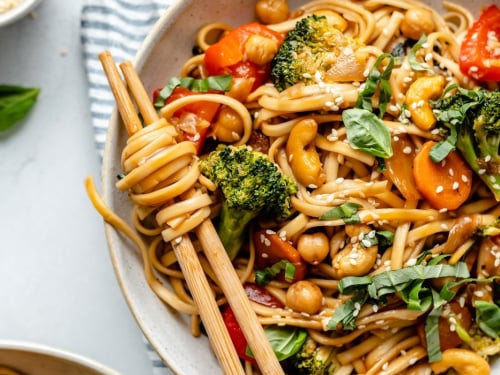
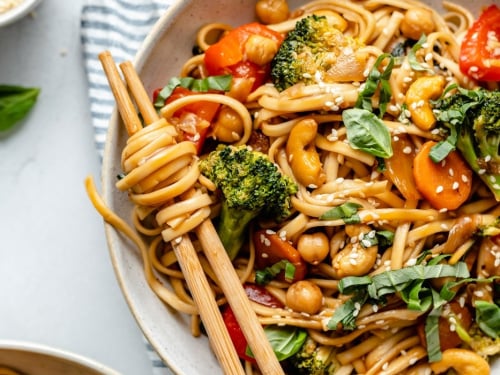
- 15. Vegetable Lo Mein: Noodles with a medley of colorful vegetables in a light sauce. (11 minutes)
Steel vs. non-stick
Choosing the right wok material is a big decision. Carbon steel is the traditional choice, prized for its responsiveness and ability to get incredibly hot. It requires seasoning – a process of coating the wok with oil and heating it to create a natural non-stick surface. Stainless steel woks are durable and easier to maintain, but don’t heat up quite as quickly or evenly as carbon steel.
Cast iron woks are very heavy and retain heat exceptionally well. They also require seasoning, similar to carbon steel. Non-stick woks are convenient for beginners, but the coating can degrade over time, and they generally don't handle high heat as well. I personally recommend starting with carbon steel if you're serious about wok cooking, but non-stick can be a good entry point.
Marion’s Kitchen offers a MAKO Black Steel Wok Kit, which is a good option for those starting with carbon steel. It often includes everything you need to get started, including oil and instructions. While there are many options, finding a well-made carbon steel wok is a solid investment. Be prepared for a learning curve with seasoning, but the results are worth it.
Wok Material Comparison
| Material | Heating Speed | Responsiveness | Maintenance | Typical Cost |
|---|---|---|---|---|
| Carbon Steel | 5 stars | 5 stars | Requires seasoning and careful cleaning to prevent rust. | Moderate |
| Stainless Steel | 3 stars | 3 stars | Dishwasher safe, relatively easy to clean. | Moderate to High |
| Non-Stick | 4 stars | 2 stars | Easy cleaning, but coating can degrade over high heat. | Low to Moderate |
| Cast Iron | 2 stars | 3 stars | Heavy, requires seasoning, retains heat exceptionally well. | Moderate |
Illustrative comparison based on the article research brief. Verify current pricing, limits, and product details in the official docs before relying on it.
How to season your pan
New carbon steel woks come with a factory oil that you have to scrub off first. Use hot soapy water and a bit of elbow grease, then dry it on the stove to make sure every drop of water is gone.
Next, heat the wok over medium-high heat until it turns blue. This is normal – it's the wok's protective coating burning off. Add a tablespoon of high smoke point oil (peanut, canola, or vegetable oil work well) and rub it into every surface of the wok, including the sides. Continue heating until the oil starts to smoke, then remove from heat.
Repeat this process several times, applying thin layers of oil and heating until smoking. The wok will gradually darken with each layer. A well-seasoned wok will have a dark, almost black patina. Common mistakes include using too much oil, not heating the wok enough, and not cleaning it properly after each use. Regular use also helps maintain the seasoning.
Essential Wok Accessories
While a wok is the star, a few accessories can significantly enhance your cooking experience. A wok spatula (chuan) is essential for scooping and stirring ingredients. Its curved shape fits perfectly into the wok’s contours. A wok ladle (hoak) is ideal for serving sauces and liquids.
A heat-resistant mat is a good idea to protect your countertop from heat. If you have an electric stove, a wok ring can help stabilize the wok and distribute heat more evenly. However, you don't need to buy everything at once. Start with the spatula and ladle – those are the most crucial.
Don't feel pressured to invest in a lot of fancy equipment right away. A good wok and a spatula are enough to get you started. You can always add more accessories as you become more comfortable with wok cooking.
Essential Wok Accessories for Speedy Weeknight Meals
Includes wok spatula and ladle · Durable stainless steel construction · Ergonomic handles for comfortable grip
This Ken Hom utensil set provides the essential tools for flipping, stirring, and serving your stir-fry with ease, crucial for quick weeknight cooking.
Deep bowl for scooping liquids and solids · Extended handle for safe distance from heat · Durable stainless steel construction
A long-handled wok ladle is indispensable for safely and efficiently adding sauces or broth to your wok without getting too close to the high heat.
Provides stable support for round-bottom woks · Made of durable steel · Designed to fit most standard gas stove grates
This steel wok ring ensures your round-bottom wok sits securely and evenly on your gas stove, preventing spills and allowing for consistent heat distribution.
Protects countertops from hot woks · Made of food-grade silicone · Non-slip surface for added safety
A heat-resistant mat is vital for safely placing your hot wok down between cooking steps, protecting your surfaces and preventing accidents.
As an Amazon Associate I earn from qualifying purchases. Prices may vary.
Heat and movement
Wok cooking is all about speed and high heat. The key is to have everything prepped and ready to go before you start cooking. This ensures that ingredients cook quickly and evenly. Maintaining high heat is essential for achieving that characteristic "wok hei" – a slightly smoky, charred flavor that's highly sought after.
Proper oil usage is also important. You want enough oil to coat the wok and prevent sticking, but not so much that the food becomes greasy. The technique of tossing and stirring ingredients is crucial. Use a quick, circular motion to keep the food moving and prevent it from burning.
Think of the wok as a dynamic cooking environment. Ingredients are constantly moving between different heat zones. Mastering these techniques takes practice, but the results – flavorful, perfectly cooked dishes – are well worth the effort. Don’t be afraid to experiment and find what works best for you.
No comments yet. Be the first to share your thoughts!