

Understanding the Fundamentals: Carbon Steel vs Cast Iron Woks
When selecting the best woks for home cooking in 2024, the material choice fundamentally shapes your culinary experience. The debate between carbon steel and cast iron woks has intensified as home cooks increasingly seek restaurant-quality results in their kitchens. This comprehensive wok cooking guide will help you navigate the critical differences between these two popular materials.

Both materials have earned their place in professional kitchens and home cooking environments, but understanding their distinct characteristics is essential for making an informed decision. The choice between a carbon steel wok and a cast iron wok ultimately depends on your cooking style, physical capabilities, and culinary goals.
Weight and Handling Characteristics
The most immediately noticeable difference when choosing a wok lies in weight distribution and maneuverability. Carbon steel woks typically weigh between 2-4 pounds for a 14-inch diameter, making them significantly lighter than their cast iron counterparts, which can weigh 6-10 pounds for similar sizes.
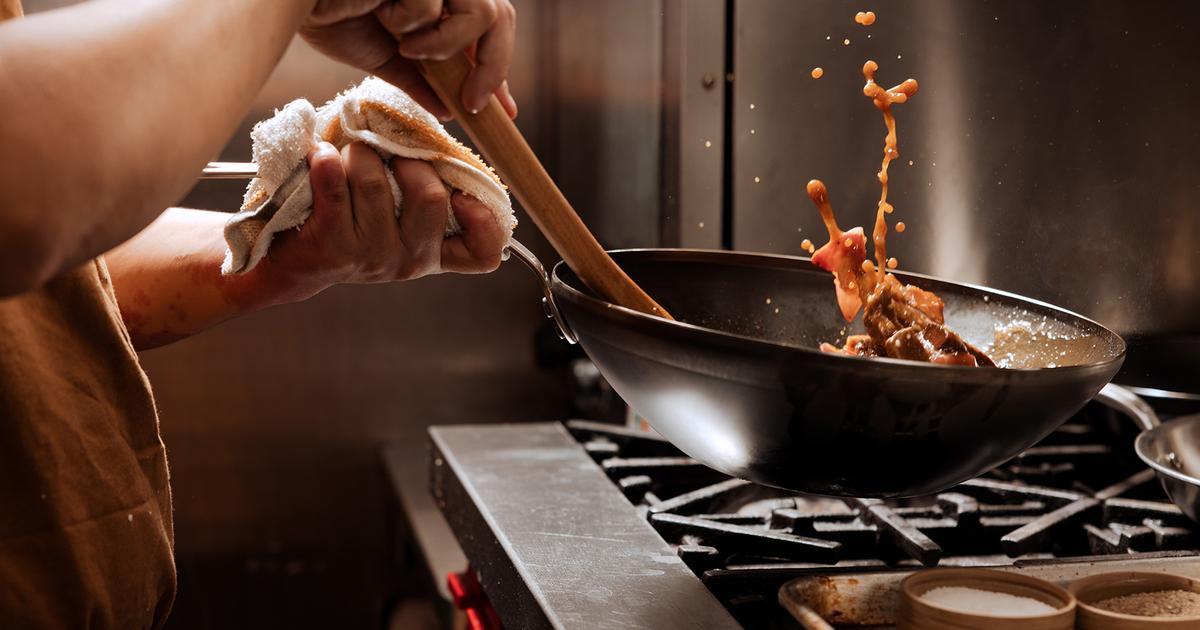
This weight differential directly impacts cooking techniques. Carbon steel's lighter construction enables the classic wok hei technique – the rapid tossing and stirring motions that create the distinctive "breath of the wok" flavor profile. Home cooks can comfortably execute single-handed tosses and quick ingredient additions without experiencing arm fatigue during extended cooking sessions.
Cast iron woks, while heavier, provide exceptional stability on the stovetop. This weight becomes advantageous for braising, deep-frying, or any cooking method requiring sustained heat without movement. However, the increased weight can limit the dynamic cooking techniques that define traditional wok cooking.
Heat Distribution and Thermal Properties
Understanding thermal behavior is crucial when evaluating these materials. Carbon steel woks excel in rapid heat response, heating quickly and cooling down just as fast. This responsiveness allows for precise temperature control – essential for achieving proper searing while preventing overcooking of delicate vegetables.
Carbon Steel vs Cast Iron Woks: Heat Performance Comparison
| Performance Metric | Carbon Steel Wok | Cast Iron Wok | Best Use Case |
|---|---|---|---|
| Heat-up Time | 2-3 minutes | 8-12 minutes | Carbon steel for quick cooking |
| Cool-down Time | 3-4 minutes | 15-20 minutes | Carbon steel for temperature control |
| Heat Retention | Low to moderate | Excellent | Cast iron for braising and slow cooking |
| Temperature Responsiveness | Immediate | Gradual | Carbon steel for stir-frying |
| Wall Thickness | 1.5-2mm | 4-6mm | Carbon steel for wok hei technique |
| Weight Range | 2-4 lbs | 8-15 lbs | Carbon steel for tossing motions |
| Temperature Zones | Distinct hot/cool areas | Even heat distribution | Carbon steel for varied cooking techniques |
| Energy Efficiency | High | Moderate | Carbon steel for gas stoves |
The thin walls of carbon steel woks, typically 1.5-2mm thick, create distinct temperature zones across the cooking surface. The bottom maintains intense heat for searing proteins, while the sloped sides provide cooler areas for gentle warming or holding cooked ingredients. This temperature gradient is fundamental to authentic stir-fry technique.
Cast iron woks demonstrate superior heat retention capabilities due to their thermal mass. Once heated, they maintain consistent temperatures longer, making them excellent for dishes requiring steady, even heat. However, this same thermal mass means longer preheating times and slower temperature adjustments during cooking.
Seasoning and Maintenance Considerations
Both materials require seasoning to develop non-stick properties and prevent rust, but their maintenance approaches differ significantly. Carbon steel woks season more quickly, often developing a functional patina after just a few cooking sessions. The thinner material allows oils to polymerize more readily, creating that coveted black, glossy finish that improves with use.
Cast iron woks require more patience during the seasoning process due to their thickness and density. However, once properly seasoned, they maintain their non-stick surface longer between maintenance sessions. The robust construction can withstand more aggressive cleaning methods if re-seasoning becomes necessary.
Carbon Steel vs Cast Iron Woks: Price and Performance Comparison 2024
| Price Range | Carbon Steel Options | Cast Iron Options | Weight (14-inch) | Heat Response Time |
|---|---|---|---|---|
| Entry-Level ($30-60) | Joyce Chen Classic Carbon Steel, Craft Wok Traditional Hand Hammered | Lodge Pro-Logic Cast Iron, Victoria Cast Iron | 2.5-3.5 lbs | 30-45 seconds |
| Mid-Range ($60-120) | Wok Shop Carbon Steel, Made In Carbon Steel Wok | Finex Cast Iron Wok, Le Creuset Wok | 3-4 lbs | 45-60 seconds |
| Premium ($120-300) | Mauviel M'Steel, De Buyer Mineral B Element | Smithey Cast Iron Wok, Field Company Cast Iron | 3.5-4.5 lbs | 60-90 seconds |
| Seasoning Maintenance | Re-season every 2-3 months with regular use | Re-season every 4-6 months with regular use | N/A | N/A |
| Maximum Safe Temperature | 1200°F on gas burners | 800°F recommended for longevity | N/A | N/A |
| Dishwasher Safe | Hand wash only recommended | Hand wash only recommended | N/A | N/A |
The seasoning process for both materials involves similar steps: cleaning, heating, applying thin oil layers, and allowing polymerization. However, carbon steel's responsiveness means you'll see results faster, while cast iron's stability means those results last longer with proper care.
Durability and Longevity
When investing in cookware for long-term use, durability becomes paramount. Carbon steel woks, while thinner, demonstrate remarkable resilience when properly maintained. Their flexibility allows them to withstand thermal shock better than more rigid materials, and minor dents or scratches don't significantly impact performance.
Cast iron woks represent the ultimate in cookware longevity. Their substantial construction can last generations with proper care, often improving with age as the seasoning deepens. However, they're more susceptible to cracking from thermal shock or damage from drops due to their brittle nature.
As we delve deeper into specific cooking applications and performance metrics in the following sections, these fundamental differences will help guide your decision-making process for selecting the ideal wok for your home kitchen in 2024.
Performance Analysis: Heat Distribution and Cooking Capabilities
The performance characteristics of carbon steel woks and cast iron woks differ significantly in how they handle heat distribution, temperature control, and cooking versatility. Understanding these differences is crucial when choosing a wok that matches your cooking style and kitchen setup.
Heat Distribution Patterns
Carbon steel woks excel in creating the traditional wok hei (breath of the wok) due to their superior heat conductivity. The thin walls of a carbon steel wok allow for rapid temperature changes, enabling the high-heat searing that creates the characteristic smoky flavor in authentic stir-fry dishes. This responsiveness makes carbon steel ideal for quick cooking techniques where precise temperature control is essential.
Cast iron woks, conversely, provide exceptional heat retention once heated properly. While they take longer to reach cooking temperature, cast iron woks maintain consistent heat throughout the cooking surface, making them excellent for braising, slow-cooking, and dishes requiring steady, even heat distribution.
Cooking Technique Suitability
The material properties directly impact which cooking techniques work best with each wok type. Carbon steel woks shine in high-heat applications such as stir-frying, where the ability to quickly adjust temperatures prevents overcooking delicate vegetables while achieving proper searing on proteins. The lighter weight also facilitates the traditional tossing motion essential for proper stir-fry technique.
Cast iron woks demonstrate superior performance in slower cooking methods. Their heat retention makes them ideal for braised dishes, soups, and recipes requiring consistent temperature over extended periods. However, the heavier weight can make traditional wok techniques more challenging for some home cooks.
Maintenance and Durability Considerations
Both materials require seasoning to develop non-stick properties and prevent rust, but their maintenance needs differ substantially. Carbon steel develops seasoning more quickly and requires less oil for maintenance. The thinner material also means faster drying after washing, reducing rust risk when properly cared for.
Cast iron requires more careful maintenance due to its thickness and weight. While extremely durable once properly seasoned, cast iron woks need thorough drying and occasional re-seasoning to maintain their cooking surface. The trade-off is exceptional longevity when properly maintained.
Price and Value Analysis
Cost considerations play a significant role in choosing a wok for home cooking. Carbon steel woks typically offer better value for most home cooks, providing professional-level performance at moderate prices. Quality carbon steel woks range from budget-friendly options to premium models, making them accessible across various price points.
Cast iron woks generally command higher prices due to manufacturing complexity and material costs. However, their exceptional durability can make them cost-effective over decades of use. The initial investment is higher, but the longevity often justifies the expense for serious home cooks.
Home Kitchen Compatibility
Modern home kitchens present unique challenges that influence wok selection. Carbon steel woks work effectively on various cooktop types, including gas, electric, and induction surfaces. Their lighter weight makes them easier to store and handle in typical home kitchen setups.
Cast iron woks require consideration of cooktop capacity and storage solutions due to their substantial weight. While they work on all cooktop types, their thermal mass may overwhelm smaller burners, and their weight requires sturdy storage solutions.
The choice between carbon steel and cast iron ultimately depends on your cooking priorities, physical capabilities, and kitchen setup. Carbon steel offers versatility and ease of use for most home cooking applications, while cast iron provides unmatched heat retention for specific cooking styles. Understanding these performance differences ensures you select the best wok for your culinary goals and cooking environment.
Making the Right Choice: Practical Recommendations and Budget Considerations
After examining the fundamental differences and performance characteristics of carbon steel woks and cast iron woks, the final decision in choosing a wok comes down to your specific cooking style, budget, and kitchen setup. This comprehensive wok cooking guide concludes with practical recommendations to help you select from the best woks available in 2024.
Decision Matrix: Which Wok Suits Your Cooking Style
Your cooking preferences should drive your material choice. Carbon steel excels for high-heat stir-frying, quick searing, and techniques requiring frequent tossing and movement. The lightweight nature makes it ideal for beginners learning proper wok techniques and experienced cooks who prepare multiple dishes in succession.
Cast iron woks shine in slow-cooking applications, braising, and recipes requiring sustained heat retention. They work exceptionally well for deep-frying due to superior temperature stability and are perfect for cooks who prefer set-and-forget cooking methods.
Budget Analysis and Value Considerations
Price points vary significantly between materials and brands. Entry-level carbon steel woks start around $30-50, while professional-grade options range from $80-150. Cast iron alternatives typically cost $40-80 for quality pieces, with premium enameled versions reaching $120-200.
Consider long-term value beyond initial cost. Carbon steel woks, when properly maintained, can last decades and actually improve with use as seasoning develops. Cast iron offers similar longevity but requires more consistent maintenance to prevent rust and maintain seasoning.
Maintenance and Care Requirements
Both materials demand proper seasoning and care, but with different approaches. Carbon steel requires initial seasoning and periodic re-seasoning, especially after cooking acidic foods. The process is straightforward: clean thoroughly, heat until smoking, apply thin oil layer, and repeat.
Cast iron maintenance involves similar principles but with greater sensitivity to moisture and acidic ingredients. Immediate drying after washing and regular oil application prevent rust formation. Both materials benefit from frequent use, which naturally maintains and improves seasoning.
Size and Shape Considerations
Wok diameter significantly impacts cooking performance. For most home kitchens, 12-14 inch woks provide optimal balance between cooking capacity and stovetop compatibility. Carbon steel's lighter weight makes larger sizes more manageable, while cast iron's heft may necessitate smaller diameters for comfortable handling.
Round-bottom woks offer traditional advantages for gas stoves with wok rings, while flat-bottom designs work better on electric and induction cooktops. Consider your stovetop type when making material and shape decisions.
Final Recommendations
For most home cooks in 2024, carbon steel represents the optimal choice. Its versatility, lighter weight, and superior heat responsiveness make it ideal for learning and mastering wok techniques. The Joyce Chen Classic Series and Made In Carbon Steel Wok consistently rank among top performers.
Choose cast iron if you prioritize heat retention for braising, prefer heavier cookware for stability, or frequently cook for large groups. The Lodge Cast Iron Wok and Staub Cast Iron Wok offer excellent performance in this category.
Ultimately, both materials can produce exceptional results when matched to appropriate cooking styles and properly maintained. Your choice should align with your cooking preferences, physical comfort with weight, and commitment to maintenance routines. Either option will serve you well for years of delicious wok cooking adventures.
No comments yet. Be the first to share your thoughts!