

Wok Material Face-Off: Why Carbon Steel and Cast Iron Still Matter in 2026
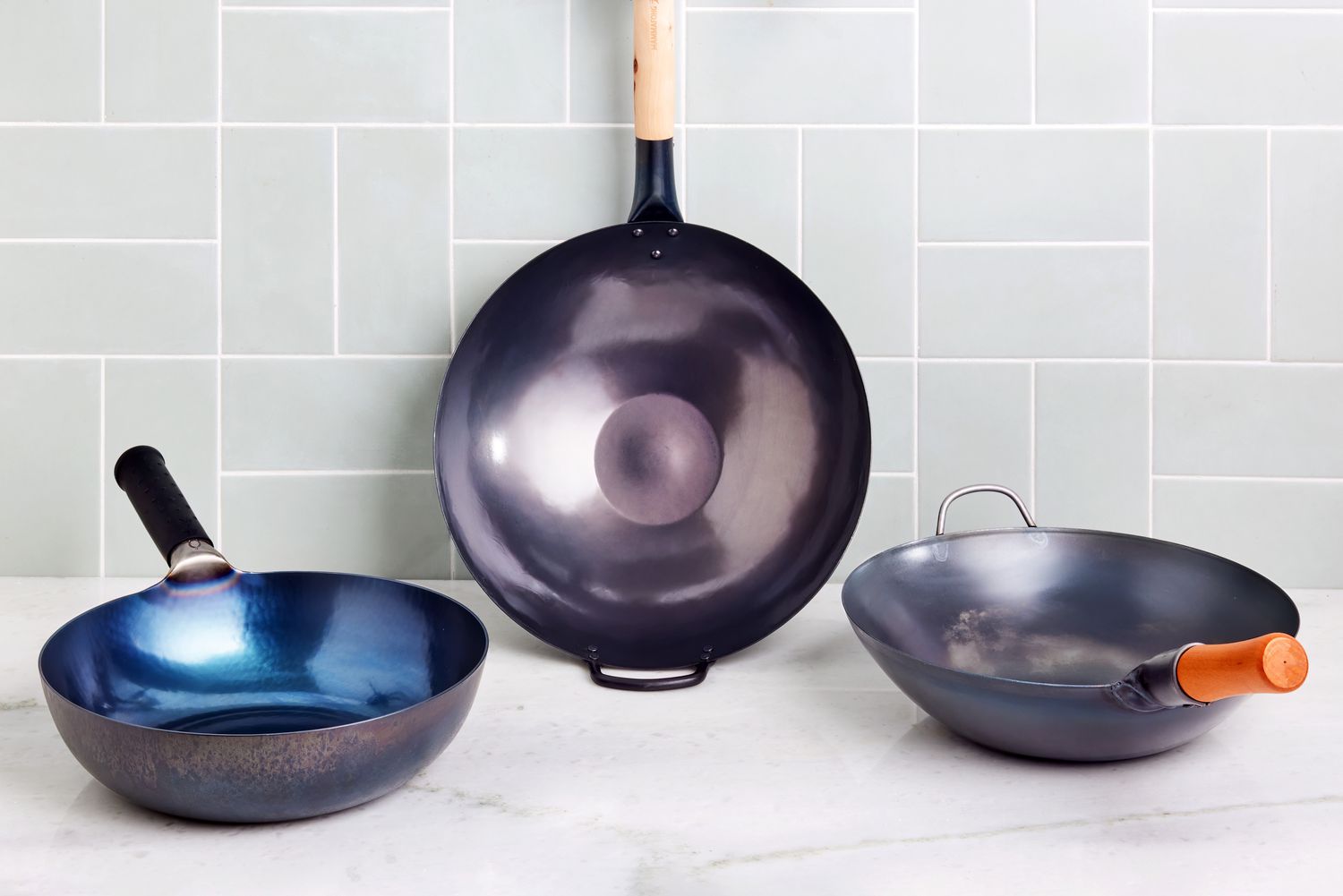
For centuries, the wok has been the heart of kitchens across Asia. It’s more than just a pan; it’s a vessel that embodies a cooking technique. The sloping sides, the rounded bottom – these aren't accidental. They’re designed to maximize heat exposure and allow for efficient stir-frying, steaming, and deep-frying. While stainless steel and non-stick woks have gained some traction, carbon steel and cast iron remain the gold standard for serious cooks.
The reasons are simple: heat control and durability. Other materials often lack the responsiveness or the ability to withstand the intense temperatures needed for authentic wok cooking. Stainless steel, for instance, doesn’t distribute heat evenly, and non-stick coatings can break down at high heat. Carbon steel and cast iron, when properly seasoned, offer a naturally non-stick surface and the ability to handle extreme temperatures.
The history of the wok is deeply intertwined with Chinese cuisine, dating back over 2,000 years. Originally designed for efficient cooking over wood or coal fires, the wok’s shape minimized fuel consumption and maximized cooking surface. Over time, its use spread throughout Asia, adapting to different regional cuisines and cooking styles. From Cantonese stir-fries to Indonesian curries, the wok has proven its versatility.
A renewed interest in traditional cooking methods is evident in 2026, with the wok at the forefront. People seek tools that connect them with culinary heritage and create authentic flavors. The choice between carbon steel and cast iron depends on personal preference and cooking style.
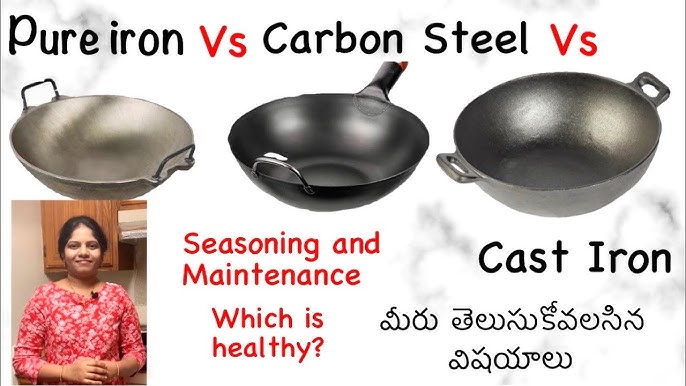
Carbon Steel Woks: The Speedy, Responsive Workhorse
Carbon steel is a popular choice for wok cooking for a reason. It’s an alloy primarily composed of iron and carbon – typically less than 2.1% carbon – which gives it a unique combination of strength and responsiveness. Unlike cast iron, carbon steel heats up quickly and cools down relatively fast, allowing for precise temperature control. This is essential for stir-frying, where you need to rapidly adjust the heat to prevent burning.
The lighter weight of carbon steel (typically 2-3 pounds) is another significant advantage. It’s much easier to maneuver and toss ingredients, which is a key technique in many Asian cuisines. A heavy cast iron wok can be difficult to maneuver early in a cooking journey; carbon steel often feels more like an extension of the arm. However, this responsiveness comes with a trade-off.
Carbon steel is more prone to warping than cast iron, especially if it’s subjected to sudden temperature changes or uneven heating. This is why proper seasoning and preheating are so crucial. A well-seasoned carbon steel wok develops a naturally non-stick surface that protects the metal and prevents food from sticking. The seasoning process takes time and effort, but it's well worth it. Consistent use and gentle cleaning are the best ways to maintain a good seasoning.
When choosing a carbon steel wok, look for one that’s at least 14-gauge steel for durability. A round-bottom wok is ideal for gas stoves, while a flat-bottom wok is better suited for electric or induction cooktops. Brands like Craft Wok and Mather are consistently recommended by experienced cooks. A wooden handle is a nice touch, as it stays cooler than a metal handle.
The responsiveness of carbon steel isn't just about speed; it's about control. You can quickly recover from adding cold ingredients, preventing a temperature drop that would ruin a stir-fry. This makes it ideal for dishes requiring constant attention and quick adjustments, such as Mapo Tofu and Kung Pao Chicken.
Carbon steel is susceptible to rust if not properly dried and oiled after each use. This requires extra care; wiping the wok down with a little oil after washing and storing it in a dry place helps prevent rust.
- Pros: Quick heating, responsive temperature control, lightweight, relatively easy to maneuver.
- Cons: Prone to warping, susceptible to rust, requires regular seasoning and maintenance.
Cast Iron Woks: The Heat Retainer with Serious Heft
Cast iron woks offer a different set of advantages. Unlike carbon steel, cast iron excels at heat retention. Once it’s hot, it stays hot, providing a consistent cooking temperature even when cold ingredients are added. This makes it a great choice for dishes that require sustained high heat, like deep-frying or searing. It also means it’s incredibly durable – a well-maintained cast iron wok can last for generations.
However, that heat retention comes at a cost: cast iron heats up very slowly. It takes time to bring a cast iron wok up to temperature, and it requires a more powerful burner to maintain that heat. The weight is another significant drawback. Cast iron woks are significantly heavier than carbon steel woks, making them more challenging to maneuver and toss ingredients. This can be particularly difficult for smaller cooks.
Rust is also a concern with cast iron, but it’s generally easier to manage than with carbon steel. A thick layer of seasoning provides a protective barrier against moisture. Cast iron may not be the best choice for everyday stir-frying, but it can be excellent for certain applications, such as making crispy fried chicken.
If you do choose a cast iron wok, look for one that’s pre-seasoned. This will save you a lot of time and effort. Lodge is a well-known and respected brand for cast iron cookware. Make sure to season it further to build up a good protective layer. Also, be aware that cast iron can react with acidic foods, so avoid cooking tomato-based sauces or other acidic dishes in it for extended periods.
Despite the drawbacks, some cooks swear by cast iron woks. They appreciate the even heating and the ability to achieve a deep, dark sear. It really comes down to your cooking style and preferences. If you prioritize heat retention and durability over speed and maneuverability, cast iron might be a good fit.
Carbon Steel vs. Cast Iron Woks: A Comparison for Home Cooks (2026)
| Criteria | Carbon Steel | Cast Iron |
|---|---|---|
| Heat-up Time | High | Low |
| Heat Retention | Medium | High |
| Weight | Medium | High |
| Responsiveness | High | Low |
| Seasoning Difficulty | Medium | Medium |
| Rust Resistance | Low | Medium |
| Price | Medium | Medium |
Illustrative comparison based on the article research brief. Verify current pricing, limits, and product details in the official docs before relying on it.
Seasoning 101: Building a Non-Stick Surface That Lasts
Seasoning is the most important step in caring for both carbon steel and cast iron woks, creating a polymerized layer of oil that protects the metal from rust and provides a naturally non-stick surface. The process is similar for both materials, with some key differences.
For carbon steel, start with a thorough cleaning to remove any manufacturing residue. Then, heat the wok over high heat until it turns blue to open the pores of the metal. Apply a thin, even coat of oil (peanut, vegetable, or canola oil are good choices) and heat the wok again until it smokes. Repeat this process several times to build up a good base layer.
Cast iron requires a more extensive initial seasoning process. Many pre-seasoned cast iron woks are available, but I still recommend adding several additional layers of seasoning. The oven method is particularly effective for cast iron. Apply a thin coat of oil, wipe off the excess, and bake the wok upside down at 450-500°F for an hour. Repeat this process 3-4 times.
Maintaining the seasoning is just as important as creating it. After each use, clean the wok with hot water and a soft sponge (avoid soap!), dry it thoroughly, and apply a thin coat of oil. Heating the wok briefly after oiling helps maintain the seasoning. If rust appears, scrub it off with steel wool and re-season the affected area.
Troubleshooting is inevitable. If food starts sticking, the seasoning is likely wearing thin; re-season the wok. White spots may indicately rust. Scrub it off and re-season. If the seasoning is uneven, you can try to even it out by heating the wok and applying oil.
- Step 1: Clean the wok thoroughly.
- Step 2: Heat the wok until it turns blue (carbon steel) or apply pre-seasoning (cast iron).
- Step 3: Apply a thin, even coat of oil.
- Step 4: Heat the wok until it smokes.
- Step 5: Repeat steps 3 and 4 several times.
- Step 6: Maintain the seasoning after each use.
Top Wok Picks for 2026: Our Recommendations (Based on Testing)
Based on reviews from Serious Eats and Food Network, here are some top wok picks for 2026. Prices can vary, but I'll provide approximate ranges as of late 2025.
Carbon Steel Woks: The Craft Wok Traditional Hand Hammered Carbon Steel Pow Wok (14-inch, $80-$120) consistently ranks high in tests. Serious Eats praised its responsiveness and even heating. The Yosukata Carbon Steel Wok Pan (14-inch, $60-$90) is a more affordable option that still performs well. Food Network recommends it for its durability and ease of use. For a slightly heavier-duty option, the Mather Carbon Steel Wok (14-inch, $150-$200) is a solid choice.
Cast Iron Woks: The Lodge Cast Iron Wok (13.25-inch, $50-$80) is a popular and affordable option. It’s pre-seasoned, making it a good starting point for beginners. It's a bit heavy, but it offers excellent heat retention. If you're willing to spend more, the Victoria Cast Iron Wok (14-inch, $120-$180) is known for its superior quality and even heating. It's also pre-seasoned and features a comfortable wooden handle.
When selecting a wok, consider your stove type. Round-bottom woks require a wok ring for stability on flat-top stoves. Flat-bottom woks are more versatile and can be used on any type of stovetop. Don't skimp on quality – a well-made wok will last for years and provide a much better cooking experience.
I personally recommend starting with a carbon steel wok if you’re new to wok cooking. It’s more forgiving and easier to learn with. But if you prioritize heat retention and durability, a cast iron wok is a great investment. Remember to factor in your budget and cooking style when making your decision.
- Craft Wok (Carbon Steel): $80-120
- Yosukata (Carbon Steel): $60-90
- Mather (Carbon Steel): $150-200
- Lodge (Cast Iron): $50-80
- Victoria (Cast Iron): $120-180
Top Woks for Your Home Kitchen: Carbon Steel & Cast Iron Picks
14-inch diameter, ideal for family-sized portions · Made from heavy-gauge carbon steel for superior heat distribution · Features a flat bottom for stability on electric and gas stoves
This Ken Hom wok is a fantastic entry-level option, offering professional-grade performance at an accessible price point for home cooks.
Hand-hammered carbon steel construction for optimal heat control · Traditional round bottom with a flat base adapter included · Durable riveted wooden handle for a comfortable grip
For those seeking an authentic stir-fry experience, this hand-hammered wok from The Wok Shop provides exceptional heat responsiveness and durability.
Pre-seasoned cast iron for a natural non-stick surface · Excellent heat retention for consistent cooking temperatures · Sturdy construction designed for longevity
The Lodge Cast Iron Wok offers unparalleled heat retention, making it perfect for searing and achieving a deep, satisfying crust on ingredients.
Hand-hammered carbon steel, 1.5mm thick for superior durability · Round bottom design for authentic wok cooking (requires a wok ring) · Comfortable wooden handle and helper handle for secure lifting
This professional-grade, hand-hammered wok from Craft Wok is built for serious home cooks who demand the best in heat control and authentic performance.
14-inch flat bottom carbon steel wok · Includes a domed lid for steaming and braising · Features a long, stay-cool handle and a helper handle
The Joyce Chen Pro Carbon Steel Wok is a versatile choice, offering excellent heat conductivity and the convenience of an included lid for expanded cooking possibilities.
As an Amazon Associate I earn from qualifying purchases. Prices may vary.
Beyond Stir-Fry: Surprising Things You Can Cook in a Wok
While woks are renowned for stir-frying, their versatility extends far beyond that. The shape and heat distribution make them ideal for a wide range of cooking techniques. Steaming is a natural fit – simply add a steaming rack and water to the wok, and you can steam vegetables, dumplings, or fish.
Deep-frying is another area where a wok excels. The deep, sloped sides minimize oil splatter, and the wok’s ability to maintain a consistent temperature ensures crispy, evenly cooked food. I’ve made everything from tempura to fried chicken in my wok with excellent results.
You can even use a wok for smoking food. Add wood chips to the bottom of the wok and cover it tightly to create a makeshift smoker. This is a great way to add smoky flavor to meats and vegetables. I once smoked a whole chicken in my wok, and it was incredibly flavorful.
Making sauces directly in the wok is also a convenient and efficient technique. The high heat allows you to quickly reduce and thicken sauces, creating complex flavors in a short amount of time. I often make stir-fry sauces directly in the wok before adding the other ingredients.
I’ve even experimented with making pasta sauces in my wok. The shape of the wok allows you to easily toss the pasta and sauce together, ensuring that everything is evenly coated. Don't be afraid to experiment – the wok is a surprisingly versatile cooking tool. It’s an investment that will pay off in countless delicious meals.
Care and Maintenance: Keeping Your Wok in Prime Condition
Proper care and maintenance are essential for extending the life of your wok. The cardinal rule is to avoid soap! Soap can strip away the seasoning, leaving the wok vulnerable to rust. Instead, clean the wok with hot water and a soft sponge immediately after use.
Dry the wok thoroughly with a towel, and then heat it briefly on the stovetop to ensure that all moisture is evaporated. After drying, apply a thin coat of oil to prevent rust. This is particularly important for carbon steel woks.
If rust does develop, don’t panic. Scrub it off with steel wool and re-season the affected area. Regular seasoning will help to prevent rust from forming in the first place. Avoid storing the wok in a damp place.
One common mistake people make is using abrasive cleaners or scouring pads. These can damage the seasoning and scratch the surface of the wok. Stick to hot water and a soft sponge. Another mistake is letting the wok sit with food residue in it for an extended period. Clean it immediately after use.
By following these simple care and maintenance tips, you can keep your wok in prime condition for years to come. It's an investment that deserves a little attention, and it will reward you with countless delicious meals.
- Do: Clean with hot water and a soft sponge.
- Do: Dry thoroughly and oil after each use.
- Do: Re-season as needed.
- Don't: Use soap or abrasive cleaners.
- Don't: Let food residue sit for long periods.
No comments yet. Be the first to share your thoughts!