

Carbon Steel Woks: Why Now?
There's a real energy around wok cooking these days. What was once considered a specialized technique is now popping up in home kitchens everywhere, and for good reason. It’s fast, versatile, and produces incredibly flavorful food. The key to unlocking that potential? A good wok, and increasingly, cooks are recognizing that carbon steel is the material to have.
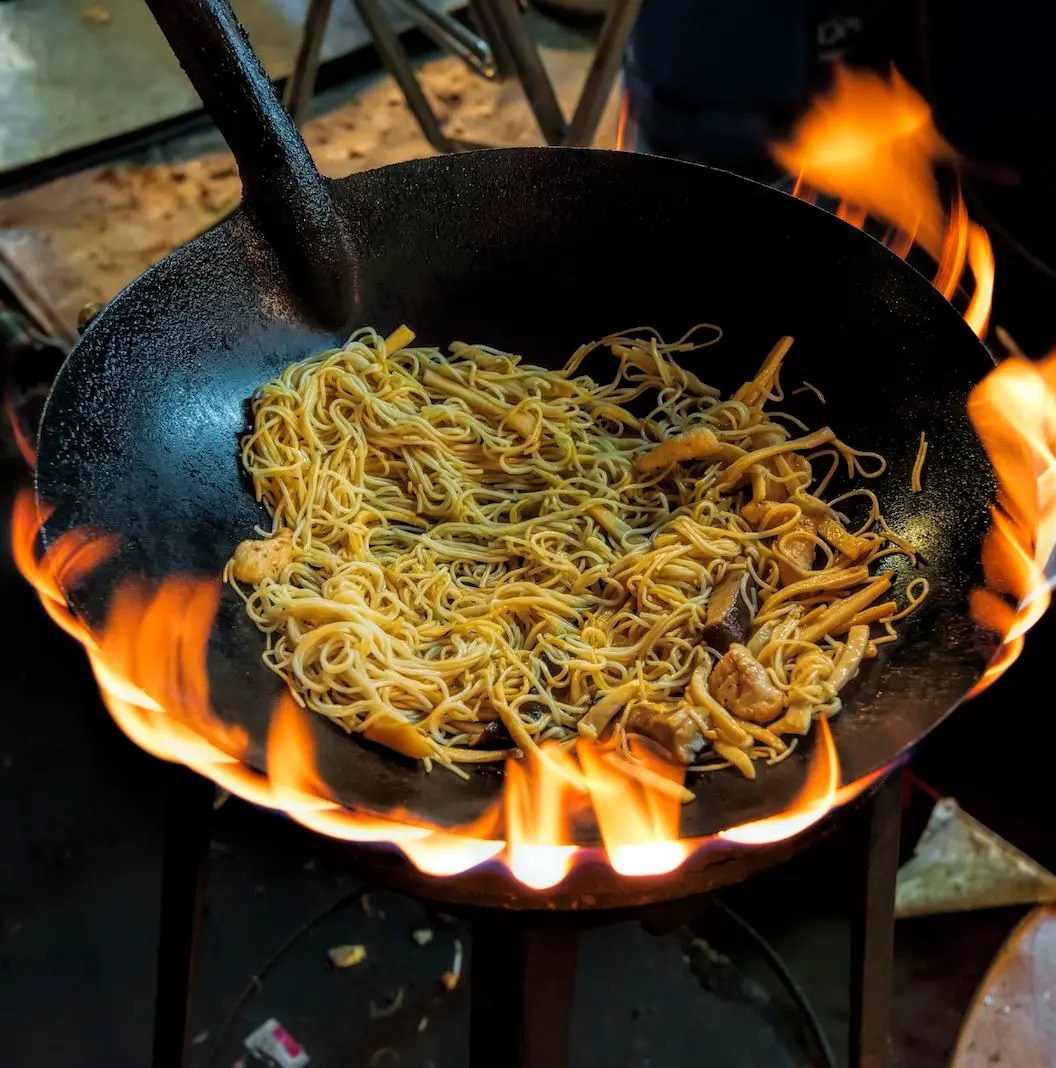
Carbon steel offers a unique combination of benefits that other materials simply can’t match. It heats up quickly and responds instantly to temperature changes, which is essential for achieving that elusive 'wok hei' – the slightly smoky, charred flavor that defines authentic stir-fries. Plus, it’s durable and, with proper seasoning, becomes naturally non-stick.
I know woks can seem intimidating. The sloping sides, the seasoning process… it can feel like a lot. But trust me, it's more approachable than you think. This guide aims to demystify the world of carbon steel woks, helping you choose the right one for your needs and confidently tackle any stir-fry recipe. We’ll be drawing on testing and reviews from trusted sources like Food & Wine and Serious Eats to give you the most up-to-date information.
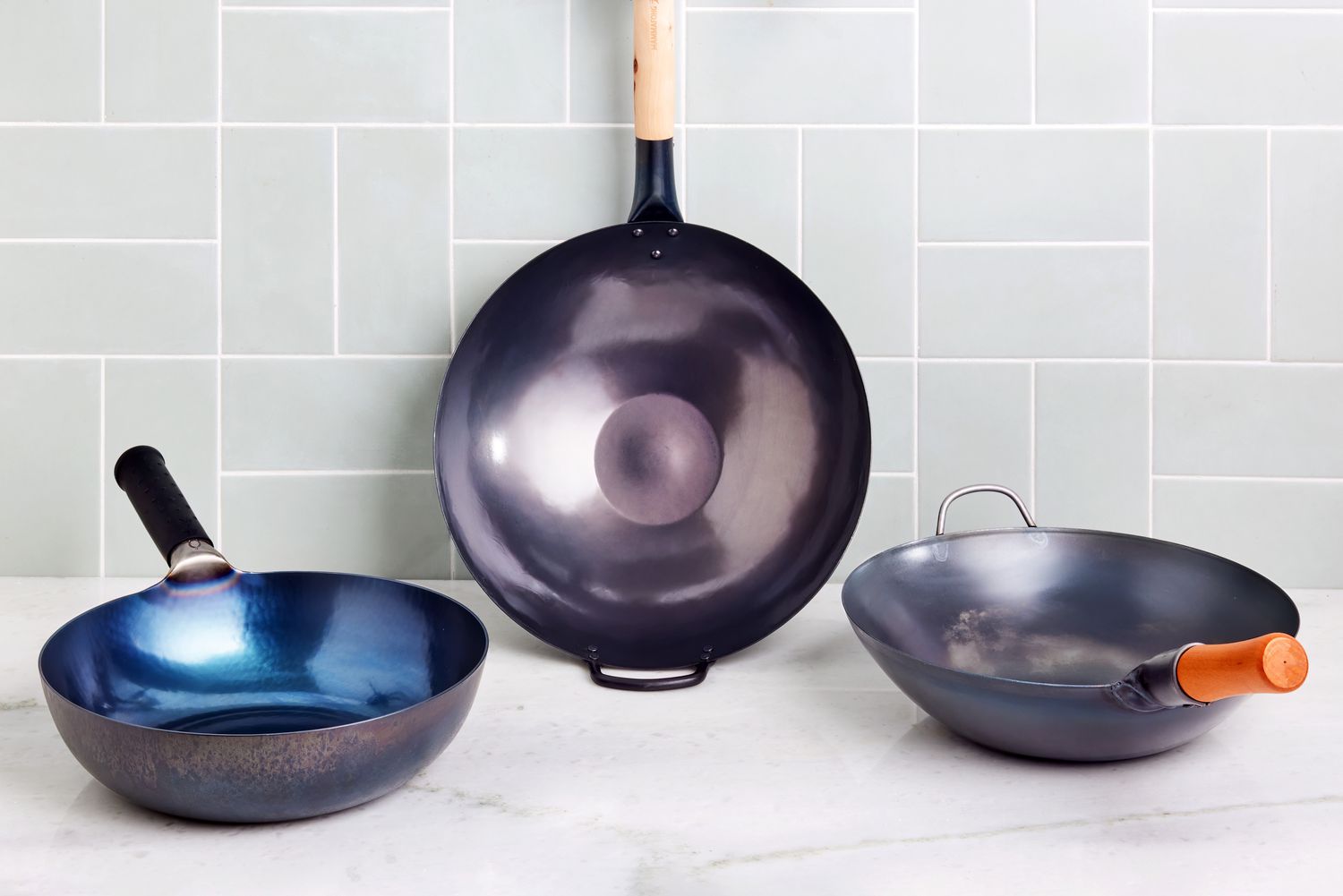
The 5 Best Carbon Steel Woks of 2026
Narrowing down the best carbon steel wok isn't easy, given the growing number of options. But based on extensive testing by Serious Eats and Food & Wine, five woks consistently rose to the top. These aren’t just about specs; they're about real-world performance in the kitchen.
First up is the Craft Wok Traditional Hand Hammered Carbon Steel Pow Wok. Food & Wine praised its responsiveness and even heating, noting that it quickly seared vegetables and proteins. They did point out that the long handle can be unwieldy for some. The 1.8mm gauge steel is thin enough for excellent heat control, but durable enough for everyday use. It’s currently retailing around $130.
The Yosukata Carbon Steel Wok Pan consistently earns high marks for its value. Serious Eats highlighted its affordability without sacrificing performance. At around $60, it's an excellent entry point for home cooks. The 1.8mm steel heats up quickly, and the wooden handle stays relatively cool during cooking, which is a big plus. However, the seasoning process can be a bit more involved compared to some other models.
Next is the Kenji Lopez-Alt’s Carbon Steel Wok, developed in collaboration with Made In. This wok, around $180, stood out for its thoughtful design and consistent performance. Serious Eats testers appreciated the flat bottom for compatibility with induction cooktops and the comfortable, riveted wooden handle. It's a slightly heavier wok, at 1.9mm gauge, which offers extra durability.
The Wokmen Carbon Steel Pow Wok is a favorite for those looking for a more traditional experience. Food & Wine noted its excellent heat retention and responsiveness, making it ideal for high-heat cooking. It’s a 1.8mm wok, and at approximately $100, it provides a good balance of quality and price. The handle is longer, requiring a bit of practice to master.
Finally, the Mau Wok Pan (around $120) is a solid all-rounder. It performed well in both Food & Wine and Serious Eats tests, earning praise for its even heating and easy seasoning. The 1.6mm gauge steel is relatively thin, making it very responsive, but also more prone to warping if not cared for properly. The wooden handle is comfortable and secure.
Featured Products

14-inch diameter for ample cooking space · Flat bottom design for stability on various stovetops · Durable carbon steel construction
This Ken Hom wok is a reliable choice for home cooks looking for a durable carbon steel option that heats evenly for effective stir-frying.

14-inch flat bottom design · Heavy-duty carbon steel for high-heat cooking · Compatible with gas, electric, and induction stovetops
The Babish Carbon Steel Wok is built for high-heat cooking, offering excellent heat retention and distribution for authentic stir-fry and sautéing.
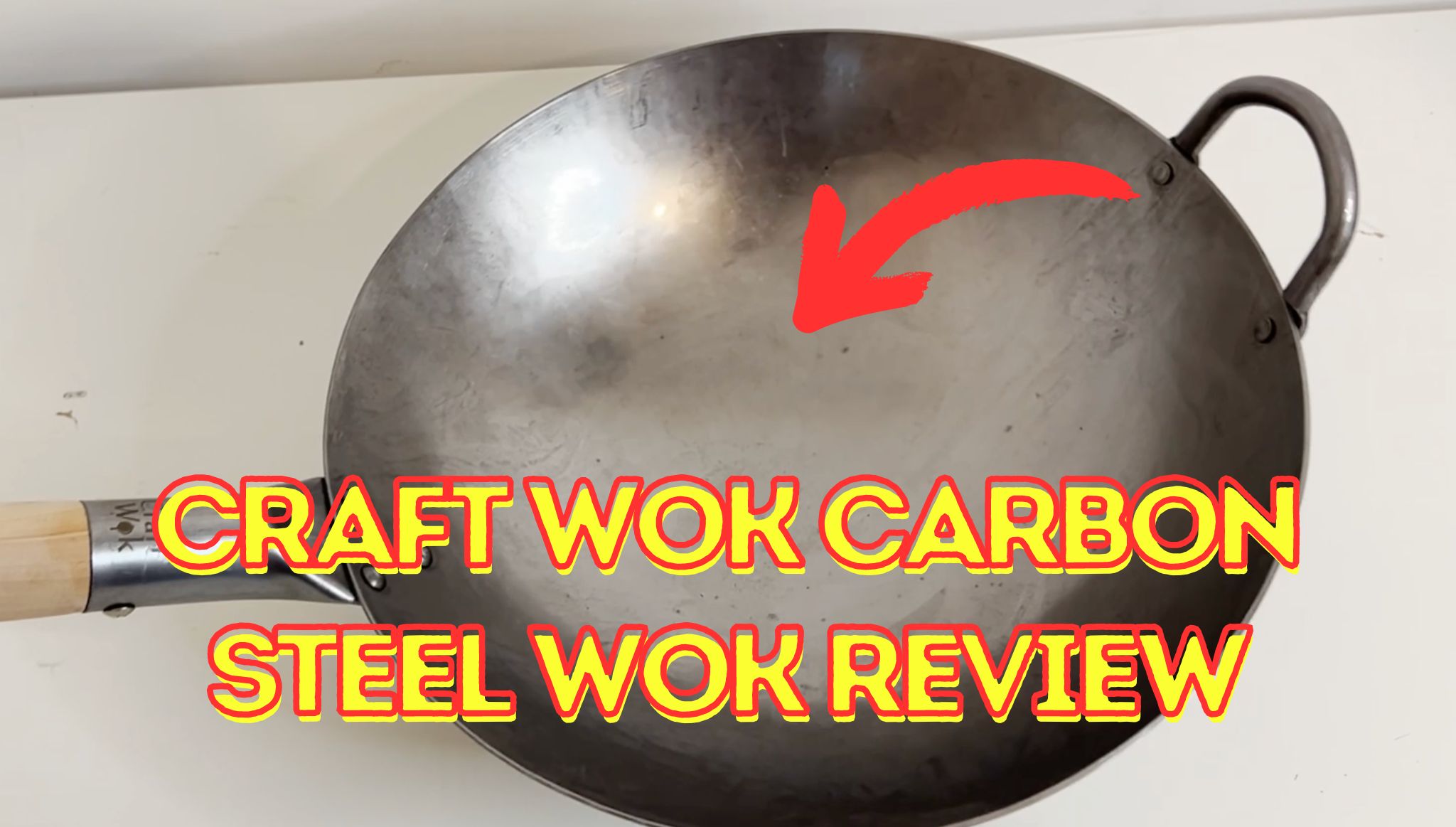
Hand-hammered carbon steel for superior heat distribution · Traditional round bottom (requires wok ring) or flat bottom options available · Authentic Chinese wok cooking experience
For a truly traditional experience, the Craft Wok's hand-hammered carbon steel ensures exceptional heat control and authentic stir-fry results.
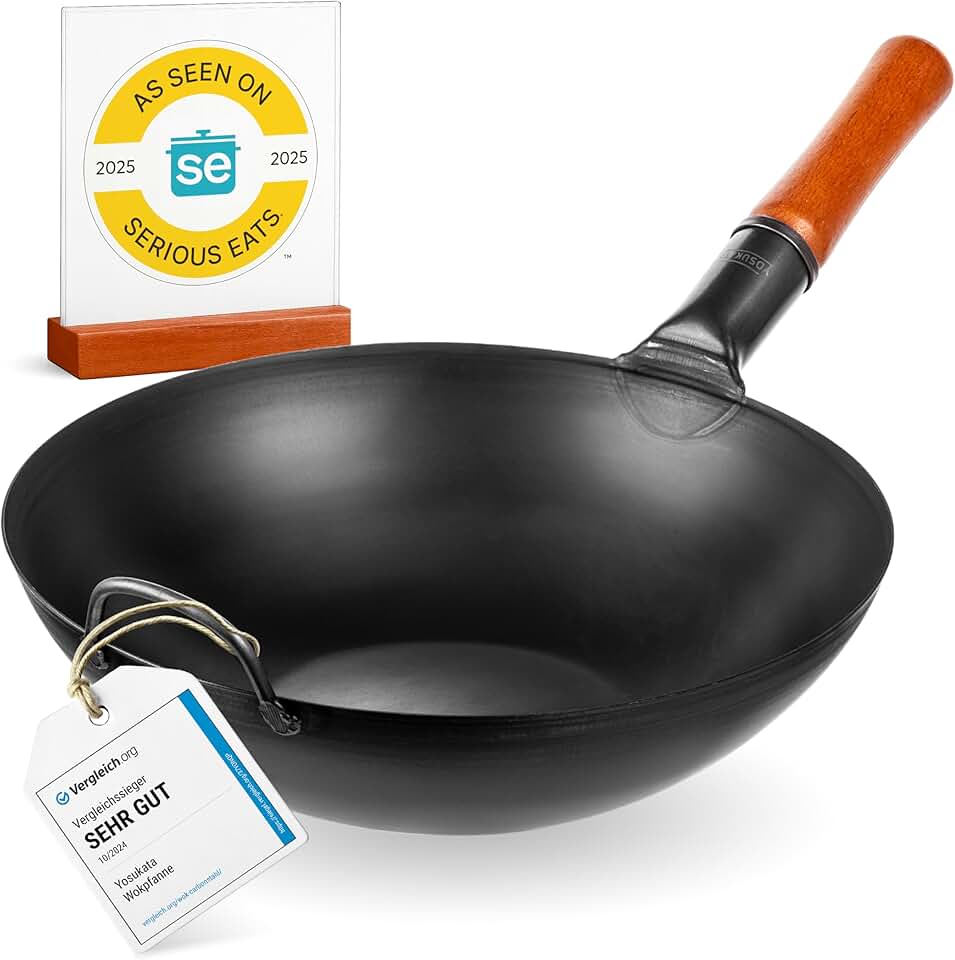
13.5-inch pre-seasoned carbon steel · Flat bottom for versatility on multiple heat sources · Suitable for stir-fry, BBQ, grill, and camping
This pre-seasoned YOSUKATA wok offers great versatility, being ready to use for stir-frying on various cooktops or even over an open fire.
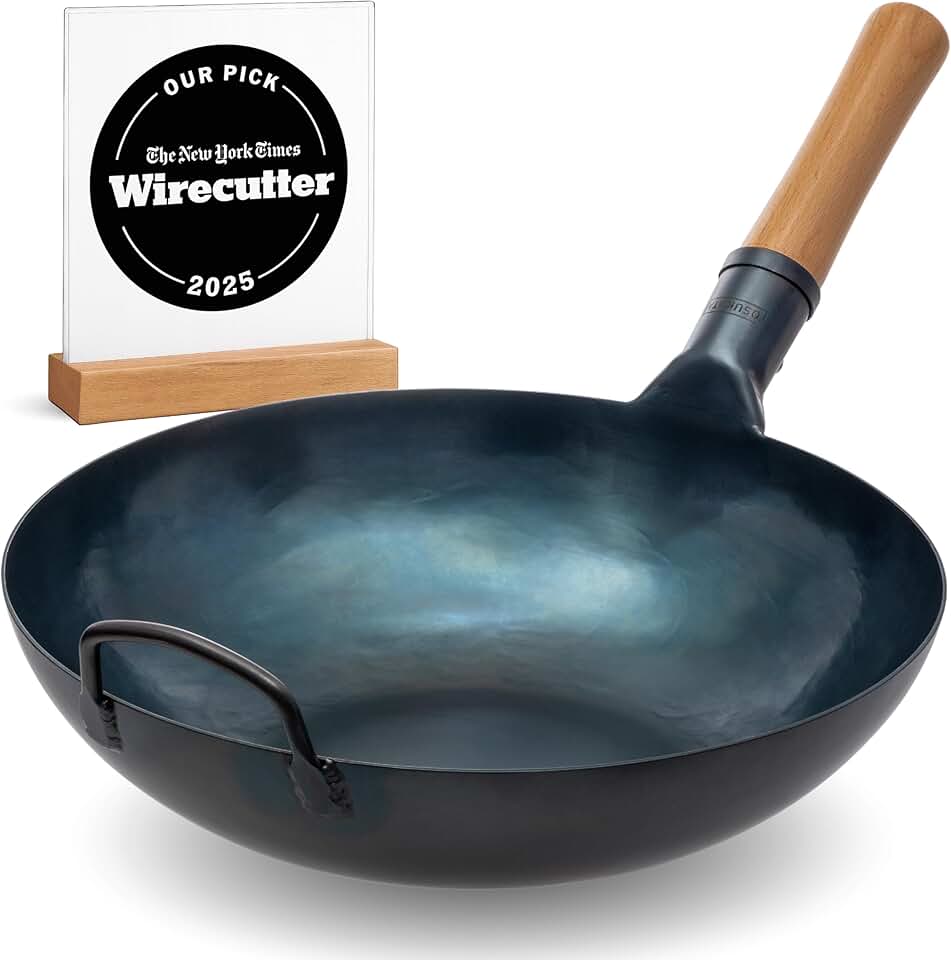
13.5-inch blue carbon steel, pre-seasoned · Flat bottom design compatible with induction, gas, electric, and more · Ideal for stir-fry, BBQ, grill, and camping
The YOSUKATA Blue Carbon Steel Wok provides excellent heat conductivity and a durable, pre-seasoned surface suitable for a wide range of cooking methods and environments.
As an Amazon Associate I earn from qualifying purchases. Prices may vary.
Round vs. Flat Bottom: Which is Right?
The shape of a wok’s bottom is a surprisingly important consideration. Traditionally, woks have a rounded bottom, designed to sit over a powerful, concentrated heat source like a jet burner commonly found in professional kitchens and some outdoor setups. This shape maximizes the surface area exposed to the flame, contributing to that sought-after wok hei.
However, most home stoves aren’t designed for round-bottom woks. They simply won’t sit securely and efficiently distribute heat. This is where flat-bottom woks come in. A flat bottom provides stability on standard cooktops – gas, electric, and even induction – ensuring even heat distribution and making stir-frying much easier.
While some purists argue that flat-bottom woks don’t achieve the same level of heat concentration as round-bottom woks, the difference is often negligible for home cooking. In fact, a well-seasoned flat-bottom wok can deliver excellent results. If you have a standard home stove, a flat-bottom wok is almost certainly the more practical choice. It's not a compromise, it's a pragmatic adaptation.
Carbon Steel Wok Comparison: Round-Bottom vs. Flat-Bottom (2026)
| Wok Bottom Type | Stove Compatibility | Heat Distribution | Wok Hei Potential | Stability | Ease of Use |
|---|---|---|---|---|---|
| Round-Bottom | Gas stoves (Excellent), Electric coil (Poor), Induction (Requires adapter) | Excellent | Excellent | Fair (requires a wok ring) | Good (with practice) |
| Flat-Bottom | Gas stoves (Good), Electric coil (Good), Induction (Good) | Good | Good | Excellent | Excellent |
| Round-Bottom (14-inch) | Gas stoves (Excellent), Electric coil (Poor), Induction (Requires adapter) | Excellent | Excellent | Fair (requires a wok ring) | Good (with practice) |
| Flat-Bottom (14-inch) | Gas stoves (Good), Electric coil (Good), Induction (Good) | Good | Good | Excellent | Excellent |
| Round-Bottom (16-inch) | Gas stoves (Excellent), Electric coil (Poor), Induction (Requires adapter) | Excellent | Excellent | Fair (requires a wok ring) | Good (with practice) |
| Flat-Bottom (16-inch) | Gas stoves (Good), Electric coil (Good), Induction (Good) | Good | Good | Excellent | Excellent |
Illustrative comparison based on the article research brief. Verify current pricing, limits, and product details in the official docs before relying on it.
Wok Gauge: Thin is In
Wok gauge refers to the thickness of the steel, typically measured in millimeters. Generally, thinner gauge woks (between 14 and 16 gauge, or around 1.6-1.8mm) are preferred by serious cooks. This is because thinner steel heats up and cools down more quickly, giving you greater control over your cooking temperature. That responsiveness is key to achieving wok hei.
The trade-off is durability. Thinner woks are more susceptible to warping if they’re overheated or cooled down too quickly. Proper care – avoiding extreme temperature shocks and maintaining a good seasoning – is crucial. The woks we reviewed generally fell within this 1.6-1.9mm range, with the Kenji Lopez-Alt model being the thickest.
Don’t automatically dismiss slightly thicker woks, though. A slightly thicker gauge (2.0mm+) can offer more durability, which might be preferable if you’re prone to rough handling or have a particularly powerful burner. But for most home cooks, the responsiveness of a thinner gauge wok will be more beneficial.
Handles: Wood, Steel, and Beyond
Wok handles come in a variety of materials, each with its own advantages and disadvantages. Wooden handles are the most traditional and remain a popular choice. They stay relatively cool during cooking, providing a comfortable grip. However, they can be more prone to cracking or loosening over time. The Craft Wok and Yosukata models both feature wooden handles.
Steel handles are more durable and can withstand higher temperatures. However, they conduct heat very efficiently, meaning they can get hot enough to burn you. If you opt for a steel handle, you’ll need to use a pot holder or heat-resistant gloves. The Mau Wok Pan uses a steel handle.
Plastic or composite handles attempt to offer a compromise between comfort and durability. They don’t get as hot as steel, but they may not feel as secure as wood. Ultimately, handle preference is very personal. I found the riveted wooden handle on the Kenji Lopez-Alt wok to be particularly comfortable and secure, while some testers found the longer handle on the Wokmen model awkward.
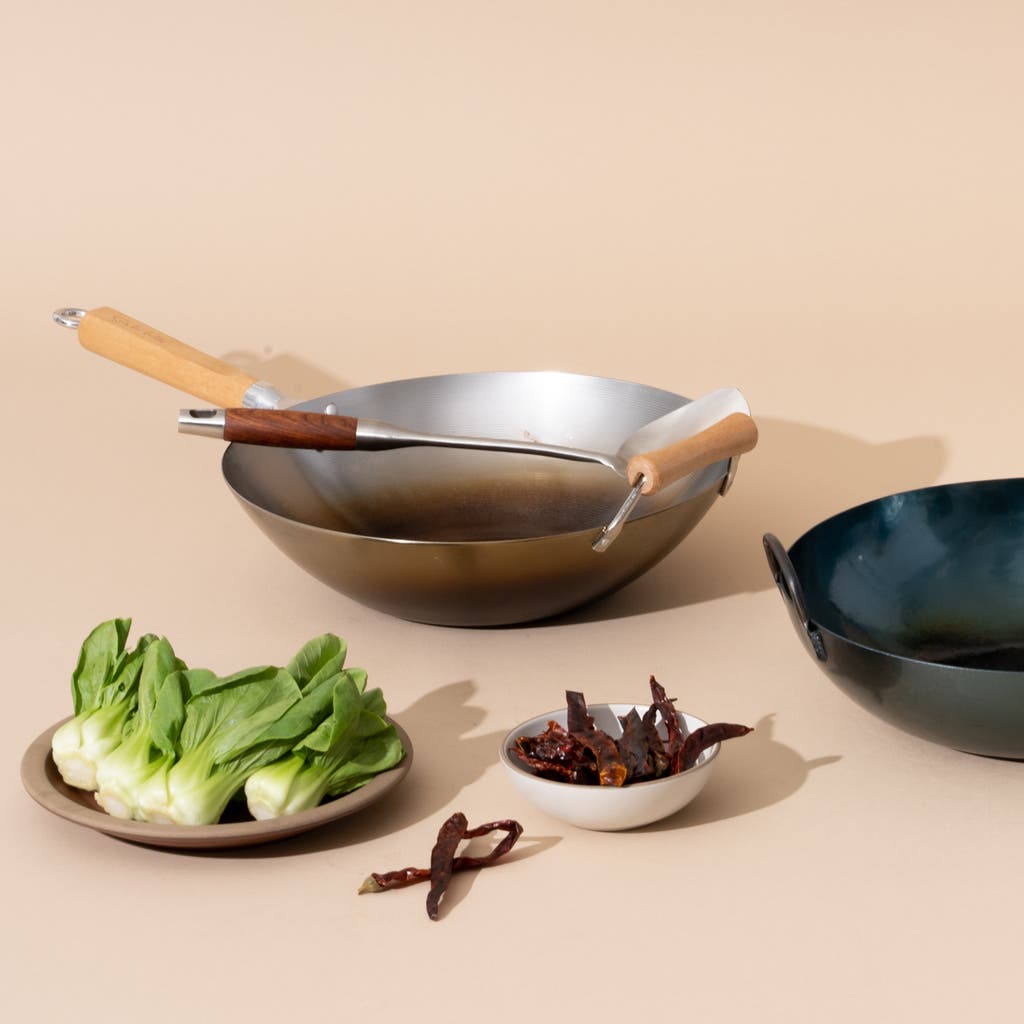
Seasoning Your Carbon Steel Wok
Seasoning a carbon steel wok is arguably the most important step in its care. It’s not just about preventing rust; it’s about creating a naturally non-stick surface and developing that desirable patina. The process involves heating the wok and applying a thin layer of oil, then repeating this process multiple times.
Here’s a step-by-step guide: 1) Thoroughly clean the wok with hot, soapy water to remove any manufacturing residue. 2) Heat the wok over high heat until it turns blue. This burns off any remaining oil or coatings. 3) Reduce the heat to medium and add about a tablespoon of high-smoke-point oil (peanut, canola, or vegetable oil work well). 4) Use a paper towel to rub the oil evenly over the entire surface of the wok, inside and out. 5) Continue heating for a few minutes, until the oil starts to smoke. 6) Let the wok cool completely, then repeat steps 3-5 several times. The more layers you build, the better.
Expect some unevenness in the seasoning – that’s normal. Sticky spots can be addressed by scrubbing with a bit of oil and reheating. Seasoning is an ongoing process. With each use, the patina will continue to develop and improve. Don't be discouraged if it doesn't look perfect right away. It's a journey, not a destination.
Wok Care & Maintenance
Maintaining a carbon steel wok isn’t difficult, but it does require a bit of attention. Avoid using soap when cleaning, as it can strip away the seasoning. Instead, use hot water and a soft sponge or brush to remove food particles. Dry the wok thoroughly immediately after washing to prevent rust.
After drying, apply a very thin layer of oil to the entire surface. This helps to maintain the seasoning and prevent rust. If rust does appear, don’t panic. Simply scrub it off with steel wool, then re-season the wok. It's really not a big deal.
Many people worry about damaging their wok, but it's a surprisingly resilient tool. Don't be afraid to use it! The more you cook with it, the better it will become. Just remember to avoid extreme temperature shocks – don't plunge a hot wok into cold water – and to maintain a good seasoning.
Wok Accessories: What You Really Need
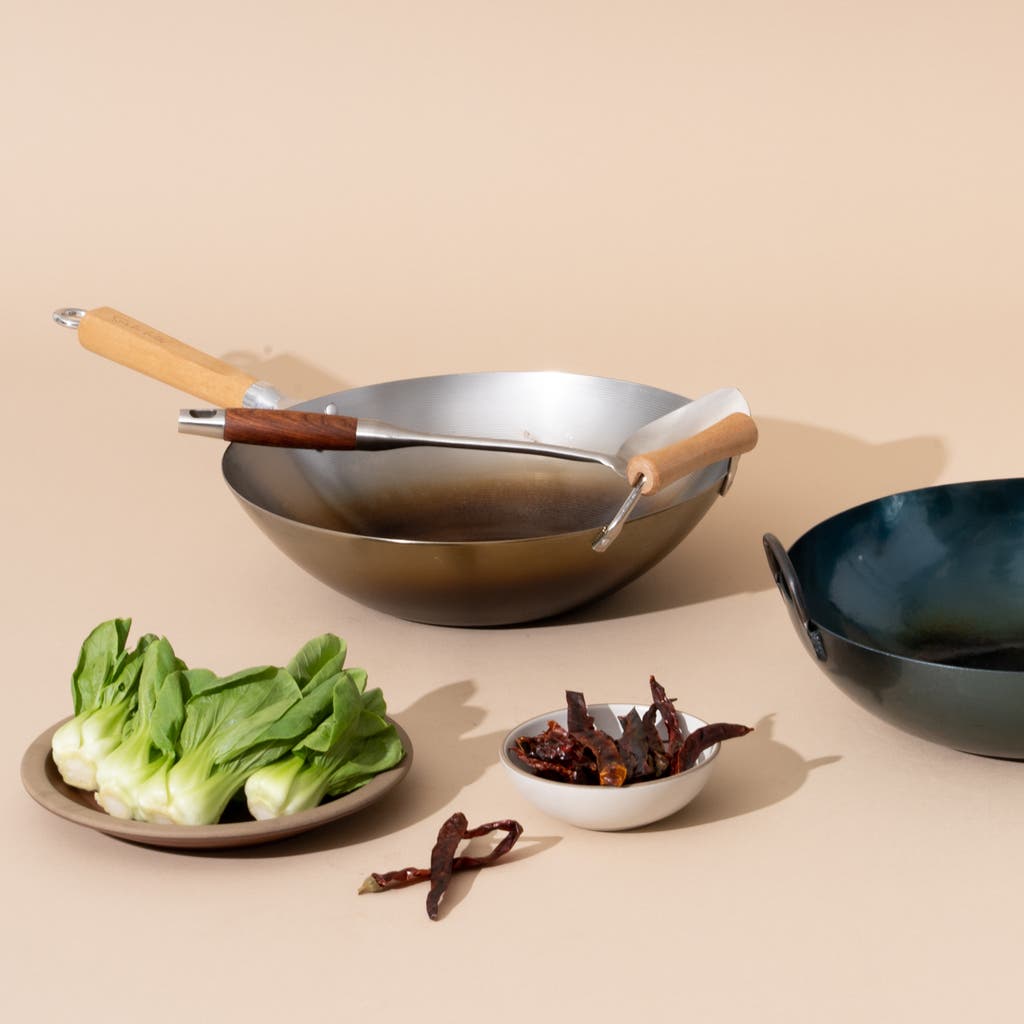
While a good wok is the foundation, a few accessories can enhance your stir-frying experience. A wok spatula is essential for efficiently tossing and stirring food. Look for one with a rounded edge to fit the curvature of the wok. A long-handled ladle is also useful for scooping and serving sauces.
Wok rings can provide added stability for round-bottom woks on flat cooktops, but they're not strictly necessary. A high-heat cooking oil, like peanut or canola oil, is a must for achieving high temperatures and preventing sticking. Beyond that, resist the urge to buy unnecessary gadgets – a good wok, a spatula, and a ladle are all you really need.
Essential Accessories for Your New Carbon Steel Wok
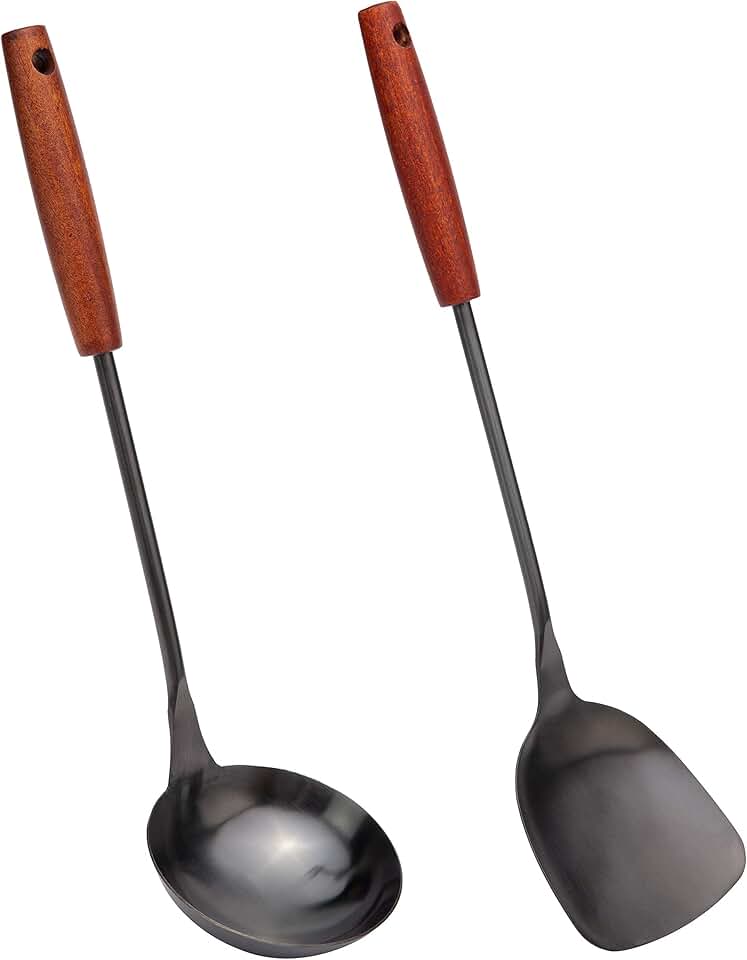
14.2-15 inch size, ideal for standard woks · Durable stainless steel construction · Includes both a spatula and a ladle for versatile cooking
This set provides the essential tools for stir-frying and serving, ensuring you have the right utensil for every step of the cooking process.

Made from 100% algae, an avocado oil alternative · High smoke point of 535°F, suitable for high-heat cooking · Neutral, buttery flavor with Omega-9 richness
This unique cooking oil offers a high smoke point and a pleasant flavor profile, making it an excellent choice for all your high-heat wok cooking needs.

Durable cast iron construction · Designed to fit most standard gas stove burner grates · Provides a stable platform for your wok
This wok ring ensures your wok sits securely over the gas burner, allowing for even heat distribution and preventing spills.

Specifically designed for wok and cast iron care · Features stiff, natural union bristles · Effectively removes food residue without damaging seasoning
Proper cleaning is crucial for maintaining your carbon steel wok, and this brush is designed to tackle tough residue while preserving its seasoned surface.
As an Amazon Associate I earn from qualifying purchases. Prices may vary.
No comments yet. Be the first to share your thoughts!