
Wok Heat: Gas vs. Electric
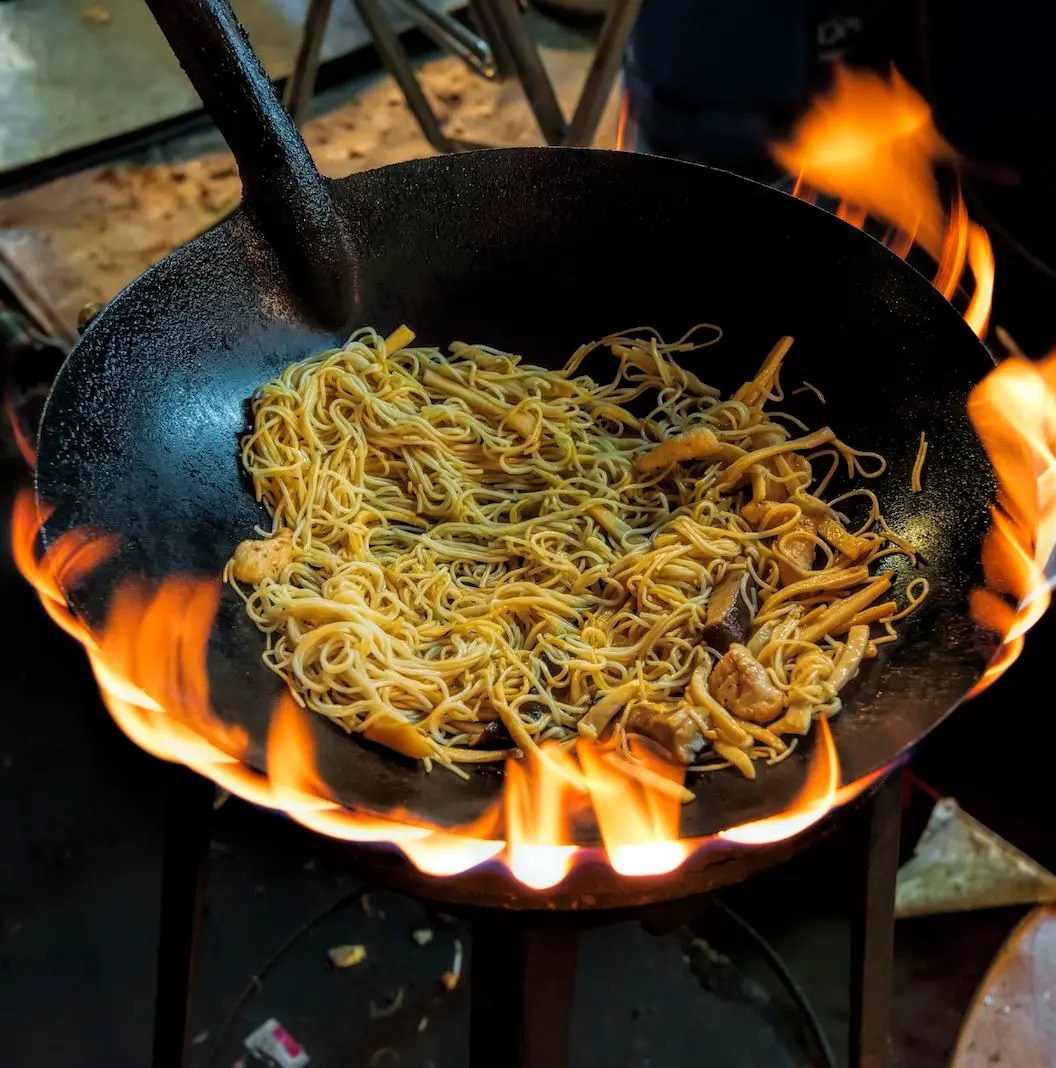
When it comes to wok cooking, heat is everything. Gas woks traditionally hold the advantage, delivering intense, direct heat that’s crucial for achieving wok hei – that sought-after smoky char. A standard residential gas burner can output anywhere from 6,000 to 12,000 BTU, though high-output burners specifically for woks can reach 18,000 BTU or even higher. This rapid heating and responsiveness are what make gas so popular with professionals.
Electric woks, however, are catching up. While older models often lacked the necessary power, newer electric woks, especially induction models, are delivering impressive heat. Most countertop electric woks range from 1500 to 1800 watts, which translates to roughly 5,100 to 6,100 BTU. That’s a significant gap compared to a high-output gas burner, but induction technology is changing the game, offering faster heating and more precise temperature control. The responsiveness isn't quite the same, but it’s improving.
The physics of wok hei rely on the quick evaporation of moisture and the rapid Maillard reaction – the chemical reaction between amino acids and reducing sugars that gives browned food its distinctive flavor. Gas provides the immediate heat needed for this, while electric woks require a preheating period. Hip Wok's experience consistently shows that maintaining a high temperature is easier with gas, allowing for faster cooking and better sear. However, The Chopping Block’s instructors have noted that skilled technique can partially compensate for lower heat with electric woks.
Ultimately, the difference isn't just about BTU or wattage. It’s about how quickly the wok can recover after ingredients are added. A drop in temperature leads to steaming instead of searing, and that’s where gas often excels. Electric woks require careful batch cooking to avoid overcrowding and maintain heat.
Electric Woks: Types and Features
Electric woks come in several types. Countertop models are most common, with built-in heating elements and often non-stick coatings. They are convenient but can be limited in power. Portable electric woks are smaller and less powerful, suitable for travel or small kitchens, but they lack the intensity of larger models.
Induction electric woks are a growing trend. They heat the wok directly, leading to faster, more even heating. These models often have digital temperature control for precise adjustments but are generally more expensive. Most countertop models use a standard 120V outlet, though some higher-powered units may need a 240V circuit.
Look for features like adjustable thermostats, removable non-stick coatings for easy cleaning, and durable construction. Glass lids help retain heat and moisture. A well-designed electric wok has a sturdy base and ergonomic handles for safe handling.
- Countertop Woks: Most common, convenient, varying power.
- Portable Woks: Smaller, for travel, limited intensity.
- Induction Woks: Fastest heating, precise control, higher cost.
Featured Products

1500-watt high-powered heating element · 14-inch high-walled wok · Tempered glass lid with steam vent
This electric wok provides consistent heat and a generous cooking surface, making it a user-friendly option for achieving authentic stir-fry results without the need for a gas stove.
1500-watt high-powered heating element · 14-inch high-walled wok · Tempered glass lid with steam vent
This electric wok provides consistent heat and a generous cooking surface, making it a user-friendly option for achieving authentic stir-fry results without the need for a gas stove.
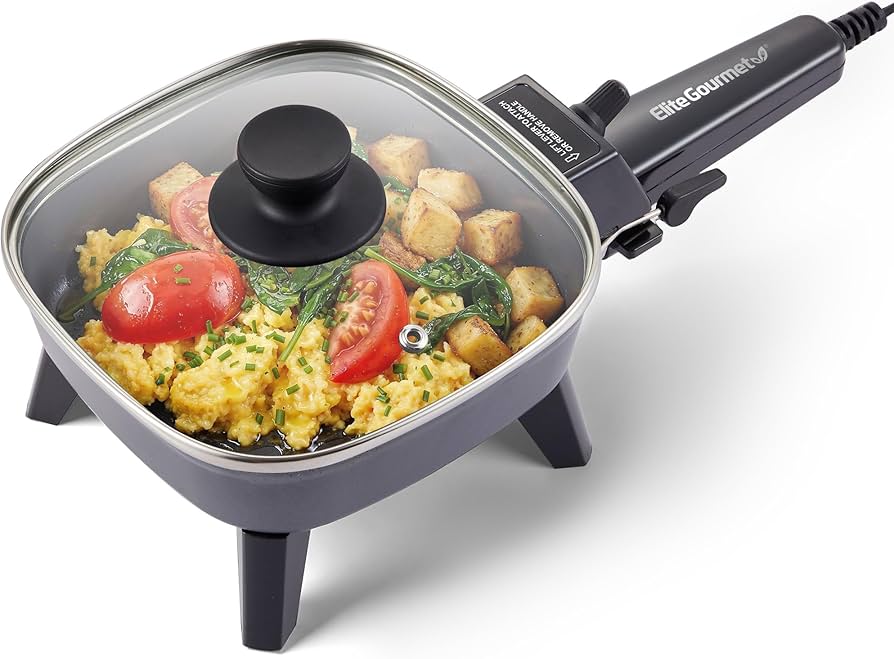
1500-watt heating element for rapid heating · Generous 14-inch cooking surface · Durable nonstick coating for effortless food release and cleanup
The Aroma Housewares AEW-306 offers a powerful and versatile electric wok experience, ideal for home cooks seeking consistent heat and easy cleanup for a variety of Asian-inspired dishes.
1500-watt high-powered heating element · 14-inch high-walled wok · Tempered glass lid with steam vent
This electric wok provides consistent heat and a generous cooking surface, making it a user-friendly option for achieving authentic stir-fry results without the need for a gas stove.
1500-watt high-powered heating element · 14-inch high-walled wok · Tempered glass lid with steam vent
This electric wok provides consistent heat and a generous cooking surface, making it a user-friendly option for achieving authentic stir-fry results without the need for a gas stove.
As an Amazon Associate I earn from qualifying purchases. Prices may vary.
Gas Woks: Fueling the Flame
Gas woks provide a traditional cooking experience. Options include using a built-in gas range with a wok ring, a portable propane wok, or an outdoor wok station. A wok ring concentrates the flame and supports the wok's rounded bottom; without it, heat is lost and the wok is unstable.
Successful gas wok cooking requires a high-BTU burner. Standard residential burners often lack the power for searing, leading to steaming. Look for wok-specific burners delivering at least 18,000 BTU. Portable propane woks are an option if you lack a gas range, but need careful handling and ventilation. Outdoor setups offer the most power and flexibility but require dedicated space and a propane tank.
Safety is paramount with gas woks. Ensure proper ventilation to prevent carbon monoxide buildup and regularly inspect the burner and gas line for leaks. Never leave a gas wok unattended. Keeping the burner clean and free of debris ensures optimal performance; a clogged burner produces an uneven flame and reduces heat output.
Wok Material Matters: How It Impacts Heat
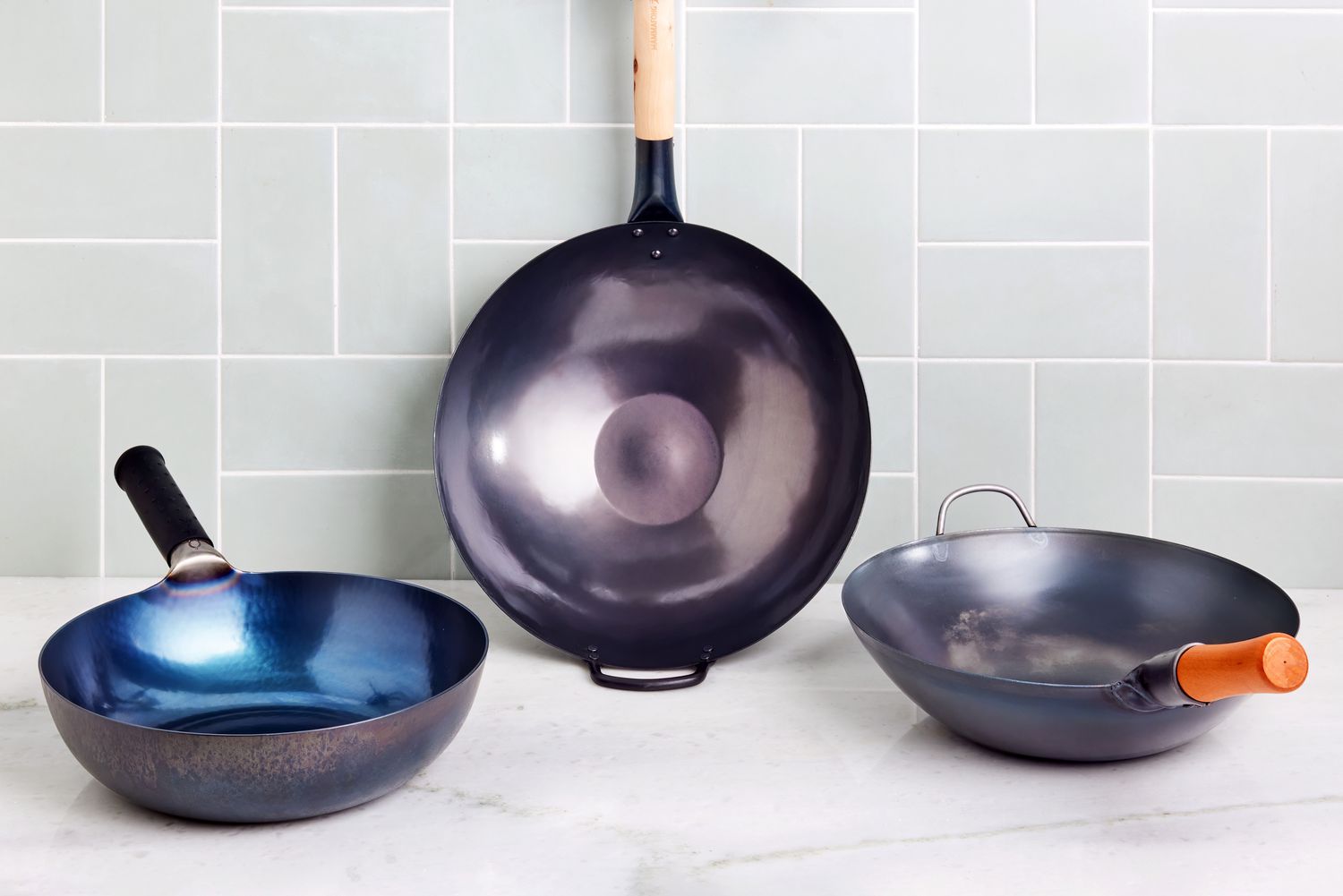
The material of your wok significantly impacts how it heats and performs. Carbon steel is the traditional choice, prized for its excellent heat conductivity and responsiveness. It heats up quickly and evenly, and it’s relatively lightweight. However, it requires regular seasoning to prevent rust and sticking. The learning curve can be steep, and it demands consistent maintenance.
Cast iron woks retain heat exceptionally well, making them ideal for searing and maintaining temperature. They're heavier than carbon steel and take longer to heat up, but they offer superior heat retention. Stainless steel woks are durable and easy to clean, but they don't conduct heat as efficiently as carbon steel or cast iron. They’re a good option for beginners who want a low-maintenance wok.
Non-stick woks are convenient, but they typically can't withstand the high heat needed for authentic wok cooking. The coating can break down at high temperatures, releasing harmful chemicals. They're best suited for simple stir-fries and dishes that don't require intense heat. The choice of material often comes down to personal preference and cooking style. Carbon steel is the preferred choice for serious wok enthusiasts, while stainless steel offers a more practical option for everyday use.
How well each material works with gas versus electric also matters. Carbon steel shines with gas’s responsiveness, while electric woks might struggle to maximize its potential. Stainless steel performs adequately on both, but doesn’t excel on either. Cast iron’s heat retention is beneficial on either, but its slower heating is more noticeable with electric.
- Carbon Steel: Excellent heat conductivity, requires seasoning.
- Cast Iron: Superior heat retention, heavier, slower heating.
- Stainless Steel: Durable, easy to clean, lower heat conductivity.
- Non-Stick: Convenient, not ideal for high-heat cooking.
Wok Material Comparison - 2026
| Material | Heat Conductivity | Heat Retention | Reactivity | Ease of Seasoning/Maintenance | Typical Price Range |
|---|---|---|---|---|---|
| Carbon Steel | High | Medium | Medium | High | Medium |
| Cast Iron | Medium | High | High | Low | Medium to High |
| Stainless Steel | Medium | Medium | Low | Medium | Medium to High |
| Non-Stick | Medium | Low | Low | High | Low to Medium |
| Carbon Steel (Round Bottom) | High | Medium | Medium | High | Medium |
| Carbon Steel (Flat Bottom) | High | Medium | Medium | High | Medium |
| Cast Iron (Thick) | Low | Very High | High | Very Low | Medium to High |
Illustrative comparison based on the article research brief. Verify current pricing, limits, and product details in the official docs before relying on it.
Achieving Wok Hei: Is It Possible Electrically?
Wok hei is the holy grail of stir-frying – that complex, smoky flavor that elevates a simple stir-fry to something extraordinary. It's created by the combination of intense heat, flame contact, and the evaporation of cooking liquids. Achieving true wok hei is notoriously difficult, even with a gas wok. It requires precise technique and a well-seasoned wok.
Can electric woks replicate this? It’s a challenge. Even the most powerful electric woks struggle to match the intense heat of a high-output gas burner. The lack of direct flame contact also makes it difficult to achieve the same level of char and smokiness. However, it's not impossible. Techniques like preheating the wok thoroughly, using high heat, and cooking in small batches can help maximize flavor development.
I believe that while electric woks may not fully replicate wok hei, they can come surprisingly close. The key is to focus on maximizing heat and minimizing moisture. Using a wok with good heat retention and practicing proper technique can yield excellent results. It requires more attention to detail and a willingness to experiment, but it's definitely achievable.
Cleaning and Maintenance: A Practical Guide
Proper cleaning and maintenance extend a wok's life. For carbon steel woks, avoid soap, which strips seasoning. Use hot water and a scrub brush for food particles. Dry thoroughly and apply a thin layer of oil to prevent rust. Regular seasoning is crucial for maintaining non-stick properties.
Stainless steel woks are easier to clean. You can use soap and water, but avoid abrasive cleaners that can scratch the surface. Non-stick woks require gentle cleaning with a soft sponge and mild detergent. Avoid using metal utensils, as they can damage the coating. Regularly inspect the coating for scratches or damage.
Preventing rust is key for carbon steel woks. Always dry the wok thoroughly after washing and apply a thin layer of oil. Store the wok in a dry place. A little preventative care will go a long way in ensuring your wok lasts for years to come. Depending on your wok material, lifespan can range from 5-10 years with proper care.
Real-World Recipes: Gas vs. Electric Results
To illustrate the differences, we prepared a classic chicken and broccoli stir-fry using both a high-BTU gas wok and a 1800-watt induction electric wok. The recipe was identical: 1 lb chicken breast, 1 head of broccoli, 2 cloves garlic, 1 tbsp soy sauce, 1 tbsp oyster sauce, 1 tsp sesame oil, and 1 tbsp vegetable oil.
With the gas wok, the chicken seared quickly, developing a nice golden-brown color. The broccoli remained crisp-tender, and the sauce coated everything evenly. The entire process took about 5 minutes. With the electric wok, the chicken took slightly longer to sear, and the broccoli required more frequent stirring to prevent sticking. The overall cooking time was closer to 7 minutes. The finished dish from the gas wok had a slightly more pronounced smoky flavor.
Visually, the chicken from the gas wok had a more appealing sear. The texture was also slightly better – more tender and juicy. While the electric wok produced a perfectly acceptable stir-fry, it lacked the depth of flavor and textural complexity of the gas-cooked version. However, the difference was subtle, and many diners might not notice it. The recipe used can be found on hipwok.com under 'Quick Weeknight Stir-Fries'.
Expert Opinions & Community Buzz
Instructors at The Chopping Block emphasize the importance of heat control, regardless of the cooking method. They note that while gas offers more immediate heat, electric woks can still deliver excellent results with proper technique and attention to detail. Many professional chefs prefer gas for its responsiveness and ability to achieve wok hei.
Online forums and cooking communities reveal a mixed bag of opinions. Some home cooks swear by their gas woks, while others are satisfied with their electric models. A common theme is that induction electric woks are significantly better than traditional coil or flat-top electric woks. Reddit threads dedicated to wok cooking often discuss the challenges of achieving wok hei with electric woks, but many users share tips and techniques for maximizing flavor.
Overall, the consensus seems to be that while gas woks still hold an edge in terms of heat and responsiveness, electric woks are becoming increasingly capable. The choice ultimately depends on your individual needs, preferences, and cooking style. The availability of a gas line and your budget will also play a role in your decision.
No comments yet. Be the first to share your thoughts!