

Wok Cooking: Beyond Stir-Fry
For many, the word 'wok' immediately conjures images of sizzling stir-fries. And yes, a wok is fantastic for that. But to limit your thinking to just stir-frying is to miss out on a world of possibilities. A wok isn't just a pan; it's a versatile cooking vessel capable of steaming, deep-frying, smoking, and even crafting complex sauces – all in one place.
What makes a wok so special? It’s the shape, really. The sloping sides allow for easy tossing and maneuvering of food, while the rounded bottom concentrates heat. This combination allows for incredibly fast cooking, and I mean fast. We’re talking meals on the table in under 30 minutes, even on busy weeknights.
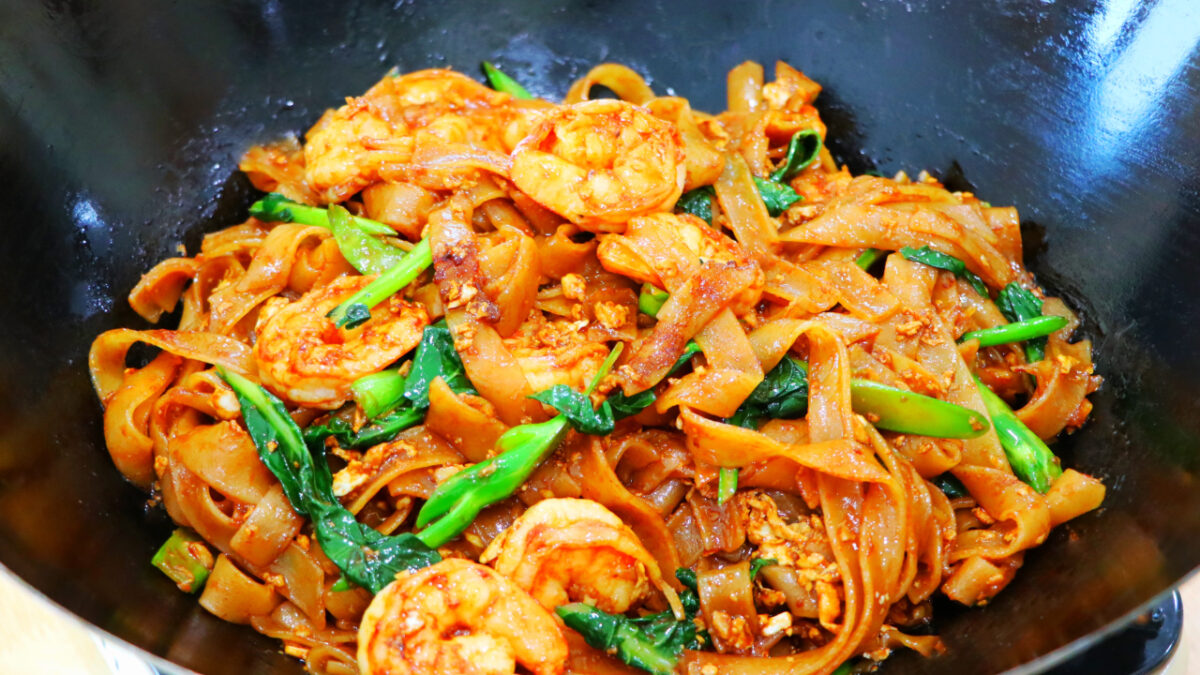
High heat and constant movement are the keys to successful wok cooking. It’s not about gently simmering; it's about creating a dynamic cooking environment where ingredients sear and caramelize quickly. This is how you achieve that signature 'wok hei' – that slightly smoky, complex flavor that’s so characteristic of authentic Asian cuisine.
Below, you’ll find 15 recipes designed to get you comfortable with your wok and prove its versatility. These aren’t complicated, fussy dishes. They’re quick, flavorful, and perfect for those nights when you want a delicious, home-cooked meal without spending hours in the kitchen.
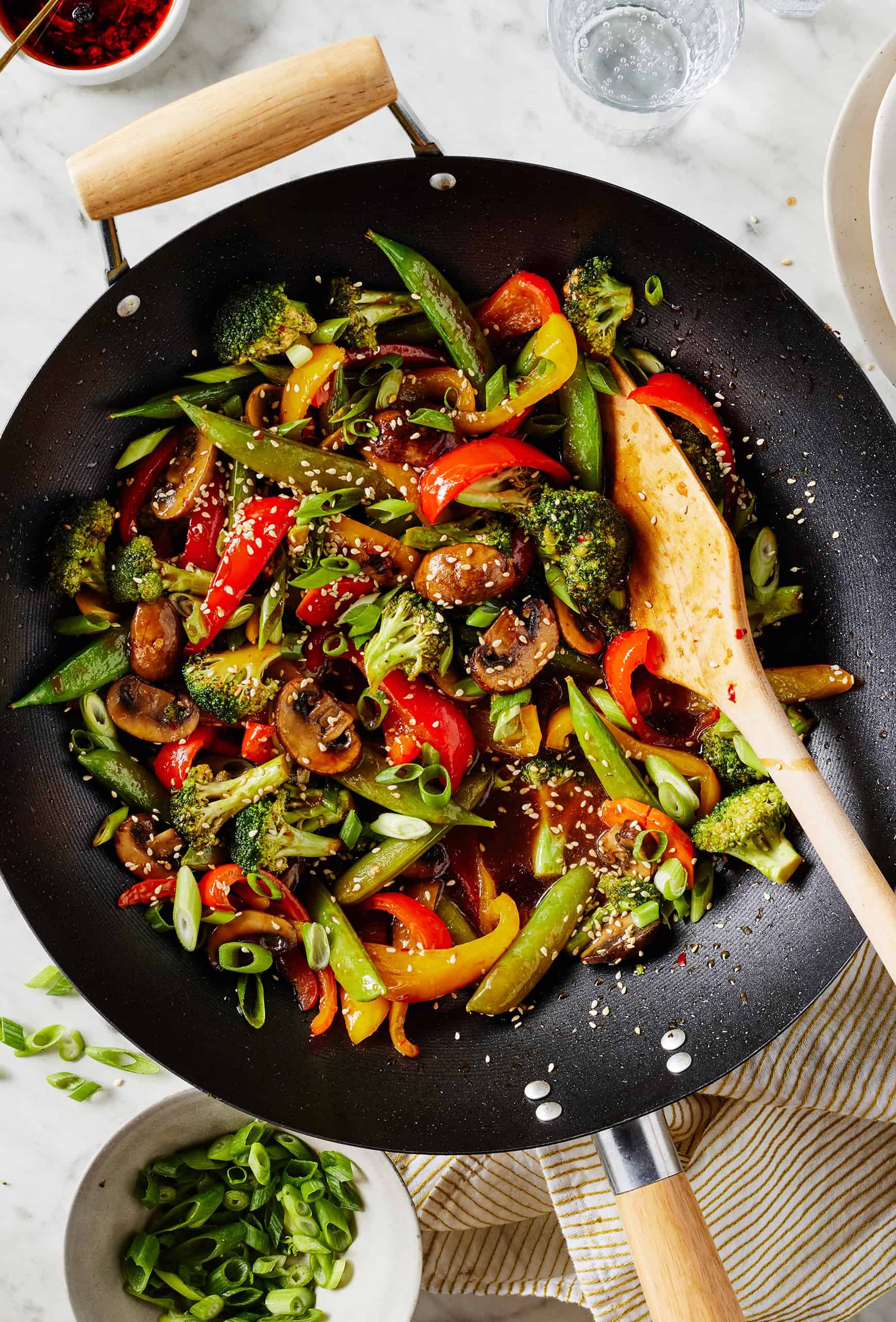
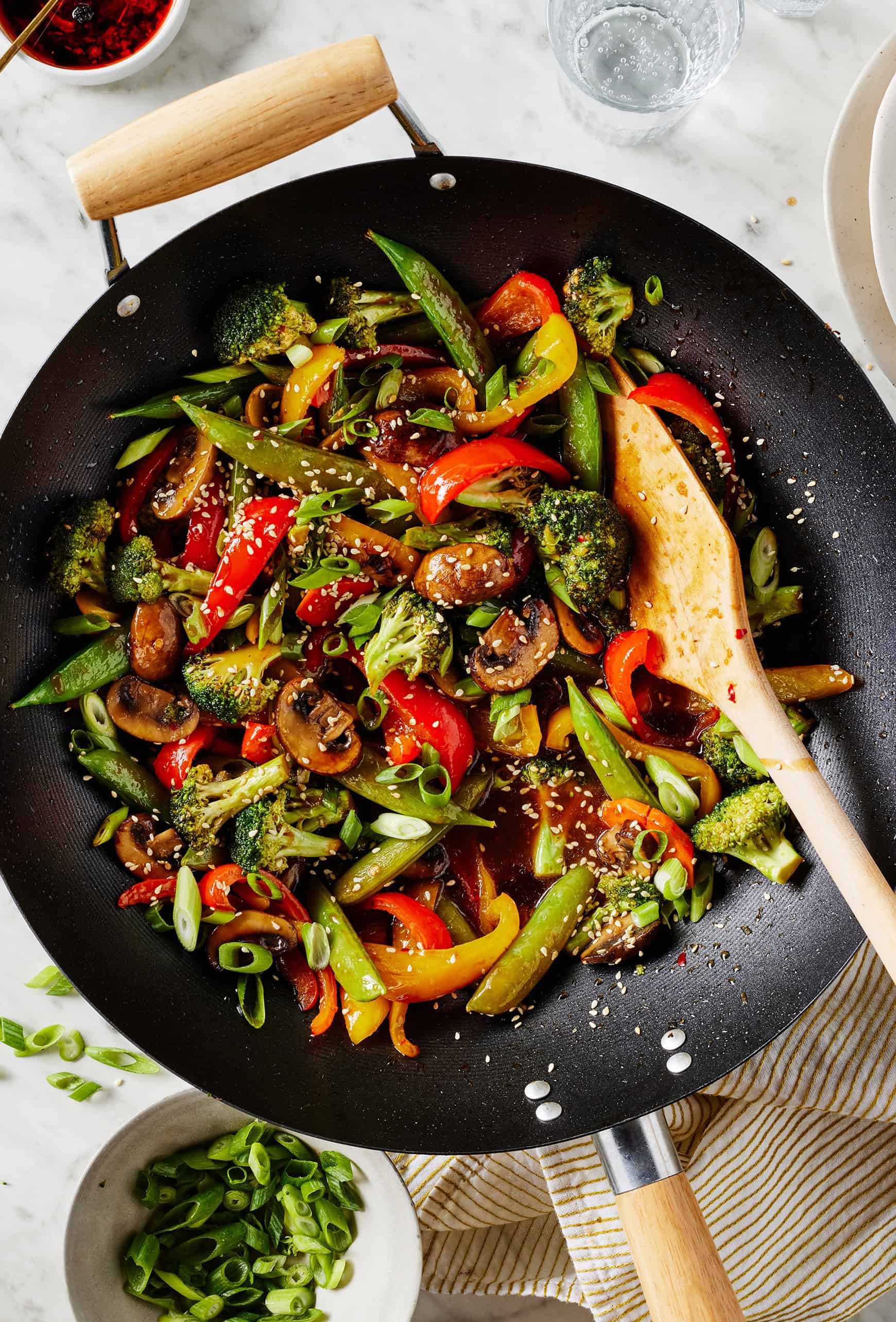
Wok Essentials: Gear & Prep
You don't need to break the bank to get started with wok cooking. While professional-grade woks can be expensive, a good quality wok doesn’t have to cost a fortune. Carbon steel is my recommendation for most home cooks. It heats up quickly, is relatively lightweight, and is much more forgiving than cast iron.
Stainless steel woks are another option, but they don’t heat as evenly as carbon steel. Cast iron woks are great for retaining heat, but they are heavy and take longer to heat up, which isn't ideal for the quick cooking style of wok cooking. You can find a decent 14-inch carbon steel wok for around $50-$80.
Your burner is equally important. A high BTU output is essential for achieving the high heat needed for proper wok cooking. Gas stoves are generally preferred, but if you have an induction cooktop, make sure it’s powerful enough. The HOT WOK PRO – 12 kW Wok Burner (€179,00 at hotwok.com) is a popular choice for those wanting a dedicated, powerful burner.
Beyond the wok itself, you’ll need a few essential tools: a wok spatula (preferably one with a wooden handle), a ladle for sauces, and a good quality cooking oil with a high smoke point. Now, let's talk prep. Before you even think about seasoning, your wok needs a thorough cleaning with hot, soapy water. Dry it completely, then lightly coat the inside with a thin layer of oil to prevent rusting.
- Wok: Carbon steel (14-inch recommended)
- Burner: Gas or high-powered induction
- Spatula: Wooden-handled wok spatula
- Ladle: For serving sauces
- Oil: Peanut, canola, or vegetable oil (high smoke point)
Wok Material Comparison
| Material | Heat-up Time | Responsiveness | Maintenance | Best For |
|---|---|---|---|---|
| Carbon Steel | Very Fast | Very High | High (Requires seasoning and oiling after each use to prevent rust) | Stir-fry, steaming, deep-frying, and most general wok cooking |
| Stainless Steel | Moderate | Moderate | Low (Dishwasher safe, generally doesn't require seasoning) | Boiling, steaming, braising, and tasks where sticking is a concern. Less ideal for high-heat stir-fry without proper technique. |
| Cast Iron | Slow | Moderate | Very High (Requires extensive seasoning and careful rust prevention) | Deep frying, searing, and dishes requiring even, sustained heat. Can be used for stir-fry with practice, but slower to respond to temperature changes. |
| Carbon Steel (with Wooden Handle) | Very Fast | Very High | High (Requires seasoning and oiling after each use to prevent rust) | Stir-fry, steaming, deep-frying, and most general wok cooking. Wooden handle stays cooler. |
| Stainless Steel (with Carbon Steel Core) | Moderate | High | Moderate (Easier to maintain than pure carbon steel, but benefits from occasional seasoning) | Versatile – good for a range of techniques including stir-fry and simmering. |
Illustrative comparison based on the article research brief. Verify current pricing, limits, and product details in the official docs before relying on it.
Seasoning Your Wok: The Patina Process
Seasoning a carbon steel wok is arguably the most important step. It's not about achieving a perfectly non-stick surface like a Teflon pan; it’s about creating a protective layer that prevents rust and builds up a natural patina over time. This patina is what gives a well-loved wok its distinctive character and flavor.
The process is simple, but it requires patience. Start by heating the wok over high heat until it turns blue. This is normal – it’s the oil polymerizing. Then, add about a tablespoon of oil (peanut, canola, or vegetable oil work well) and spread it around with a paper towel, coating the entire surface. Continue heating until the oil starts to smoke, then turn off the heat and let the wok cool completely.
Repeat this process – heat, oil, cool – several times, ideally 5-7 times, to build up a good base layer. With each iteration, the wok will darken. Uneven seasoning is common, especially in the beginning. You can address this by focusing on the lighter areas with more oil during subsequent seasoning rounds.
Proper ventilation is crucial during seasoning. The oil will produce a lot of smoke, so open windows and turn on your exhaust fan. Don’t be discouraged if your wok doesn't look perfect after the first few times. A well-seasoned wok is a work in progress, and the patina will continue to develop with use. Remember, functionality is more important than aesthetics.
- Heat the wok over high heat until it turns blue.
- Add 1 tablespoon of oil and spread it around with a paper towel.
- Heat until the oil smokes, then turn off the heat and let cool.
- Repeat steps 1-3 5-7 times.
- Ensure proper ventilation.
15-Minute Marvels: Chicken & Pork
Let’s get cooking! These recipes focus on speed and simplicity, perfect for a quick weeknight meal. Prep work is key here – have all your ingredients chopped and measured before you start cooking.
Kung Pao Chicken: Marinate 1 lb of diced chicken thighs in 1 tbsp soy sauce, 1 tsp cornstarch, and a pinch of sugar for 15 minutes. Stir-fry with dried chilies, peanuts, and a sauce made from soy sauce, vinegar, sugar, and chili garlic sauce. (15 minutes)
Honey Garlic Pork: Sear 1 lb of sliced pork loin in a hot wok. Add a sauce made from honey, soy sauce, garlic, and ginger. Cook until the sauce thickens and coats the pork. (12 minutes)
Ginger Scallion Chicken: Quickly stir-fry 1 lb of diced chicken breast with a generous amount of ginger and scallions. Finish with a splash of soy sauce and sesame oil. (10 minutes)
Sweet and Sour Pork: Dredge 1 lb of cubed pork in cornstarch and fry until crispy. Toss with a sweet and sour sauce made from pineapple juice, vinegar, sugar, and ketchup. (18 minutes)
Black Bean Chicken: Stir-fry 1 lb of diced chicken with fermented black beans, garlic, and chili peppers. Add a splash of soy sauce and oyster sauce. (15 minutes)
Seafood Sensations: Shrimp & Fish
Seafood cooks incredibly quickly in a wok, making it a great choice for busy weeknights. Be careful not to overcook it, as it can become tough and rubbery. A little goes a long way with seafood, so don't be afraid to keep the flavors bright and fresh.
Shrimp Pad Thai: Stir-fry rice noodles with shrimp, bean sprouts, tofu, and a tangy Pad Thai sauce made from tamarind paste, fish sauce, and sugar. (15 minutes)
Singapore Noodles with Shrimp: Stir-fry thin rice noodles with shrimp, vegetables (bell peppers, onions, carrots), and a flavorful curry powder-based sauce. (18 minutes)
Lemon Pepper Fish: Coat fish fillets (cod, tilapia, or haddock) in a lemon pepper seasoning blend and quickly stir-fry until cooked through. (8 minutes)
Spicy Garlic Shrimp: Stir-fry shrimp with garlic, chili flakes, and a splash of soy sauce. Serve with rice or noodles. (10 minutes)
Ginger Lime Fish: Marinate fish fillets in ginger, lime juice, and soy sauce. Stir-fry until cooked through and flaky. (12 minutes)
Vegetable Velocity: Plant-Based Power
Vegetables thrive in a wok! The high heat creates a beautiful char and seals in their flavor. These recipes are quick, healthy, and showcase the versatility of the wok for plant-based cooking.
Mapo Tofu: A classic Sichuan dish featuring soft tofu in a spicy and savory sauce made from fermented black beans, chili bean paste, and ground pork (can be omitted for a vegan version). (20 minutes)
Garlic Bok Choy: Simply stir-fry bok choy with garlic and a splash of soy sauce. (8 minutes)
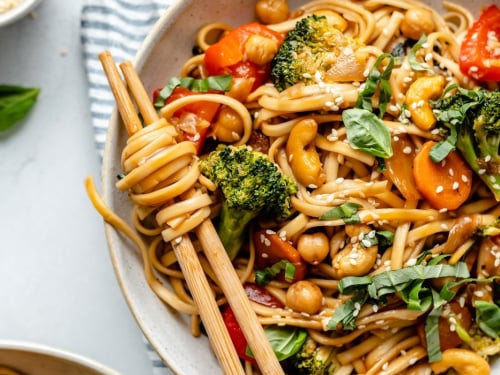
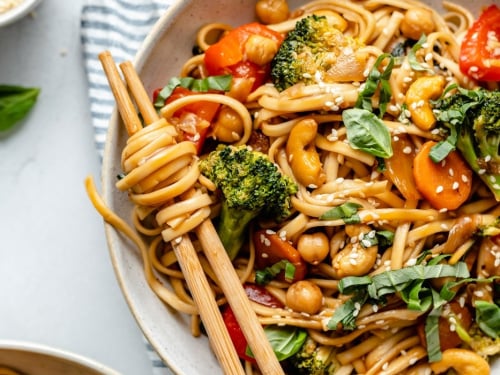
Vegetable Lo Mein: Stir-fry noodles with a medley of vegetables (carrots, cabbage, mushrooms, broccoli) and a savory sauce. (15 minutes)
Spicy Sesame Noodles: Toss cooked noodles with a spicy sesame sauce made from sesame paste, soy sauce, chili oil, and garlic. (10 minutes)
Stir-Fried Green Beans: Stir-fry green beans with garlic, ginger, and a splash of soy sauce. (12 minutes)
Wok Hacks: Speed & Flavor Boosters
undefined to go before you start cooking – chopped, measured, and within easy reach.
Don't be afraid to use pre-made sauces to save time, but learn how to elevate them. A simple addition of ginger, garlic, or chili flakes can transform a store-bought sauce. Frozen vegetables are another time-saver, but be sure to thaw them slightly before adding them to the wok.
Mastering 'wok hei' – that smoky, slightly charred flavor – is key to authentic wok cooking. Achieving this requires high heat, a well-seasoned wok, and a bit of practice. Proper oil selection is also important. Peanut oil, canola oil, and vegetable oil are all good choices due to their high smoke points.
A common mistake is overcrowding the wok. This lowers the temperature and results in steamed, rather than stir-fried, ingredients. Cook in batches if necessary.
- Prep Ingredients: Mise en place is essential.
- Use Pre-Made Sauces: Elevate with fresh ingredients.
- Frozen Vegetables: Thaw slightly before cooking.
- Master Wok Hei: High heat and a seasoned wok.
- Don’t Overcrowd: Cook in batches.
Beyond the Recipes: Wok Inspiration
The 15 recipes above are just a starting point. The world of wok cooking is vast and exciting. For more inspiration, check out reputable food blogs like The Woks of Life (thewoksoflife.com). Unfortunately, the YouTube channel mentioned in my research is currently inaccessible (error 403, forbidden).
There are many other excellent resources available online and in cookbooks. Don't be afraid to experiment with different flavors and ingredients. The most important thing is to have fun and enjoy the process. With a little practice, you’ll be creating delicious, restaurant-quality meals in your own kitchen in no time.
No comments yet. Be the first to share your thoughts!