

The mala foundation
Sichuan cuisine is often associated with heat, but it's so much more than just spicy. The defining characteristic is mala – a complex flavor profile that combines 'ma' (numbing) and 'la' (spicy). It's a sensation that tingles your lips and tongue, leaving a pleasant warmth that lingers. This isn’t about simply adding chili powder; it's about a careful balance of ingredients working in harmony.
The foundation of mala lies in Sichuan peppercorns. These aren’t actually peppercorns at all, but the husks of a fruit from the prickly ash tree. They contain hydroxy-alpha-sanshool, a compound that creates that unique tingling, numbing sensation. The quality of your Sichuan peppercorns makes a huge difference. Look for ones that are fragrant and reddish-brown, avoiding those that are dull or grey.
Chili oil is the 'la' component, and it too has nuance. Many recipes call for simply infusing oil with chili flakes. Authentic Sichuan chili oil goes further, often involving slow-cooked chilies and aromatics to build layers of flavor. Fermented bean paste, particularly Doubanjiang, provides umami and depth. Historically, mala flavors developed in Sichuan due to the region’s cool, damp climate – the spices were thought to warm the body. Over time, regional variations emerged, with some areas preferring more numbing spice and others more heat.
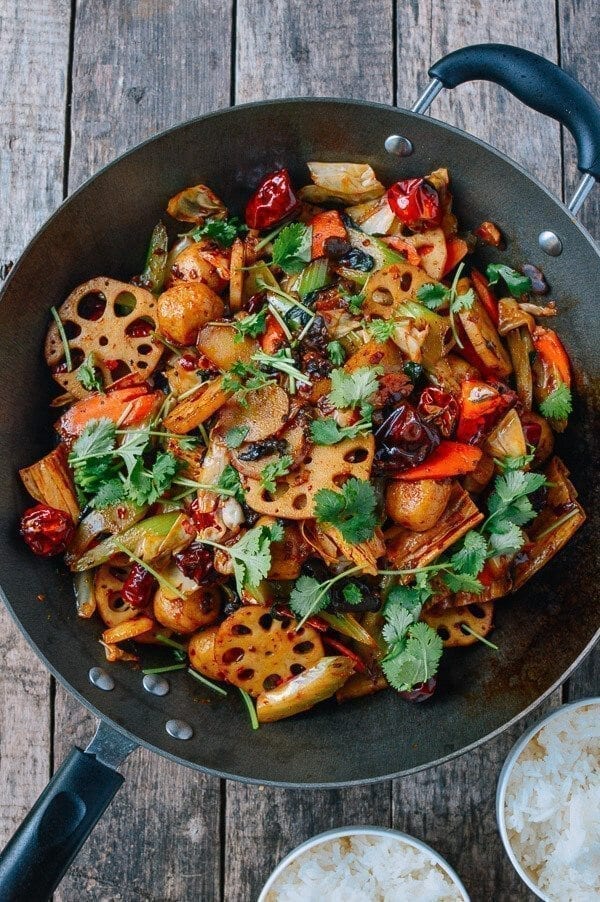
Capturing wok hei
Achieving wok hei – often translated as 'breath of the wok' – is the holy grail of stir-frying. It's that smoky, slightly charred flavor that elevates a simple stir-fry to something truly special. It’s not just about high heat, though that’s essential; it’s about the reaction between the food, the wok, and the flame.
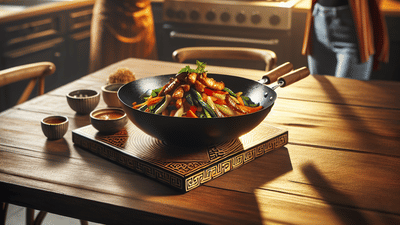
Carbon steel is the preferred material for woks because of its ability to heat up quickly and evenly, and to retain that heat. Round-bottomed woks are traditional, and I believe they offer the best heat distribution, but they require a wok ring for use on most Western stoves. Flat-bottomed woks are more stable on electric or induction cooktops. I spent months trying to get wok hei with a cheaper stainless steel wok, but it just couldn’t deliver.
Building and maintaining high heat is critical. You need a powerful burner – a commercial-grade burner is ideal, but even a high-output home burner can work. Proper preheating is also key. Heat the wok until it’s almost smoking, then add your oil. A little practice, and learning to read the heat of your wok, are essential. Don't overcrowd the wok, as this will lower the temperature and steam the food instead of stir-frying it.
- Ensure your wok is thoroughly dry before heating.
- Heat the wok over high heat until it begins to smoke lightly.
- Add oil and swirl to coat the sides.
- Add aromatics and stir-fry briefly.
- Add main ingredients in batches, avoiding overcrowding.
Sichuan pantry essentials
To truly recreate authentic Sichuan flavors at home, you'll need to stock your pantry with some specific ingredients. Don't be intimidated – many can be found at Asian markets or ordered online. The differences between varieties can be significant, so paying attention to detail matters.
Chili oil is a must-have. Look for fermented chili oil (like Lao Gan Ma) for a deeper, more complex flavor. You can also find infused chili oils with ingredients like crispy garlic or Sichuan peppercorns. Sichuan peppercorns come in green and red varieties; red are more common and have a stronger aroma. Doubanjiang, fermented broad bean paste, is another cornerstone. Pixian Doubanjiang, from Pixian County in Sichuan, is considered the highest quality.
You also need light and dark soy sauce, Shaoxing wine, Chinkiang black vinegar, and sugar. Keep some ground white pepper nearby too. Most of these are easy to find at any Asian grocery store or online.
- Sichuan peppercorns (red for aroma, green for sharper numbing)
- Pixian Doubanjiang (fermented broad bean paste)
- Chili Oil: Fermented chili oil (Lao Gan Ma) is recommended.
- Shaoxing Wine: Chinese rice wine.
- Chinkiang Vinegar: Black vinegar.
Sichuan Pantry Checklist
- Sichuan Peppercorns (花椒) - The numbing spice central to mala flavor. Look for high-quality, fragrant peppercorns.
- Doubanjiang (豆瓣酱) - Fermented broad bean paste. Pixian Doubanjiang is considered the gold standard.
- Dried Red Chilies (辣椒) - Facing Heaven chilies (朝天椒) are commonly used for their heat and aroma. Other varieties work too!
- Fermented Black Beans (豆豉) - Adds a deep, umami flavor. Rinse before use to reduce saltiness.
- Shaoxing Wine (绍兴酒) - A Chinese rice wine used for marinating and deglazing. Substitute with dry sherry if unavailable.
- Chili Oil (辣椒油) - Homemade is best, but high-quality store-bought options are available. Look for sediment!
- Ground Sichuan Chili Flakes (辣椒面) - For adding color and extra heat. Coarse or fine, depending on preference.
The right stir-fry sequence
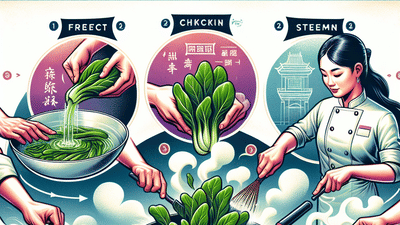
Successful stir-frying isn’t just about heat; it’s about the order in which you add ingredients. The traditional method follows 'three steps': heating the wok, adding aromatics, and then adding the main ingredients. This creates layers of flavor and ensures everything cooks evenly.
Ingredient preparation – mise en place – is essential. Chop all your vegetables and proteins before you start cooking. This allows you to work quickly and efficiently. Cut vegetables into uniform sizes for even cooking. Thinly sliced meats will cook faster than larger chunks. The goal is to have everything ready to go before the wok is hot.
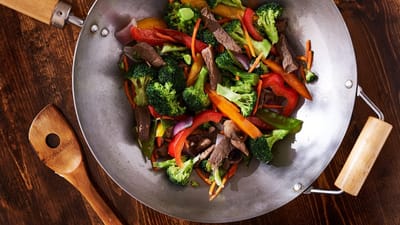
Start by heating the wok until it’s almost smoking. Add oil, then aromatics like garlic, ginger, and chili bean paste. Stir-fry briefly to release their fragrance. Then add your protein, cooking it until it’s almost done. Finally, add your vegetables and sauce, stirring constantly until everything is heated through and coated. Avoid overcrowding the wok; work in batches if necessary to maintain high heat. It took me a long time to learn this – I used to dump everything in at once and end up with steamed, mushy vegetables!
Mapo Tofu: A Mala Classic
Mapo Tofu is arguably the most iconic Sichuan dish, and a perfect example of the mala flavor profile in action. It’s a dish of soft tofu simmered in a spicy, savory sauce, traditionally made with fermented black beans and ground pork. The name 'Mapo' translates to 'pockmarked grandma's tofu,' referring to the dish’s rumored origins with a Chengdu street vendor.
The sauce is the heart of Mapo Tofu. A good ratio is roughly 2 tablespoons Doubanjiang, 1 tablespoon chili oil, and 1 tablespoon fermented black beans (douchi). Adjust to your spice preference. The tofu should be soft or medium-firm; silken tofu will fall apart. Gently simmer the tofu in the sauce, being careful not to break it up too much. A final sprinkle of Sichuan peppercorn powder adds that signature numbing sensation.
Don't overdo the cornstarch. Too much slurry makes the sauce gloppy rather than silky. If the dish tastes flat, add a pinch of sugar or a splash of soy sauce. Most importantly, don't skip the fermented black beans; the dish loses its depth without them.
Mapo Tofu Recipe (Serves 2): 1 block soft tofu, 2 tbsp Doubanjiang, 1 tbsp chili oil, 1 tbsp fermented black beans, 1 cup chicken broth, 1 tbsp soy sauce, 1 tsp sugar, 1 tsp cornstarch slurry, 1 tsp Sichuan peppercorn powder, 2 tbsp chopped scallions. Sauté Doubanjiang and black beans, add broth, tofu, soy sauce, sugar. Simmer 10 mins, thicken with slurry. Garnish with peppercorns and scallions.
Dan Dan Noodles: Spice and Sesame
Dan Dan Noodles are another Sichuan staple – spicy, savory noodles served in a rich sesame sauce. Traditionally, these noodles were sold by street vendors carrying a basket with the sauce and noodles, hence the name 'Dan Dan' (carrying pole).
The sauce is the key. It’s a combination of sesame paste, chili oil, soy sauce, black vinegar, and sometimes a touch of sugar. I prefer to use Chinese sesame paste (zhimao), which is thicker and more flavorful than tahini. The quality of your chili oil again makes a big difference. Some versions include preserved vegetables (zha cai), which add a salty, crunchy element. I personally find them a bit too strong, but it’s a matter of preference.
The noodles are typically thin wheat noodles. Cook them al dente and toss them with the sauce. Top with crushed peanuts, chopped scallions, and a drizzle of chili oil. Hip Wok Aruba on Facebook boasts about their spicy chicken wings Thai style, but I bet they could pull off some great Dan Dan Noodles too.
Variations exist across Sichuan. Some regions add ground pork to the sauce, while others use a more vegetarian approach. Experiment with different ratios of ingredients to find your perfect balance.
Common mistakes to avoid
Making Sichuan food at home can be challenging, and it’s common to encounter a few hurdles. Don't get discouraged! Even experienced cooks make mistakes. The key is to learn from them.
If your dish lacks mala flavor, it’s likely due to insufficient Sichuan peppercorns or Doubanjiang. Add a little more of each, tasting as you go. If it’s too spicy, add a touch of sugar or vinegar to balance the heat. A watery sauce can be fixed by adding a cornstarch slurry, but remember to use it sparingly. Ingredients sticking to the wok usually mean the heat isn’t high enough or you haven’t used enough oil.
I once made a Mapo Tofu that was completely bland – I’d forgotten to add the fermented black beans! It was a valuable lesson. Another time, I overcrowded the wok and ended up with steamed tofu instead of stir-fried. These mishaps taught me the importance of patience and attention to detail.
- Not enough mala flavor: Add more Sichuan peppercorns and Doubanjiang.
- Too much heat: Balance with sugar or vinegar.
- Watery sauce: Thicken with cornstarch slurry (sparingly).
- Ingredients sticking: Increase heat and/or oil.

No comments yet. Be the first to share your thoughts!