
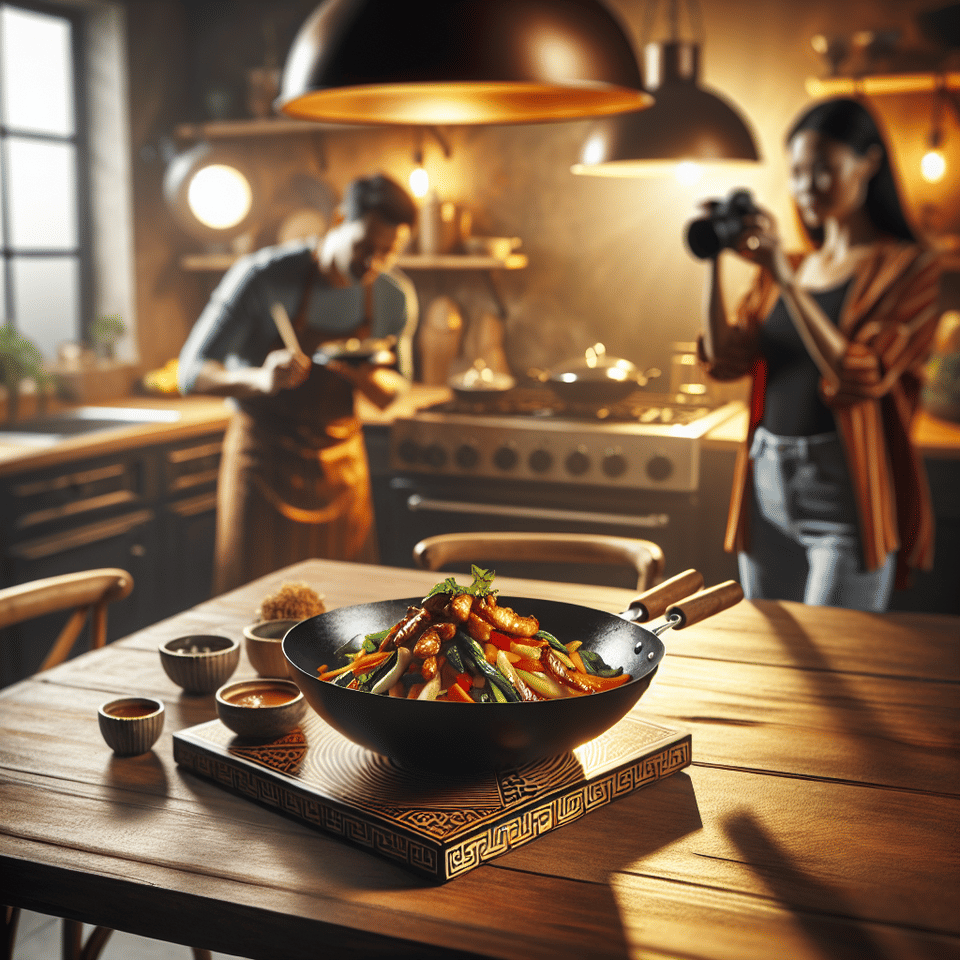
The sizzle of the wok, the vibrant colors of fresh ingredients, and the intoxicating aromas that fill the air—these are the essences of wok cooking that we love to share. But in today's digital age, it's not just about creating a feast for the senses; it's also about styling and presenting your culinary masterpieces in a way that captivates the visual appetites of your social media audience. Whether you're a seasoned chef or a home cook enthusiast, transforming your wok creations into social media sensations is an art form in itself. Let's embark on a journey to plate, style, and present your dishes with flair and finesse for that perfect shot!
Plate with Purpose: The Foundation of Food Styling
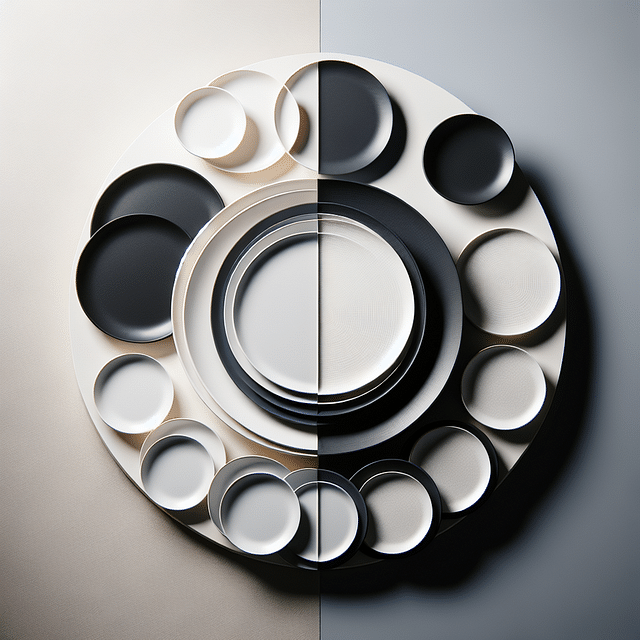
Before you even reach for your camera, consider the canvas—your plate. The choice of dinnerware sets the stage for your dish. Opt for simple, solid-colored plates that make your food pop without stealing the show. Remember, it's all about letting the vibrant stir-fry or succulent noodles take center stage. Think of plating as storytelling; each element should contribute to the narrative you wish to convey.
The Art of Arrangement: Composing Your Wok Masterpiece
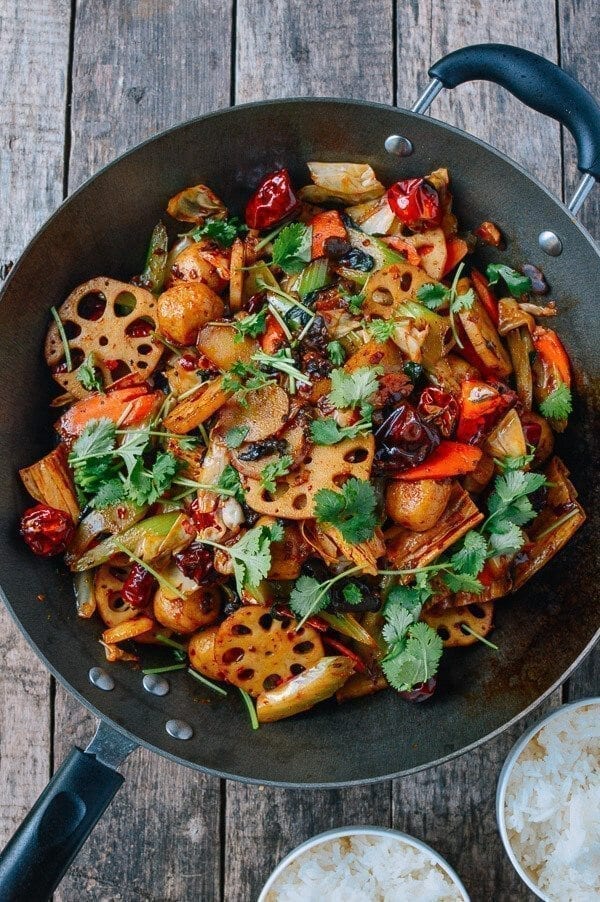
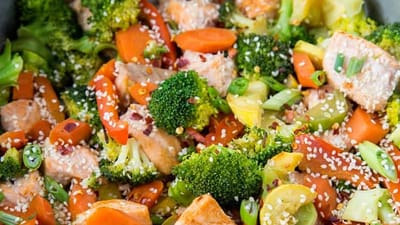
With our plate chosen, we turn our attention to composition. The way you arrange your food can be as crucial as how it tastes when it comes to photography. Aim for balance and contrast in textures and colors. If you've prepared a dish from our classic Chinese recipes, allow each ingredient to be seen; don't let those glistening red peppers or bright green scallions get lost under a mound of rice. Use garnishes not just as decoration but as integral parts of the dish that offer complementary flavors and textures.
Plate Like a Pro
- Color Contrast - Use vibrant ingredients to create a visual 'pop' against neutral tones of the wok.
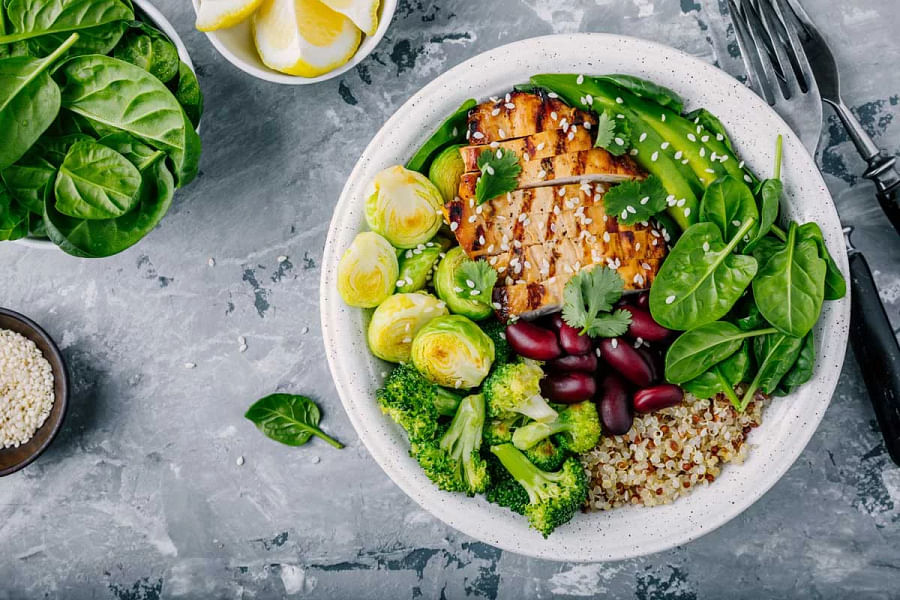
- Ingredient Placement - Arrange components with intention, leading the eye across the dish.
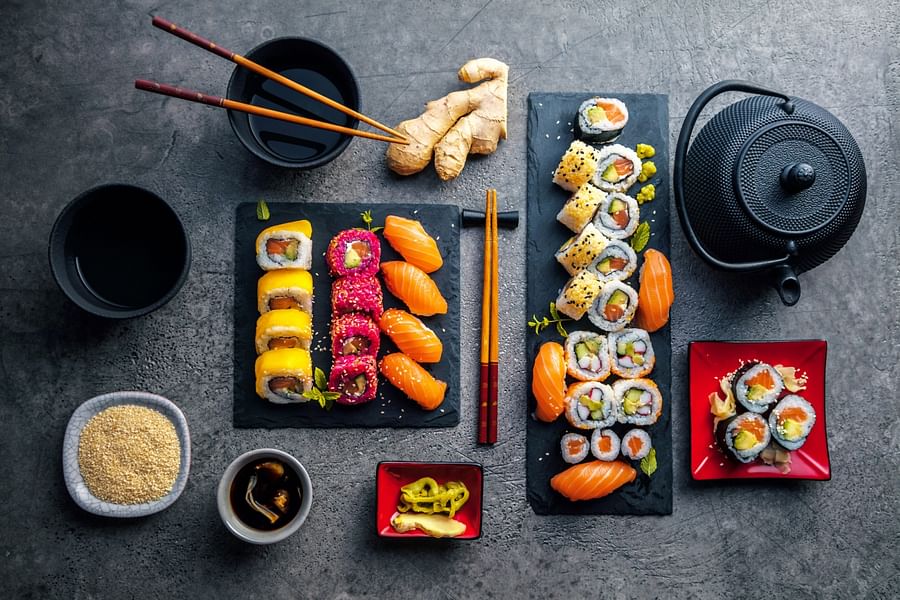
- Texture Variety - Combine crisp, crunchy elements with soft, chewy ones for an engaging experience.
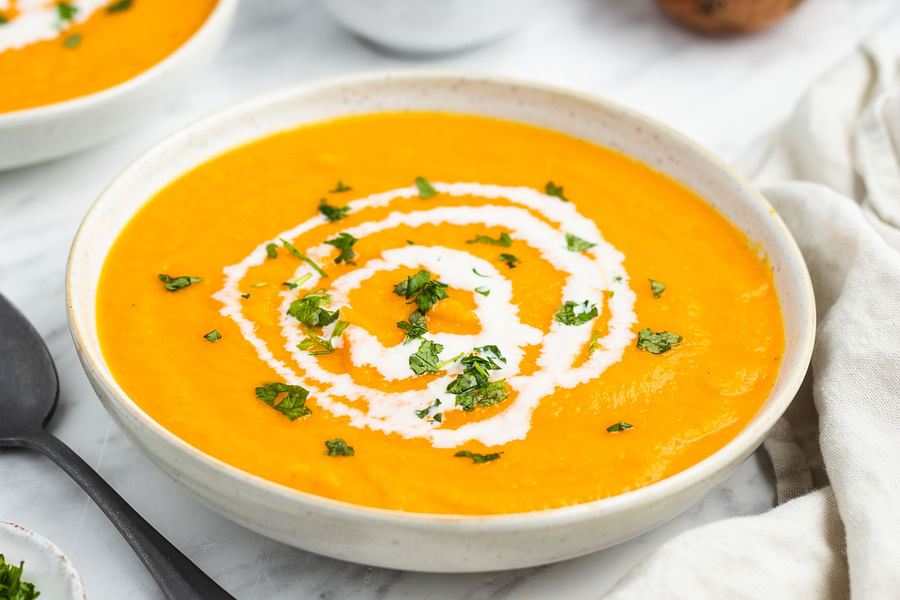
- Layering - Build height and depth by thoughtfully layering ingredients.
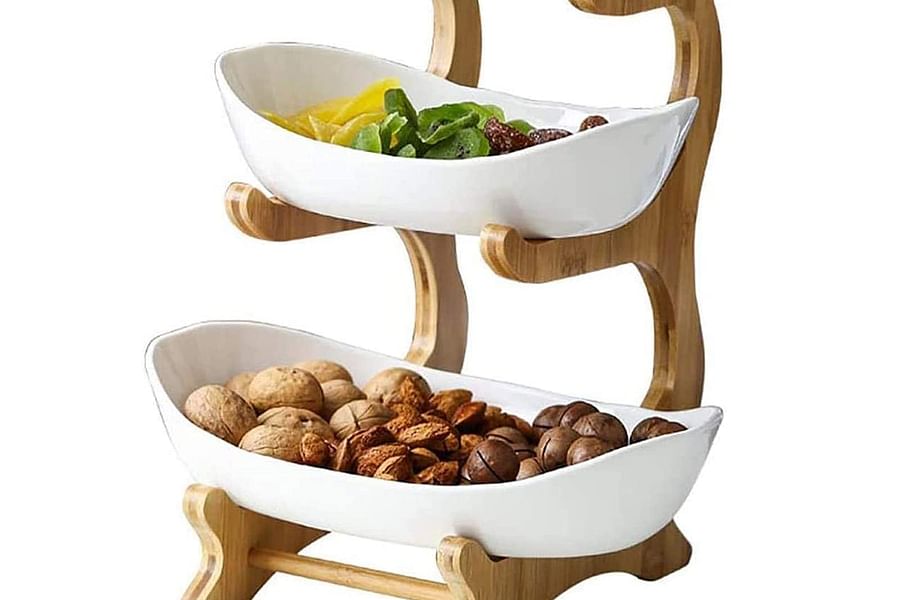
- Garnishing Wisely - Select garnishes that complement the dish’s flavor profile and add visual appeal.
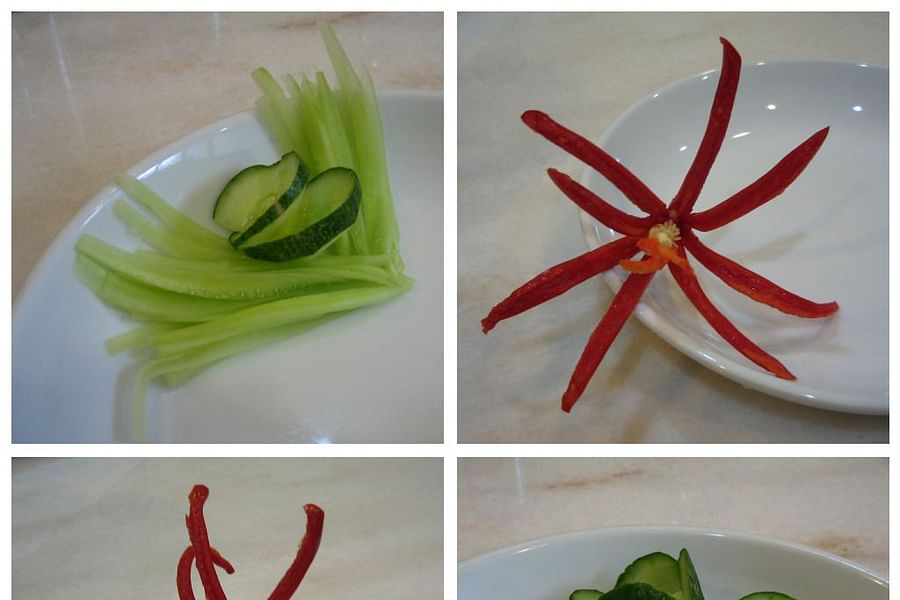
- Plate Choice - Choose a plate that frames your creation and doesn't overcrowd it.
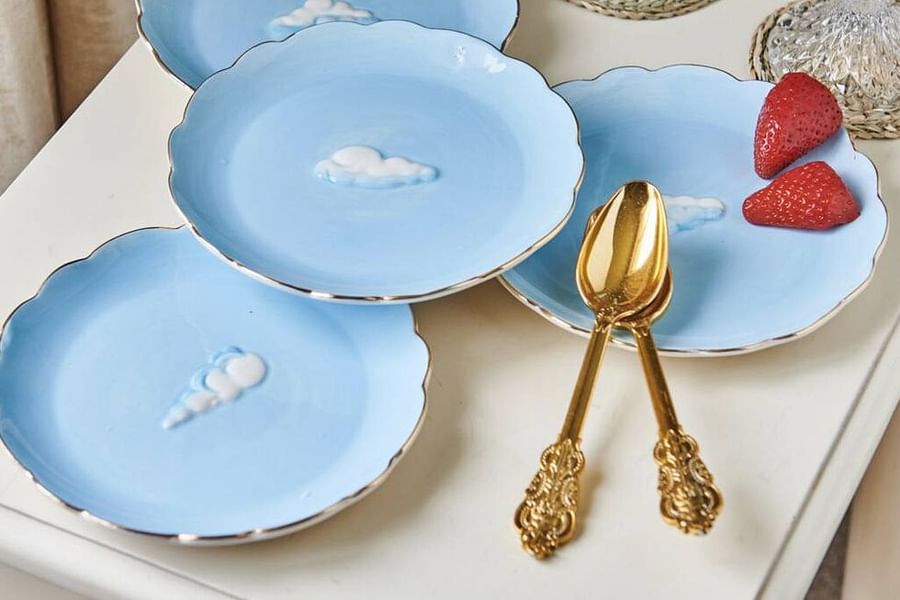
- Negative Space - Leave some areas of the plate empty to make the dish stand out.
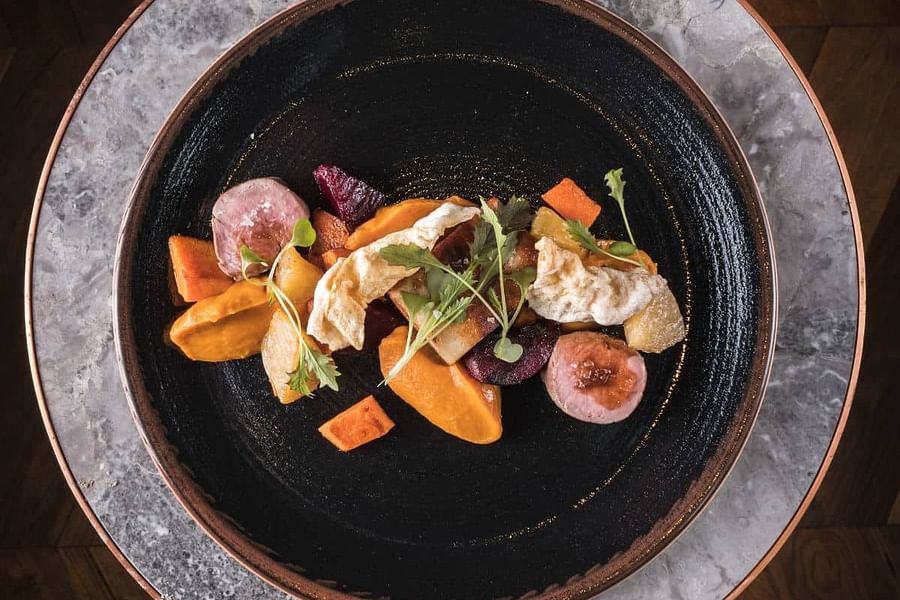
- Sauce Artistry - Use sauces to add flair with drizzles, dots, or other artistic patterns.
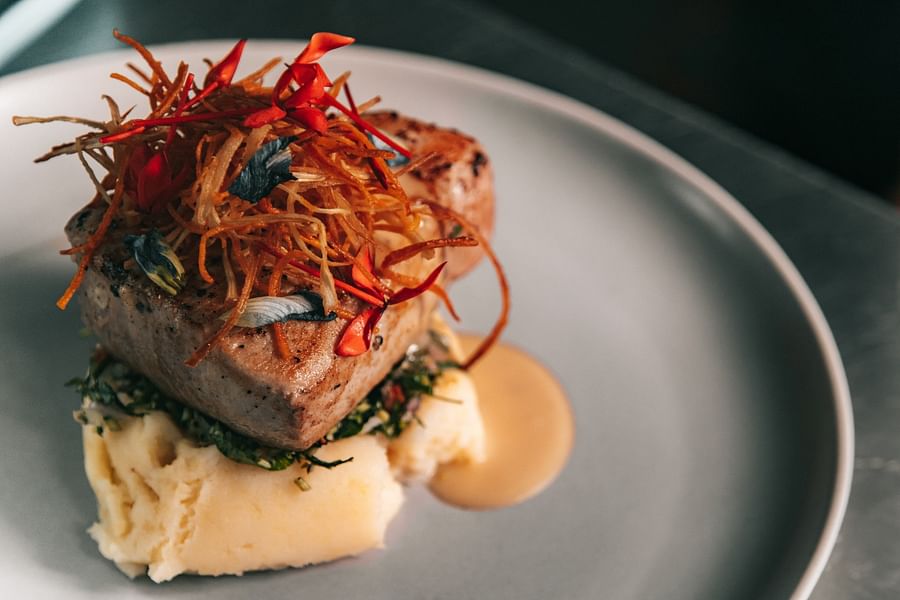
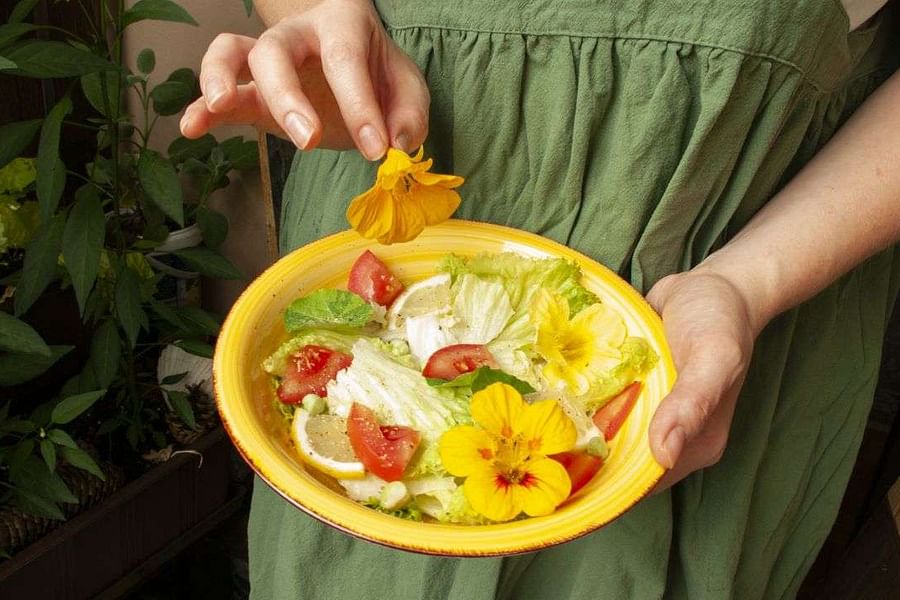
- Edible Decor - Incorporate edible flowers or herbs for a touch of elegance.
- Lighting and Angles - Capture your dish in the best light and from an angle that showcases its beauty.
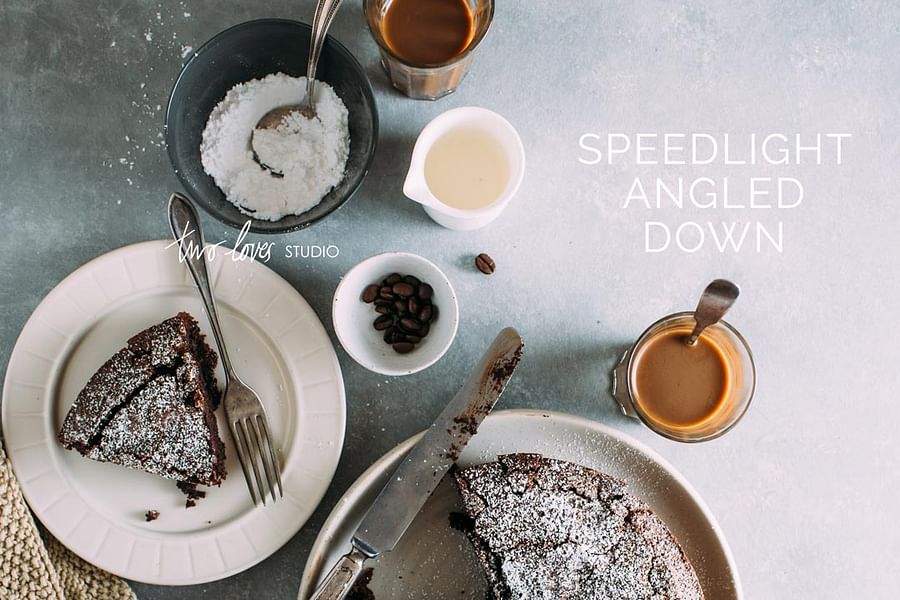
Lights, Camera, Action: Capturing Your Creation
A well-lit photo can mean the difference between an average image and one that jumps off the screen. Natural light is your best friend here—it softens shadows and brings out the true colors of your food without harsh artificiality. Positioning is everything; try different angles to see how they change the mood and feel of your shot.
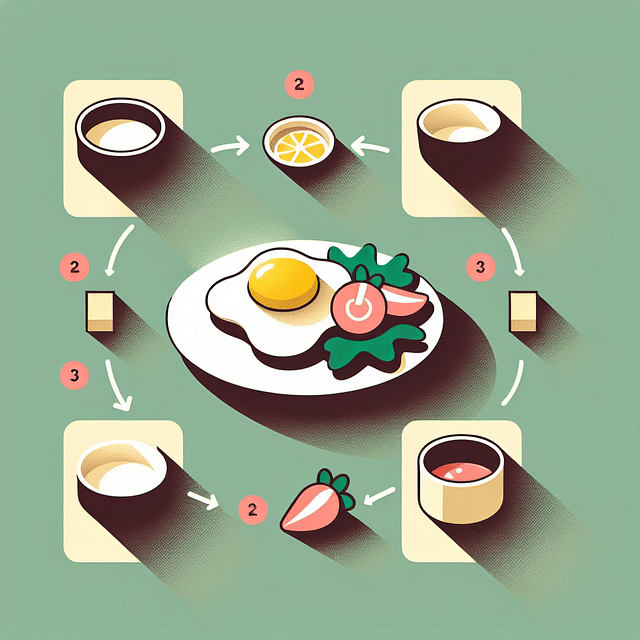
Mastering Natural Light in Food Photography
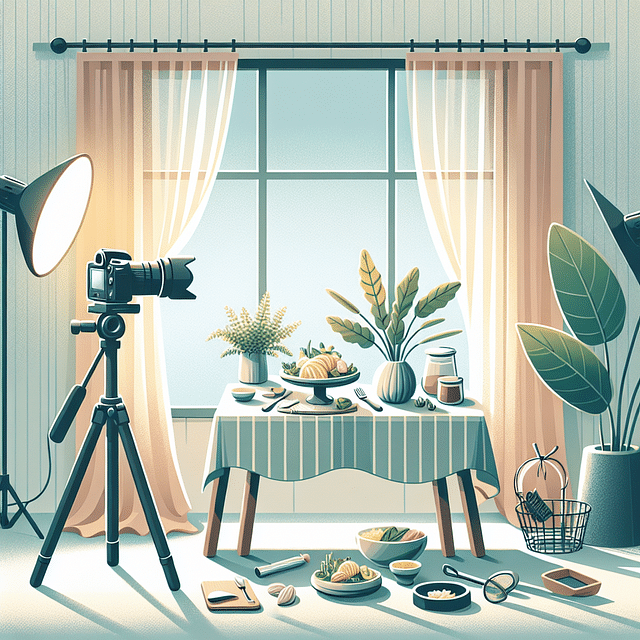

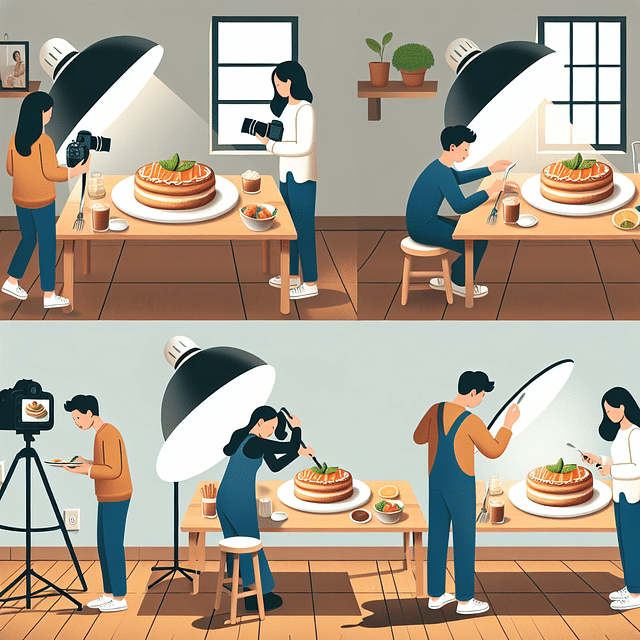
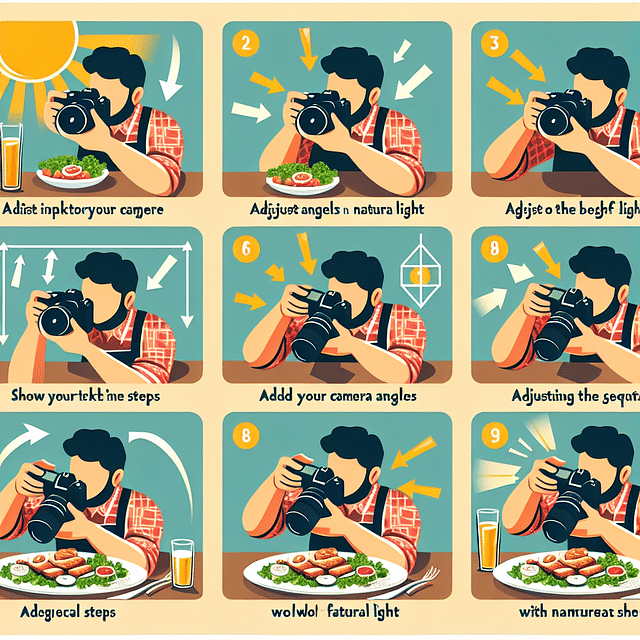
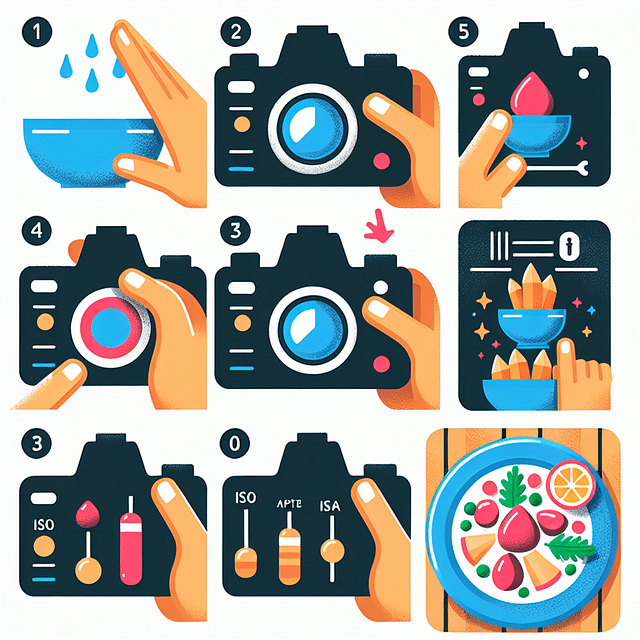
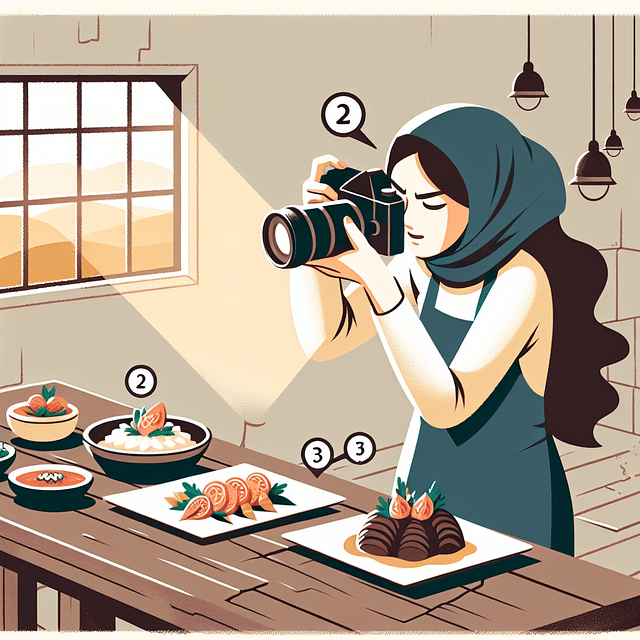
When you're ready to snap that picture, consider using props to add depth and context to your image. A pair of chopsticks casually placed beside a bowl or steam rising from a hot wok can tell a story of freshness and immediacy. If you've followed our guide on seasoning your wok, why not show off its well-earned patina as part of your backdrop? These details invite viewers into an experience rather than just showing them a static dish.
Now let's talk about engagement—after all, what good is a stunning photo if no one sees it? Hashtags are powerful tools for getting eyes on your creations. Use relevant tags like #WokCooking or #Foodie so like-minded individuals can find and appreciate your work. Engage with other food enthusiasts by liking and commenting on their posts; social media is as much about community as it is about content.
Top Hashtags for Wok Dish Popularity on Social Media
As you prepare to showcase your next wok creation, remember these tips are just starting points; creativity knows no bounds! Whether you're crafting something from our easy wok recipes for beginners or tackling more complex dishes like those found in traditional Chinese cooking guides, what matters most is capturing the essence of what makes wok cooking so special—the heat, motion, tradition—and translating that into visuals that resonate with others.
In my next segment, I'll delve deeper into editing techniques that can elevate your photos from good to great—think brightening those greens or making sure every grain of rice stands out—and we'll explore some advanced composition strategies that will set your images apart from the crowd.
Mastering the Art of Wok Plating
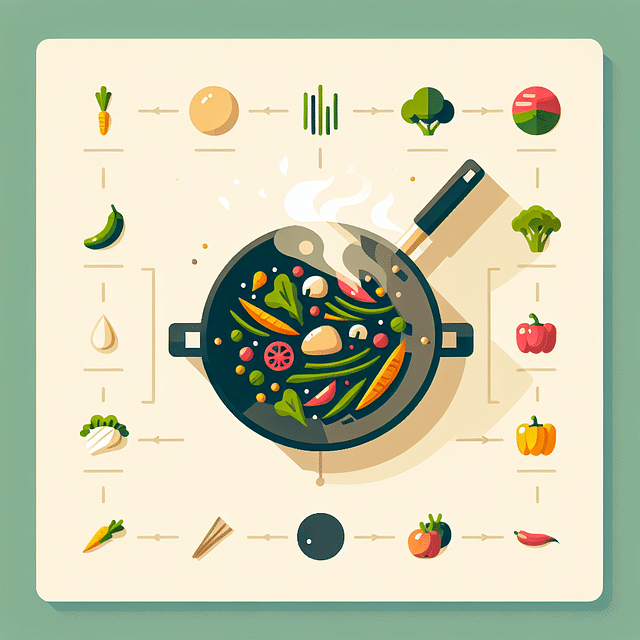
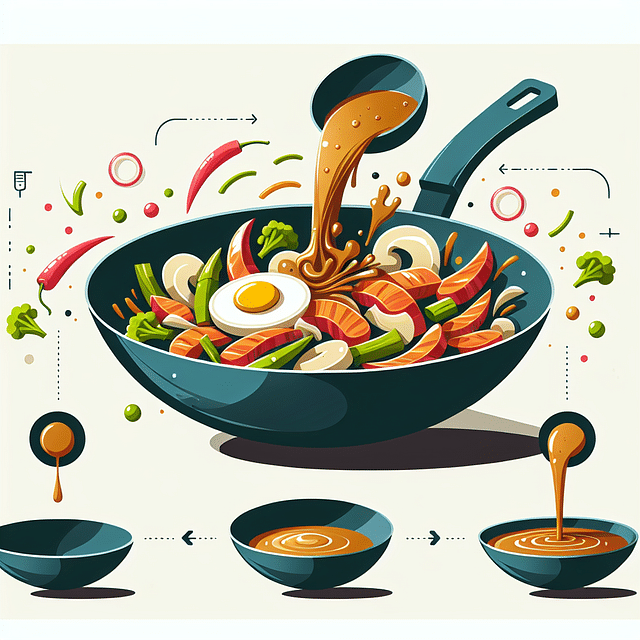
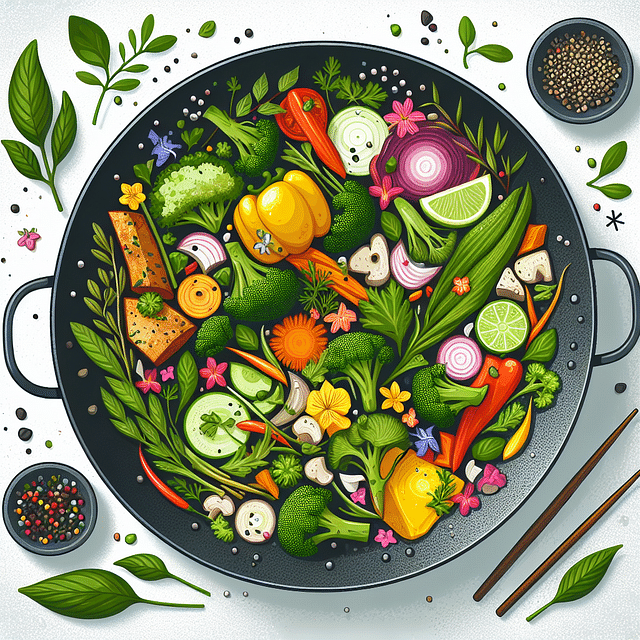
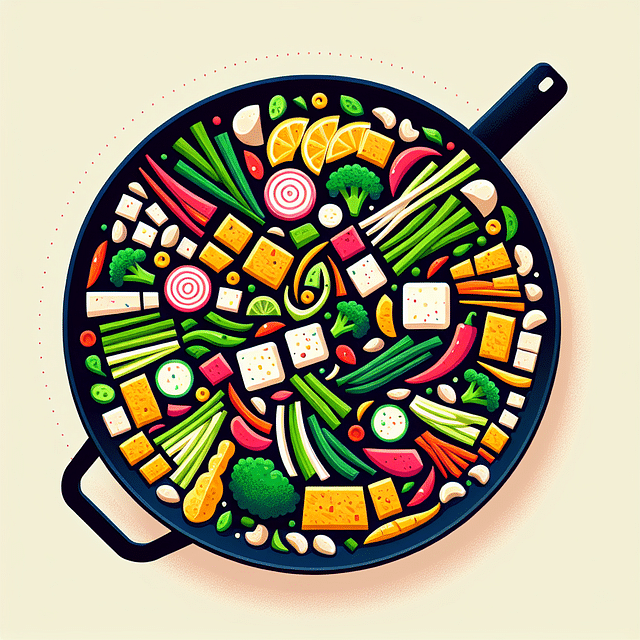
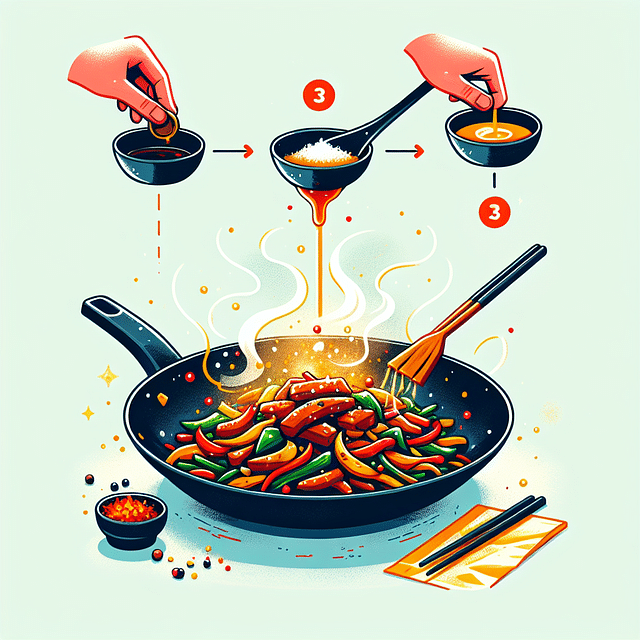
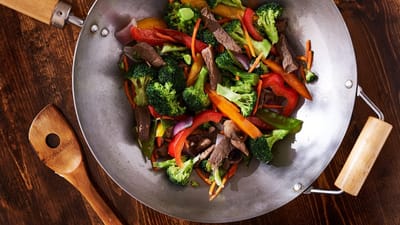
Now that your dish is sizzling hot and ready, it's time to plate like a pro. The key to enticing plating is simplicity and elegance. Use a plain, neutral-colored plate that makes your wok creation the star of the show. Remember, we eat with our eyes first, so arrange your food with care. Consider the balance of colors and textures, and place your ingredients purposefully to create a visual feast. A sprig of fresh herbs or a sprinkle of sesame seeds can add that final touch of flair.
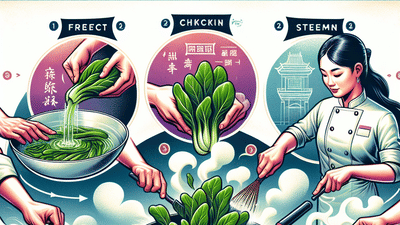
Plating Perfection: A Visual Guide to Wok Dish Presentation
Capturing Your Wok Masterpieces with Food Photography
With your dish beautifully plated, it's time to capture its essence through the lens. Food photography is all about lighting, angles, and composition. Natural light is your best friend here—position your plate near a window where soft light can illuminate the vibrant colors and textures of your dish. Play around with different angles; an overhead shot can showcase the dish's composition, while a side angle might highlight its depth.

Don't forget about the background! A cluttered or busy background can detract from your main subject. Use simple backdrops such as wooden boards or plain fabrics to keep the focus on your culinary creation.
Social Media Strategies for Food Enthusiasts
To turn heads on social media, you need more than just a pretty picture. Crafting an engaging story around your wok dishes can make all the difference. Share insights into the ingredients you've chosen, the origins of the recipe, or even a personal anecdote related to the meal. This helps create a connection with your audience and gives them a reason to hit 'like' or leave a comment.
Incorporating hashtags is also vital for reaching a broader audience interested in Asian cuisine. Hashtags like #WokCookingMagic or #HipWokCreations can help others discover your content.
When posting videos or stories, remember to be authentic and show some behind-the-scenes action. People love seeing the process almost as much as they enjoy admiring the final product! Engage with other food lovers by commenting on their posts and sharing content that resonates with you.
What spices up your scroll?
When you're feasting your eyes on food posts, what ingredient makes you hit 'like'?
Boost Your Wok Cooking Journey Online
Your journey doesn't end once you've posted that perfect shot online. Engaging with fellow wok enthusiasts is crucial in building an online community around your passion for Asian cuisine. Join groups or forums dedicated to wok cooking where you can exchange tips with others who share your zeal for this culinary art form.
If you’re looking to expand beyond social media platforms, consider starting a blog where you can dive deeper into topics like traditional Chinese cooking, or share more extensive guides on mastering wok seasoning techniques.
"The wok isn't just a cooking vessel; it's a canvas where flavors dance and stories are told."
To further enhance your skills and knowledge about this versatile tool, don't miss out on resources such as the ultimate guide to wok cooking for beginners, which offers invaluable insights into using and maintaining your beloved wok.
Wok Your Followers: Essential Gear for Sizzling Social Media Shares
Inspire others by sharing not just recipes but also tips on caring for their own woks through guides like mastering wok cleaning, preparing, and seasoning. Remember that every post contributes to fostering an appreciation for this ancient yet ever-evolving form of culinary artistry.
Your passion for wok cooking has no bounds—let it shine through every photo snapped, every story told, and every mouthwatering dish shared online. With these tips in hand and fire in heart (and under your wok!), you're ready to stir up some serious social media success!
No comments yet. Be the first to share your thoughts!