

Wok Cooking: Beyond Stir-Fry
The wok often brings to mind quick, flavorful takeout stir-fries, but its uses go much deeper. A cornerstone of Chinese cooking for centuries, the wok is a versatile vessel capable of steaming, deep-frying, smoking, and more.
A wok's sloping sides and rounded bottom allow for quick, even heating and easy ingredient tossing. This design is perfect for fast cooking, ideal for busy weeknights. It's a different technique than using a standard skillet, which can feel intimidating at first.
The goal is a delicious, healthy meal on the table quickly, with minimal cleanup. Once you master wok cooking, it becomes a go-to for many meals. This guide covers wok selection, seasoning, maintenance, and 15 recipes for busy evenings.
These recipes focus on simplicity and speed, coming together in under 30 minutes with readily available ingredients. Expect a mix of flavors and protein options, including vegetarian choices. Dishes range from classic stir-fries to noodle dishes and quick soups.
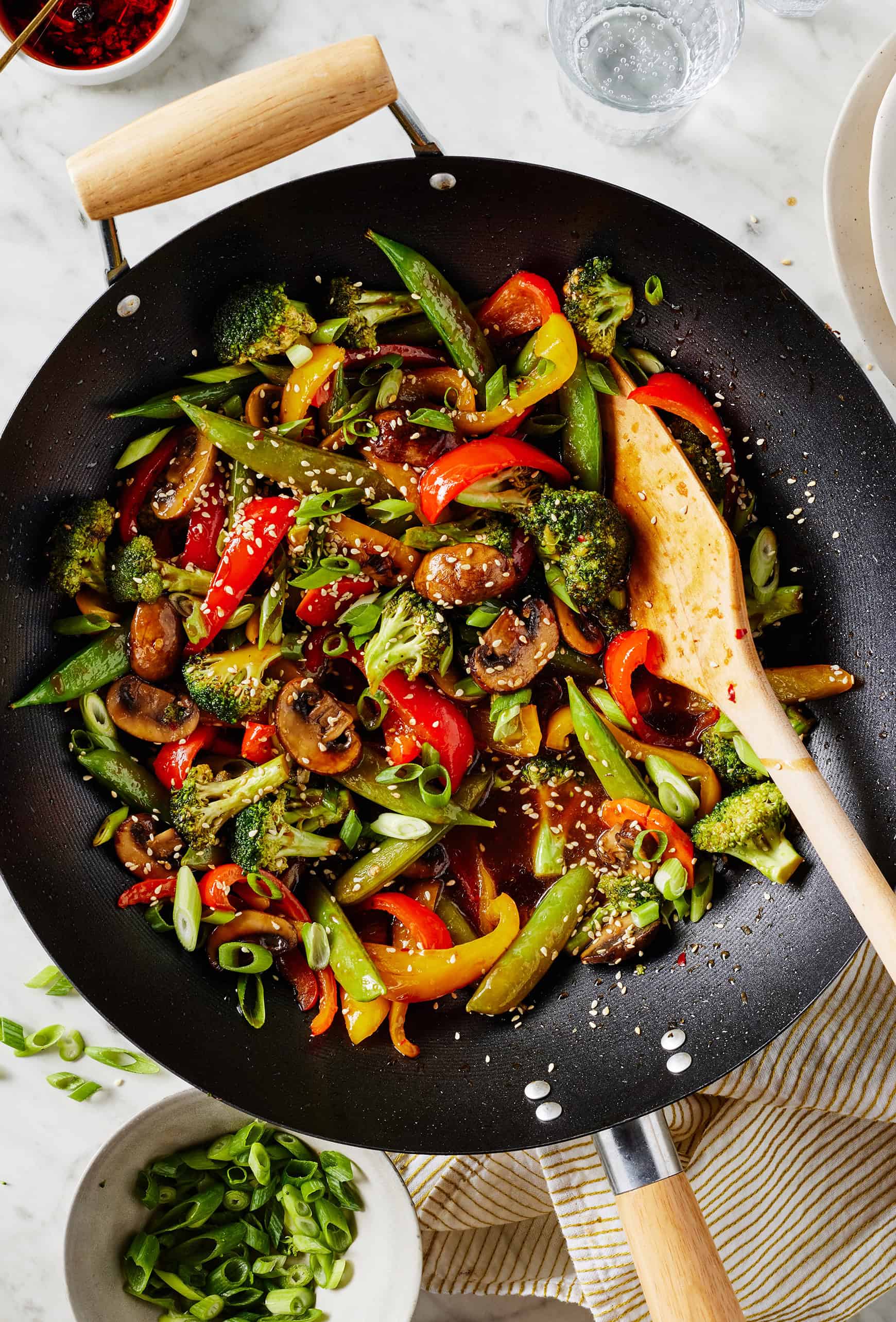
Wok Basics: Steel, Non-Stick, and Shape
Choosing a wok comes down to material and shape. Carbon steel is the traditional choice. It heats up quickly and retains heat well, essential for proper wok cooking, but requires seasoning and maintenance to prevent rust.
Non-stick woks are convenient for beginners, eliminating the need for seasoning and making cleanup easy. However, the coating wears off over time, and they don't reach the high temperatures of carbon steel. They also don't handle high-heat techniques like searing well.
Stainless steel woks offer durability and ease of cleaning without requiring seasoning. However, they don't heat as efficiently as carbon steel, and food can stick more easily, making them a compromise that doesn't excel in any one area.
Round-bottom woks are traditional and ideal for gas stoves with a wok ring, while flat-bottom woks suit electric or induction cooktops. Maximum heat concentration is achieved with a round-bottom wok and ring. Steel thickness is a consideration, but the 'best' thickness depends on your specific stove and cooking style.
- Carbon Steel: Fast heating, excellent heat retention, requires seasoning.
- Non-Stick: Convenient, easy to clean, coating wears off over time.
- Stainless Steel: Durable, easy to clean, doesn’t heat as efficiently.
Wok Material Comparison
| Material | Heat-Up Time | Seasoning Required | Durability | Best Uses | Beginner-Friendly (1-5 stars) |
|---|---|---|---|---|---|
| Carbon Steel | Very Fast | Yes, essential for non-stick performance | High, but susceptible to rust if not maintained | High-heat stir-fries, steaming, deep-frying | 2/5 |
| Stainless Steel | Moderate | No | Very High, resistant to rust and corrosion | Versatile - stir-fries, braising, steaming, boiling | 3/5 |
| Non-Stick | Moderate | No | Moderate, coating will degrade over time | Gentle stir-fries, eggs, sauces (avoid high heat) | 5/5 |
| Carbon Steel (Heavy Gauge) | Fast | Yes, essential | Excellent, more resistant to warping | All-purpose wok cooking, especially high-heat techniques | 2/5 |
| Stainless Steel (Clad) | Slower than Carbon Steel | No | Exceptional, even heat distribution | Recipes requiring precise temperature control, sauces | 3/5 |
Illustrative comparison based on the article research brief. Verify current pricing, limits, and product details in the official docs before relying on it.
Seasoning Your Wok: The Patient Process
Seasoning a carbon steel wok is crucial for creating a natural non-stick surface and protecting it from rust. This process takes time and patience, but the resulting patina enhances the wok’s performance and longevity.
To season, first wash the wok with hot, soapy water to remove residue, then dry it completely. Coat the entire wok with a thin layer of oil (peanut, vegetable, or canola work well). Heat the wok over medium-high heat until it smokes, then continue heating for a few minutes before letting it cool completely.
Repeat this process several times, adding a new layer of oil each time. The wok will gradually darken as the seasoning builds up; smoking is normal, so ensure good ventilation. A well-seasoned wok develops a dark, non-stick surface that improves with use.
Common mistakes include using too much oil, which creates a sticky mess, or not heating the wok enough. If a sticky residue forms, scrub it off and start over. While some woks come pre-seasoned, adding several layers yourself ensures optimal performance.
- Wash the wok with hot, soapy water and dry thoroughly.
- Coat the entire wok with a thin layer of oil.
- Heat the wok over medium-high heat until it starts to smoke.
- Let the wok cool completely.
- Repeat the process several times.
15 Weeknight Wok Recipes
Here are quick and delicious wok recipes, designed to be adaptable to what you have on hand. Substitute vegetables or proteins as you like. The key is to have everything prepped before cooking, as wok cooking is fast.
1. Chicken and Broccoli Stir-Fry (20 minutes): 1 lb chicken breast, cut into bite-sized pieces; 1 head broccoli, chopped; 2 tbsp soy sauce; 1 tbsp cornstarch; 1 tbsp sesame oil; 1 tsp ginger, minced; 2 cloves garlic, minced. Marinate chicken in soy sauce and cornstarch. Stir-fry chicken, then add broccoli, ginger, and garlic. Finish with sesame oil.
2. Shrimp Scampi with Noodles (15 minutes): 1 lb shrimp, peeled and deveined; 8 oz spaghetti; 4 tbsp butter; 3 cloves garlic, minced; 1/4 cup white wine; 2 tbsp lemon juice; parsley, chopped. Cook noodles. Sauté shrimp with garlic and butter, then deglaze with wine and lemon juice. Toss with noodles and parsley.
3. Beef and Broccoli (25 minutes): 1 lb flank steak, thinly sliced; 1 head broccoli, chopped; 1/4 cup soy sauce; 2 tbsp oyster sauce; 1 tbsp brown sugar; 1 tbsp cornstarch. Marinate beef in soy sauce, oyster sauce, brown sugar, and cornstarch. Stir-fry beef, then add broccoli.
4. Vegetable Lo Mein (20 minutes): 8 oz lo mein noodles; 1 cup mixed vegetables (carrots, peas, mushrooms); 2 tbsp soy sauce; 1 tbsp oyster sauce; 1 tsp sesame oil. Cook noodles. Stir-fry vegetables, then add noodles, soy sauce, oyster sauce, and sesame oil.
5. Pork Fried Rice (20 minutes): 2 cups cooked rice; 1 lb pork, diced; 1/2 cup peas; 1/2 cup carrots, diced; 2 eggs, scrambled; 2 tbsp soy sauce. Stir-fry pork, then add rice, peas, carrots, and eggs. Finish with soy sauce.
6. Spicy Peanut Noodles (15 minutes): 8 oz noodles; 1/4 cup peanut butter; 2 tbsp soy sauce; 1 tbsp rice vinegar; 1 tsp chili garlic sauce. Combine peanut butter, soy sauce, rice vinegar, and chili garlic sauce. Toss with noodles.
7. Ginger Garlic Chicken (20 minutes): 1 lb chicken, diced; 2 tbsp ginger, minced; 4 cloves garlic, minced; 1/4 cup soy sauce; 1 tbsp honey. Marinate chicken in ginger, garlic, soy sauce, and honey. Stir-fry chicken.
8. Honey Garlic Shrimp (15 minutes): 1 lb shrimp, peeled and deveined; 1/4 cup honey; 2 tbsp soy sauce; 2 cloves garlic, minced. Marinate shrimp in honey, soy sauce, and garlic. Stir-fry shrimp.
9. Tofu Stir-Fry (20 minutes): 1 block tofu, cubed; 1 cup mixed vegetables; 2 tbsp soy sauce; 1 tbsp sesame oil. Stir-fry tofu and vegetables. Finish with soy sauce and sesame oil.
10. Quick Chicken Curry (25 minutes): 1 lb chicken, diced; 1 can coconut milk; 2 tbsp curry powder; 1 onion, chopped; 1 clove garlic, minced. Sauté onion and garlic. Add chicken, coconut milk, and curry powder. Simmer until chicken is cooked through.
11. Sweet and Sour Pork (30 minutes): 1 lb pork, cubed; 1/4 cup sweet and sour sauce; 1/2 cup pineapple chunks; 1/2 cup bell peppers, sliced. Stir-fry pork, then add sweet and sour sauce, pineapple, and bell peppers.
12. Mapo Tofu (20 minutes): 1 block tofu, cubed; 2 tbsp doubanjiang (fermented bean paste); 1 tbsp soy sauce; 1 tsp chili oil. Stir-fry tofu with doubanjiang, soy sauce, and chili oil.
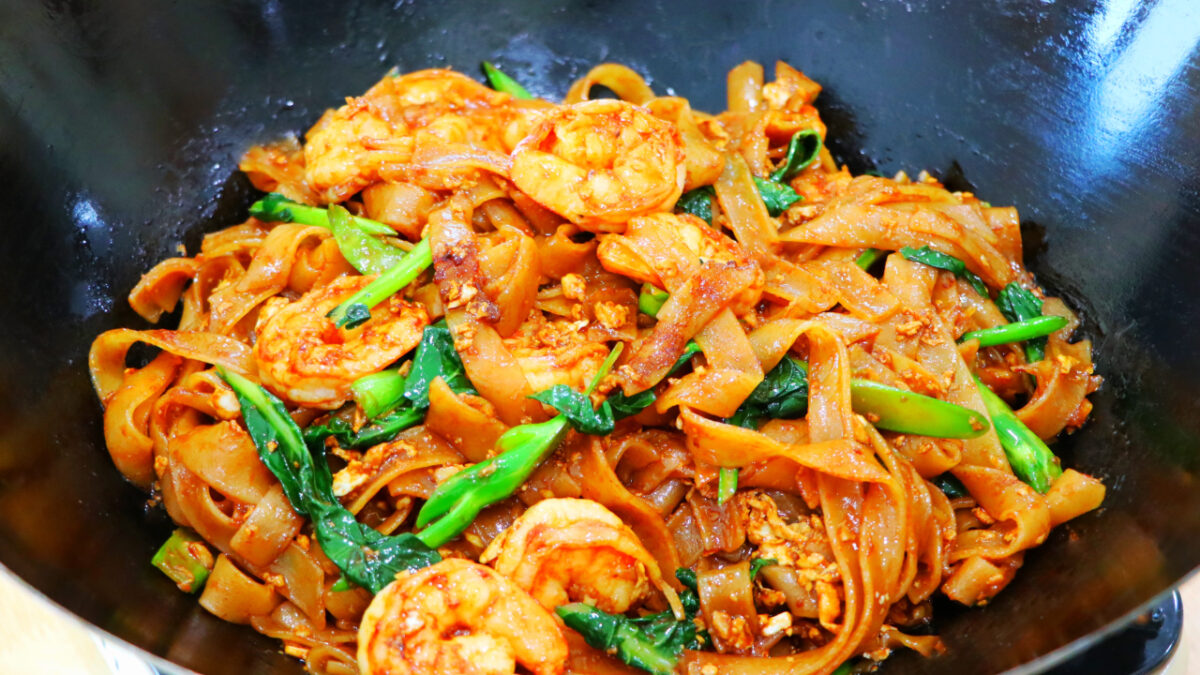
13. Drunken Noodles (25 minutes): 8 oz wide rice noodles; 1 lb chicken, sliced; 1 cup Chinese broccoli; 2 tbsp soy sauce; 1 tbsp oyster sauce; 1 tbsp dark soy sauce. Stir-fry chicken, then add noodles, Chinese broccoli, soy sauce, oyster sauce, and dark soy sauce.
14. Garlic Bok Choy (10 minutes): 1 lb bok choy, chopped; 4 cloves garlic, minced; 2 tbsp soy sauce; 1 tbsp sesame oil. Stir-fry bok choy with garlic. Finish with soy sauce and sesame oil.
15. Simple Wonton Soup (20 minutes): 1 package wontons; 4 cups chicken broth; 1 green onion, sliced. Bring chicken broth to a boil. Add wontons and cook until heated through. Garnish with green onion.
Recipe Standouts: Quick Chicken & Shrimp
Out of the 15 recipes, the Chicken and Broccoli Stir-Fry and the Shrimp Scampi with Noodles consistently get rave reviews. They’re quick, easy, and incredibly flavorful. Both are fantastic weeknight options that can be easily customized to suit your tastes.
Chicken and Broccoli Stir-Fry: This recipe is a classic for a reason. The key is to marinate the chicken for at least 15 minutes to ensure it’s tender and flavorful. Don’t overcrowd the wok when stir-frying the chicken; work in batches if necessary. For an extra kick, add a pinch of red pepper flakes. You can also substitute the broccoli with other vegetables like snap peas or carrots.
Shrimp Scampi with Noodles: This recipe is incredibly versatile. Feel free to experiment with different types of noodles – linguine, fettuccine, or even angel hair pasta work well. A splash of dry sherry or a squeeze of lemon juice can brighten up the flavor. You can also add some chopped tomatoes or spinach for extra nutrients.
What I like about both of these is how easily you can adapt them. Need a vegetarian option? Swap the chicken or shrimp for tofu. Want more heat? Add some chili garlic sauce. The wok really allows for experimentation and quick adjustments. It’s a forgiving cooking method, which is perfect for busy weeknights.
Wok Maintenance: Keeping It Seasoned
Proper maintenance is essential for keeping your wok in top condition. After each use, rinse it with hot water and a soft sponge. Avoid using soap unless absolutely necessary, as it can strip away the seasoning. If you do use soap, re-season the wok afterwards. Dry the wok thoroughly with a towel, then place it over medium heat to evaporate any remaining moisture.
After drying, lightly oil the wok with a thin coat of oil. This prevents rust and maintains the seasoning. If rust does appear, scrub it off with steel wool and re-season the wok. Remember, seasoning is an ongoing process. The more you use your wok, the better it will become.
Regular use is the best maintenance. Even if you're not cooking a full meal, quickly stir-frying some vegetables or garlic in oil will help maintain the seasoning. Don't be afraid to experiment and enjoy the process. A well-maintained wok will last for years and become a beloved part of your kitchen arsenal. You can find more detailed information on wok care here:
Beyond the Recipes: Wok Accessories
While a wok itself is the most important tool, a few accessories can enhance your cooking experience. A wok spatula, typically made of wood or bamboo, is essential for maneuvering food around the wok. A long-handled ladle is useful for scooping sauces and soups. A wok ring is helpful for stabilizing a round-bottom wok on a flat stovetop.
Steamer baskets are also a great addition, allowing you to steam vegetables, dumplings, or fish. While these accessories can be helpful, they aren't strictly necessary. You can get by with a regular spatula and ladle, and a round-bottom wok can be used without a ring (though it requires more careful balancing). Focus on the essentials first, and add accessories as needed.
No comments yet. Be the first to share your thoughts!