

Wok hei vs. air fryer crisp
The debate between a wok and an air fryer for Asian cuisine isn't about declaring a single winner. They operate on fundamentally different principles. Woks are all about rapid, high-heat stir-frying and achieving wok hei – that sought-after "breath of the wok" flavor. Air fryers, on the other hand, use convection to create crispy textures, often with very little oil.
For years, the wok has been the workhorse of Asian kitchens, but air fryers have exploded in popularity. It’s tempting to see them as interchangeable, especially given the marketing around "air frying’ Asian-inspired dishes. However, they"re distinct tools, and their suitability depends heavily on what you're trying to cook.
By 2026, both technologies have advanced. We’re seeing woks with improved heat conductivity and air fryers with more precise temperature controls and even stirring mechanisms. This makes the comparison more nuanced than ever, but the core differences remain. Our focus here is specifically on how each performs when tackling authentic Asian flavors and techniques.
Why the wok still wins on flavor
The wok's design isn't accidental. Its shape is specifically engineered to facilitate the high-heat, quick-cooking style essential for many Asian dishes. The sloped sides allow you to easily toss and move ingredients, ensuring even cooking, while the rounded bottom concentrates heat directly under the food.
Achieving authentic Asian flavors, especially those relying on wok hei, is incredibly challenging without a wok. That smoky, slightly charred flavor isn’t simply about high heat; it’s about the interaction between the food, the oil, and the carbon steel surface. It's a result of small droplets of oil vaporizing and re-condensing on the food, imparting a unique taste.
There are several types of woks available. Carbon steel is the most popular choice for its responsiveness and ability to develop a natural non-stick patina. Cast iron woks retain heat exceptionally well, but are heavier and slower to heat up. Stainless steel woks are durable and easy to clean but don’t impart the same flavor as carbon steel. The learning curve can be steep, requiring practice to master heat control and the tossing technique.
Seasoning a wok is essential, particularly with carbon steel. This process builds up layers of polymerized oil, creating a natural non-stick surface and contributing to the development of wok hei. Proper care, including regular cleaning and oiling, is crucial for maintaining a wok's performance.
Where air fryers actually make sense
Let’s be realistic: air fryers are incredibly convenient. They excel at producing crispy textures with minimal oil, making them appealing for health-conscious cooks. They're also generally easier to clean and require less skill to operate than a wok. This ease of use is a major selling point.
Air fryers perform surprisingly well with certain Asian dishes. Spring rolls, fried dumplings, and karaage all benefit from the air fryer’s ability to create a crispy exterior without deep-frying. They’re also great for reheating leftovers, restoring some of that original crispness.
However, air fryers struggle to replicate the complex flavors developed in a wok. The lack of direct contact with a hot surface and the limited ability to control the cooking environment mean you’ll miss out on that crucial wok hei. Newer models, like the Ninja Foodi FlexBasket Air Fryer (released in late 2025), include features like built-in stirrers and more precise temperature probes in an attempt to address this limitation.
These advancements are promising, but they still don’t fully replicate the wok experience. The air fryer’s focus remains on texture, while the wok prioritizes flavor development.
The results by dish
Let's get down to specifics. How do these two tools stack up when preparing common Asian dishes? Stir-fried noodles, like lo mein or pad thai, are a clear win for the wok. The high heat and tossing action create perfectly coated noodles with a smoky flavor. An air fryer will struggle to achieve the same result, often producing dry, unevenly cooked noodles.
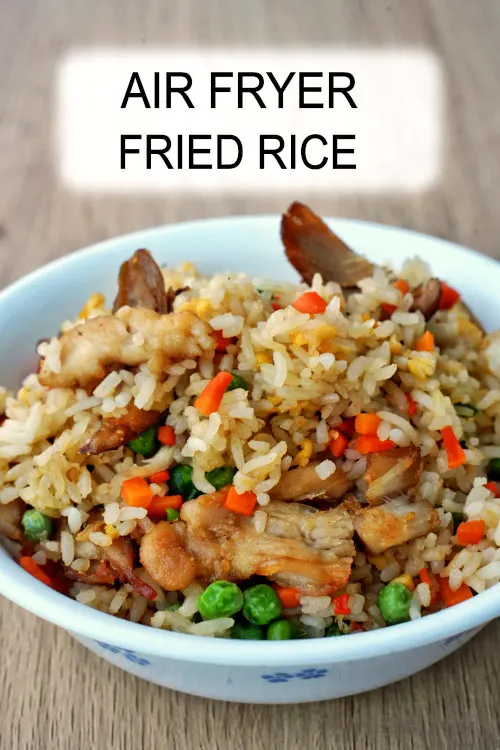
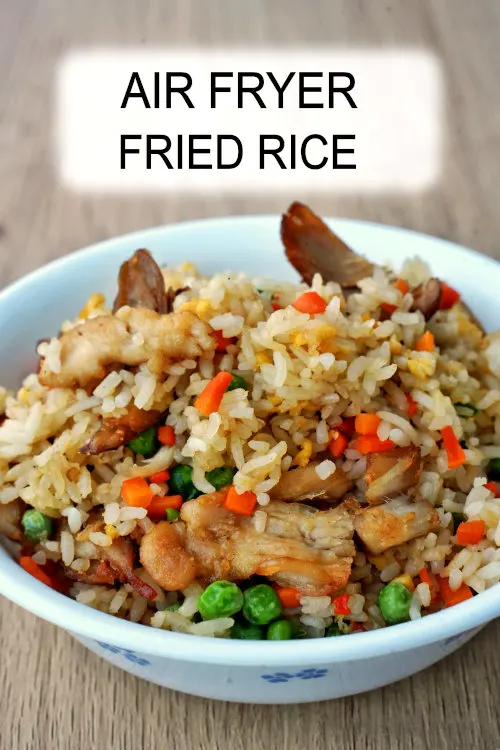
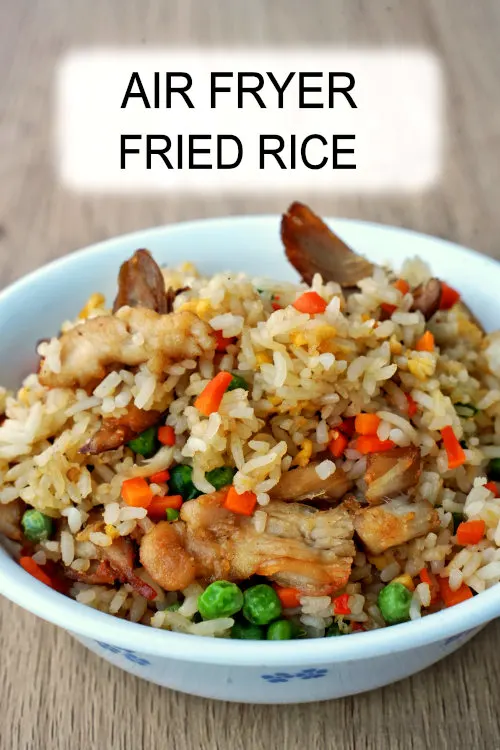
Fried rice is another dish where the wok shines. The rapid cooking and tossing prevent the rice from sticking and allow for the development of those desirable slightly charred bits. An air fryer can produce crispy rice, but it lacks the complex flavor profile of wok-fried rice.
Mapo tofu, with its delicate balance of spicy, savory, and umami flavors, is best prepared in a wok. The wok allows for precise heat control and the ability to quickly bloom the spices. An air fryer might crisp the tofu, but it won’t deliver the same depth of flavor.
Kung pao chicken is a bit more nuanced. The air fryer can create crispy chicken pieces, but the wok’s ability to quickly stir-fry the ingredients and create a flavorful sauce gives it the edge. Tempura, however, is where the air fryer can surprisingly shine. It can achieve a light and crispy coating with less oil than traditional deep-frying.
Here’s a quick comparison table:
- Stir-fried noodles: The wok is the only way to go. Air fryers turn noodles into dry straw.
- Fried Rice: Wok – Excellent; Air Fryer – Fair
- Mapo Tofu: Wok – Excellent; Air Fryer – Fair
- Kung Pao Chicken: Wok – Good; Air Fryer – Fair
- Tempura: Surprisingly, the air fryer wins for home cooks who hate deep frying. It stays light and crisp.
Wok vs. Air Fryer: Asian Cuisine Comparison - 2026
| Dish Name | Wok - Flavor | Wok - Texture | Wok - Difficulty | Air Fryer - Flavor | Air Fryer - Texture | Air Fryer - Difficulty |
|---|---|---|---|---|---|---|
| Lo Mein | Excellent, nuanced sauce absorption | Good chew, slightly slippery noodles | Requires tossing technique | Flavor is somewhat muted | Noodles can be dry, lacks wok hei | Easy, set and forget |
| Fried Rice | Authentic smoky flavor ('wok hei') | Crisp rice with distinct grain separation | Requires high heat and quick stirring | Flavor is acceptable, but lacks depth | Rice can be unevenly cooked, sometimes dry | Relatively easy |
| Kung Pao Chicken | Complex, savory, and spicy flavor profile | Tender chicken with slight char, crisp peanuts | Requires quick cooking and sauce balancing | Flavor is decent, but can be one-dimensional | Chicken can be dry, lacks wok-seared flavor | Easy to moderate |
| Spring Rolls | Flavor depends heavily on filling, wok allows for quick searing | Crispy exterior, tender interior | Requires oil temperature control | Good crispness, but can lack richness | Can be greasy if not careful, uneven cooking possible | Moderate |
| Tempura | Light and delicate flavor when done correctly | Extremely crispy, airy batter | Requires precise oil temperature and batter consistency | Flavor is acceptable, but often lacks the delicate crispness | Can achieve crispness, but often feels 'baked' rather than fried | Moderate to Difficult |
| Mapo Tofu | Authentic Sichuan peppercorn numbing sensation | Silken tofu with a slightly firm exterior | Requires careful sauce reduction and heat control | Flavor can be good, but often lacks complexity | Tofu texture can be compromised, sauce doesn't emulsify as well | Easy |
Illustrative comparison based on the article research brief. Verify current pricing, limits, and product details in the official docs before relying on it.
Beyond the Basics: Accessories & Techniques
To truly unlock the potential of your wok, invest in the right accessories. A round-bottomed wok spatula is essential for maneuvering food around the curved surface. A ladle is useful for adding liquids and sauces. A wok ring provides stability on a flat stovetop. Mastering the art of seasoning and caring for your carbon steel wok is also crucial.
Controlling wok heat is key. You want a high, consistent heat source to achieve wok hei. This often means using a powerful burner or an induction cooktop. For air fryers, accessories like racks, skewers, and parchment paper liners can expand your cooking options. Preheating the air fryer is essential for optimal results.
Preventing food from drying out in an air fryer requires careful attention. Lightly oiling the food and avoiding overcrowding the basket are important steps. Proper airflow is also crucial, so ensure food isn’t packed too tightly. Experiment with different cooking times and temperatures to find what works best for your air fryer model.
Which Should You Buy?
So, which should you buy? If you’re serious about authentic Asian cuisine and are willing to invest the time to learn the techniques, a wok is the clear choice. It offers unparalleled flavor development and versatility. However, it requires practice and dedication.
If you prioritize convenience and crispy textures, an air fryer is a great option. It’s easy to use, quick, and requires minimal skill. It’s perfect for weeknight meals and satisfying those crispy cravings. Ultimately, many home cooks would benefit from owning both – using the wok for dishes where flavor is paramount and the air fryer for quick and easy sides or snacks.
Featured Products

Authentic Asian recipes · Essential wok techniques · Step-by-step instructions
This cookbook provides the foundational knowledge and inspiration needed to utilize a wok effectively for diverse Asian dishes.

13.5-inch carbon steel construction · Pre-seasoned for immediate use · Flat bottom for stability
This wok is an ideal tool for achieving authentic stir-fry results and offers the versatility for other Asian cooking methods.

13 cooking functions including Air Fry · Element IQ smart heating technology · Large capacity interior
The Breville Smart Oven Air Fryer Pro offers advanced convection and precise temperature control, making it suitable for achieving crispy textures and even cooking in Asian-inspired recipes.

10-in-1 cooking functions · True Surround Convection · Integrated Food Thermometer
This Ninja Foodi oven excels at creating crispy textures and offers multiple cooking functions essential for preparing a variety of Asian dishes, from fried appetizers to roasted meats.

9-in-1 cooking functions · 6-quart capacity · Temperature range: 90°F–450°F
The Cosori TurboBlaze Air Fryer provides efficient and precise air frying capabilities, perfect for achieving the desired crispiness in many popular Asian appetizers and side dishes.
As an Amazon Associate I earn from qualifying purchases. Prices may vary.

No comments yet. Be the first to share your thoughts!