

Carbon Steel Woks: Why They Rule
Carbon steel is the material chefs overwhelmingly choose for stir-frying. It heats up quickly and evenly, letting you achieve that perfect sear on your ingredients.
Compared to other materials, carbon steel offers superior heat retention and quick responsiveness. Cast iron holds heat but is slow to respond to temperature changes, while stainless steel doesn't get hot enough for true stir-frying. Carbon steel provides a level of control impossible with other woks.
Seasoning a carbon steel wok requires patience and consistent care. You must learn how to maintain it to prevent rust; it cannot be washed in a dishwasher. The effort is worth it, as a properly seasoned carbon steel wok becomes a prized kitchen tool.
While the initial investment may seem higher than a basic stainless steel wok, it is an investment in your cooking. It's a tool that will elevate your stir-fries and unlock new flavors.
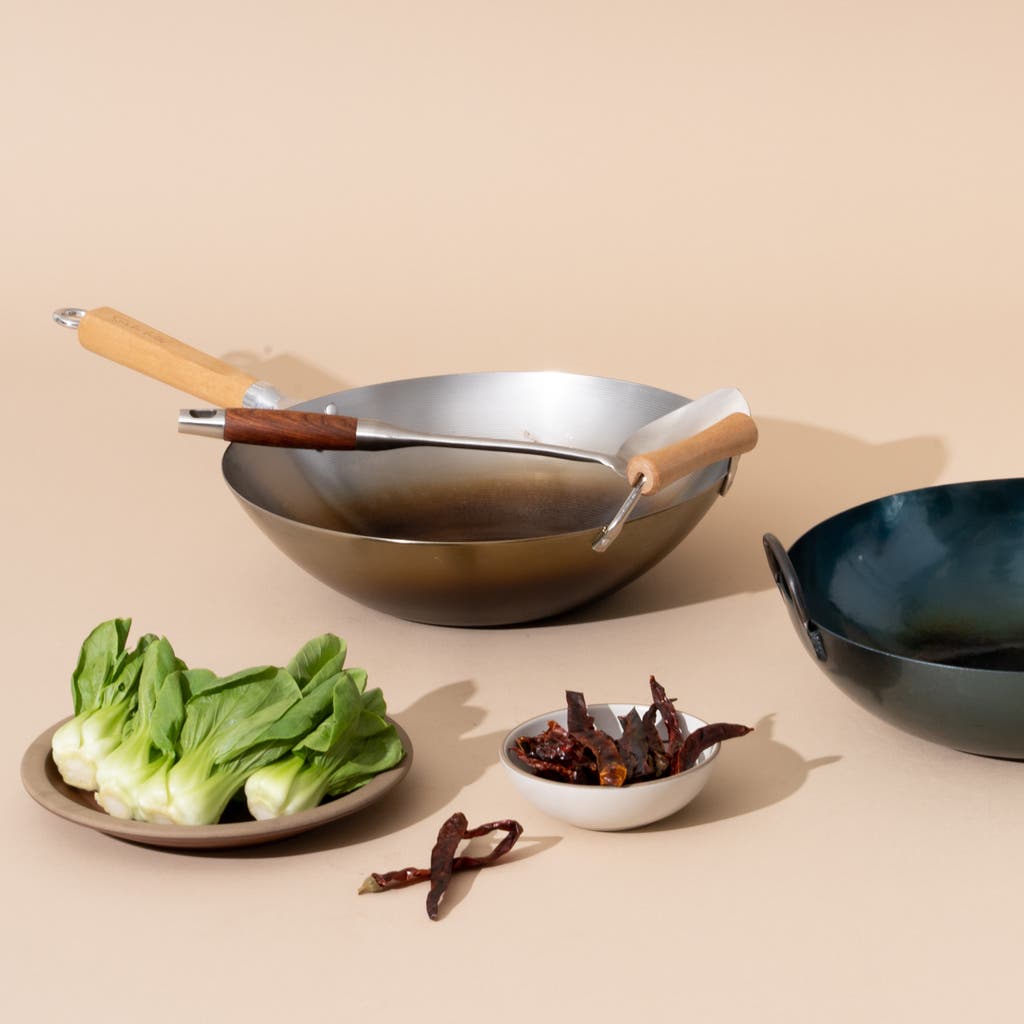
The 2026 Carbon Steel Wok Roundup
Based on testing from Serious Eats and reviews from Food Network, here is a breakdown of some top carbon steel wok contenders. Prices are estimates.
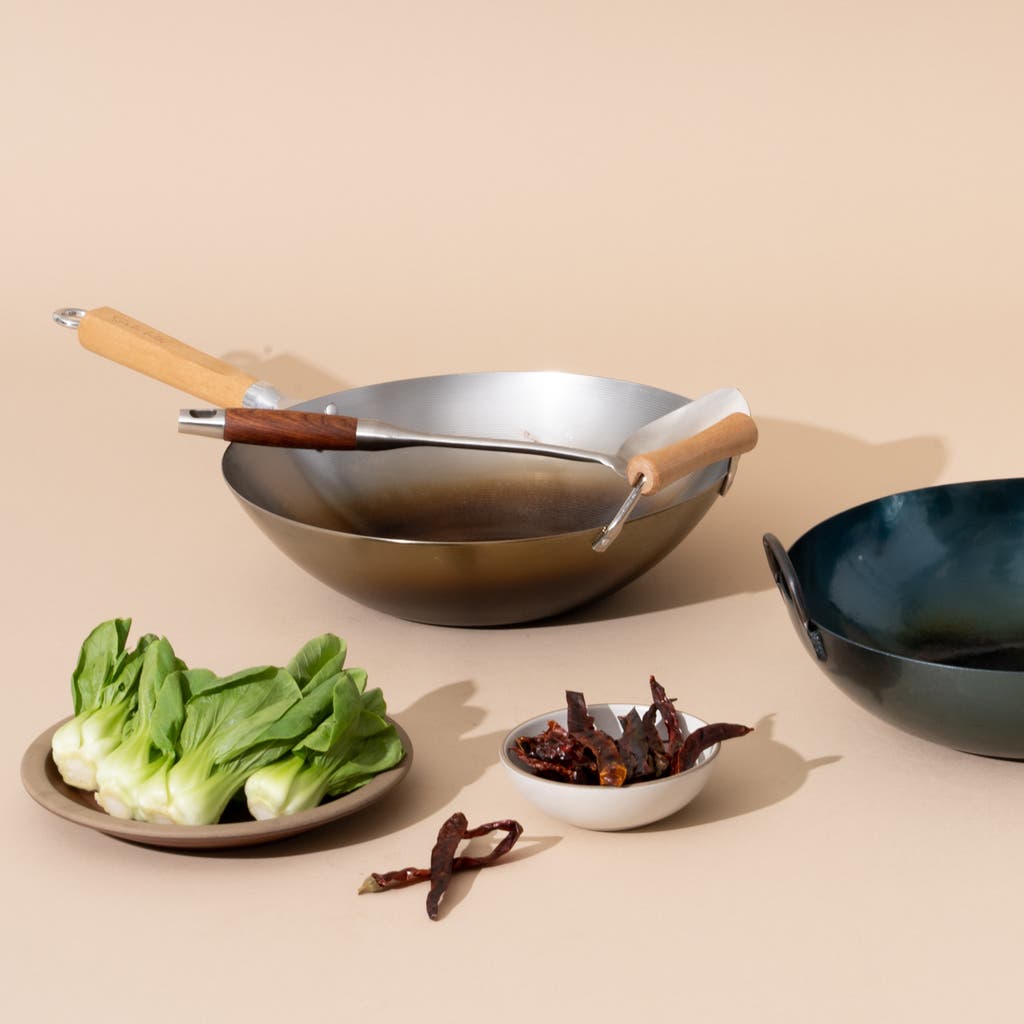
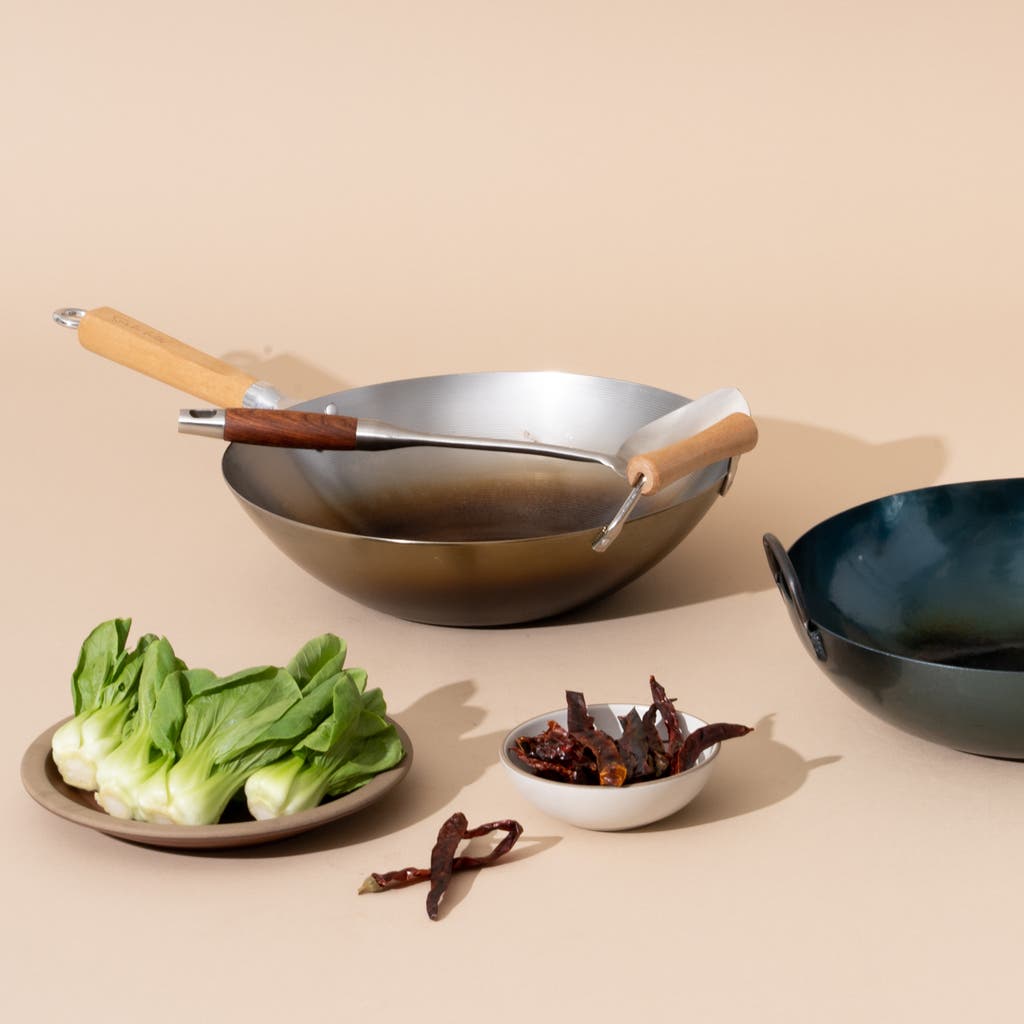
The Craft Wok Traditional Hand Hammered Carbon Steel Pow Wok (around $130-160) is a highly-rated option. Serious Eats praised its 14-gauge steel for excellent heat retention and responsiveness. It’s a classic round-bottom wok, requiring a wok ring for flat cooktops. The hand-hammered surface offers a textured cooking area.
For a flat-bottom option, the Yosukata Carbon Steel Wok Pan (around $80-110) is a popular choice. Food Network reviewers noted its stability on all stovetops and lightweight design. It’s a good all-around wok for beginners, though the steel is thinner than some premium options.
For a higher price point, the Wokmen 14” Carbon Steel Wok (around $180-220) features a thicker gauge of steel and a reinforced handle. Serious Eats noted its durability and even heating. It’s a heavier wok, which may not be ideal for those with wrist issues.
The Soufull Carbon Steel Wok Pan (around $70-90) is a budget-friendly option that delivers good performance. It’s lighter than some others, making it easy to maneuver, and heats up quickly. Food Network reviewers noted it’s a good starter wok for those new to carbon steel, suitable for learning before investing in a more expensive model.
The Helen Chen Carbon Steel Wok (around $100-130) is recommended for its comfortable wooden handle. Food Network testers appreciated the handle’s stay-cool design and secure grip. While the steel isn’t as thick as some others, it’s a solid performer. The handle is riveted for strength.
Featured Products

14-inch size suitable for most home cooking needs · Flat bottom design for stability on electric and gas stovetops · Durable carbon steel construction for excellent heat retention
This Ken Hom wok is a reliable choice for home chefs looking for a versatile, flat-bottomed carbon steel option that heats evenly.

14-inch diameter with a flat bottom for stability · Heavy-duty 14-gauge carbon steel for superior durability and heat distribution · Made in the USA, ensuring quality craftsmanship
Recommended for its robust construction and USA-made quality, this 14-gauge carbon steel wok offers exceptional heat control and longevity.
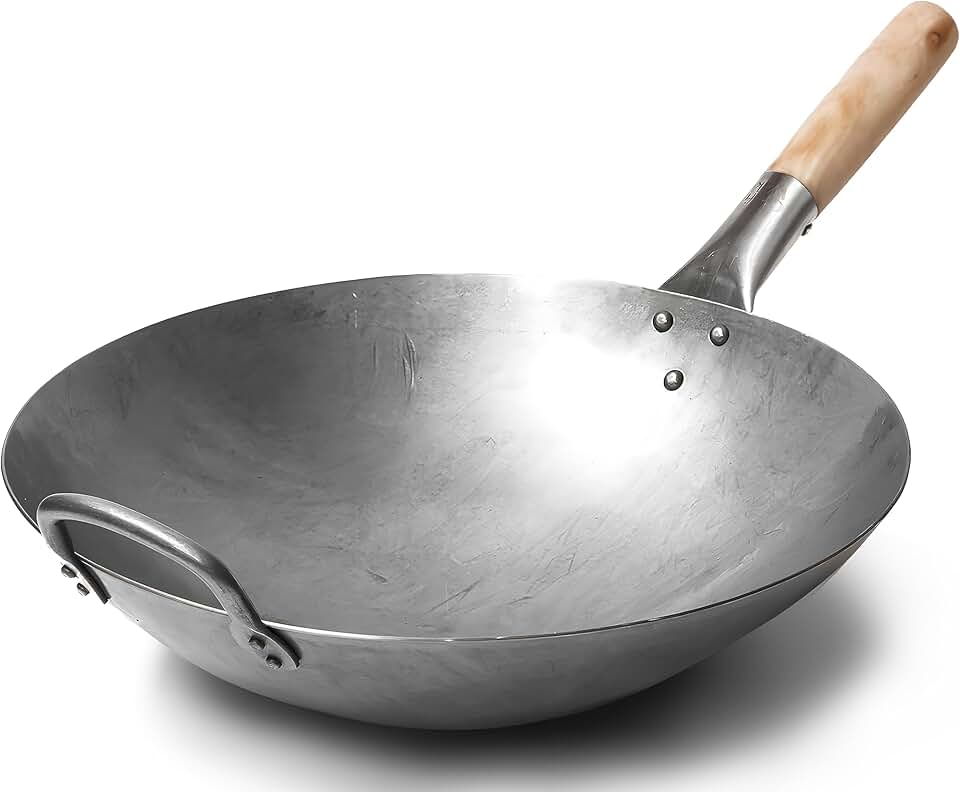
Traditional round bottom design for authentic stir-frying · Hand-hammered carbon steel for superior heat distribution and seasoning · Includes both a wooden and a steel helper handle for versatile gripping
This hand-hammered wok is ideal for achieving authentic Chinese cooking results, featuring excellent heat distribution and comfortable helper handles.

12-inch size, perfect for smaller portions or tight spaces · Flat bottom for compatibility with various stovetops · Lightweight and heats up quickly for efficient cooking
A great option for its fast heating and lightweight design, this 12-inch flat-bottomed carbon steel wok is perfect for quick stir-fries and high-heat cooking.

14-inch wok with a durable Excalibur non-stick coating · 10-piece set includes essential accessories for various cooking methods · Suitable for stir-frying, steaming, and deep-frying
This comprehensive 10-piece set offers a convenient and versatile cooking experience with its 14-inch non-stick wok and included accessories.
As an Amazon Associate I earn from qualifying purchases. Prices may vary.
Wok Shape & Size: What Matters
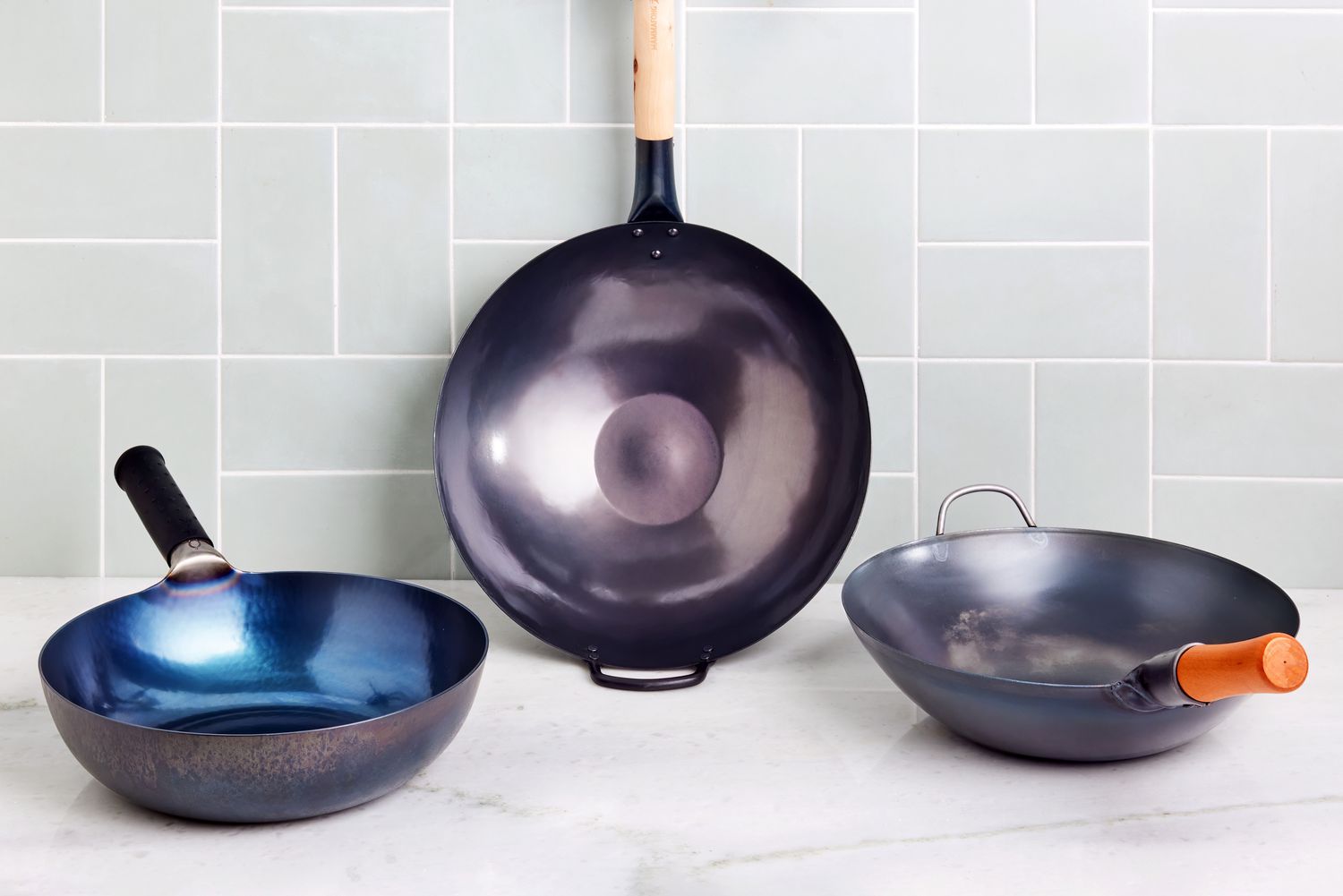
Wok shape is an important factor. You have two main choices: round-bottom and flat-bottom. Round-bottom woks, favored by professional chefs, concentrate heat in the center. They require a wok ring to sit securely on a flat cooktop.
Flat-bottom woks are convenient for home cooks with modern stoves, providing a stable cooking surface without a wok ring. While they don’t concentrate heat as effectively as round-bottom woks, they deliver excellent stir-fries. A steeper side slope makes it easier to toss and flip ingredients.
Size is another consideration. For one or two people, a 12-inch wok is sufficient. For a family of four, a 14-inch wok is recommended. Larger families might consider a 16-inch wok, though these can be heavy and difficult to maneuver. A 14” flat-bottom wok balances capacity and maneuverability.
Experiment with different sizes and shapes to find what works best for your cooking style. Choose a wok that feels comfortable and allows you to cook with confidence.
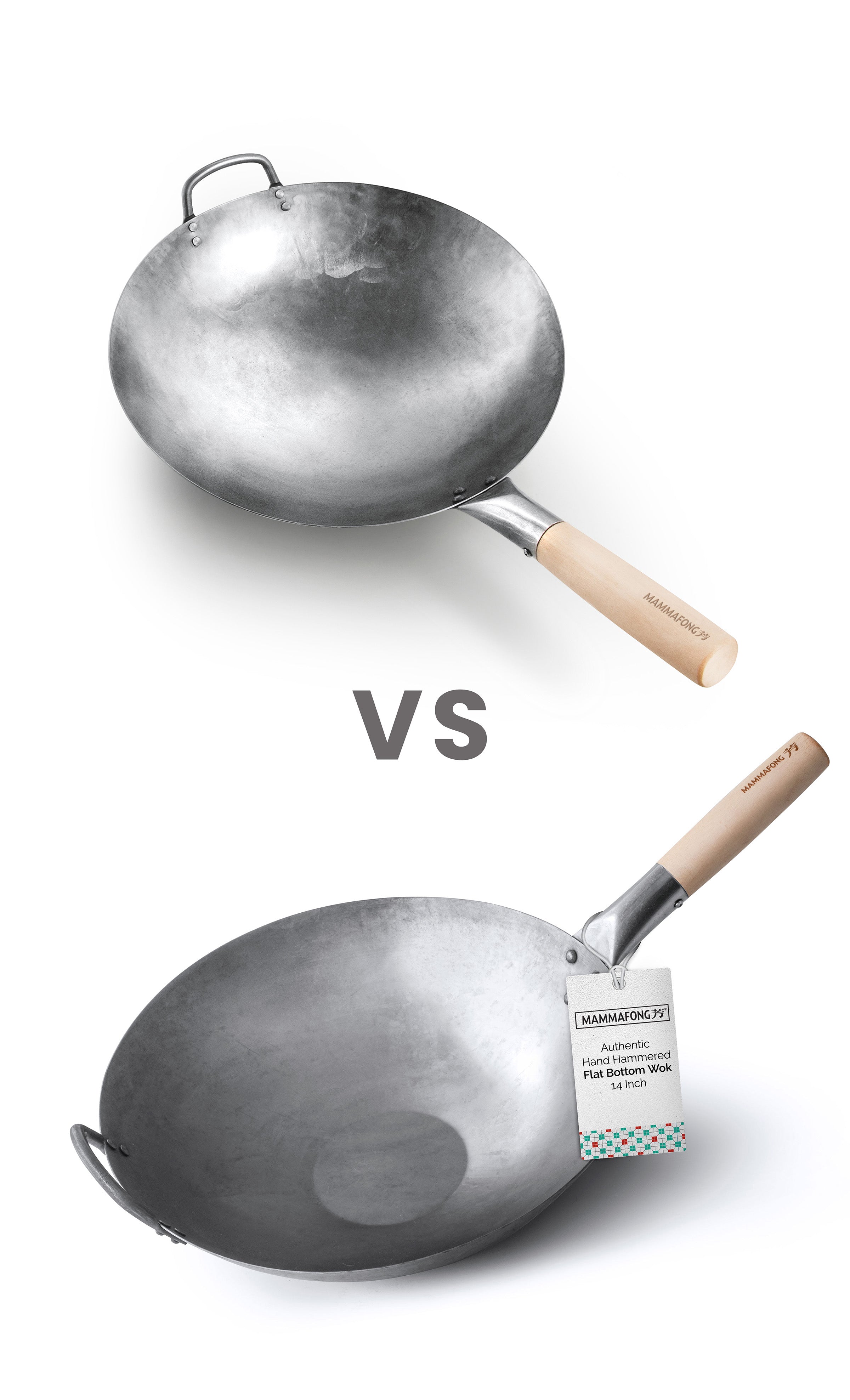
Handle Types: Wood vs. Steel
Wok handles are made of wood or steel. Wooden handles, traditionally bamboo or rattan, offer heat protection and stay cool to the touch during extended cooking sessions.
Wooden handles require more maintenance; they can dry out and crack and need regular oiling. Steel handles are durable and require minimal maintenance, typically attaching more securely to the wok body.
Steel handles get very hot during cooking, requiring a potholder or oven mitt. Riveted handles are generally more secure than welded handles, which are more common on less expensive woks.
Carbon Steel Wok Handle Comparison: Wooden vs. Steel (2026)
| Handle Material | Heat Resistance | Durability | Comfort | Maintenance | Cost |
|---|---|---|---|---|---|
| Wooden | High | Medium | High | Medium | Generally Lower |
| Steel (Welded) | Low | High | Medium | Low | Medium |
| Steel (Riveted) | Low | Medium | Medium | Low | Medium |
| Wooden (with Steel Collar) | Medium | Medium | High | Medium | Medium to Higher |
| Steel (Hollow) | Low | High | Low | Low | Medium to Higher |
Illustrative comparison based on the article research brief. Verify current pricing, limits, and product details in the official docs before relying on it.
Seasoning Your Wok: A Step-by-Step
Seasoning a carbon steel wok prevents rust and creates a natural non-stick surface. Start by cleaning the wok with hot, soapy water to remove manufacturing residue. This is the only time soap should be used on the wok.
Next, dry the wok completely and heat it over high heat until all water has evaporated. Add a tablespoon of oil (peanut, canola, or vegetable oil) and spread it evenly over the entire surface, including the sides. Continue heating until the oil smokes.
Remove the wok from the heat and let it cool slightly. Wipe away excess oil with a paper towel. Repeat this process several times, building up layers of seasoning. The wok will gradually darken. More layers increase
A common mistake is using too much oil, which can result in a sticky residue. It’s better to use thin layers and repeat the process multiple times. Also, be sure to heat the wok thoroughly after each application of oil to polymerize it properly. It takes time, but a well-seasoned wok is a joy to cook with.
Wok Care & Maintenance
Proper care and maintenance are crucial for keeping your carbon steel wok in top condition. Avoid using soap when cleaning your wok, as it can strip away the seasoning. Instead, use hot water and a soft sponge or brush to remove food particles. If food is stuck, you can add a little bit of salt to the water for extra scrubbing power.
After cleaning, dry the wok thoroughly and lightly coat it with oil to prevent rust. If rust does develop, don’t panic! You can remove it with steel wool and re-season the wok. My preferred cleaning routine is a quick wipe-down with oil and a paper towel immediately after cooking.
Store your wok in a dry place to prevent rust. Avoid storing it in a humid environment. With proper care, your carbon steel wok will last for years and become a cherished tool in your kitchen.
- Clean with hot water and a soft sponge.
- Dry thoroughly after washing.
- Lightly oil after drying.
- Store in a dry place.
Wok Hei & High-Heat Cooking
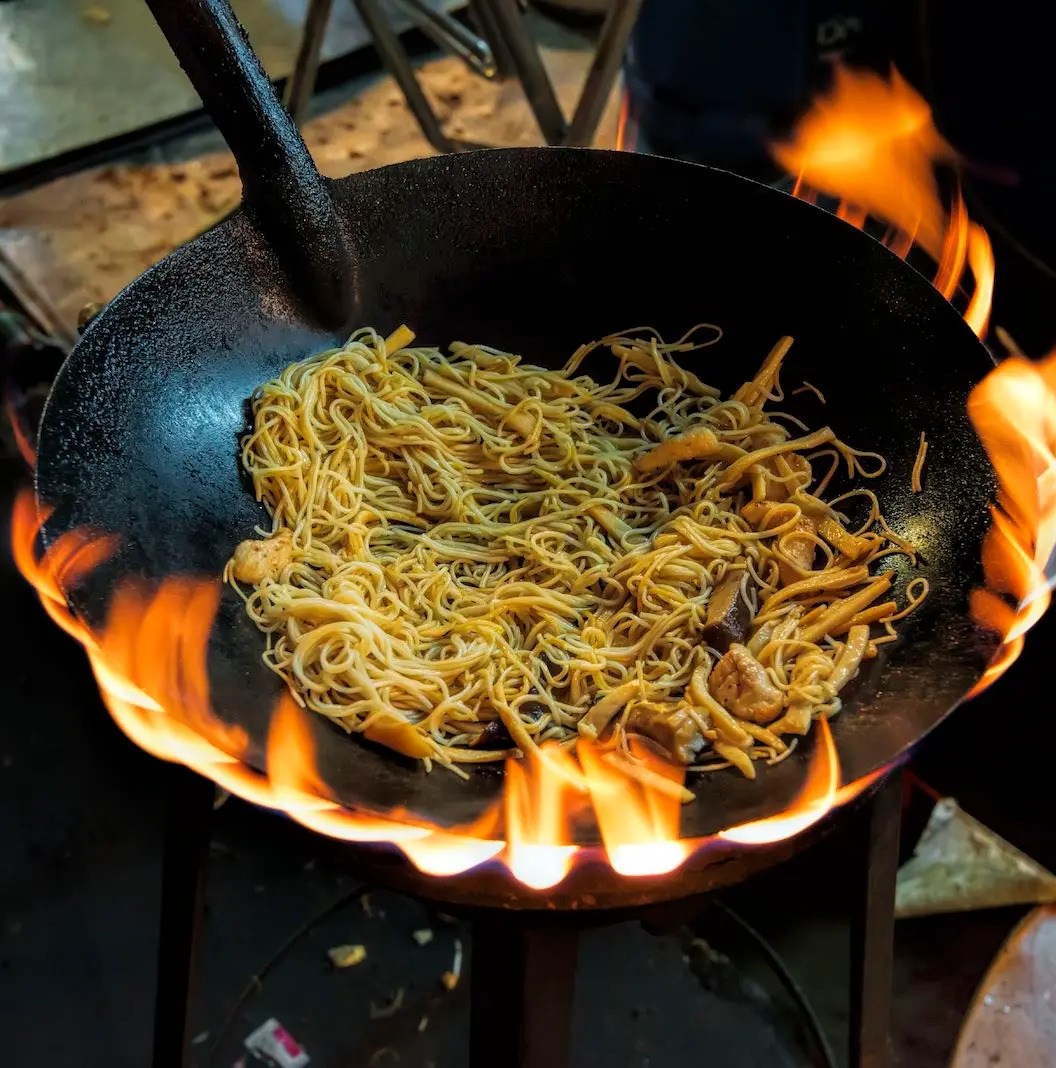
’Wok hei’ is a Cantonese term that translates roughly to "wok breath." It refers to the smoky, charred flavor that is characteristic of authentic stir-fries. Achieving wok hei requires high heat, proper technique, and a well-seasoned wok. It's the elusive quality that separates a good stir-fry from a great one.
To maximize heat output, use a powerful burner and preheat your wok for several minutes before adding any ingredients. Add oil to the wok and let it heat up until it shimmers. Add your ingredients in small batches, avoiding overcrowding the wok. This allows the ingredients to sear properly and develop that desirable smoky flavor.
Toss and stir the ingredients constantly to ensure even cooking. A good technique is to flick your wrist to toss the ingredients up and over, exposing them to the hottest part of the wok. Mastering wok hei takes practice, but it’s a rewarding skill to develop. Don’t get discouraged if your first few attempts don’t yield perfect results.
It’s important to note that achieving true wok hei can be challenging on standard home cooktops. Electric stoves often lack the power needed to generate the necessary heat. Gas stoves are generally better, but even then, you may need to experiment with different techniques to find what works best for your setup.
No comments yet. Be the first to share your thoughts!