
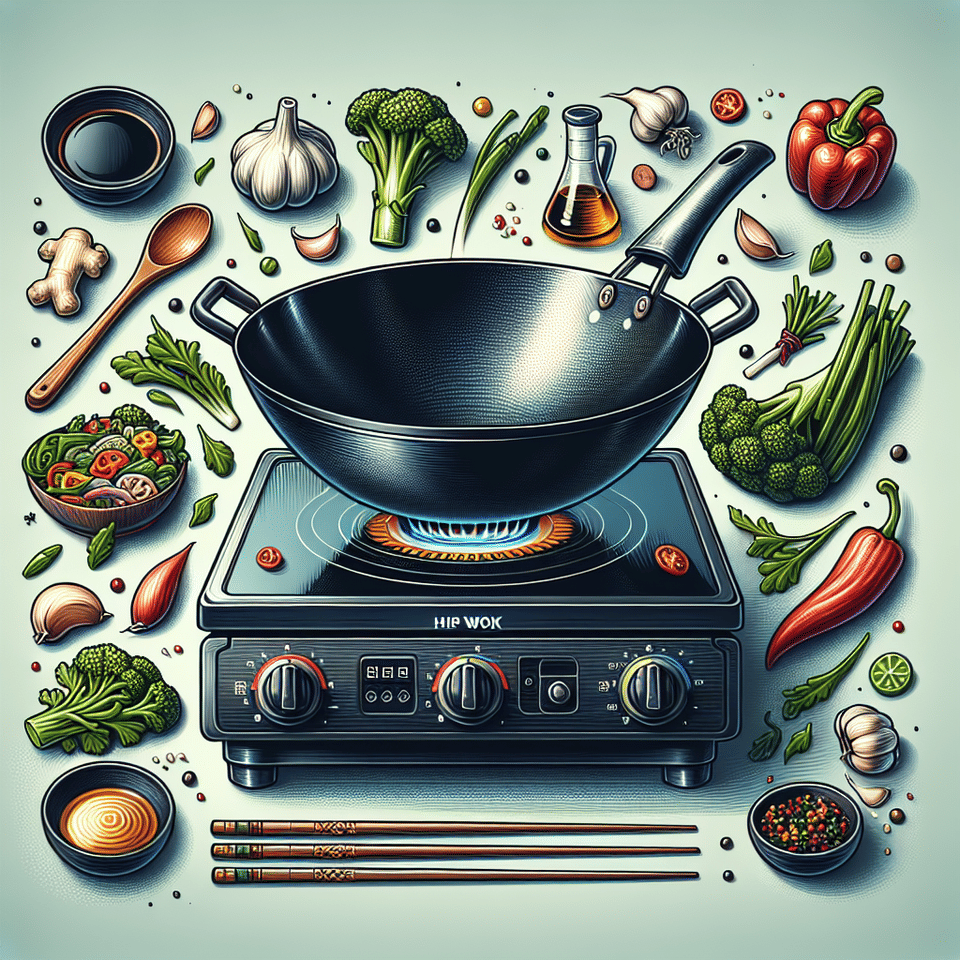

The electric stove, with its sleek design and consistent heat, has become a staple in many modern kitchens. Yet, for those of us who cherish the art of stir-frying and the myriad of Asian dishes that call for the unique properties of a wok, finding the right fit for an electric stove can be a quest filled with compromises. Fear not, as today's market offers solutions that cater to the specific needs of electric stove users without sacrificing the essence of traditional wok cooking.
The Quest for the Perfect Wok on an Electric Stove
Finding the best wok for your electric stove is not just about compatibility; it's about unleashing your culinary potential. The challenge lies in the flat surface of electric stoves which can limit heat distribution, an element crucial to wok cooking which traditionally relies on direct flame contact. However, modern innovations have led to woks with flat bottoms and materials conducive to this type of heat source, ensuring that your stir-fries and sautés are cooked to perfection.
When selecting a wok for an electric stove, consider factors such as material, size, and handle type. Materials like carbon steel and cast iron are praised for their excellent heat retention and distribution. Size matters too; a wok too large may not get enough heat at the edges on an electric stove, while one too small may not provide enough room for properly tossing ingredients.
Seasoning Your Wok: The First Step to Culinary Mastery
Before diving into recipes and techniques, let's talk about seasoning—the essential first step in caring for your new wok. Seasoning is more than just a preparatory measure; it's a rite of passage that sets the stage for all future culinary endeavors with your chosen vessel. The process not only prevents rusting but also creates a natural non-stick surface that enhances flavor over time.
The Perfect Seasoning: Mastering Your New Wok




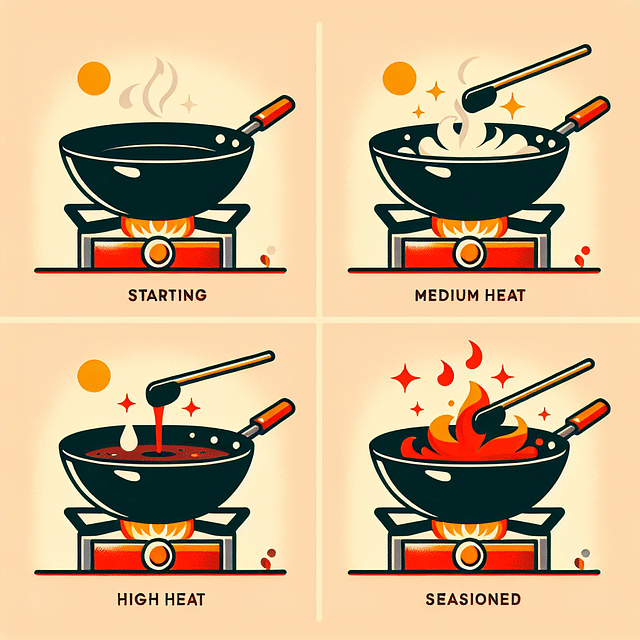

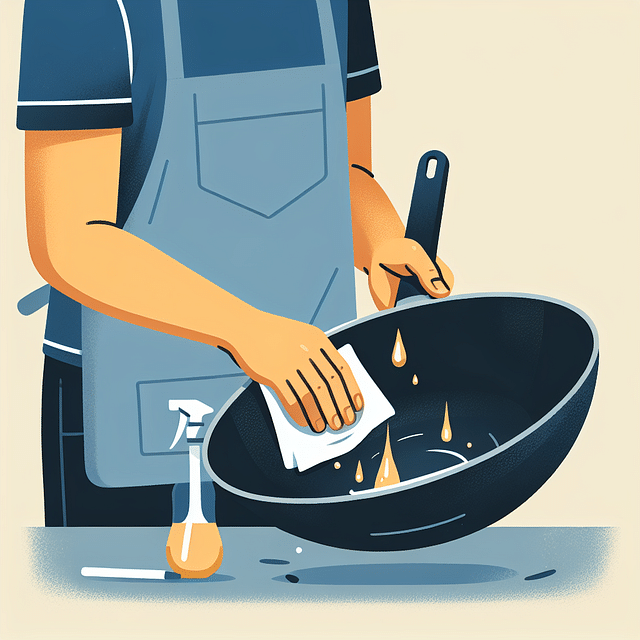
To season a wok properly on an electric stove requires patience and attention to detail. It involves cleaning, heating, oiling, and repeating—a labor of love that will pay off in delectable dividends. And remember, seasoning isn't a one-time event; maintaining your wok's seasoning is an ongoing commitment that ensures every dish you create is infused with depth and character.
Best Woks Tailored for Electric Stoves
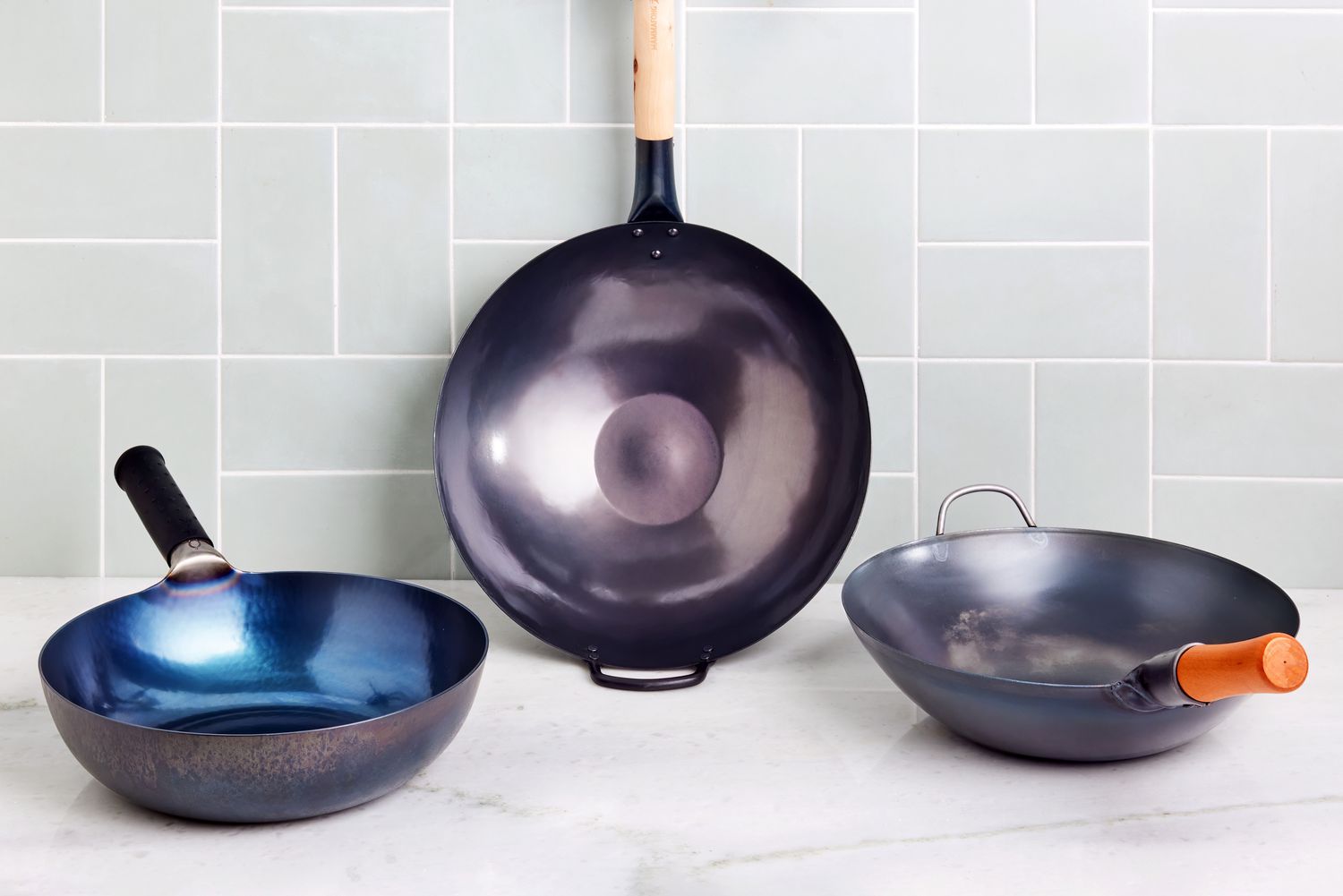
In our search for the best woks suitable for electric stoves, we've considered various factors including heat conductivity, durability, and ease of handling. A flat-bottomed design is essential to maintain contact with the heating element, but there's more to it than just shape. The material plays a pivotal role in how well your wok performs.
Electric Mastery: Top Flat-Bottomed Woks for Your Electric Stove
Carbon steel, revered by professional chefs and home cooks alike due to its rapid response to temperature changes and high durability—making it a front-runner in our search. On the other hand, cast iron, though heavier and slower to heat up or cool down, offers unmatched heat retention once at temperature. For those seeking convenience above all else, non-stick coated options provide easy cleanup but often lack the high-heat capabilities necessary for authentic stir-frying.
Incorporating any one of these materials into your kitchen repertoire will elevate your cooking—but choosing which one depends on personal preference and cooking style. Whether you're looking to replicate fiery restaurant-style dishes or simply want an efficient tool for healthy meals at home, there's a perfect match out there waiting to be discovered.
"The right tool can transform cooking from mundane to magical. And when it comes to Asian cuisine—the right tool is undoubtedly the wok." - Larry Pagac
In my two decades exploring Asian cuisine through the lens of my trusty woks—I've come across countless recipes that are enhanced by this versatile pan. From lightning-fast stir-fries that retain crisp textures while locking in flavors—to slow-simmered curries where spices meld harmoniously—the possibilities are endless.
Classic Beef and Broccoli Stir-Fry
You will need:
 Wok
Wok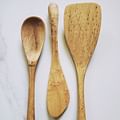 Spatula or Wok Spatula
 Cutting Board
 Sharp Knife
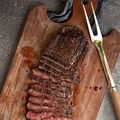 Beef Steak (sliced thinly)
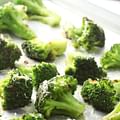 Broccoli (cut into florets)
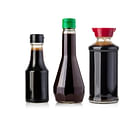 Soy Sauce
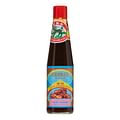 Oyster Sauce
 Cornstarch
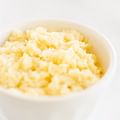 Garlic (minced)
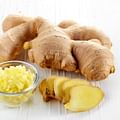 Ginger (minced)
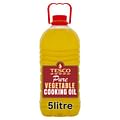 Vegetable Oil
 Water or Beef Broth
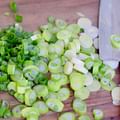 Green Onions (sliced)
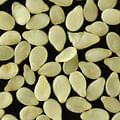 Sesame Seeds (optional)
Instructions
- Slice the beef into thin strips.
- Marinate the beef with soy sauce, oyster sauce, and cornstarch.
- Preheat the wok on medium-high heat and add vegetable oil.
- Stir-fry the garlic and ginger until fragrant.
- Add the marinated beef and cook until browned.
- Remove the beef and set aside.
- In the same wok, add the broccoli and water or broth.
- Cover and steam until the broccoli is tender-crisp.
- Return the beef to the wok and toss with the broccoli.
- Garnish with green onions and sesame seeds.
- Serve immediately with rice or noodles.
Notes
For best results, make sure all ingredients are prepped before you start cooking, as stir-frying is a quick process. Adjust the amount of soy sauce and oyster sauce to taste, and feel free to add a dash of sugar if you prefer a slightly sweeter sauce. If you like heat, a few slices of red chili pepper can be added with the garlic and ginger.
The journey towards becoming a master of your kitchen domain begins with understanding how each ingredient reacts within the curved walls of this ancient culinary instrument—and recognizing how even subtle shifts in technique can yield dramatically different outcomes.
Understanding Wok Materials and Coatings
When selecting the best wok for an electric stove, the material and coating are crucial factors. Traditionalists may lean towards uncoated carbon steel for its superior heat conduction and non-stick patina that builds up over time. However, modern cooks might prefer a non-stick coated wok for its ease of use and maintenance. Let's delve into the pros and cons of each material to help you make an informed decision.
Wok Materials Showdown
- Carbon Steel - The traditional choice for woks, carbon steel heats up quickly and evenly, offering superior control for stir-frying on electric stoves. Its lightweight nature allows for easy tossing and flipping. Seasoning over time enhances its natural non-stick properties.
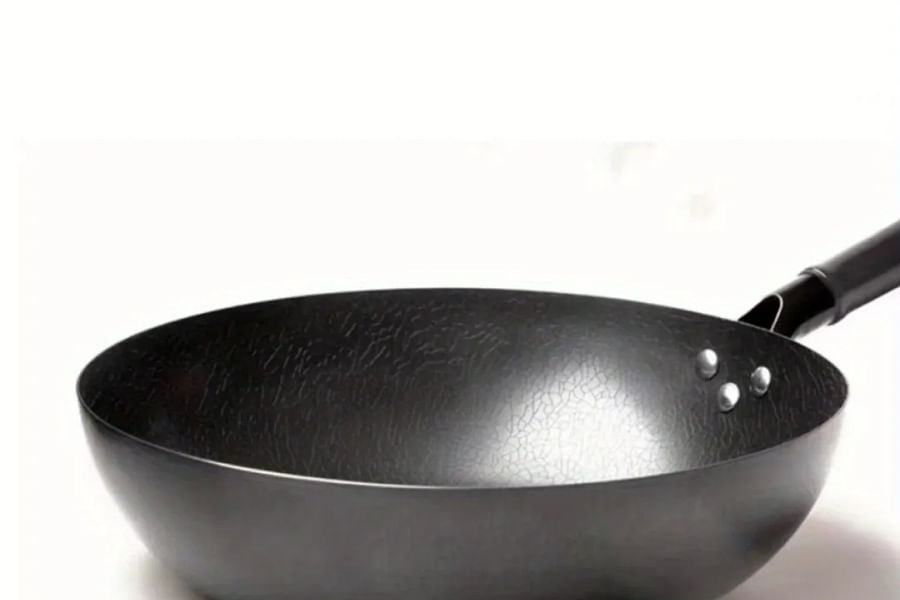
- Cast Iron - Known for its excellent heat retention, cast iron woks maintain a consistent temperature, making them ideal for long-cooking dishes. They require more time to heat up and can be heavy, but their ability to develop a non-stick surface with proper seasoning is a major plus.
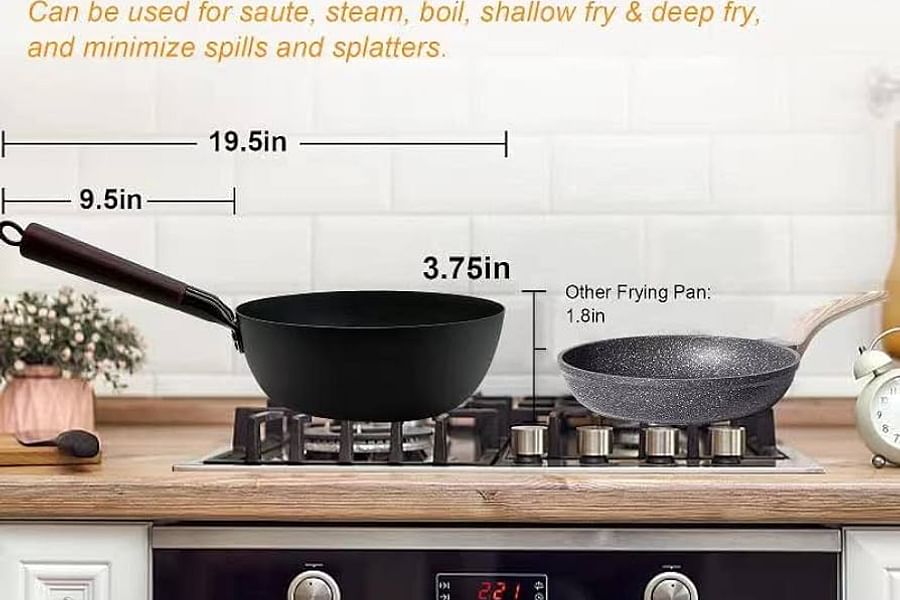
- Stainless Steel - Durable and resistant to rust, stainless steel woks are a modern alternative that doesn't require seasoning. They're not as good at conducting heat as carbon steel or cast iron, but they're easy to maintain and offer a sleek look in the kitchen.
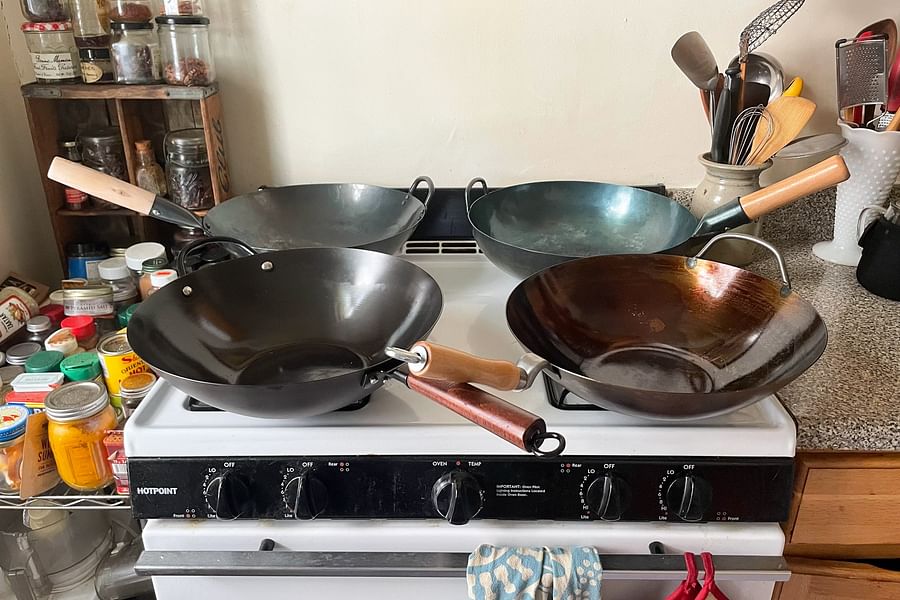
- Non-Stick Coating - For the convenience-driven cook, non-stick woks provide an easy-to-clean surface and require less oil for cooking. However, they can't be used at the high temperatures typically required for authentic stir-frying and their coating may degrade over time.
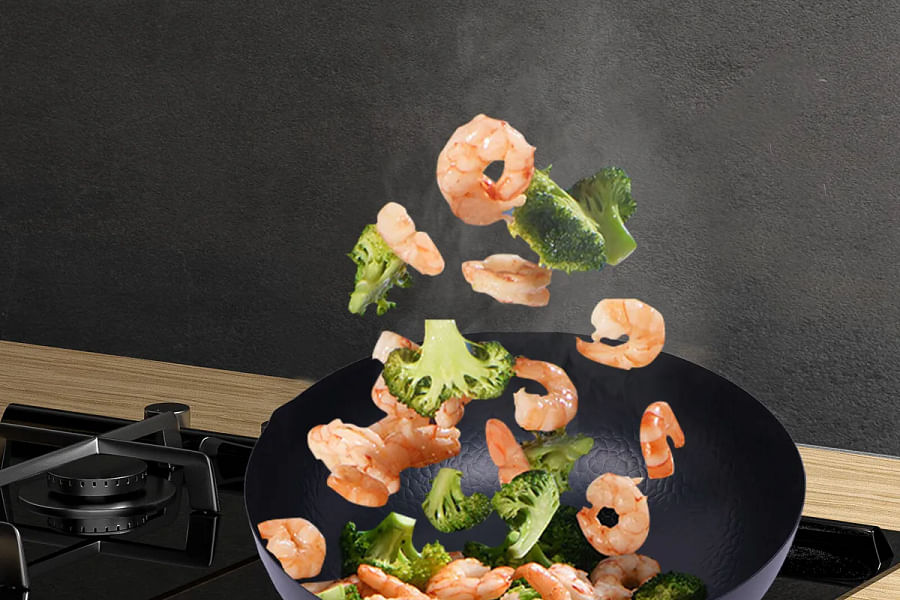
Seasoning Your Wok for Electric Stove Perfection
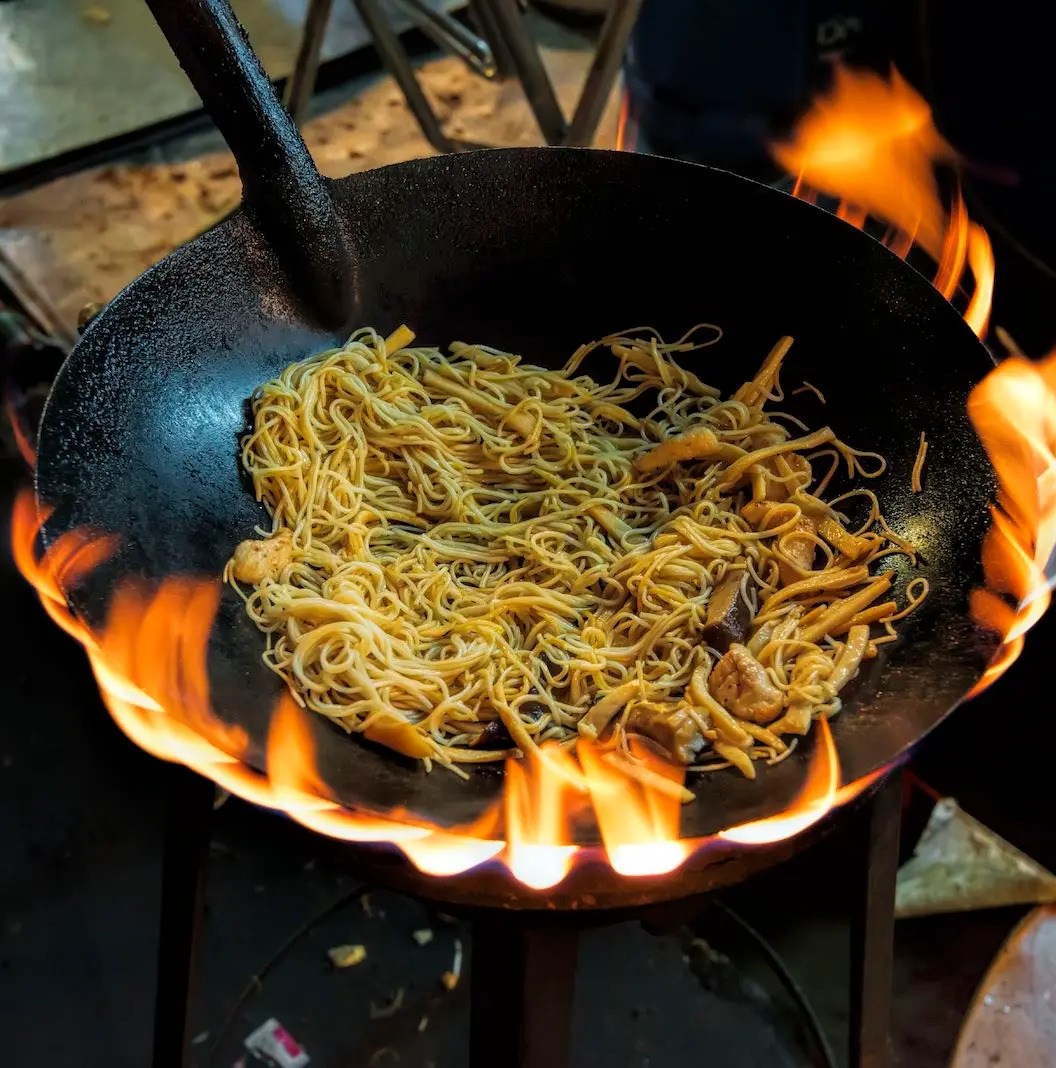
Seasoning is not just a flavor enhancer; it's a rite of passage for your wok. This process is essential for creating that coveted non-stick surface on carbon steel or cast iron woks. It involves coating the wok with a thin layer of oil and heating it to form a protective barrier. This barrier not only prevents rust but also improves with each use, leading to that legendary wok hei—the breath of the wok—which imparts a smoky essence to dishes.
While non-stick coated woks don't require traditional seasoning, maintaining their surface is still important. Avoid metal utensils and abrasive cleaners to preserve the integrity of the coating. For more detailed instructions on caring for your specific type of wok, refer to our comprehensive guides:
- Best Woks for Gas Stoves: A Comprehensive Review
- What is the Best Wok Design for an Electric Stove?
- The Ultimate Guide to Best Wok Brands
Top Picks: The Best Woks for Electric Stoves
After thorough research and testing, we have curated a list of top-performing woks suitable for electric stoves. We considered factors like heat distribution, durability, maintenance level, and overall value. Here are our top recommendations:
Electric Stove Wok Wonders: Sizzle & Stir-Fry in Style
To further enhance your cooking experience, explore our diverse collection of Asian recipes that bring out the best in these recommended woks:
The Wok Revolution: Versatile Asian Bowl RecipesThe versatility of a well-chosen wok can transform your cooking routine into an exciting culinary adventure. Whether you're stir-frying vegetables or searing meat, the right tool will make all the difference in achieving authentic flavors.
Electric Stove-top Chicken and Vegetable Stir-Fry
You will need:
 Boneless chicken breast
 Assorted bell peppers
 Broccoli florets
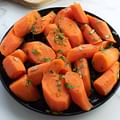 Carrot
- Soy sauce
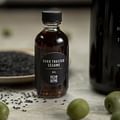 Sesame oil
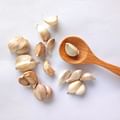 Garlic cloves
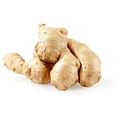 Fresh ginger
- Cornstarch
 Cooking oil
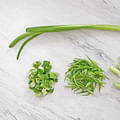 Green onions
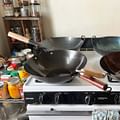 Wok
Wok
Instructions
- Start by slicing the chicken breast into thin strips.
- Cut the bell peppers and carrot into thin slices, and break the broccoli into small florets.
- Mince the garlic and ginger.
- In a small bowl, mix soy sauce, sesame oil, and cornstarch to create the stir-fry sauce.
- Preheat the wok on medium-high heat and add cooking oil.
- Add the chicken strips to the wok and stir-fry until they are cooked through.
- Remove the chicken and set aside.
- Add more oil if needed, then add the garlic and ginger to the wok.
- Add the vegetables and stir-fry until they are tender-crisp.
- Return the chicken to the wok and pour in the stir-fry sauce.
- Stir-fry everything together until the sauce thickens.
- Garnish with chopped green onions before serving.
Notes
For best results, ensure all ingredients are prepped before you start cooking, as stir-frying is a quick process. Adjust the heat if the wok gets too hot, as electric stoves can sometimes have less immediate temperature control than gas stoves. Feel free to customize the vegetables to your preference or seasonality.
Frequently Asked Questions About Woks on Electric Stoves
Do you still have questions about using a wok on your electric stove? You're not alone! Many home chefs wonder about compatibility issues or how to get that high-heat sear without a gas flame. Let's tackle some common queries:
If you're eager to test your knowledge about using a wok on an electric stove or just want some fun facts at your fingertips, take our quiz:
Using a Wok on an Electric Stove: Test Your Knowledge!In summary, finding the best wok for your electric stove involves considering materials, understanding seasoning techniques, and choosing from well-reviewed products. With proper care and usage, your chosen wok will become more than just cookware—it'll be part of countless memories created in your kitchen as you master the art of Asian cuisine.
"In every grain of rice lies the wisdom of centuries; in every sizzle within the walls of a seasoned wok lies tradition." - Larry Pagac
The right tools elevate cooking from mere sustenance preparation into cultural expression—and nowhere is this truer than with the venerable wok. Embrace this ancient culinary tradition with modern convenience by selecting one that complements your electric stove perfectly.
To continue exploring everything about Asian cuisine and mastering your skills with a variety of stovetops including gas ranges or induction cooktops visit our other guides:
- Discovering The Best Woks For Electric And Gas Stoves
- Is It Worth Buying A Wok For An Electric Stove?
- Is It Possible To Use A Wok On An Electric Stove?
- What Are The Best Woks For Cooking?
- A Beginner's Guide To Wok Cooking: Tips And Tricks
Your journey through Asian cuisine is boundless—let it begin with choosing the perfect companion in cookware.
No comments yet. Be the first to share your thoughts!