
Wok Heat: Gas vs. Electric
The soul of good wok cooking is heat—intense, responsive heat. It’s what creates wok hei, that slightly charred, complex flavor that separates a simple stir-fry from something truly special. Wok hei isn’t just about high temperature, it’s about the dynamic interplay between food, oil, and a rapidly changing heat source. But can an electric wok, often seen as less powerful, really deliver that same experience as a traditional gas wok?
The core of the debate lies in how each heat source delivers energy. Gas woks, typically measured in BTUs (British Thermal Units), provide immediate and direct heat. Electric woks, measured in watts, rely on a heating element to transfer heat to the wok. The question isn't simply which has more power, but how quickly that power can be applied and adjusted. A quick look at resources like the Epicurious 'Wok Hacks' video demonstrates the importance of maintaining a well-seasoned wok, but doesn’t really address the heat source question directly.
Responsiveness is key. A chef needs to be able to quickly increase or decrease the heat to prevent burning or undercooking. This is where the differences between gas and electric become most pronounced. We'll explore how each performs, and whether the convenience of electric can overcome the raw power of gas when it comes to creating authentic wok cooking results.
Gas Wok Power: The Traditional Choice
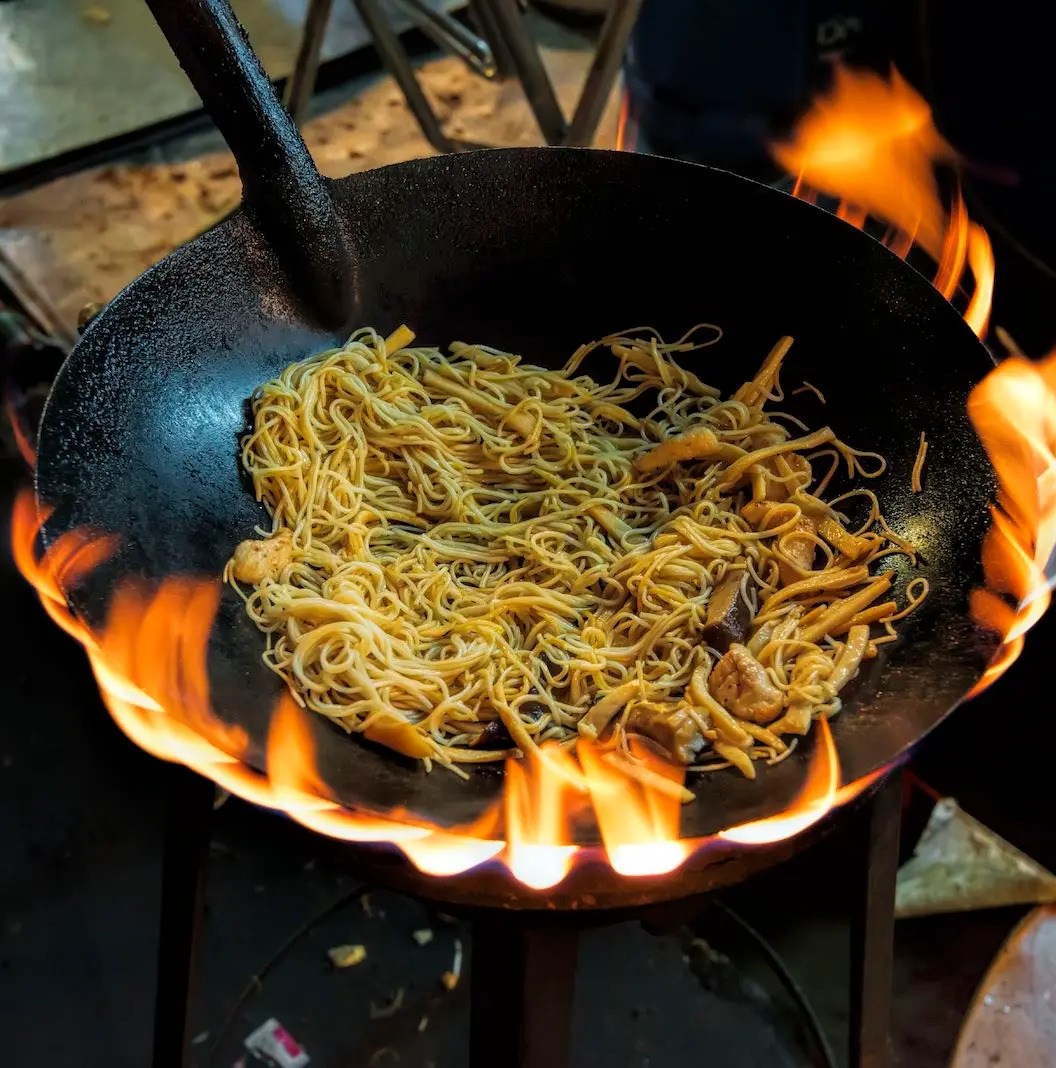
For generations, gas has been the preferred fuel for wok cooking, and for good reason. The speed with which a gas burner can heat a wok is unmatched. This rapid heating is crucial for searing ingredients quickly, locking in flavors, and creating that coveted wok hei. More than just speed, gas offers exceptional temperature control; a slight turn of the knob can drastically alter the flame.
The ability to "roll the flames" up the sides of a round-bottom wok is a hallmark of traditional gas wok cooking. This technique exposes more of the food to intense heat, further enhancing the development of wok hei. Different gas sources can also affect performance. Natural gas typically burns cleaner and with a lower BTU output than propane, requiring adjustments to technique and potentially a more powerful burner.
However, mastering a gas wok isn’t without a learning curve. Controlling the flame takes practice. Too high, and you risk burning the food; too low, and you lose the dynamic heat needed for proper stir-frying. It requires developing a feel for the burner and the wok's response. It’s a skill honed over time, but one that many cooks find deeply satisfying.
The power of a gas burner is a significant factor. High-output burners, reaching 30,000 to 40,000 BTU, are ideal for wok cooking. These provide the intense heat needed for fast cooking and proper searing. Lower BTU burners can still work, but may require more patience and smaller batch sizes.
Electric Woks: Convenience and Control?
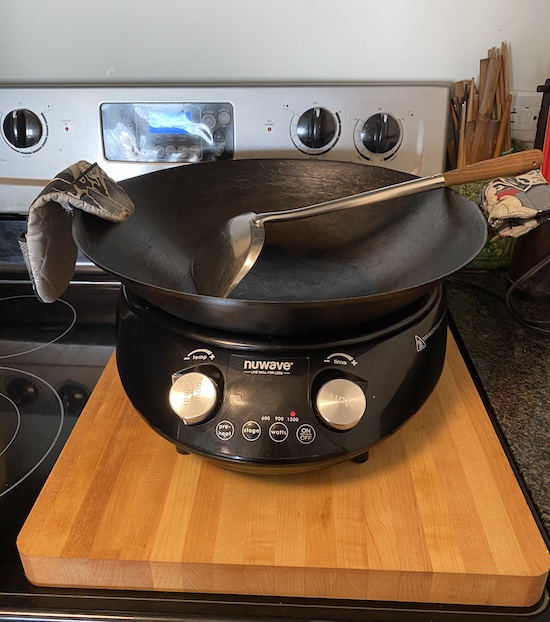
Electric woks offer a compelling alternative, particularly for those without access to a gas line or who prioritize convenience. They eliminate the need for gas hookups and can be more easily used in smaller kitchens. The ease of use is a major draw – simply plug it in, set the temperature, and start cooking.
There are several types of electric woks available. Flat-bottomed woks are designed for use on standard electric cooktops, while some models feature specialized heating elements that wrap around the wok's sides. These designs attempt to mimic the heat distribution of a gas flame. Others are simply non-stick pans marketed as 'electric woks,' and these generally don't perform as well.
A common concern with electric woks is their ability to get hot enough. However, many modern electric woks boast high wattage (1500-1800 watts is common) and rapid heating capabilities. Some even feature precise temperature controls, allowing for more consistent cooking. While they may not reach the same peak temperatures as a high-output gas burner, they can still deliver excellent results, especially for everyday stir-fries.
The convenience factor shouldn’t be underestimated. Electric woks are easy to clean, and many come with detachable parts. This makes them a practical choice for busy home cooks.
The Heat Test: Real-World Performance
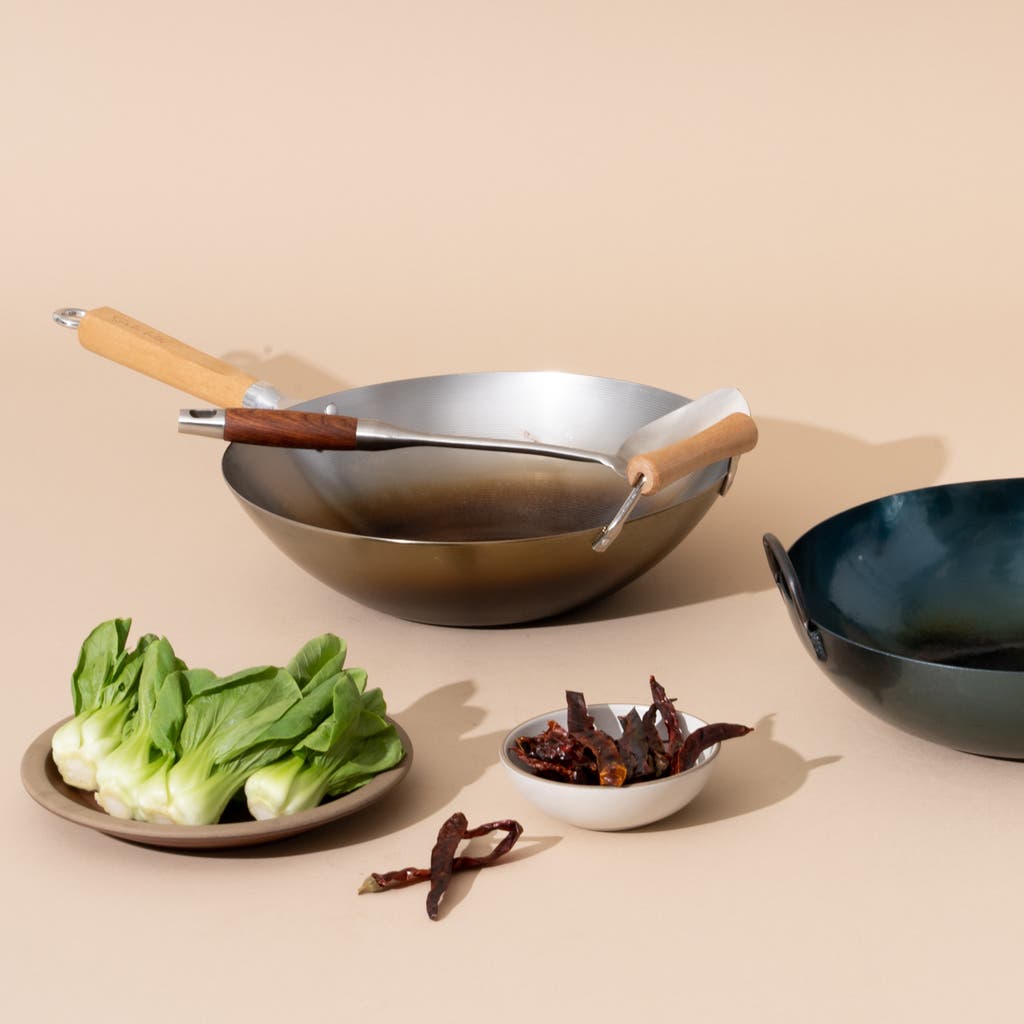
The material of the wok itself significantly impacts heat performance, regardless of the heat source. Carbon steel is the traditional choice, prized for its rapid heating and excellent heat retention. Cast iron retains heat exceptionally well but heats up more slowly and is considerably heavier. Stainless steel is durable and easy to clean, but typically doesn’t heat as evenly or retain heat as effectively as carbon steel.
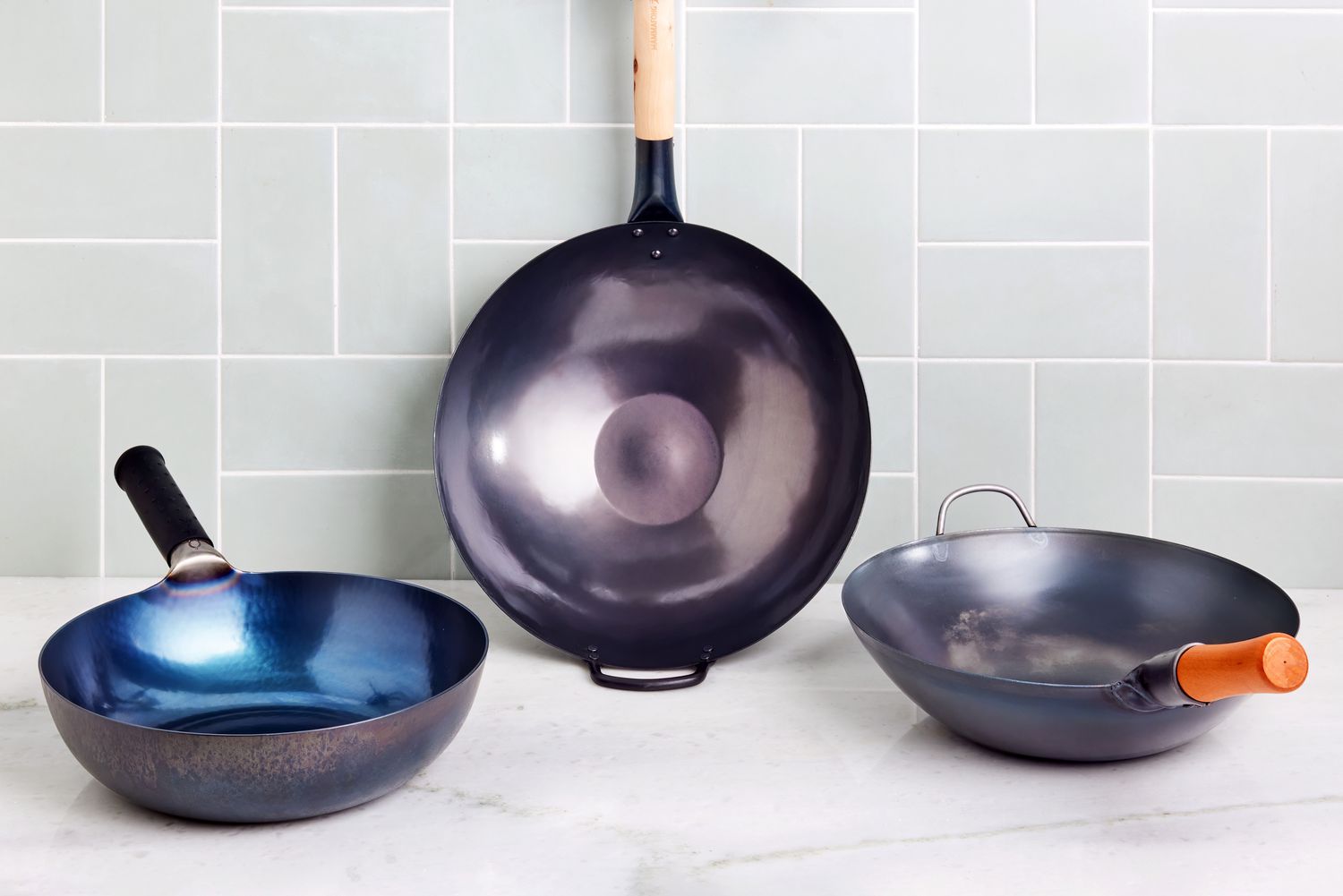
Wok shape also plays a critical role. The curved bottom of a traditional round-bottom wok concentrates heat in the center, making it ideal for searing and stir-frying. Flat-bottom woks, designed for electric cooktops, distribute heat more evenly but may not achieve the same high peak temperatures. This difference in heat distribution affects how quickly ingredients cook and how well wok hei develops.
Heat retention is particularly important when cooking in batches. A wok with good heat retention will maintain its temperature even after adding cold ingredients, ensuring consistent cooking results. Electric woks, particularly those with less thermal mass, may struggle to recover quickly after adding a large quantity of cold ingredients.
Preheating times vary significantly. Gas woks heat up almost instantly, while electric woks typically take several minutes to reach the desired temperature. Recovery times – how quickly the wok returns to temperature after adding cold ingredients – also differ. A gas wok will recover almost immediately, while an electric wok may take longer, potentially affecting the final dish.
- Carbon Steel: Rapid heating, excellent heat retention, requires seasoning.
- Cast Iron: Exceptional heat retention, slow heating, heavy.
- Stainless Steel: Durable, easy to clean, less even heating.
Gas vs. Electric Wok Cooking: A 2026 Comparison
| Performance Indicator | Gas Wok | Electric Wok |
|---|---|---|
| Heat-Up Time | Excellent | Good |
| Responsiveness | Excellent | Fair |
| Temperature Control | Good | Excellent |
| Wok Hei Potential | Excellent | Fair |
| Ease of Use | Fair | Good |
| Cleaning | Good | Excellent |
| Safety | Fair | Good |
Illustrative comparison based on the article research brief. Verify current pricing, limits, and product details in the official docs before relying on it.
Wok Shapes and Electric Compatibility
The classic round-bottom wok is specifically designed for use with gas stoves. Its shape allows the flames to envelop the wok, providing even heating and facilitating the "rolling flames" technique that contributes to wok hei. However, a round-bottom wok is unstable on a flat electric cooktop without a wok ring.
Using a round-bottom wok on an electric stove presents a challenge. A wok ring can provide some stability, but it also reduces the surface area in contact with the heating element, potentially lowering efficiency. The lack of direct flame contact also hinders the development of wok hei.
Flat-bottom woks have emerged as a solution for electric and induction cooktops. These woks distribute heat more evenly across the bottom surface, ensuring good contact with the heating element. However, they don’t allow for the "rolling flames" technique and may not achieve the same peak temperatures as a round-bottom wok on a gas burner.
The choice between a round-bottom and flat-bottom wok for electric cooking depends on your priorities. If you're willing to use a wok ring and accept a slight compromise in heat performance, a round-bottom wok can still be used. However, a flat-bottom wok is generally the more practical choice for electric cooktops.
Top Electric Woks for Serious Cooks
If you’re set on an electric wok, several models stand out for their performance and features. These aren’t necessarily ranked, as the "best" wok depends on your specific needs, but represent solid options for serious home cooks.
The Presto 02970 1500-Watt Electric Wok is a popular choice, known for its affordability and ease of use. It boasts 1500 watts of power and a large 6-quart capacity. User reviews frequently praise its quick heating and non-stick surface.
The Aroma Housewares AE-912 Electric Wok offers a bit more power at 1600 watts and features adjustable temperature control. It also includes a glass lid for steaming and a tempered glass lid for viewing food while cooking.
For those looking for a premium option, the Elite Gourmet Electric Wok (model MST-900BS) provides 1500 watts of power and a durable stainless steel construction. It features a non-stick coating and adjustable temperature control.
- Presto 02970: Affordable, 1500W, 6-quart capacity
- Aroma AE-912: 1600W, adjustable temperature, glass lid
- Elite Gourmet MST-900BS: Stainless steel, 1500W, non-stick coating
Featured Products

18/10 stainless steel construction · 12" round cooking surface · Adjustable temperature control knob
This electric skillet offers a durable stainless steel build and precise temperature control for versatile cooking.

Nonstick interior for easy cleaning · Includes tempered glass lid · Comes with cooking chopsticks
These highly-rated electric woks offer convenience and consistent heat, making them excellent choices for home cooks exploring electric wok cooking.
Nonstick interior for easy cleaning · Includes tempered glass lid · Comes with cooking chopsticks
These highly-rated electric woks offer convenience and consistent heat, making them excellent choices for home cooks exploring electric wok cooking.
Nonstick interior for easy cleaning · Includes tempered glass lid · Comes with cooking chopsticks
These highly-rated electric woks offer convenience and consistent heat, making them excellent choices for home cooks exploring electric wok cooking.
As an Amazon Associate I earn from qualifying purchases. Prices may vary.
Beyond the Wok: Accessories Matter
Regardless of whether you choose gas or electric, having the right accessories can significantly enhance your wok cooking experience. A high-quality wok spatula, made of wood or heat-resistant silicone, is essential for stirring and flipping ingredients. A wok ladle is perfect for scooping sauces and liquids.
A wok brush, specifically designed for cleaning woks, is crucial for maintaining the seasoning. Avoid using harsh soaps or abrasive cleaners, as these can damage the protective layer. Proper ventilation is also important, especially when cooking with gas, to remove fumes and odors. Resources like The Chopping Block's 'Wok Cooking 101' guide can provide further insights into essential techniques and proper wok maintenance.
No comments yet. Be the first to share your thoughts!