

Choosing the right wok for your kitchen
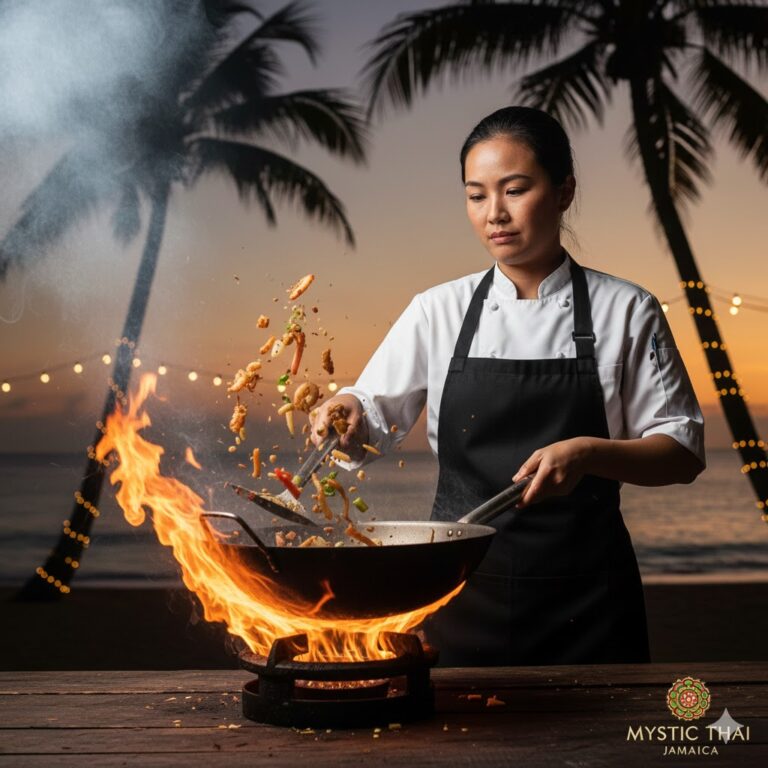
Selecting a wok starts with matching the material to your stove and cooking habits. Carbon steel is the standard for stir-frying because it heats quickly, responds instantly to temperature changes, and develops a natural non-stick surface over time. Non-stick options are easier for beginners but cannot handle the high heat needed for proper wok hei (breath of the wok). Cast iron retains heat well but is heavy and slow to heat, making it less ideal for fast stir-fries.
Consider your stove type. If you have a gas range, a round-bottomed wok fits perfectly and concentrates heat in the center. For electric or induction cooktops, choose a flat-bottomed wok to ensure stability and even contact. Carbon steel works on all stove types, while non-stick coatings may degrade under high heat or metal utensils.
| Material | Heat Response | Maintenance | Best Use Case |
|---|---|---|---|
| Carbon Steel | Fast, responsive | Season regularly | High-heat stir-frying |
| Non-Stick | Slow, even | Easy, no seasoning | Low-fat cooking |
| Cast Iron | Slow, retains heat | Season, avoid acid | Slow braises |
How to season a new wok properly
Seasoning a new carbon steel wok is the single most important step in building a natural non-stick surface. This process polymerizes oil into a hard, slick coating that prevents food from sticking and protects the metal from rust. Think of it like building layers of a protective shell; each layer adds durability and stick-resistance.
You do not need special products or expensive oils. A simple vegetable oil or peanut oil works perfectly. The goal is to create a dark, patina-like finish that improves with every meal you cook. Follow these steps to prepare your wok for its first stir-fry.
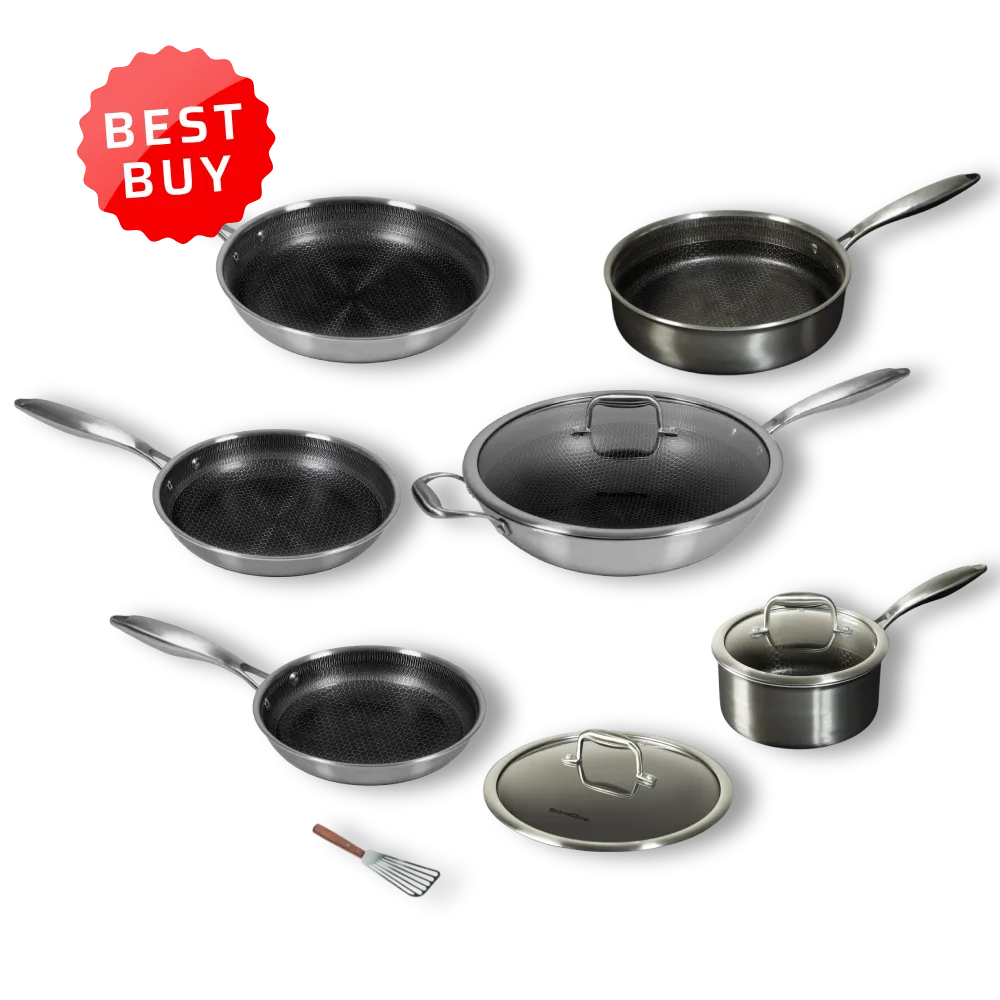
New carbon steel woks are coated in a thin layer of industrial oil to prevent rust during shipping. You must remove this completely. Wash the wok with warm water, dish soap, and a stiff scrub brush or steel wool. Do not worry about scratching the metal; you are stripping away the factory finish. Dry it thoroughly with a towel immediately to prevent water spots.
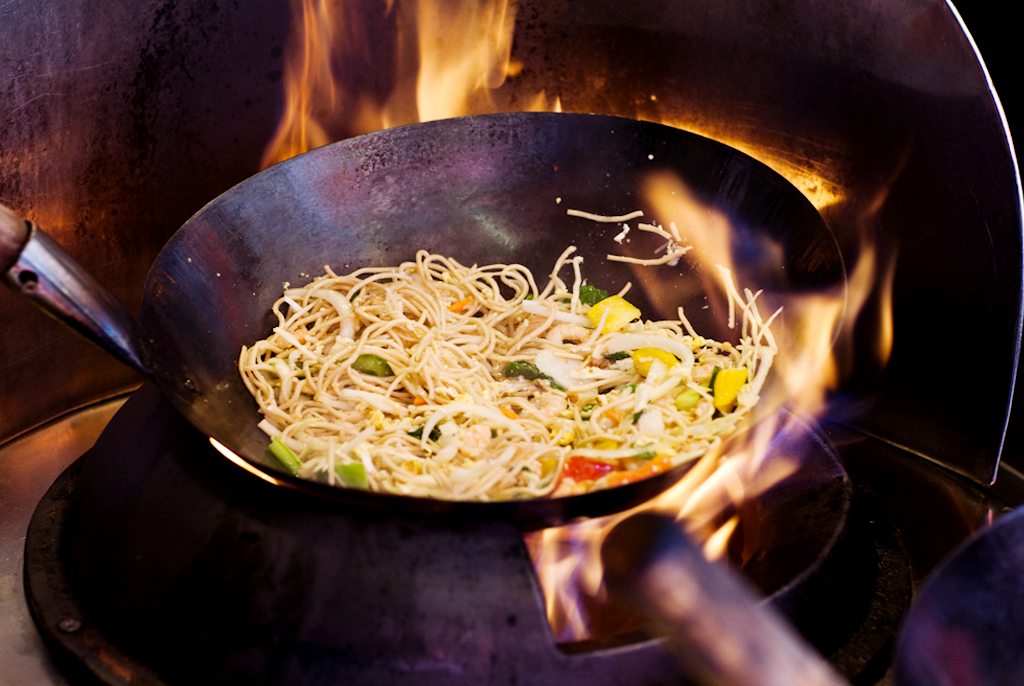
Place the clean, dry wok on your stove over high heat. If you have an outdoor gas burner, this is the ideal spot, as the process creates significant smoke. Heat the wok until the metal changes color slightly and begins to smoke. This usually takes 5-10 minutes. The entire surface, including the sides and handle, needs to reach this temperature to ensure even seasoning.
Turn off the heat and let the wok cool for about a minute so it is safe to handle but still hot. Pour a small amount of high-smoke-point oil (like peanut, canola, or flaxseed) into the wok. Use a paper towel or cloth to rub the oil over the entire interior surface. You want a very thin layer; if it looks wet or shiny, you used too much. Wipe out any excess oil with a clean paper towel.
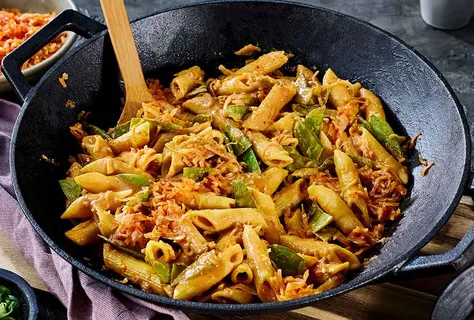
Turn the heat back to high. The oil will smoke heavily and eventually stop smoking as it polymerizes into a solid layer. This may take 5-15 minutes. Once the smoking subsides, turn off the heat and let the wok cool completely. Repeat the oil application and heating process 2-3 times. Each layer will make the wok darker and more non-stick.
KeyTakeaways items=["Scrub the factory coating off with soap and steel wool before starting.", "Heat the wok on high until it smokes to open the metal pores.", "Apply a paper-thin layer of oil and burn it off until it polymerizes.", "Repeat the process 2-3 times for a durable, non-stick surface."]
Essential tools for wok cooking
You don’t need a professional kitchen to cook well in a wok, but having the right gear makes the difference between a struggle and a smooth stir-fry. The standard carbon steel wok relies on high heat and rapid movement, so your tools must withstand temperature spikes and fit the curved shape of the pan.
Wok ring
A wok ring is a metal stand that sits on your burner to support the rounded bottom of the wok. Without it, the wok will wobble or tip over, especially on gas stoves. It also helps direct the flame upward into the bowl of the wok, ensuring even heating. If you have an induction cooktop, you’ll need a flat-bottomed wok instead, as woks with curved bottoms won’t make proper contact with the magnetic surface.
Wok spatula (chuan)
The traditional wok spatula, or chuan, has a long handle and a curved, thin blade that matches the wok’s contour. This shape allows you to scoop and flip ingredients efficiently without scraping the seasoning layer. Unlike a flat metal spatula, the chuan slides under food easily, making it easier to toss vegetables and proteins in the hot oil. Look for one made of carbon steel or heat-resistant nylon.
Strainer basket
A deep, wire-mesh strainer basket is invaluable for blanching vegetables or frying ingredients directly in the wok. Instead of transferring hot oil to another pot, you can lower the basket into the wok, drop in the food, and lift it out once cooked. This keeps your workspace clean and reduces the risk of splashing hot oil. It’s also useful for draining boiled noodles or vegetables before adding them back to the wok for the final toss.
Ladle
A metal ladle helps you distribute oil and sauce evenly across the wok’s surface. Since stir-frying relies on consistent heat and flavor distribution, a ladle ensures that every bite gets coated. It’s also helpful for adding small amounts of liquid, like broth or vinegar, without disrupting the cooking process. Choose a ladle with a long handle to keep your hands safe from the heat.
Chopsticks
Long chopsticks are essential for stirring and flipping ingredients, especially when working with small pieces of meat or vegetables. They give you more control than a spatula for delicate tasks, like separating noodles or turning over thin slices of protein. Many professional wok cooks keep a pair of chopsticks handy for quick adjustments during the fast-paced cooking process.
Mastering the stir-fry technique
Stir-frying is less about flipping food and more about managing heat and momentum. The goal is to cook ingredients quickly over high heat so they retain their crunch and color while developing a smoky depth known as wok hei. Unlike Western skillet cooking, which often relies on lower temperatures and longer cook times, wok cooking demands preparation before the flame is even lit.
Think of your mise en place as a pre-loaded magazine for a rapid-fire gun. If you have to stop to chop garlic while the oil is smoking, your food will burn. Because a wok stir-fry takes only minutes, every ingredient must be sliced, measured, and within arm’s reach before you start.
Preheat the wok until it smokes
Start by placing your carbon steel wok over high heat. Do not add oil yet. Let the metal heat up until it begins to smoke lightly. This indicates the surface is hot enough to sear proteins instantly and prevent sticking. Once it’s ripping hot, add your cooking oil and swirl it to coat the bottom. The oil should shimmer immediately.
Cook in batches to avoid steaming
Never crowd the wok. If you add too many ingredients at once, the temperature drops, and the food steams in its own moisture instead of frying. Cook proteins like chicken or beef in small batches, removing them once they are just cooked through. Set them aside on a plate. This ensures each piece gets proper browning rather than turning gray and soggy.
Follow the order of hardness
When cooking vegetables, start with the hardest items that take the longest to soften, such as carrots, broccoli stems, or onions. Add softer vegetables like bell peppers, snap peas, or leafy greens later in the process. This staggered approach ensures everything finishes cooking at the same time, maintaining distinct textures.
Toss, don’t stir
Use a wok spatula or ladle to toss the ingredients. The curved shape of the wok is designed to launch food up and over itself, exposing all sides to the direct heat. This tossing motion is crucial for even cooking and flavor distribution. Avoid simply stirring in circles; lift and turn the food to keep it moving constantly.
Return proteins and add sauce
Once all vegetables are crisp-tender, return the cooked proteins to the wok. Pour in your pre-mixed sauce. The sauce should bubble and thicken within seconds, coating every piece of food. Toss everything together vigorously for another 30 seconds to ensure the flavors meld. Serve immediately while the food is still hot and crisp.
Classic Chicken and Vegetable Stir-Fry
This recipe demonstrates the core principles of wok cooking: high heat, quick cooking, and proper sequencing. By following this method, you’ll achieve the characteristic "wok hei" (breath of the wok) flavor, which comes from the interaction between the hot oil, ingredients, and carbon steel surface.
The key to success is preparation. Wok cooking happens fast, so have all ingredients chopped, sauces mixed, and tools within reach before you turn on the burner. This is often called "mise en place"—everything in its place.
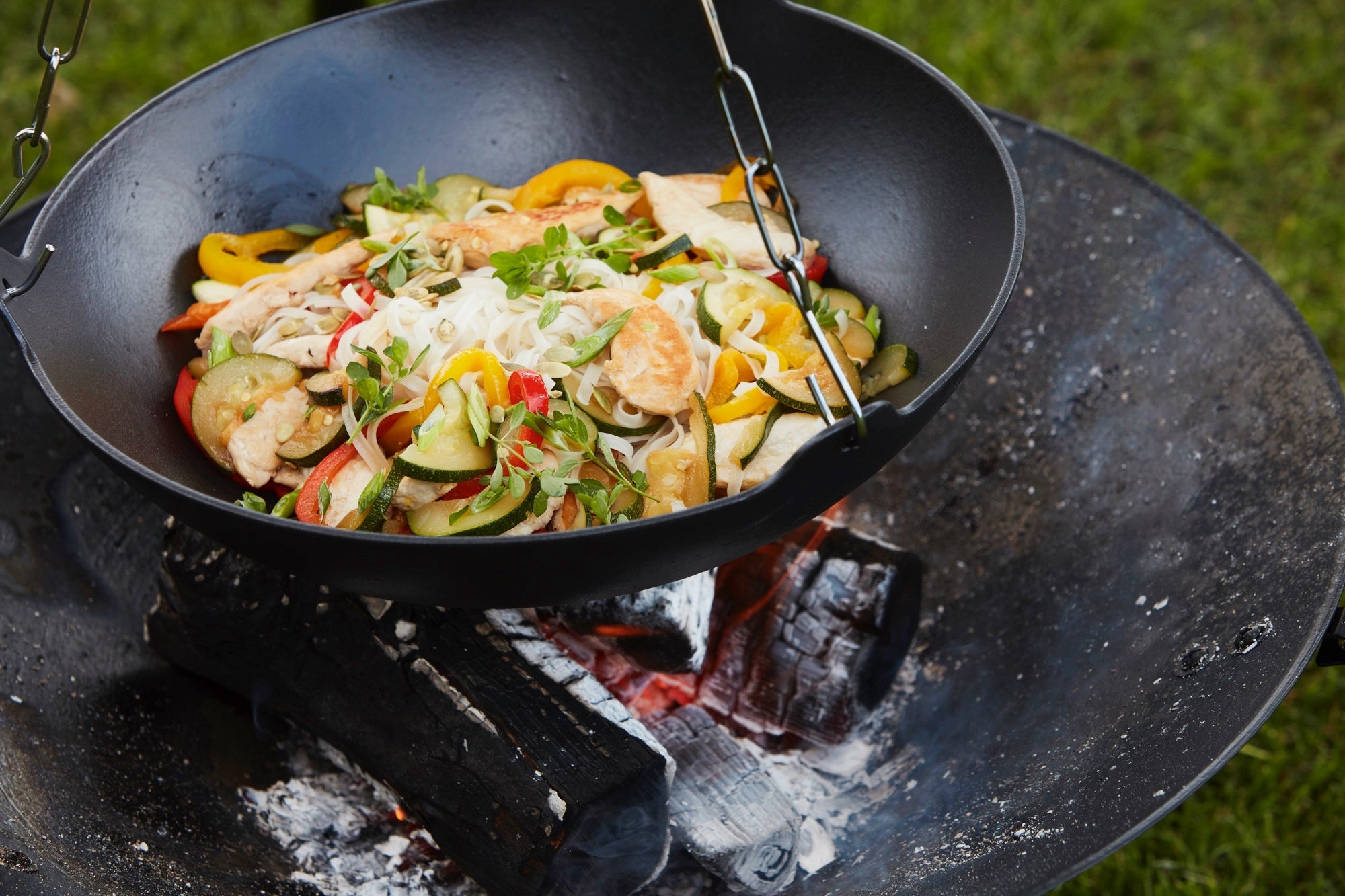
Pro Tip: Don’t overcrowd the wok. If you’re cooking for more than two people, cook the chicken in two batches. Overcrowding lowers the temperature, causing the food to steam instead of sear.
Common wok cooking mistakes to avoid
Even with a well-seasoned carbon steel wok, beginners often fall into traps that turn a stir-fry into a soggy mess. The most frequent error is overcrowding the pan. When you pack too many ingredients in at once, the temperature plummets and the food steams instead of frying.
Another common pitfall is using the wrong oil. Low-smoke-point oils like butter or extra virgin olive oil will burn instantly in a ripping-hot wok, leaving your food with a bitter, acrid taste. Stick to neutral oils with high smoke points, such as peanut, canola, or grapeseed oil.
Finally, skipping the prep work before you light the burner is a recipe for disaster. Stir-frying happens in minutes. If you are chopping garlic or measuring sauce while the wok is smoking, your ingredients will burn before you can add them. Mise en place isn't just for fine dining; it is essential for wok cooking.
Frequently asked questions about woks
Wok cooking can feel intimidating at first, but the techniques are straightforward once you understand the flow. Here are answers to the most common questions beginners ask about using a carbon steel wok.
No comments yet. Be the first to share your thoughts!