
Why carbon steel wins for stir-fry
Carbon steel is the standard for serious home cooks because it bridges the gap between heavy cast iron and thin aluminum. It heats up quickly and cools down just as fast, giving you the immediate control needed for high-heat techniques like wok hei. Unlike cast iron, which holds heat relentlessly, carbon steel responds instantly to temperature changes, allowing you to sear meat and then drop in vegetables without overcooking your protein.
The material’s true advantage lies in its surface. Through a process called polymerization, carbon steel builds up a natural non-stick patina over time. When you heat oil, the molecules bond to the metal, creating a smooth, dark layer that prevents food from sticking. This is why top picks like the Yosukata Black Carbon Steel Wok often come pre-seasoned, while models like the Sur La Table Professional Carbon Steel Wok require you to build that layer yourself for a truly customized cooking surface.
This responsiveness is why carbon steel remains the preferred material for high-heat stir-frying. It offers the durability of iron without the weight, making it easier to toss ingredients and maneuver around the kitchen. As you use it, the seasoning improves, making the wok more non-stick and easier to clean with every meal.
Top carbon steel woks for 2026
Carbon steel remains the preferred material for serious home cooks because it heats quickly and develops a natural nonstick surface over time. We tested dozens of models to find the ones that balance durability with cooking performance. The Yosukata and Sur La Table models stand out as the most reliable options for high-heat stir-frying.
The Yosukata Black Carbon Steel Wok has earned a consistent reputation as a top choice among reviewers. It comes pre-seasoned, which saves time and provides an immediate head start on building a polymerized coating. The flat bottom ensures stability on electric and induction cooktops, while the wooden handle offers a comfortable, secure grip that stays cool during use. Its construction is straightforward: thin, responsive metal that heats evenly without hot spots.
For those who prefer a slightly heavier feel and a longer handle, the Sur La Table Professional Carbon Steel Wok is a strong contender. It outperformed many competitors in direct testing due to its robust build and excellent heat retention. The long handle allows for better leverage when tossing ingredients, a critical feature for achieving the characteristic "wok hei" flavor. While it requires more initial seasoning care, the payoff is a wok that lasts for decades.
Both woks excel at high-heat cooking, but they serve slightly different preferences. The Yosukata is ideal for those who want a ready-to-use tool with a traditional short handle. The Sur La Table model suits cooks who prioritize maneuverability and don't mind a longer break-in period. Both are investments in a tool that will outlast nonstick alternatives by many years.


As an Amazon Associate, we may earn from qualifying purchases.
| Model | Diameter | Handle Type | Bottom Style |
|---|---|---|---|
| Yosukata Black Carbon Steel | 14 inch | Wooden loop | Flat |
| Sur La Table Professional | 14 inch | Long stainless steel | Flat |
| Mammafong Preseasoned | 14 inch | Wooden loop | Flat |
how to season a new carbon steel wok
Seasoning a carbon steel wok is the single most important step in ensuring your stir-fries never stick. Think of seasoning as building a microscopic layer of polymerized oil that bonds to the metal, creating a natural non-stick surface. While some brands like the Yosukata Carbon Steel Wok arrive pre-seasoned, a fresh layer at home guarantees the best performance and protects the metal from rust.
The process is straightforward and requires only a few common kitchen items. You will need a mild dish soap, a non-abrasive scrubber, paper towels, and a high-smoke-point oil such as grapeseed, canola, or flaxseed oil. Avoid olive oil or butter, as they burn too quickly and leave a sticky residue rather than a hard finish.
Follow these steps to build a durable, dark patina on your new wok.
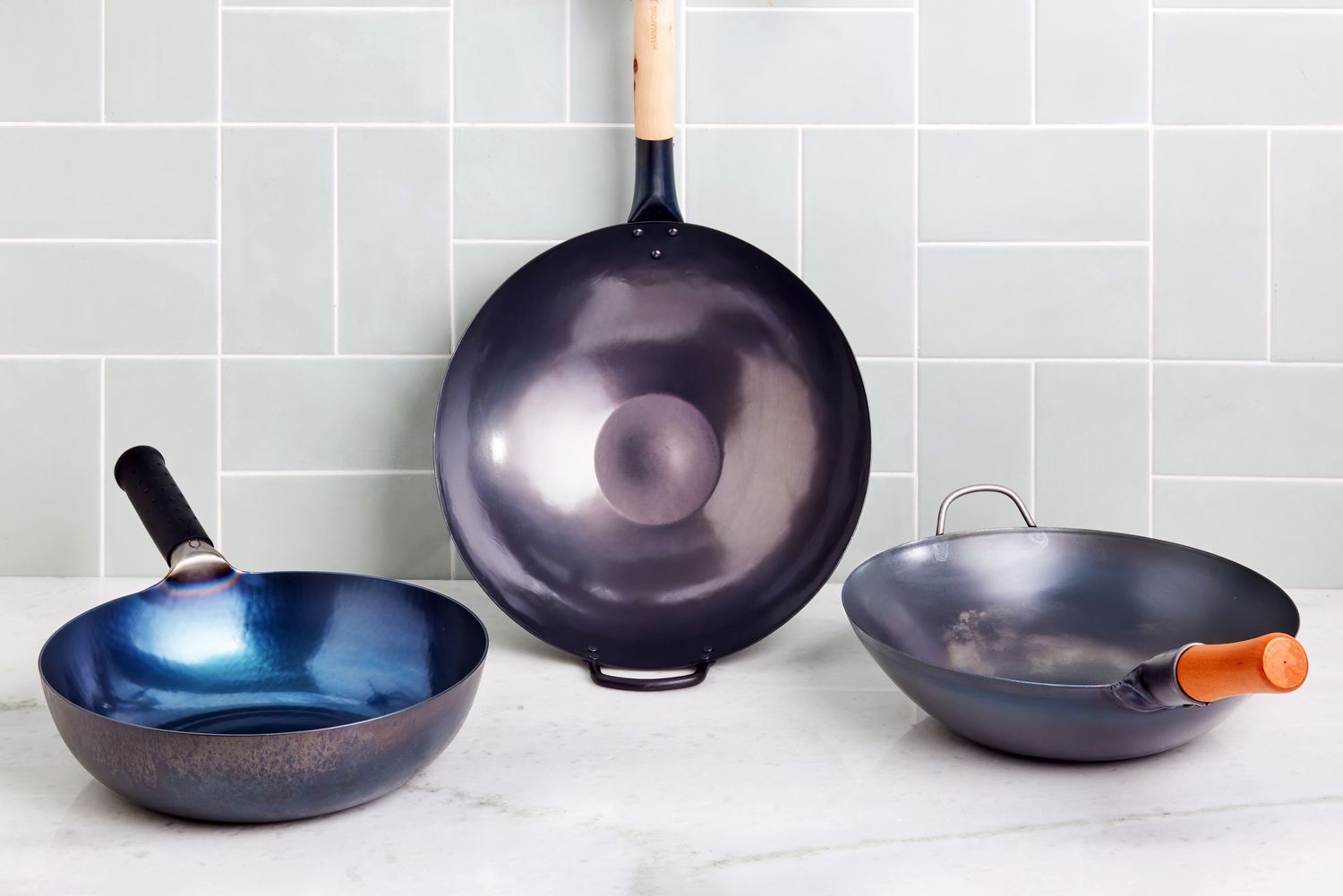
New woks are often coated in a thin layer of industrial oil to prevent rust during shipping. Scrub the entire interior and exterior with hot water and dish soap using a stiff sponge or steel wool. This removes the protective coating so your seasoning can bond directly to the bare metal. Dry it immediately and thoroughly with a towel to prevent flash rusting.
Place the clean, dry wok on your stove over medium-high heat. Heat it until the metal changes color from silver to a dull blue or grey. This usually takes about five to ten minutes. You are driving out any remaining moisture and preparing the metal's pores to accept the oil. Ensure your kitchen is well-ventilated, as the metal will release some odor during this phase.
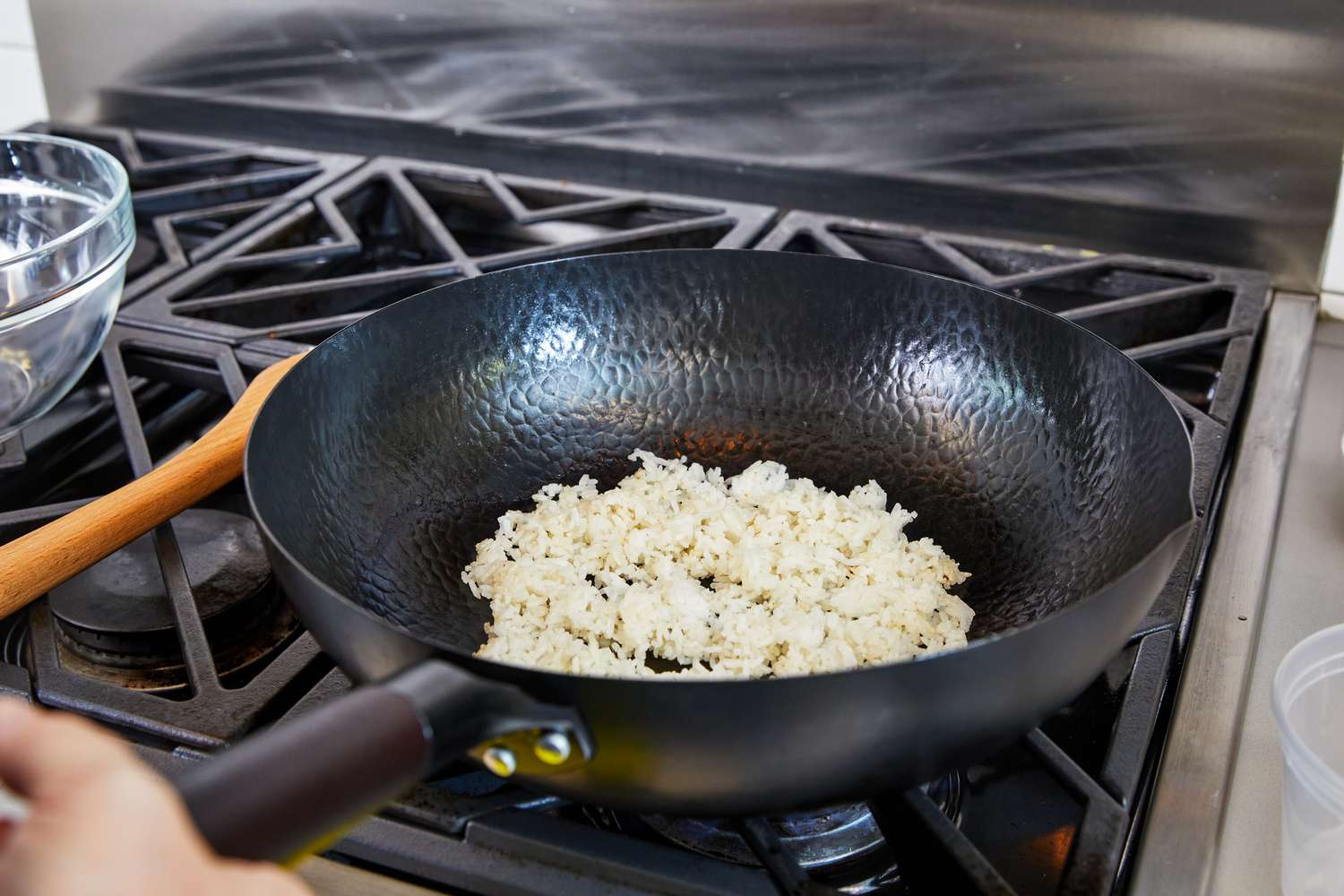
Turn off the heat and let the wok cool slightly for about a minute—just enough so you can handle it safely with a towel. Pour a small amount of high-smoke-point oil into the wok. Use a paper towel to rub the oil over every surface, including the sides and the exterior bottom. Wipe away as much oil as possible; you want a microscopic layer, not a puddle. Excess oil will become sticky and gummy rather than hardening into a smooth finish.
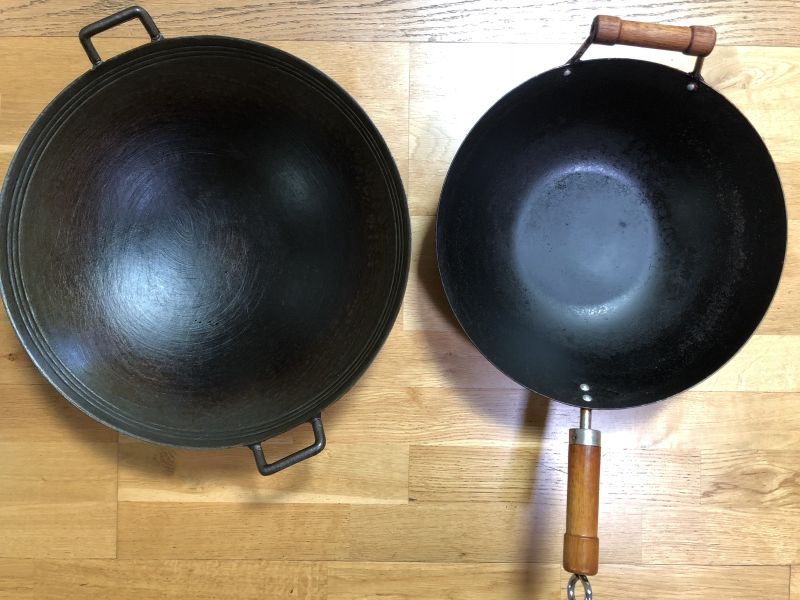
Return the wok to medium-high heat. The oil will begin to smoke and darken. Rotate the wok occasionally to ensure even heating across the entire surface. Continue heating until the smoking subsides and the oil has turned into a hard, dark coating. This polymerization process typically takes another five to ten minutes. The metal should look uniformly dark brown or black.
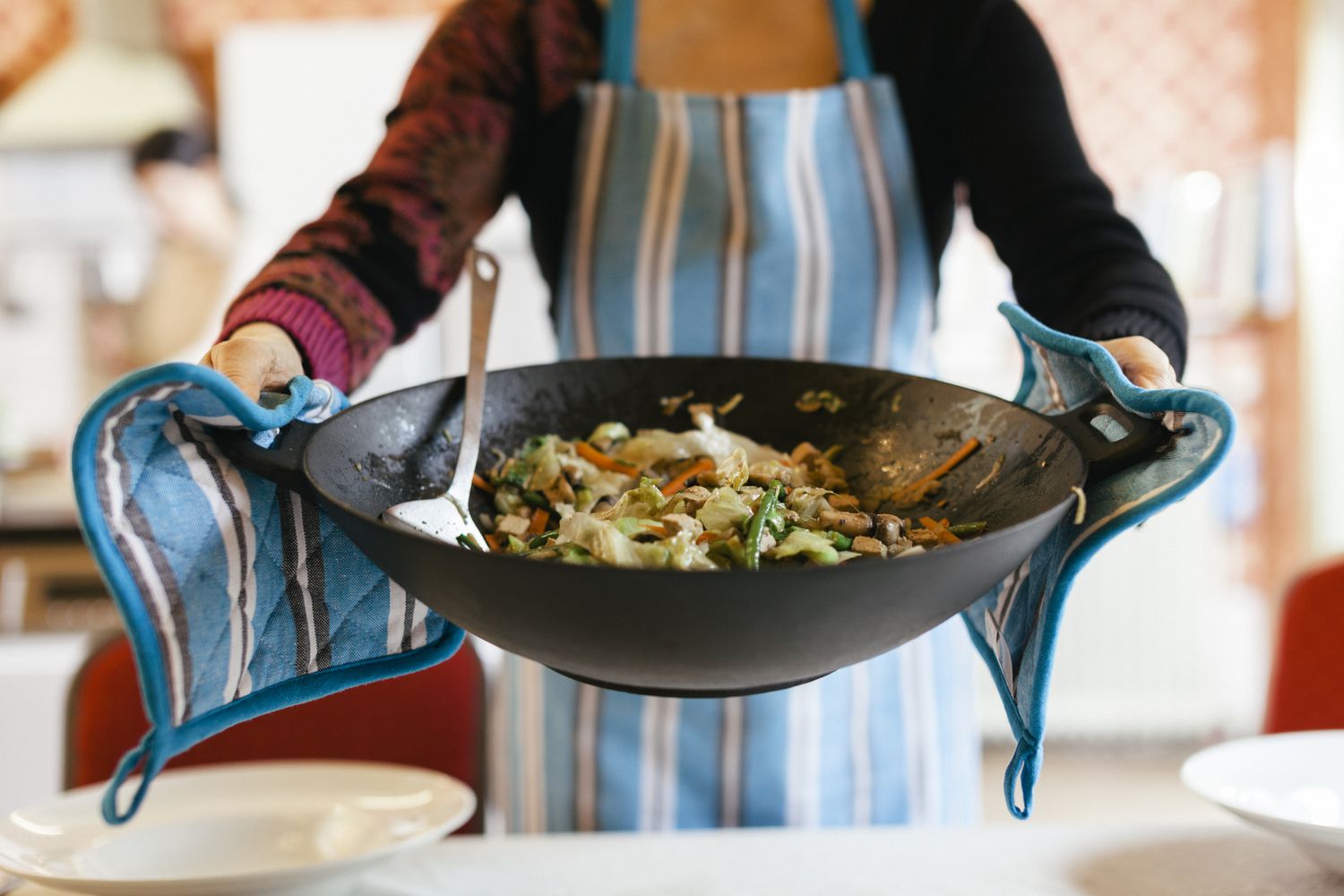
Turn off the heat and allow the wok to cool completely on the stove. Once cool, wipe it out with a dry paper towel. For a robust, long-lasting non-stick surface, repeat the oiling and heating process two or three more times. Each layer builds upon the last, creating a deeper, more durable patina. After the final cycle, your wok is ready for its first stir-fry.
Maintain this finish by avoiding harsh detergents and steel wool during regular cleaning. After cooking, rinse with hot water and use a soft brush or sponge to remove food particles. Dry the wok immediately over low heat on the stove, then apply a tiny drop of oil before storing. This simple routine keeps the seasoning intact and ensures your carbon steel wok performs like a well-loved classic for years to come.
Wok maintenance for lasting non-stick
Proper seasoning is the difference between a wok that sticks and one that performs like a well-oiled machine. The Yosukata Black Carbon Steel Wok arrives pre-seasoned, but that initial layer is just the foundation. To keep it from rusting or losing its grip on food, you need to treat it like a cast iron skillet with higher stakes.
The biggest mistake home cooks make is treating carbon steel like stainless steel. Never use dish soap or abrasive scrubbers. Modern dish soaps contain degreasers that strip away the polymerized oil layer you’ve spent hours building. If you need to clean your Sur La Table carbon steel wok after a messy stir-fry, use hot water and a soft sponge or bamboo brush. For stubborn bits, use coarse salt as a gentle abrasive—it scrubs without damaging the seasoning.
After washing, dry the wok immediately on low heat. Any lingering moisture will cause rust to bloom within hours. Once dry, apply a thin coat of neutral oil with a paper towel. This isn’t optional; it’s insurance. If the surface ever looks dull or starts to rust, you can re-season it in the oven at 450°F for an hour. A little daily care prevents the need for major repairs later.
-
Wash with hot water and a soft sponge only
-
Avoid all dish soaps and steel wool
-
Dry immediately on the stovetop over low heat
-
Apply a thin layer of neutral oil after every use
No comments yet. Be the first to share your thoughts!