

Carbon Steel Woks: Why Now?
There's a real buzz around carbon steel woks right now, and for good reason. For generations, they’ve been the workhorse of professional kitchens across Asia, and home cooks are finally catching on. It’s not just a trend; it’s a shift towards a more responsive, versatile, and ultimately satisfying cooking experience.
Unlike non-stick pans that lose their slickness over time, or stainless steel which can be tricky to master, carbon steel offers the best of both worlds. It heats up quickly and evenly, allowing for that essential high-heat cooking needed for proper stir-fries. Plus, with proper seasoning, it develops a naturally non-stick surface that improves with age – a far cry from constantly replacing coated pans.
Admittedly, there’s a learning curve. Seasoning a carbon steel wok requires some effort, and it demands a different approach to cooking than you might be used to. But the reward – incredibly flavorful food and a cooking tool that will last for decades – is well worth it. Recent testing by publications like Food & Wine and Serious Eats in 2026 confirm that these woks are delivering impressive results.
Both Food & Wine and Serious Eats conducted extensive testing of various carbon steel woks, evaluating them on heat retention, responsiveness, ease of seasoning, and overall cooking performance. Their findings provide a solid foundation for choosing the best wok for your kitchen.
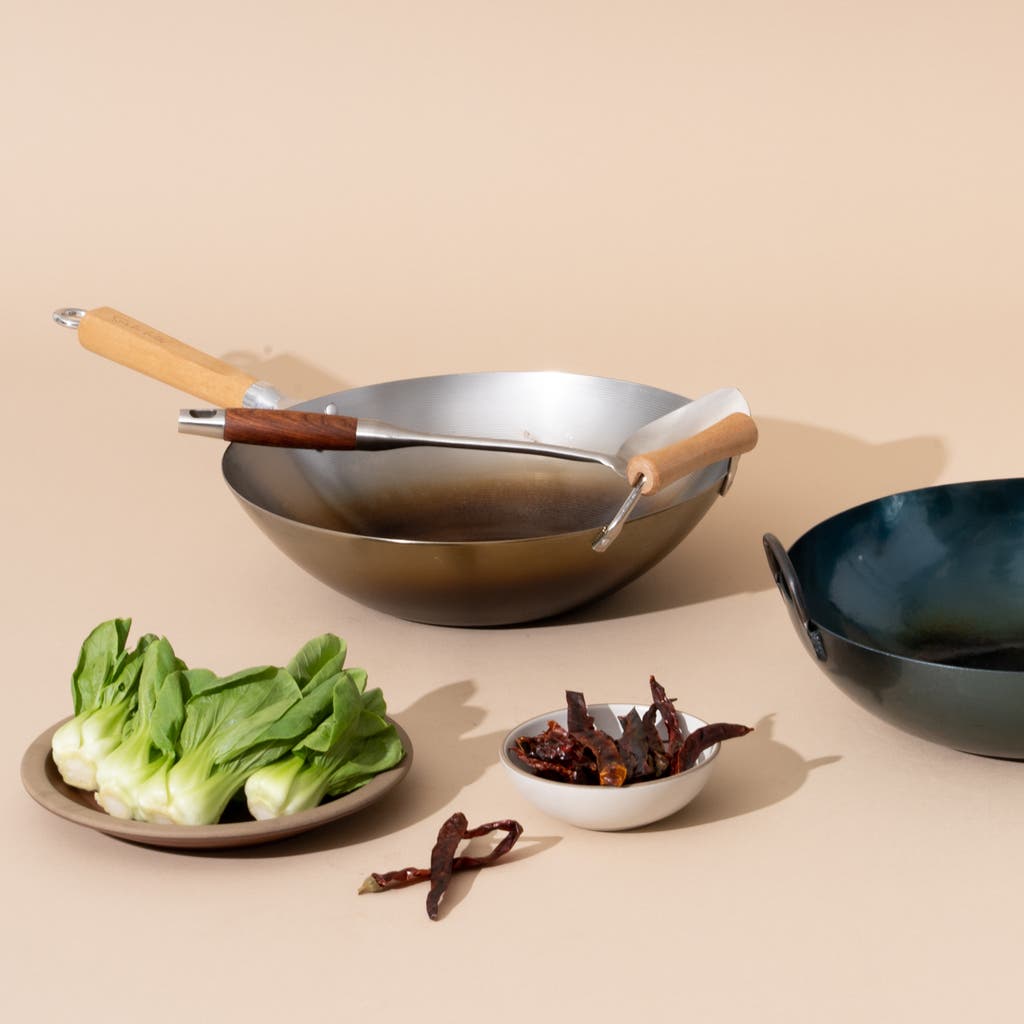
The 5 Best Carbon Steel Woks (2026)
Based on rigorous testing by Food & Wine and Serious Eats, here are five carbon steel woks that stand out in 2026. Each offers a unique set of features and benefits, but all deliver the performance expected from a quality carbon steel wok.
1. Craft Wok Traditional Hand Hammered Carbon Steel Pow Wok: Serious Eats named this wok their overall winner. At 14 inches in diameter and weighing in at 3.5 pounds, it’s a substantial piece of cookware. The hand-hammered surface provides excellent responsiveness, and the wooden handle remains cool during cooking. Testers praised its even heating and ability to develop a beautiful seasoning. However, the handle attachment is riveted, and some users report loosening over time.
2. MTI Kitchen Carbon Steel Pow Wok: This wok consistently ranks high in reviews, including a top pick from Food & Wine. The 14-inch diameter and 2.5mm thickness strike a good balance between responsiveness and durability. It’s relatively lightweight at 3 pounds, making it easier to maneuver. Food & Wine testers noted its excellent heat retention and even cooking. The steel handle can get hot, requiring a pot holder.
3. Yosukata Carbon Steel Wok Pan: A more budget-friendly option, the Yosukata wok (13.5 inches, 2.0 pounds) still delivers impressive performance. Food & Wine testers were surprised by its responsiveness and ability to develop a good seasoning, despite its lower price point. The wooden handle is comfortable to hold, but the thinner steel means it’s more prone to warping at very high heat.
4. Helen’s Asian Kitchen Carbon Steel Wok: This 14-inch, 3.5-pound wok is a favorite among experienced wok users. Serious Eats testers appreciated its generous cooking surface and excellent heat distribution. The flat bottom makes it suitable for induction cooktops, a major plus for many home cooks. The steel handle is long, providing good leverage, but it requires careful handling to avoid burns.
5. Mauviel M'65 Carbon Steel Wok: Mauviel is known for its high-end copper cookware, and their carbon steel wok (13.9 inches, 3.3 pounds) doesn’t disappoint. Food & Wine described it as a luxury option, with exceptional heat retention and a beautifully polished finish. The steel handle is sturdy and comfortable, but it comes with a premium price tag. It’s a great choice for serious cooks who want the best of the best.
Featured Products

14-inch flat bottom for stability · Heavy-duty carbon steel construction · Compatible with gas, electric, and induction stovetops
This wok offers a versatile and durable option for home cooks looking for a reliable tool for various high-heat cooking techniques across different stovetops.

14-inch size · Flat bottom design · Carbon steel material
This Ken Hom wok provides a classic and accessible entry point into carbon steel wok cooking, offering good heat conductivity for effective stir-frying.

Hand-hammered carbon steel · 14-inch flat bottom · Includes wooden and steel helper handles
The hand-hammered construction of this Craft Wok promotes superior heat control and authentic wok cooking results, while the dual handles offer enhanced usability.

14-inch round bottom for traditional cooking · Pre-seasoned carbon steel · Suitable for gas stoves, open fire, BBQ, and camping
This YOSUKATA wok is perfect for those seeking a traditional round-bottom experience and is versatile enough for both indoor gas cooking and outdoor adventures.

6.5-inch SG2 steel blade · 100-layer Damascus pattern · Karelian Birch handle
While not a wok, this MIYABI Nakiri knife is an exceptional tool for home cooks, offering unparalleled precision and durability for vegetable preparation, complementing any kitchen setup.
As an Amazon Associate I earn from qualifying purchases. Prices may vary.
Wok Shape & Size: What Matters?
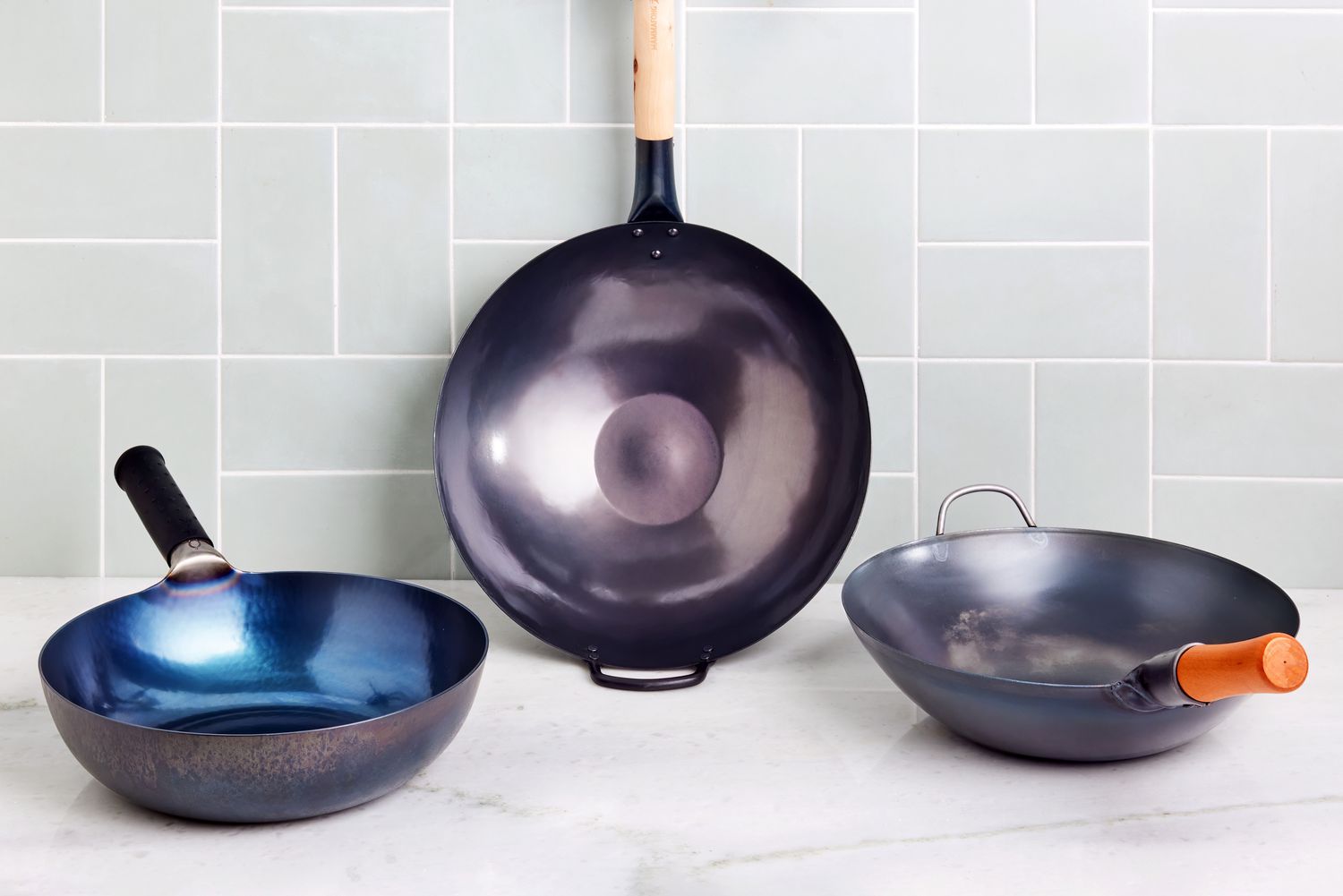
Choosing the right wok shape and size is surprisingly important. Woks come in two main bottom styles: round and flat. Round-bottom woks are the traditional choice, favored by professional chefs because they concentrate heat in the center, ideal for stir-frying over a powerful burner. However, they require a wok ring for stability on most Western stoves.
Flat-bottom woks are designed for use on electric or induction cooktops where a round bottom won’t sit securely. While they don’t quite achieve the same level of heat concentration as round-bottom woks, they’re a practical choice for many home kitchens. The diameter of the wok is also crucial. A 14-inch wok is a good all-around size for family cooking, while a 12-inch wok is better suited for smaller households.
Wok thickness plays a role, too. Thinner woks (around 1.8mm) heat up and cool down more quickly, offering greater responsiveness and control. They're great for quick stir-fries, but more susceptible to warping. Thicker woks (2.0mm or more) are more durable and retain heat better, but they take longer to heat up. The slope of the wok’s sides is another debated topic. A steeper slope makes it easier to toss and stir-fry, but some cooks prefer a gentler slope for more even cooking.
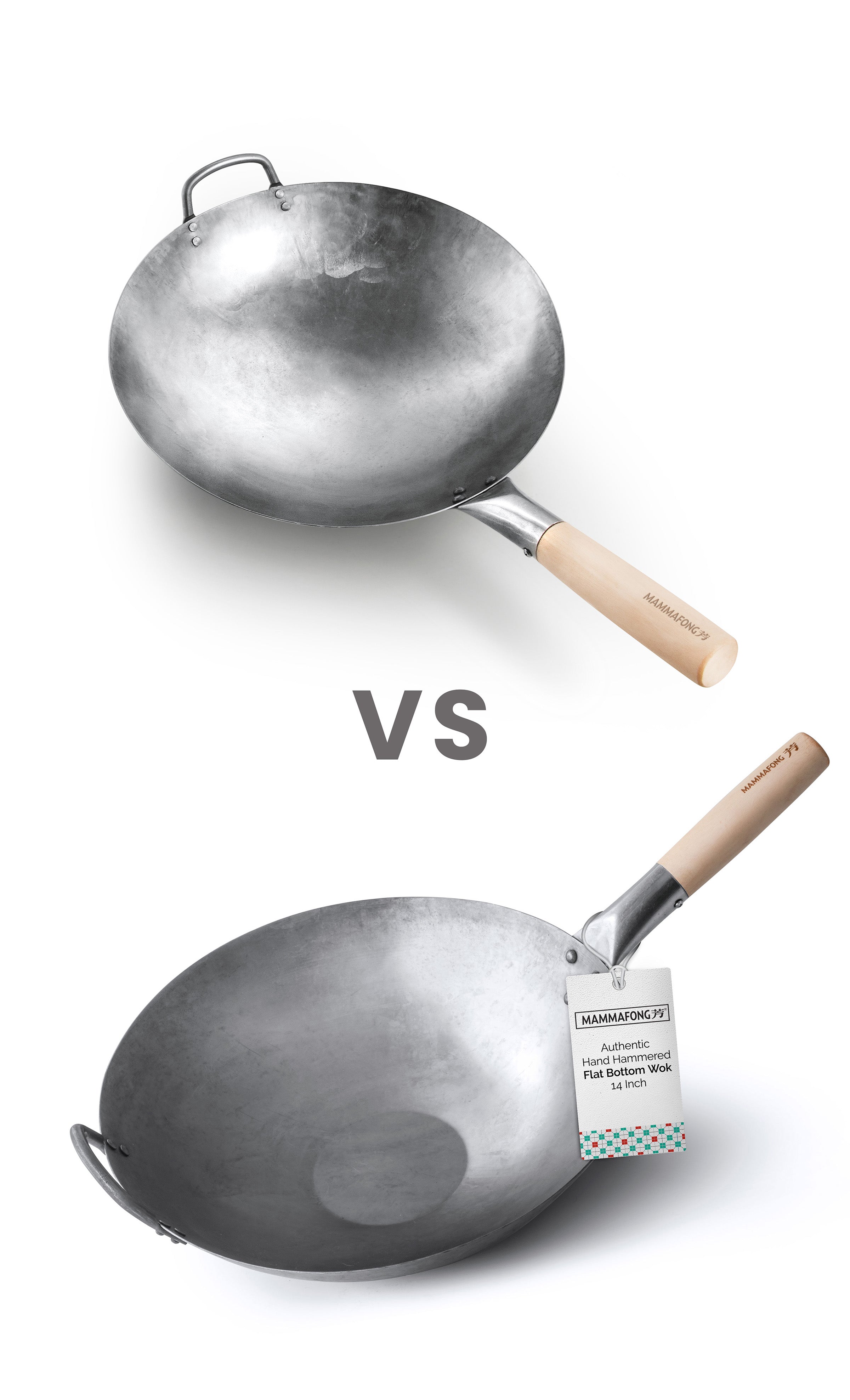
Handle Types: Wood vs. Steel
The handle of your wok is more important than you might think. Wooden handles are a classic choice, staying relatively cool to the touch even during high-heat cooking. They offer a comfortable, natural grip, but can be prone to cracking or loosening over time. Steel handles are more durable and offer a modern aesthetic. They will get hot, however, requiring you to use a pot holder or silicone grip.
The way the handle is attached to the wok body is also important. Welded handles are generally the most secure, providing a strong and permanent connection. Riveted handles are another common option, but I've found that they can sometimes loosen with repeated use and temperature fluctuations. Look for woks with reinforced rivets for added stability.
Handle length affects maneuverability. A longer handle provides more leverage, making it easier to toss and stir-fry, but it can also make the wok more unwieldy to store. Consider your cooking style and kitchen space when choosing a handle length. Ergonomic considerations are also key - a comfortable handle will make all the difference during extended cooking sessions.
- Wooden Handles: Stay cool, comfortable grip, prone to cracking.
- Steel Handles: Durable, modern look, get hot, require protection.
Carbon Steel Wok Handle Comparison: Wood vs. Steel (2026)
| Handle Material | Heat Conduction | Grip Comfort | Durability | Ease of Cleaning |
|---|---|---|---|---|
| Wood | Low | High | Medium | Medium - Requires more careful cleaning to prevent water absorption |
| Steel | High | Medium | High | High - Generally easier to wipe clean |
| Wood (with Welding) | Medium | High | Better for heavy use | Medium - Welding adds stability but requires cleaning around joints |
| Steel (Hollow) | High | Medium | Medium | High - Lightweight, but can dent with forceful impacts |
| Steel (Solid) | High | Medium | High | High - More durable, but heavier than hollow handles |
| Wood (Bamboo) | Low | Very High - Natural grip | Low to Medium - More prone to cracking | Medium - Requires oiling to prevent drying |
Qualitative comparison based on the article research brief. Confirm current product details in the official docs before making implementation choices.
Seasoning: The Key to Non-Stick
Seasoning is the process of polymerizing oil – essentially, turning it into a plastic-like coating – to create a naturally non-stick surface on your carbon steel wok. It’s not a one-time event; it’s an ongoing process that improves with each use. Start by thoroughly cleaning the wok with hot, soapy water to remove any factory coatings.
Next, heat the wok over high heat until it turns blue. This is normal – it’s the steel oxidizing. Then, add a tablespoon of high-smoke-point oil (like peanut, canola, or vegetable oil) and rub it all over the surface, including the sides. Continue heating until the oil starts to smoke, then remove from heat and let it cool completely. Repeat this process several times, building up layers of seasoning.
Common mistakes include using too much oil, resulting in a sticky residue, and uneven heating, leading to patchy seasoning. It’s also important to avoid acidic foods (like tomatoes or vinegar) in the early stages of seasoning, as they can strip away the protective layer. Regular use and proper cleaning are essential for maintaining your wok’s seasoning. After each use, rinse with hot water and dry thoroughly. Avoid using soap unless absolutely necessary, and if you do, re-season the wok afterwards.
Beyond the Basics: Wok Hei & Technique
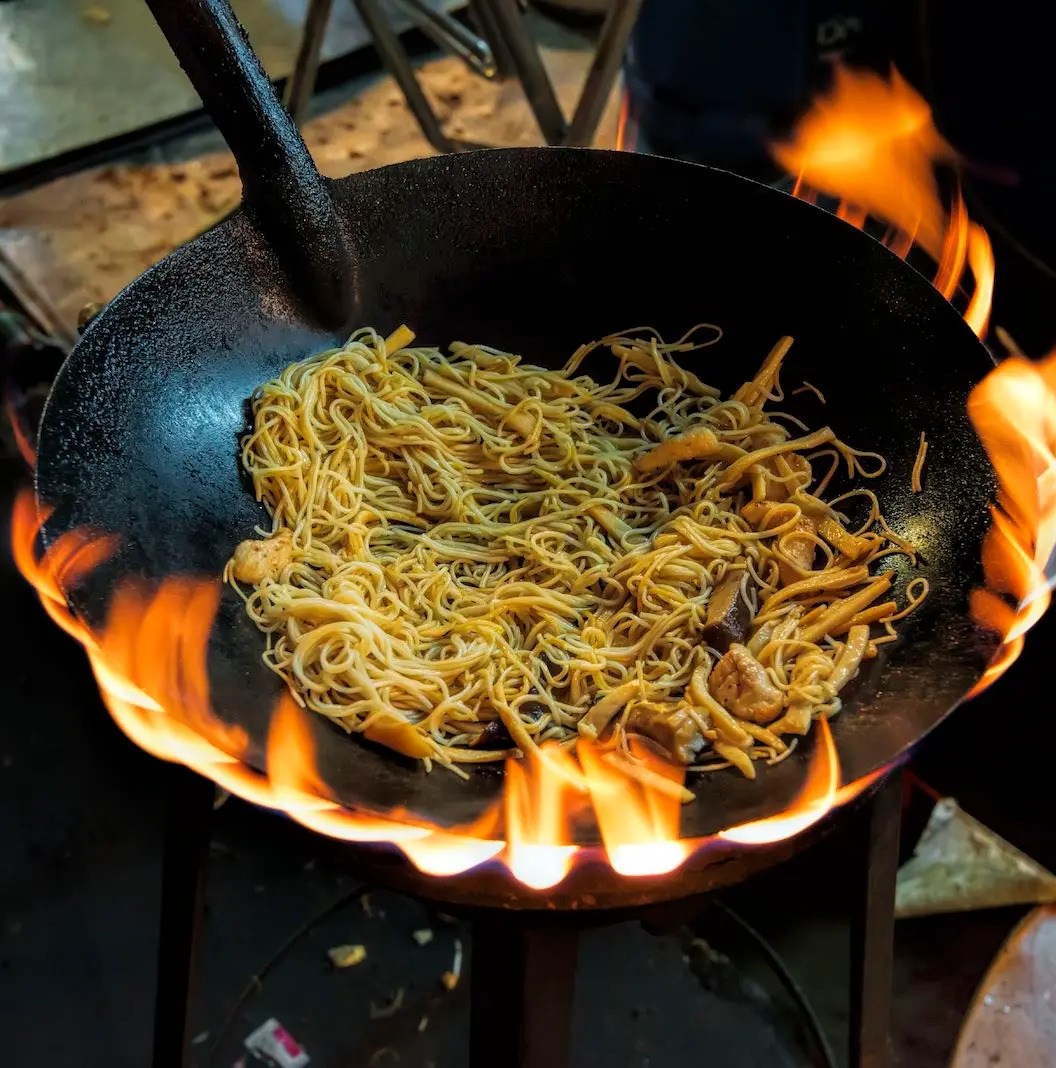
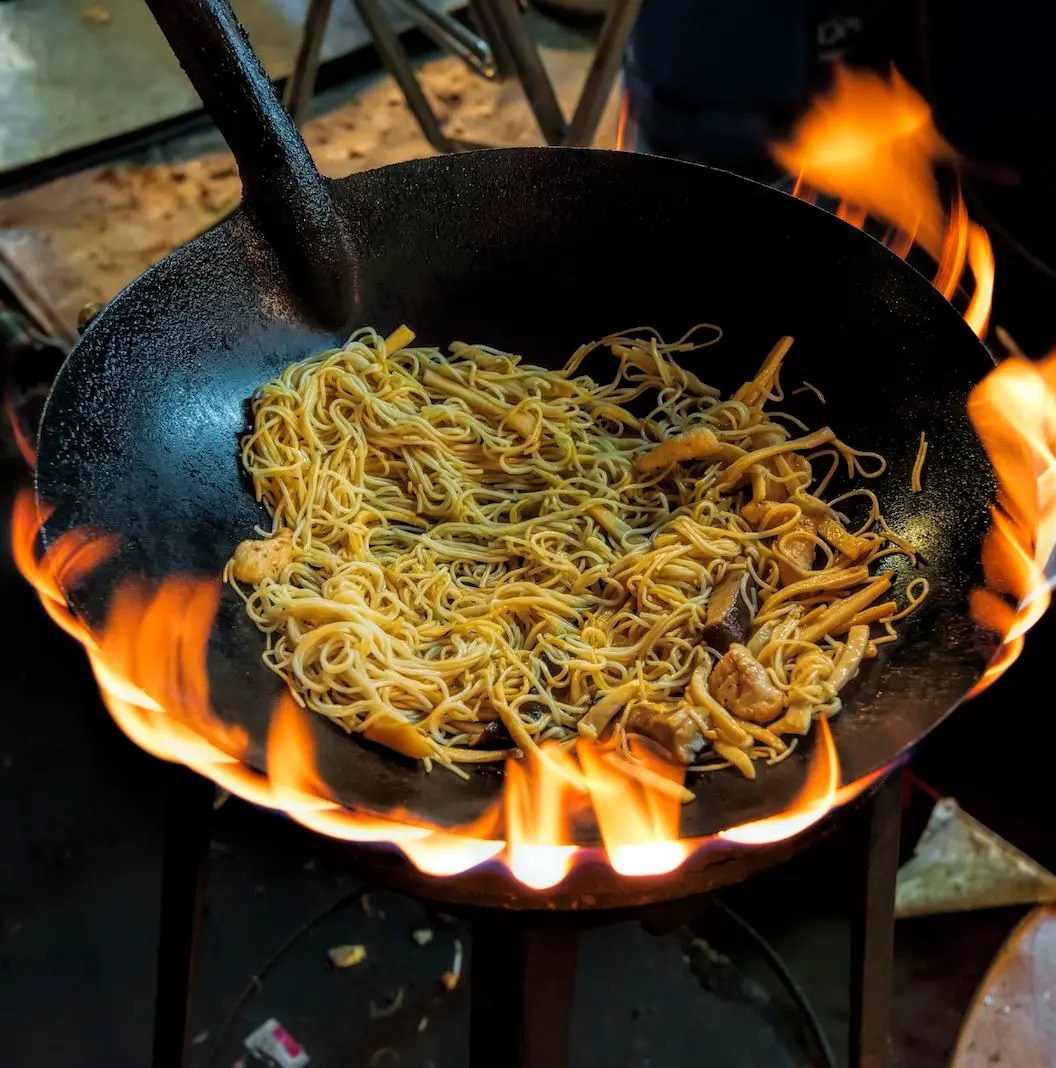
Once you've mastered the basics of seasoning, it’s time to explore the art of "wok hei" – that elusive smoky, charred flavor prized in authentic stir-fries. Achieving wok hei requires high heat, proper oil usage, and a dynamic cooking technique. The goal is to create a brief moment of combustion as food hits the hot wok surface.
Start by heating the wok until it’s almost smoking. Add a generous amount of oil – enough to coat the surface and allow the food to move freely. Add your ingredients in the correct order, starting with aromatics like garlic and ginger, followed by proteins, and finally vegetables. Continuously toss and stir-fry the ingredients, keeping them moving to prevent sticking and ensure even cooking.
Common problems include steaming instead of stir-frying, which happens when the wok isn’t hot enough or there’s too much moisture. To avoid this, make sure your ingredients are dry before adding them to the wok, and don’t overcrowd it. Experiment with different stir-fry sauces and ingredients to create your own signature dishes. Mastering wok hei is about practice and developing a feel for the heat and timing.
Wok Standouts: Worth a Closer Look
While all the woks mentioned earlier are excellent choices, a few deserve extra attention. The Yosukata Carbon Steel Wok Pan is a standout for budget-conscious cooks. It provides a surprising level of performance for its price, making it a great entry point into carbon steel wok cooking.
For those prioritizing durability and long-term investment, the Mauviel M'65 Carbon Steel Wok is worth considering. Its exceptional heat retention and polished finish make it a joy to use, and it’s built to last a lifetime. It's a splurge, but one that many serious cooks will appreciate.
Finally, the Helen’s Asian Kitchen Carbon Steel Wok is a versatile option that works well on both gas and induction cooktops. Its flat bottom and generous cooking surface make it a practical choice for a wide range of kitchens and cooking styles.
No comments yet. Be the first to share your thoughts!