
Wok Cooking for Weight Loss: The Basics
Wok cooking is a great way to manage weight. The method's speed means food cooks quickly and retains more nutrients, a big advantage over slower methods like braising or long simmering where vitamins can break down.
The wok's shape and high heat are key. Sloped sides let you toss food constantly for even cooking and less oil. This movement also prevents sticking, a major benefit when reducing added fats.
The history of wok cooking stretches back over 2,000 years to ancient China. Originally heated by coal, woks were designed for efficiency and fuel conservation. Today, we have much more control over our heat sources, but the core principles remain the same: fast cooking, minimal fat, and maximum flavor.
Don’t let "wok cooking’ intimidate you. It’s accessible for beginners; you don"t need to be a chef to stir-fry a healthy meal. A good wok and burner are essential. A carbon steel wok heats up quickly and holds heat well, vital for proper cooking. A powerful burner is equally important – aim for at least 10,000 BTU.
Essential Wok Equipment
Choosing the right wok is the first step. The three main types are carbon steel, stainless steel, and non-stick. Stainless steel is durable and easy to clean but doesn’t retain heat as well as carbon steel. Non-stick is convenient but often can’t handle the high heat needed for proper wok cooking, and the coating may degrade.
Carbon steel is my top recommendation for weight loss cooking. Its heat retention and responsiveness let you quickly sear ingredients without excessive oil. It requires seasoning – coating the wok with oil and heating it to create a natural, non-stick surface – but the effort pays off.
Burner options are equally important. Stovetop burners can work but often lack the power for authentic wok cooking. Portable propane burners, like the HOT WOK PRO – 12 kW Wok Burner (€179.00 at hotwok.com), are an excellent alternative, providing intense heat ideal for outdoor cooking.
When choosing a burner, consider BTU output; higher BTU means more heat. Around 10,000-14,000 BTU is a good range, but higher is preferable if you're serious about wok cooking. Beyond the wok and burner, a few tools make life easier: a wok spatula (preferably with a wooden handle to stay cool), a ladle, and a heat-resistant silicone mat.
Wok Material Comparison
| Material | Heat Conductivity | Seasoning Required | Durability | Suitability for High-Heat Cooking |
|---|---|---|---|---|
| Carbon Steel | Excellent | Yes, essential for preventing rust and creating a natural non-stick surface. | Very Durable, can last a lifetime with proper care. | Excellent - ideal for achieving 'wok hei' (breath of the wok). |
| Stainless Steel | Good, but lower than carbon steel. | Generally not required, though some prefer to lightly season. | Highly Durable, resistant to rust and corrosion. | Good - can handle high heat, but may not develop 'wok hei' as readily as carbon steel. |
| Non-Stick | Moderate | Not required, coating provides initial non-stick properties. | Moderate - coating will degrade over time, even with careful use. | Limited - high heat can damage the non-stick coating. Not ideal for traditional wok cooking techniques. |
| Cast Iron | Good, retains heat well | Yes, essential for preventing rust and creating a natural non-stick surface. | Extremely Durable, can last generations. | Good - can handle high heat, but heats up more slowly than carbon steel. |
| Aluminum | Very Good | May benefit from seasoning, but not essential. | Moderate - softer metal, prone to warping. | Good - heats quickly, but can be less durable than other options. |
Illustrative comparison based on the article research brief. Verify current pricing, limits, and product details in the official docs before relying on it.
Mastering Wok Hei
"Wok hei’ translates from Cantonese as ‘wok breath’ and refers to the smoky, slightly charred flavor of authentic wok cooking. It"s a technique relying on high heat, proper oil usage, and constant tossing.
Achieving wok hei requires practice. Start with a very hot wok. Add about a tablespoon of oil and swirl to coat the surface. Then, add ingredients in order: aromatics like garlic and ginger, followed by proteins, and finally vegetables.
Keep the food moving. Toss and stir constantly for even cooking and to prevent sticking. This creates the Maillard reaction – the chemical reaction between amino acids and reducing sugars that gives browned food its flavor. A common mistake is overcrowding the wok, which lowers the temperature and steams food instead of searing it.
Experiment with different oils. Peanut oil and vegetable oil have high smoke points, making them ideal for wok cooking. A little char is good – it shows you’re on the right track!
- Heat the wok until it’s smoking slightly.
- Add a small amount of oil and swirl to coat.
- Add aromatics, then proteins, then vegetables.
- Toss and stir constantly.
15 Weight Loss Recipes
Here are 15 wok cooking recipes to support your weight loss goals. Each recipe uses lean proteins, abundant vegetables, and flavorful, healthy sauces. Nutritional information is estimated and can vary.
1. Ginger Garlic Chicken Stir-Fry: (Calories: 350, Protein: 30g, Carbs: 20g, Fat: 15g) Chicken breast, broccoli, carrots, snap peas, ginger, garlic, low-sodium soy sauce, rice vinegar. Quick cooking preserves the chicken’s tenderness and the vegetables’ crunch. Supports weight loss by providing lean protein and fiber.
2. Shrimp and Asparagus Stir-Fry: (Calories: 280, Protein: 25g, Carbs: 15g, Fat: 10g) Shrimp, asparagus, bell peppers, garlic, ginger, low-sodium soy sauce, a touch of sesame oil. Shrimp is a low-calorie protein source, and asparagus is packed with nutrients.
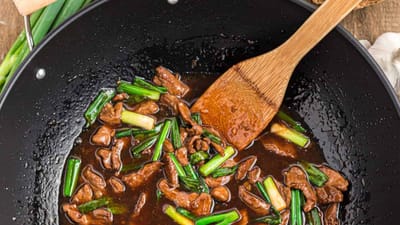
3. Beef and Broccoli: (Calories: 400, Protein: 35g, Carbs: 25g, Fat: 18g) Lean beef sirloin, broccoli florets, garlic, ginger, oyster sauce (use sparingly), low-sodium soy sauce. Beef provides iron and protein, while broccoli is a fiber-rich vegetable.
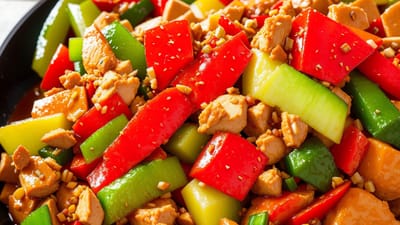
4. Tofu and Vegetable Medley: (Calories: 250, Protein: 20g, Carbs: 20g, Fat: 10g) Firm tofu, mixed vegetables (zucchini, mushrooms, bell peppers, onions), garlic, ginger, low-sodium soy sauce, a splash of rice wine vinegar. A vegetarian option packed with protein and fiber.
5. Spicy Thai Basil Chicken: (Calories: 380, Protein: 32g, Carbs: 22g, Fat: 16g) Chicken thigh (skinless), Thai basil, chili peppers, garlic, fish sauce (use sparingly), lime juice. The chili peppers can boost metabolism.
6. Vietnamese Lemongrass Pork: (Calories: 360, Protein: 30g, Carbs: 20g, Fat: 15g) Pork tenderloin, lemongrass, garlic, ginger, fish sauce (use sparingly), lime juice, vegetables of your choice. Lemongrass adds a unique flavor and aroma.
7. Kung Pao Shrimp: (Calories: 320, Protein: 28g, Carbs: 18g, Fat: 12g) Shrimp, peanuts, dried chili peppers, Sichuan peppercorns, garlic, ginger, low-sodium soy sauce, rice vinegar. A classic dish with a spicy kick.
8. Black Bean Chicken: (Calories: 370, Protein: 33g, Carbs: 23g, Fat: 14g) Chicken breast, black bean sauce (use sparingly), garlic, ginger, bell peppers, onions. Black bean sauce provides a savory umami flavor.
9. Mapo Tofu: (Calories: 270, Protein: 22g, Carbs: 18g, Fat: 8g) Soft tofu, fermented black beans, chili bean paste (use sparingly), ground pork (optional), garlic, ginger. A spicy and flavorful Sichuan dish.
10. Green Curry Chicken: (Calories: 390, Protein: 31g, Carbs: 24g, Fat: 17g) Chicken breast, green curry paste (use sparingly), coconut milk (light), bamboo shoots, bell peppers, Thai basil. Coconut milk adds richness, but use the light version to reduce fat content.
11. Pad See Ew (Chicken or Tofu): (Calories: 420, Protein: 28g, Carbs: 30g, Fat: 16g) Wide rice noodles, chicken or tofu, Chinese broccoli, egg, dark soy sauce. A popular Thai street food.
12. Singapore Noodles: (Calories: 350, Protein: 25g, Carbs: 28g, Fat: 13g) Thin rice vermicelli, shrimp, pork, vegetables, curry powder, soy sauce. A flavorful and colorful noodle dish.
13. Vietnamese Pho (Chicken): (Calories: 300, Protein: 26g, Carbs: 20g, Fat: 8g) Chicken broth, rice noodles, chicken breast, bean sprouts, herbs (cilantro, basil), lime juice. A light and aromatic soup.
14. Spicy Dan Dan Noodles: (Calories: 380, Protein: 24g, Carbs: 32g, Fat: 15g) Wheat noodles, ground pork, chili oil, Sichuan peppercorns, preserved vegetables, sesame paste. A spicy and savory noodle dish.
15. Vegetable Lo Mein: (Calories: 330, Protein: 18g, Carbs: 35g, Fat: 12g) Egg noodles, mixed vegetables (broccoli, carrots, cabbage, mushrooms), soy sauce, sesame oil. A classic stir-fried noodle dish.
Recipe Standouts: Quick & Easy
For those busy weeknights, some recipes stand out for their speed and simplicity. The Ginger Garlic Chicken Stir-Fry takes less than 20 minutes from start to finish, requiring minimal chopping and using readily available ingredients.
The Shrimp and Asparagus Stir-Fry is another winner. Shrimp cooks incredibly quickly, and asparagus needs just a few minutes in the hot wok. It’s a complete meal that’s on the table in under 15 minutes.
Finally, the Tofu and Vegetable Medley is a fantastic option. Pre-cut vegetables can save even more time, and the recipe is easily customizable to use whatever vegetables you have on hand. Prep your sauce ahead of time, and you’ll have a healthy and satisfying meal in under 20 minutes.
Sauce Strategies for Slimming
Sauces are where calories and sodium can quickly add up in wok cooking. However, you can create incredibly flavorful sauces without compromising your weight loss goals. The key is to make your own, controlling the ingredients and reducing the sodium and sugar content.
Soy sauce is a staple, but choose low-sodium varieties. Even better, consider using coconut aminos as a soy sauce alternative. It has a similar savory flavor but contains less sodium and is gluten-free. Rice vinegar adds a tangy flavor and is a healthier alternative to sugar-laden sauces.
Ginger and garlic are your best friends. They add incredible flavor without any calories. Chili paste provides a spicy kick and can even boost your metabolism. A little goes a long way! Experiment with herbs like cilantro and basil for fresh, vibrant flavors.
When buying pre-made sauces, read the labels carefully. Avoid sauces with added sugar, corn syrup, or excessive sodium. Look for options that are labeled "low-sodium’ or ‘reduced-sugar." Brands like San-J offer reasonably healthy soy sauce alternatives.
Wok Cooking & Portion Control
Wok cooking naturally lends itself to portion control. The shape of the wok encourages cooking smaller batches, making it easier to manage your serving sizes. Unlike large pots or pans, you’re less likely to overfill a wok.
Using a smaller wok can be particularly helpful. A 12-inch wok is a good size for cooking for one or two people, while a 14-inch wok is better for families. Visually estimating portion sizes is also important. Fill half your plate with vegetables, a quarter with protein, and a quarter with carbohydrates like brown rice or quinoa.
Pairing your wok dishes with healthy sides is crucial. Brown rice, quinoa, or steamed vegetables are excellent choices. Avoid fried rice or sugary sauces, which can negate the health benefits of wok cooking. Mindful eating is also key – pay attention to your hunger cues and stop eating when you’re satisfied, not stuffed.
Beyond the Recipes: Wok Cooking Habits
To make wok cooking a sustainable part of your weight loss journey, consider meal prepping and batch cooking. Chop vegetables and marinate proteins in advance to save time during the week. You can even cook a large batch of rice or quinoa and store it in the refrigerator.
Incorporate wok meals into your weekly meal plan. Schedule specific nights for wok cooking and plan your recipes accordingly. This will help you stay organized and avoid resorting to unhealthy takeout options. The Woks of Life (thewoksoflife.com) is a fantastic resource for inspiration and recipes.
Don't be afraid to experiment with different flavors and ingredients. Wok cooking is a versatile method that allows you to create a wide variety of dishes. Most importantly, enjoy the process! Cooking should be fun and rewarding.
Resources like YouTube channels dedicated to wok cooking can be extremely helpful. While some channels may be inaccessible (as I encountered with the 403 error from youtube.com/TheWok), many others offer valuable tips and techniques.
No comments yet. Be the first to share your thoughts!