

Wok Cooking's Vegan Surge
There’s a quiet revolution happening in kitchens, and it’s swirling around the bottom of a wok. Plant-based Asian cuisine is experiencing significant growth, and the wok – with its history and versatility – is perfectly positioned at the center of it. For decades, Asian cuisine has been beloved for its fresh flavors and healthy ingredients, and now, those qualities are aligning with a broader shift towards plant-forward eating.
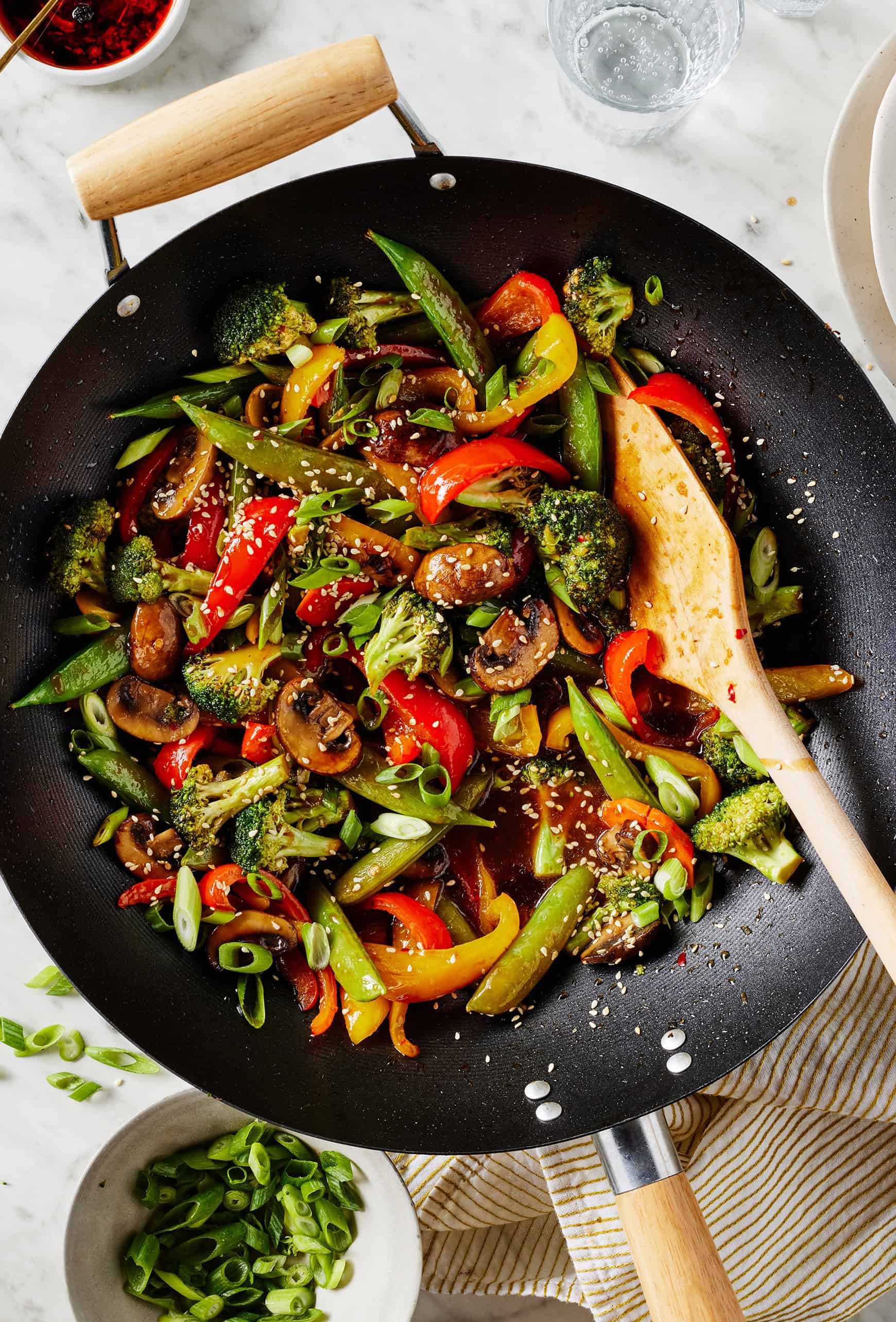
Wok cooking, at its core, is about speed and efficiency. This is ideal for vegan dishes, which sometimes require a bit more attention to ensure proper texture and flavor development. The wok's shape and the high heat allow for quick stir-fries, preventing vegetables from becoming soggy and maximizing flavor. It’s a method that lends itself beautifully to building complex tastes with simple ingredients.
This isn’t a flash in the pan, either. Resources like Taste of Home (tasteofhome.com) are dedicating more space to wok recipes, reflecting a growing demand for accessible, restaurant-quality meals made at home. And the University of California, San Diego library’s digitized collection of Chinese recipes (library.ucsd.edu) demonstrates a long-standing tradition of balanced, wholesome cooking that naturally incorporates many plant-based elements. While veganism isn't a new concept, the synergy with wok cooking is definitely gaining momentum, especially as people seek to recreate popular dishes they enjoy in restaurants.
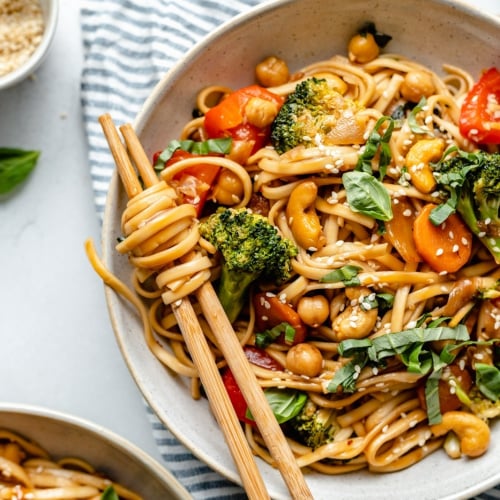
10 Trending Vegan Wok Dishes (2026)
Predicting food trends is always a bit of a gamble, but based on current trajectories and emerging flavor profiles, here are 10 vegan wok dishes I anticipate will be incredibly popular in 2026. These aren't just recipes; they represent a confluence of factors – ingredient accessibility, social media influence, and a growing desire for authentic, flavorful plant-based meals.
1. Mapo Tofu (Sichuan, China): This classic is already popular, but expect to see even more variations using different types of tofu and innovative chili oil blends. Its trending now because of the increased availability of high-quality Sichuan peppercorns and doubanjiang (fermented chili bean paste).
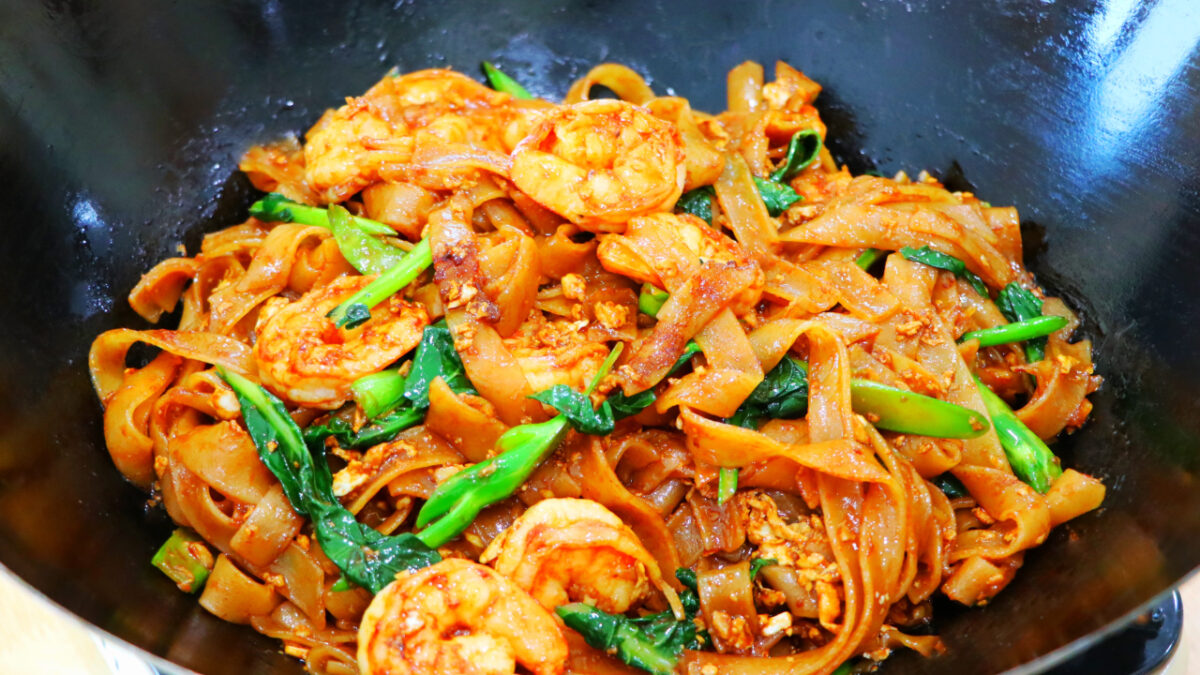
2. Vegan Pad See Ew (Thailand): A comforting noodle dish with broad rice noodles, Chinese broccoli, and a sweet-savory sauce. It's gaining traction due to the popularity of Thai cuisine and the ease with which the egg component can be replaced with a flavorful sauce. Expect to see chefs experimenting with different vegetable proteins.
3. Vietnamese Lemongrass Tofu Stir-fry (Vietnam): Bright, herbaceous, and packed with umami. The increasing interest in Vietnamese flavors – driven by social media and food bloggers – is fueling this trend. Fresh lemongrass is becoming more readily available in supermarkets.
4. Korean Japchae (Korea): Glass noodles stir-fried with colorful vegetables and a savory sesame oil sauce. The growing popularity of Korean dramas and K-pop is introducing more people to Korean cuisine. Japchae is visually appealing and adaptable to various vegan ingredients.
5. Kung Pao 'Chicken' with Seitan (China): A spicy and savory stir-fry traditionally made with chicken, but seitan provides a remarkably similar texture. Seitan is becoming more mainstream as a meat substitute, and the bold flavors of Kung Pao are always a crowd-pleaser.
6. Dan Dan Noodles (Sichuan, China): Spicy, savory noodles in a sesame and chili oil sauce. Similar to Mapo Tofu, the rising popularity of Sichuan cuisine is driving demand for this dish. Expect to see innovative toppings and variations on the sauce.
7. Vegan Char Kway Teow (Malaysia/Singapore): Flat rice noodles stir-fried with soy sauce, chili paste, and a variety of vegetables. This dish is trending due to increased travel to Southeast Asia and the growing appreciation for its complex flavors.
8. Jackfruit Rendang (Indonesia): A rich and flavorful curry traditionally made with beef, but jackfruit provides a surprisingly similar texture. Jackfruit is gaining recognition as a versatile vegan meat substitute, and Rendang is a beloved Indonesian dish.
9. Japanese Vegetable Yakisoba (Japan): Stir-fried wheat noodles with vegetables in a sweet and savory yakisoba sauce. Japanese cuisine is consistently popular, and Yakisoba is a relatively easy and accessible dish to make at home.
10. Green Curry with Tofu and Bamboo Shoots (Thailand): A fragrant and creamy curry made with green curry paste, coconut milk, and a variety of vegetables. Green curry is a staple of Thai cuisine and is easily adaptable to a vegan diet. The use of bamboo shoots adds a unique texture and flavor.
Ingredient Spotlight: Vegan Protein Sources
Tofu is the obvious starting point, but limiting yourself to just tofu means missing out on a world of texture and flavor. Different types of tofu – firm, extra-firm, silken – behave differently in the wok. Extra-firm tofu is best for stir-fries as it holds its shape well, while silken tofu is better suited for sauces. Pressing tofu before cooking is essential to remove excess water and achieve a crispy exterior.
Tempeh, made from fermented soybeans, offers a nuttier flavor and a firmer texture than tofu. It absorbs marinades beautifully, but it can sometimes fall apart if overcooked. Pre-steaming tempeh for about 10 minutes can help soften it and improve its texture. Seitan, made from wheat gluten, has a remarkably meat-like texture and is excellent for dishes like Kung Pao "Chicken".
Edamame, or young soybeans, adds a lovely pop of color and a slightly sweet flavor. It’s best added towards the end of cooking to prevent it from becoming mushy. Jackfruit, especially young green jackfruit, is a surprisingly versatile meat substitute. Its neutral flavor and fibrous texture make it ideal for dishes like Rendang. It requires a bit more cooking time to tenderize, but the results are worth it.
Sauce is Boss: Vegan Flavor Bases
The sauce is arguably the most important part of any wok dish. A well-balanced sauce can transform even the simplest vegetables into a culinary masterpiece. Soy sauce is the foundation of many Asian sauces. Light soy sauce is used for seasoning, while dark soy sauce adds color and a slightly sweeter flavor. Tamari is a gluten-free alternative.
Hoisin sauce, traditionally made with fermented soybeans, can be tricky to find vegan versions of, but they exist and are becoming more common. Chili bean sauce (doubanjiang) adds a spicy, umami-rich flavor. Black vinegar, particularly Chinkiang vinegar, provides a complex acidity. Sesame oil is used as a finishing oil to add aroma and flavor. My go-to combination for a quick stir-fry sauce is soy sauce, rice vinegar, a touch of maple syrup, and sesame oil.
Creating a vegan oyster sauce substitute is surprisingly easy. Combine mushroom broth, soy sauce, a little maple syrup, and a pinch of cornstarch. Simmer until thickened. It won't be exactly the same as traditional oyster sauce, but it provides a similar savory umami flavor. Don’t be afraid to experiment – taste and adjust the sauce to your liking.
Vegan Sauce Substitutes for Traditional Asian Flavors
| Original Sauce | Vegan Substitute | Flavor Profile | Best Use Cases |
|---|---|---|---|
| Oyster Sauce | Mushroom-Based Oyster Sauce | Umami, slightly sweet, savory | Stir-fries, noodle dishes, marinades |
| Fish Sauce | Seaweed & Soy Sauce Blend | Salty, umami, pungent | Vietnamese dishes like pho (use sparingly), dipping sauces |
| Shrimp Paste | Fermented Soybean Paste (e.g., Doenjang) | Intense umami, salty, fermented | Southeast Asian curries, sauces (start with small amounts) |
| Fish Sauce | Tamari with a touch of Lemon Juice | Salty, umami, slightly acidic | General seasoning, marinades, soups |
| Oyster Sauce | Dark Soy Sauce & Maple Syrup (2:1 ratio) | Rich, slightly sweet, savory | Stir-fries where a thicker sauce is desired |
| Shrimp Paste | Shiitake Mushroom Powder & Miso Paste | Umami, earthy, savory | Flavor base for curries and sauces – provides depth |
Illustrative comparison based on the article research brief. Verify current pricing, limits, and product details in the official docs before relying on it.
Wok Essentials: Beyond the Pan
While the wok itself is the star of the show, a few essential tools will make your wok cooking experience much more enjoyable. A carbon steel wok is the traditional choice, known for its responsiveness and ability to develop a natural non-stick patina. Cast iron woks are heavier and retain heat well, but they can be more difficult to season. Stainless steel woks are durable and easy to clean, but they don’t develop the same patina as carbon steel.
A wok spatula, with its thin, curved edge, is designed to fit the contours of the wok. A ladle is useful for adding sauces and oils. A wok ring or stabilizer can help keep the wok secure on your stovetop. Most importantly, you’ll need a powerful range or burner to generate the high heat required for authentic wok cooking. Electric stoves can be challenging, but a high-BTU burner is ideal.
Technique: High Heat & Constant Motion
Wok cooking is all about high heat and constant motion. The goal is to quickly cook ingredients while preserving their texture and flavor. Preheat the wok over high heat until it’s almost smoking. Add oil, and then quickly add your ingredients in order of cooking time – starting with aromatics like garlic and ginger, then vegetables, and finally protein.
The term "wok hei’ refers to the smoky, slightly charred flavor that’s characteristic of authentic wok cooking. Achieving wok hei on a home stove can be tricky, but it"s possible by using high heat, preheating the wok properly, and avoiding overcrowding. Constant stirring is crucial to prevent burning and ensure even cooking. A common mistake is adding too much liquid at once, which lowers the temperature and results in steamed, rather than stir-fried, ingredients.
Don't be afraid to experiment with different oils. Peanut oil is traditionally used, but other high-smoke-point oils like canola or avocado oil can also work well. Remember to keep the ingredients moving constantly – tossing, stirring, and flipping – to ensure they cook evenly and develop that coveted wok hei.
Standout Recipes: Worth a Closer Look
From the initial list, a few recipes deserve a little extra attention. The Vegan Pad See Ew is a great starting point for beginners – the sauce is relatively simple to make, and the technique is straightforward. For a more adventurous dish, try the Jackfruit Rendang. It requires a bit more time and effort, but the complex flavors are incredibly rewarding.
The Mapo Tofu is a fantastic example of how to build layers of flavor. Don’t skimp on the Sichuan peppercorns – they’re essential for that numbing sensation. For a variation, try adding some fermented black beans. Finally, the Vietnamese Lemongrass Tofu Stir-fry is a light and refreshing option that’s perfect for a quick weeknight meal. Experiment with different vegetables and herbs to create your own unique version.
To elevate your Pad See Ew, consider using Chinese broccoli (gai lan) for a more authentic flavor. If you can’t find it, regular broccoli will work in a pinch. For the Jackfruit Rendang, marinating the jackfruit overnight in a blend of spices will help it absorb more flavor. The key to a successful Rendang is patience – allow the sauce to simmer for several hours to develop its richness and depth.
No comments yet. Be the first to share your thoughts!