

The reality of wok hei
A wok beats an air fryer for real Asian cooking because of wok hei. That smoky, charred flavor comes from ingredients hitting a screaming-hot surface and searing instantly. An air fryer just can't move enough heat fast enough to make that happen.
Air fryers excel at crisping food, and they do it efficiently. They’re fantastic for things like reheating leftovers or making quick snacks. However, their reliance on circulating hot air, while effective for creating texture, simply doesn’t deliver the same high-heat impact as a wok. The fundamental physics are working against it.
This isn’t just about convenience; it’s about flavor. Many Asian cooking techniques rely on that rapid searing to develop depth and complexity. While an air fryer can mimic some aspects of fried food, it struggles with the nuanced flavors that a properly used wok can achieve. People often underestimate just how crucial this intense heat is.
Why carbon steel wins on heat
The rounded bottom of a carbon steel wok isn't just for show; it focuses the burner's heat into a tiny kill zone. Carbon steel is the standard because it gets hot fast and stays that way, even when you dump in a pile of cold vegetables.
Carbon steel also allows for a unique heating pattern. The metal heats unevenly, creating "hot spots’ that are essential for achieving that coveted wok hei. These hot spots sear the food, while the cooler areas allow for simmering and gentle cooking. It’s a dynamic process that"s hard to control with other methods.
An air fryer, on the other hand, uses convection heating. A fan circulates hot air around the food, cooking it evenly. While this is great for consistent results, it lacks the direct, intense heat needed for proper stir-frying. The Maillard reaction – the chemical reaction responsible for browning and flavor development – occurs much more slowly and less intensely in an air fryer.
This difference impacts caramelization as well. In a wok, sugars caramelize almost instantly, creating a complex, slightly burnt flavor. In an air fryer, the process is more gradual, resulting in a different, less nuanced flavor profile. You’re trading speed and intensity for even cooking.
Dishes that work (and ones that don't)
Let’s get specific. Some Asian recipes are simply better suited to a wok, while others can be reasonably adapted for an air fryer. Mapo Tofu, with its need for a hot, oiled wok to bloom the doubanjiang and build layers of flavor, is almost impossible to replicate effectively in an air fryer. The wok’s ability to quickly toss and coat the tofu is also critical.
Spring rolls, however, are a good candidate for the air fryer. They benefit from the circulating heat, which creates a crispy exterior without excessive oil. You won’t get the exact same flavor as deep-fried spring rolls, but the air fryer provides a healthier and more convenient alternative.
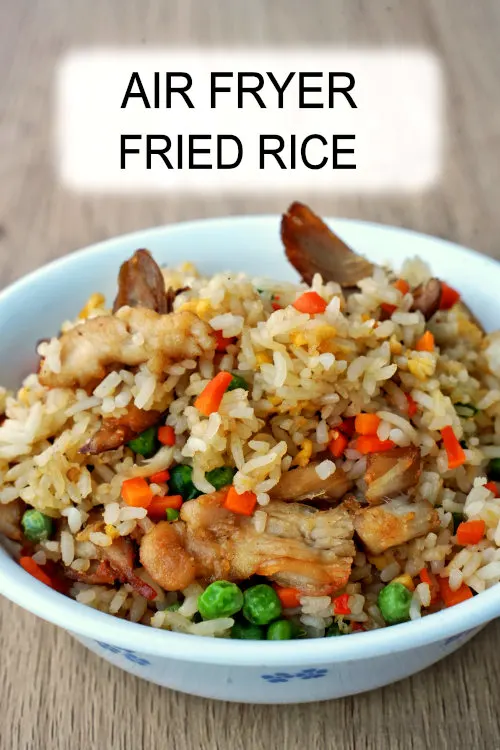
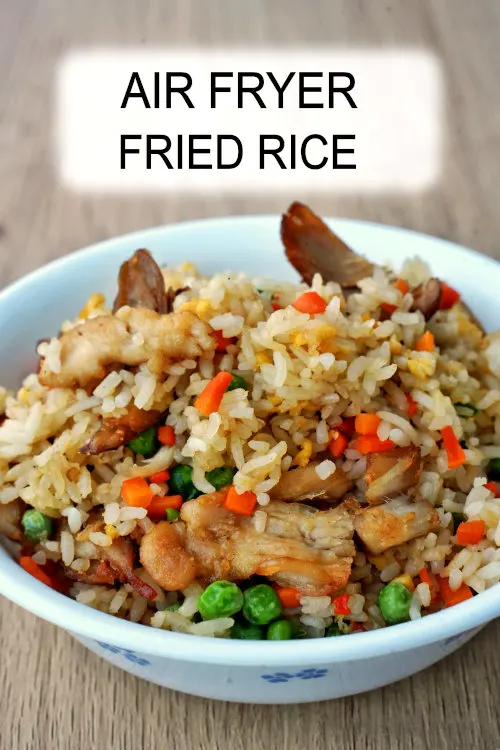
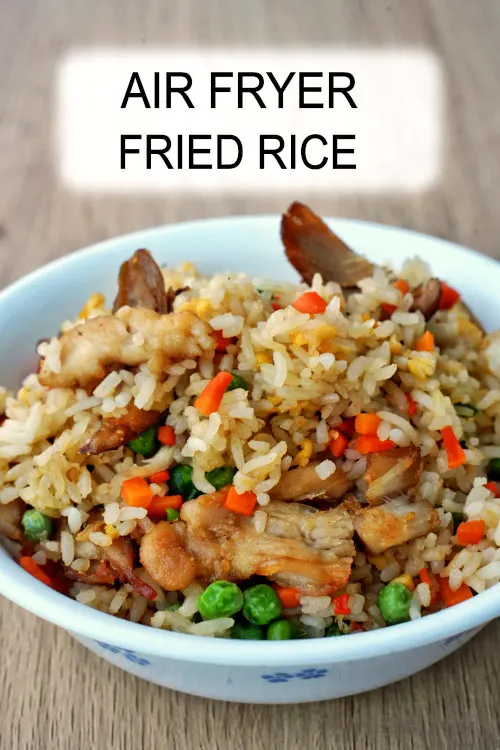
Fried rice is a tricky one. Both methods present challenges. In a wok, maintaining high heat and tossing quickly is key to preventing sticking and achieving separate grains. In an air fryer, the rice tends to dry out and clump together. It can be done, but it requires careful monitoring and frequent stirring, and the results are often underwhelming.
Kung Pao Chicken is another dish that shines in a wok. The quick stir-frying process ensures the chicken stays tender and the sauce clings to every piece. Attempting this in an air fryer often results in dry chicken and a sauce that doesn’t properly emulsify. I’ve seen too many air fryer attempts that just fall flat.
Wok Materials & Air Fryer Variety
Woks aren't one-size-fits-all. Carbon steel is the preferred choice for serious cooks due to its heat retention and responsiveness. Stainless steel woks are more durable and easier to maintain, but they don’t heat up as quickly or evenly. Non-stick woks are convenient, but they lack the searing power of carbon steel and aren’t ideal for high-heat cooking.
The air fryer market is incredibly diverse. You have basic basket-style models, which are affordable and compact. Then there are larger, oven-style air fryers that offer more capacity and versatility. Some even come with smart features like pre-programmed settings and Wi-Fi connectivity.
You can grab a basic basket model for $80, but the high-end ovens that actually have enough power to mimic a fry-up hit $300. If you're serious about the texture, the cheap ones usually don't have the fan speed to keep things from getting soggy.
- Basket models are small and cheap, best for single servings of frozen snacks.
- Oven-style units have more room and can actually roast a whole duck or chicken.
- Smart versions include phone apps, though I find checking a screen to see if my food is done more annoying than helpful.
Featured Products

14-inch carbon steel construction · Flat bottom for stability on various cooktops · Ideal for stir-frying and other Asian cooking techniques
This Ken Hom wok provides a reliable and accessible entry into authentic stir-frying with its durable carbon steel build and stable flat bottom.

14-inch hand-hammered carbon steel · Traditional pow wok shape with a flat bottom · Includes both a wooden and a steel helper handle for control
The Craft Wok is a premium choice for serious home cooks, offering hand-hammered carbon steel for superior heat distribution and authentic wok cooking.

14-inch 3-ply stainless steel construction · Induction compatible · Oven and broiler safe up to 600°F
The All-Clad stainless steel wok offers exceptional durability and performance, ensuring even heating and versatility for a wide range of cooking tasks.

14-inch nonstick surface · Oven safe up to 350°F · Dishwasher safe for easy cleanup
This T-Fal wok is a practical and budget-friendly option, featuring a nonstick surface and dishwasher-safe design for convenient everyday cooking.

14-inch pre-seasoned carbon steel · Classic wok shape for effective stir-frying · Ready to use out of the box
The Joyce Chen Classic Series wok comes pre-seasoned for immediate use, providing a traditional carbon steel cooking experience with excellent heat retention.
As an Amazon Associate I earn from qualifying purchases. Prices may vary.
The maintenance tax
Owning a carbon steel wok is a commitment. It requires seasoning – a process of coating the wok with oil and heating it to create a natural, non-stick patina. This is crucial for preventing rusting and ensuring food doesn’t stick. The seasoning process itself can be time-consuming and require multiple rounds.
Ongoing maintenance is also essential. After each use, the wok needs to be cleaned gently, dried thoroughly, and lightly oiled to prevent rusting. It’s not a "wash and forget" type of cookware. It demands attention. Many people are initially put off by this, but a well-maintained wok will last a lifetime.
An air fryer, by comparison, is remarkably low maintenance. Most models have removable, dishwasher-safe parts. Cleaning typically involves simply wiping down the interior and washing the basket. It’s a much more hands-off experience. This convenience is a major selling point for many people.
Beyond Stir-Fry: Wok Versatility
The wok isn’t limited to stir-frying. Its shape and heat retention make it ideal for steaming, deep-frying, and even braising. You can easily steam vegetables or dumplings in a wok with a steamer basket. Deep-frying is also a breeze, as the sloped sides prevent food from sticking and allow for even cooking.
You can even make sauces directly in the wok, building layers of flavor by toasting spices and aromatics. The wok’s ability to concentrate heat allows for rapid reduction and thickening of sauces. It’s a truly versatile tool that can handle a wide range of cooking tasks.
Air fryers, while capable of a few different functions, are comparatively limited. They excel at crisping and reheating, but they aren’t well-suited for tasks like simmering, braising, or making complex sauces. Their functionality is largely confined to replicating deep-fried foods.

No comments yet. Be the first to share your thoughts!