

Wok Heat: Gas Still Reigns?
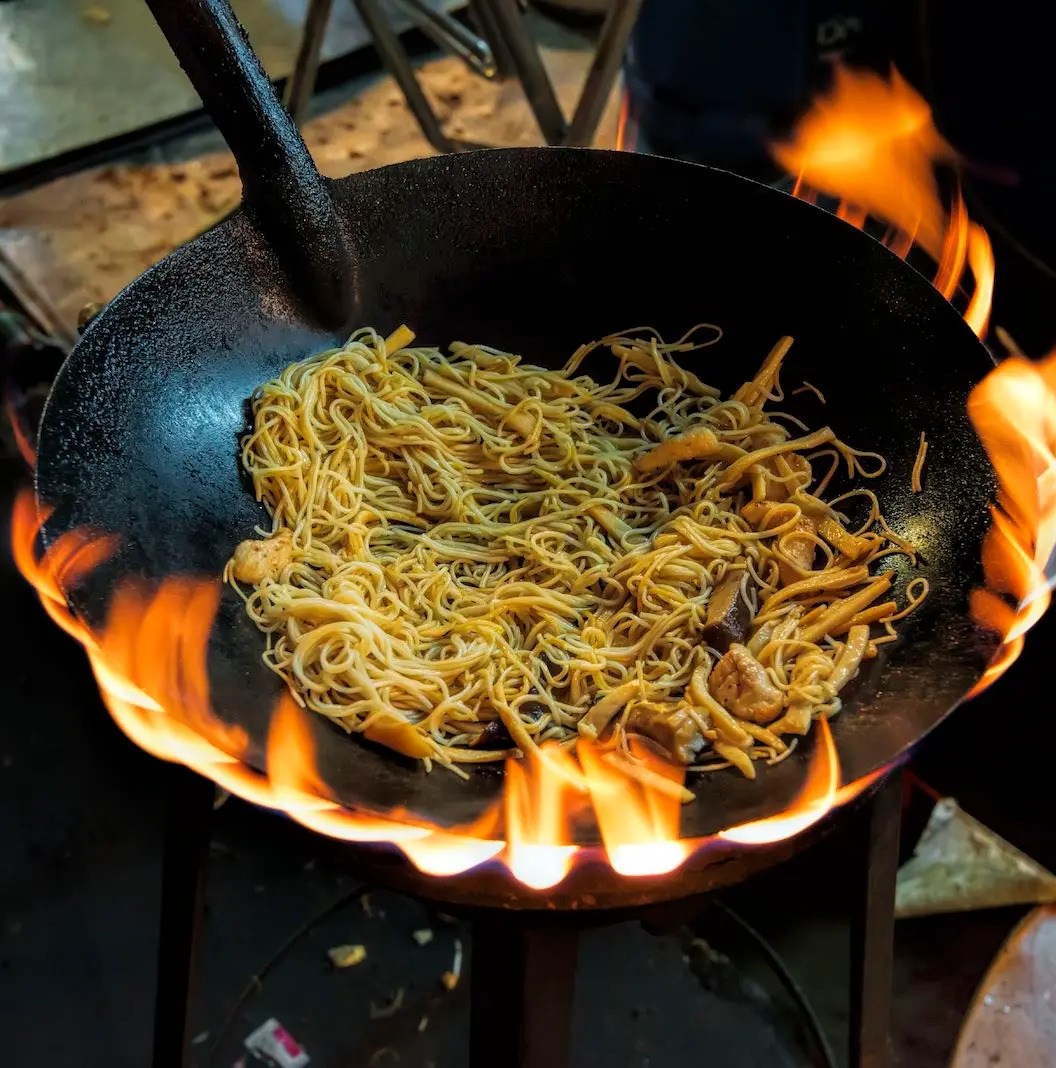
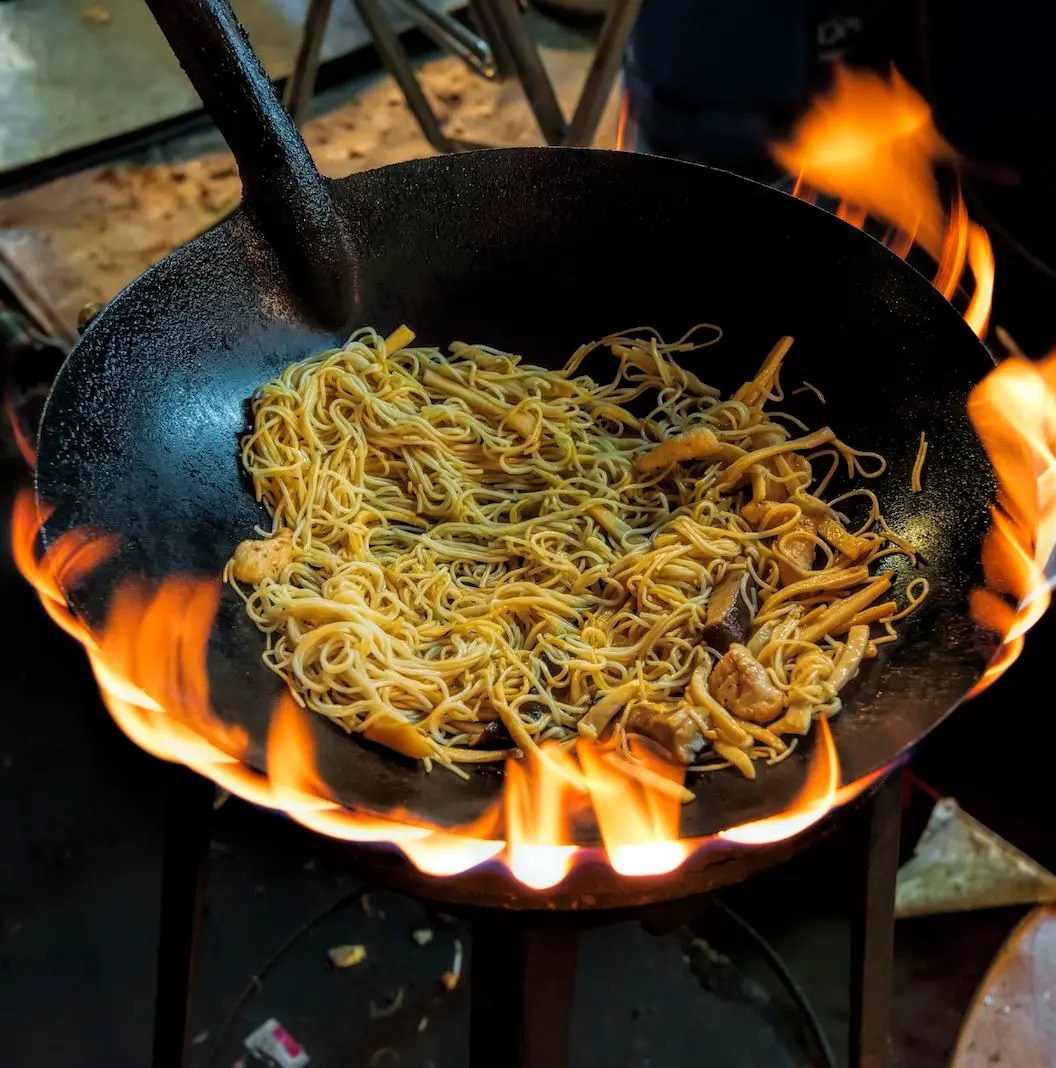
Gas has long been the standard for wok cooking. Its immediate, intense heat is crucial for achieving wok hei – that smoky char defining authentic stir-fries. Professional kitchens and serious home cooks have favored gas for its responsiveness and high BTU output, a performance many felt other methods couldn't match.
BTU (British Thermal Units) measures heat. Gas woks typically reach 20,000 to 30,000 BTU, enabling quick searing and the Maillard reaction. This rapid heating is key for the complex flavors and textures of wok cooking. However, electric woks are improving.
Electric woks were once seen as underpowered. Newer models, however, are changing that. While they might not match the power of high-end gas burners, heating technology advancements make them a viable option, especially for home cooks prioritizing convenience or lacking gas lines. The choice depends on your needs and cooking style.
Electric Wok Tech: What’s Changed
Older electric woks used simple coil heating elements that struggled to reach high temperatures. Today, infrared and induction heating elements are common. Coil elements remain affordable but are less efficient and responsive. Infrared elements use radiant heat and offer a significant improvement, nearing the direct heat of gas.
Induction woks are a major advancement. They heat the wok directly via electromagnetic induction, leading to fast heating, precise temperature control, and energy efficiency. Wattage indicates performance; higher wattage means faster heating. A good induction wok often has 1800 watts or more.
As technology improves, concerns about electric woks not reaching sufficient heat are fading. Many new models offer temperature control settings for different dishes. Some include smart features like pre-programmed settings or automatic temperature adjustments. The Breville Smart Wok Pro, for instance, has settings for stir-fry, deep-fry, steam, and slow cook.
Electric woks have evolved beyond just power, focusing on control and convenience. Digital displays and precise temperature settings replace visual heat cues. This offers consistent results and makes electric woks suitable for delicate dishes.
- Coil: Most affordable, slowest heating, least responsive.
- Infrared: Faster and more efficient than coil, closer to gas heat.
- Induction: Fastest heating, most precise control, most energy-efficient.
Gas Wok Considerations: Fuel & Ventilation
Gas woks offer superior heat but have practical considerations. Fuel costs are significant; propane tanks require regular refills, and natural gas needs a dedicated line, not available everywhere. Safety is also crucial, as gas appliances produce deadly carbon monoxide.
Proper ventilation is essential for gas woks. A powerful range hood venting outside is required to remove combustion byproducts and prevent carbon monoxide buildup. Inadequate ventilation harms indoor air quality and poses a poisoning risk.
Gas woks can be challenging in apartments or small kitchens due to potential lack of gas lines or propane tank restrictions. Heat and fumes can also disturb neighbors. Always check building regulations before purchasing a gas wok.
Electric Wok Advantages: Convenience & Control
Electric woks offer excellent convenience. They are plug-and-play, eliminating the need for fuel refills or gas line connections. This makes them ideal for smaller kitchens, apartments, or anyone seeking a hassle-free cooking experience.
Precise temperature control is another advantage. Unlike gas stoves where flame is adjusted visually, electric woks often have digital settings. This allows for exact heat control for delicate dishes like steamed fish or vegetables, ensuring consistent results.
Cleaning electric woks is generally easier. Many have removable non-stick surfaces that are dishwasher safe. They also pose a reduced risk of accidental fires compared to gas woks, offering peace of mind, especially for beginners.
Electric woks are often lighter and more compact, making them portable and easy to store. This is beneficial for limited kitchen space or outdoor cooking. The Cuisinart CWO-90 6 Quart Electric Wok is an example of a portable, powerful option.
Here are a few more benefits:
- Plug-and-play operation
- Precise temperature control
- Easy cleaning
- Reduced risk of fires
- Portability
Featured Products

1500-watt heating element for quick and even heating · Durable stainless-steel construction · Generous 15-inch cooking surface
This electric wok offers robust heating power and a durable build, making it a reliable choice for various stir-frying tasks.
1500-watt heating element for quick and even heating · Durable stainless-steel construction · Generous 15-inch cooking surface
This electric wok offers robust heating power and a durable build, making it a reliable choice for various stir-frying tasks.
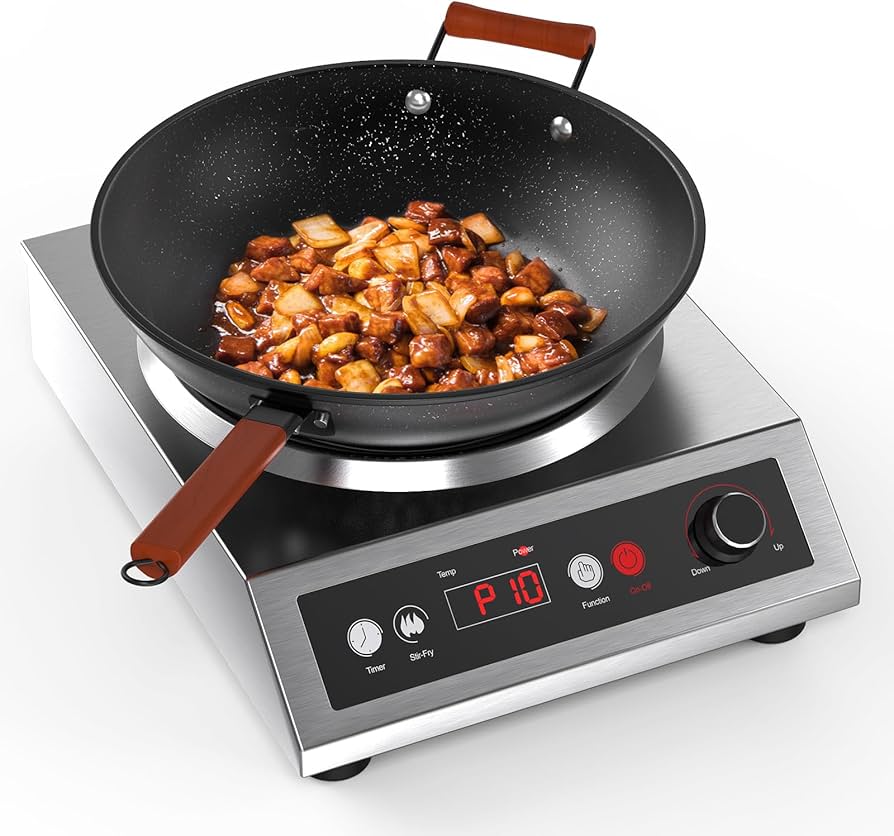
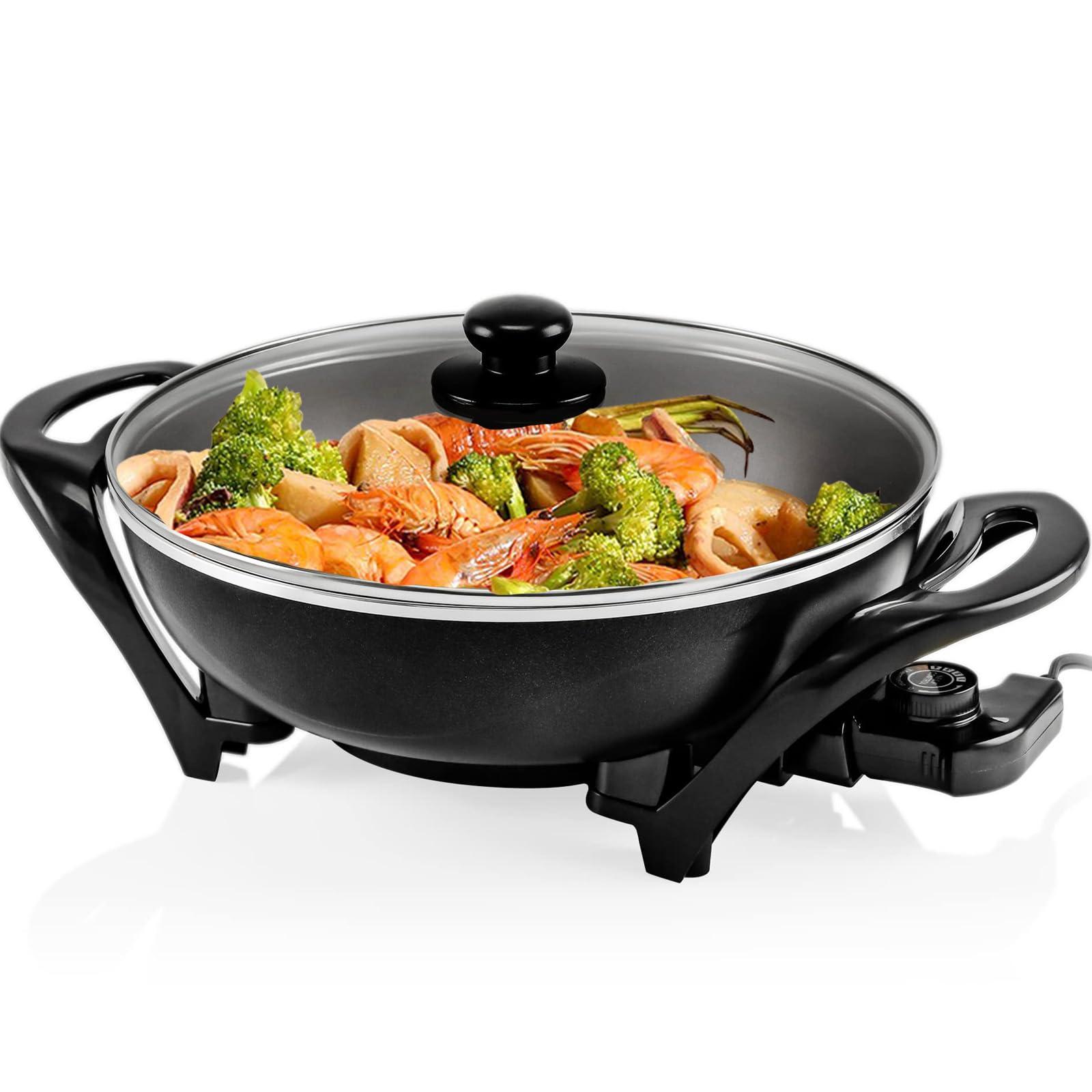
1500-watt heating element · Nonstick interior for easy cooking and cleaning · Includes a tempered glass lid with a steam vent
This electric wok provides a good balance of power and convenience with its nonstick surface and included lid, suitable for everyday use.

1400-watt power for efficient cooking · Nonstick coating for easy food release and cleanup · Adjustable temperature control for versatile cooking
An affordable and user-friendly option, this electric wok is ideal for families with its nonstick surface and adjustable temperature settings.
Vertical design for authentic stir-frying · Integrated heating element for consistent temperature · Includes a stir-fry paddle and steaming rack
This electric wok is designed for authentic stir-fry techniques, featuring a vertical cooking surface and included accessories for enhanced performance.
As an Amazon Associate I earn from qualifying purchases. Prices may vary.
Wok Material & Performance: Gas vs Electric
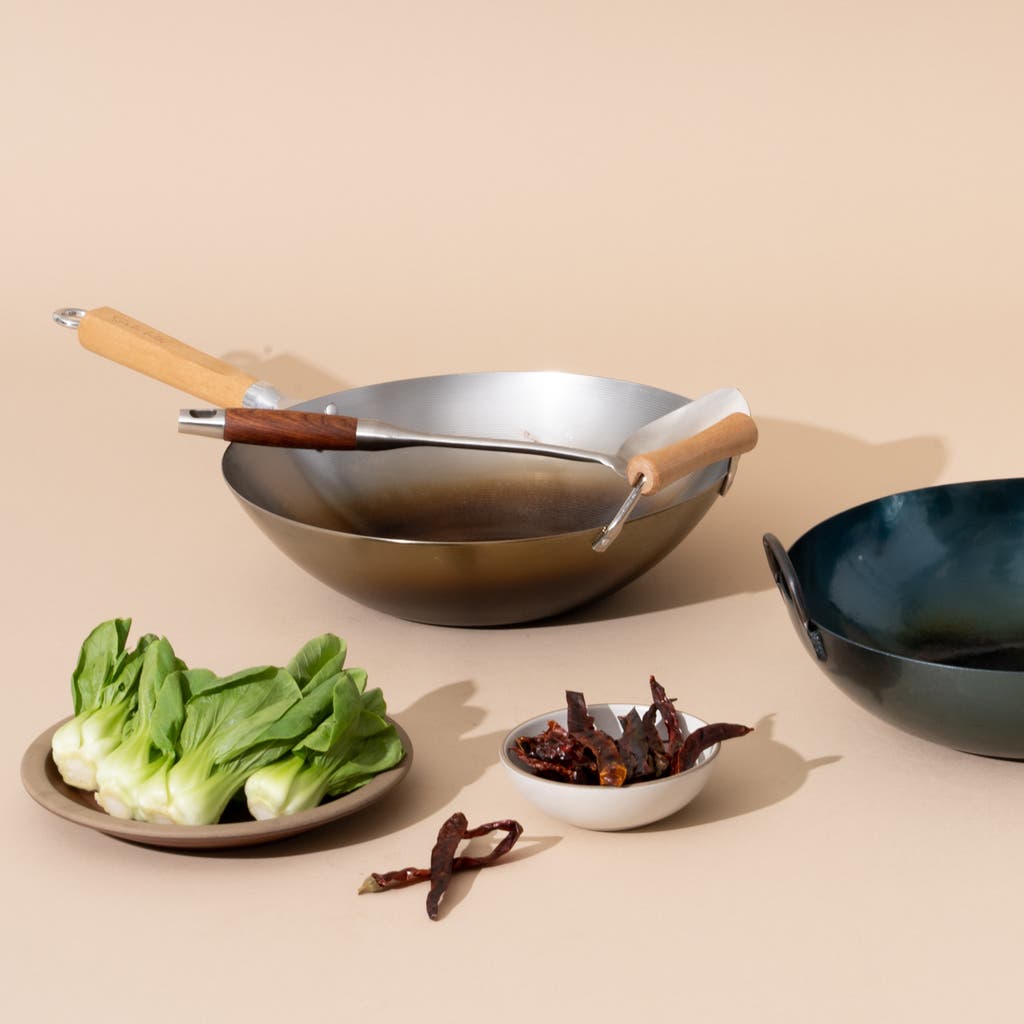
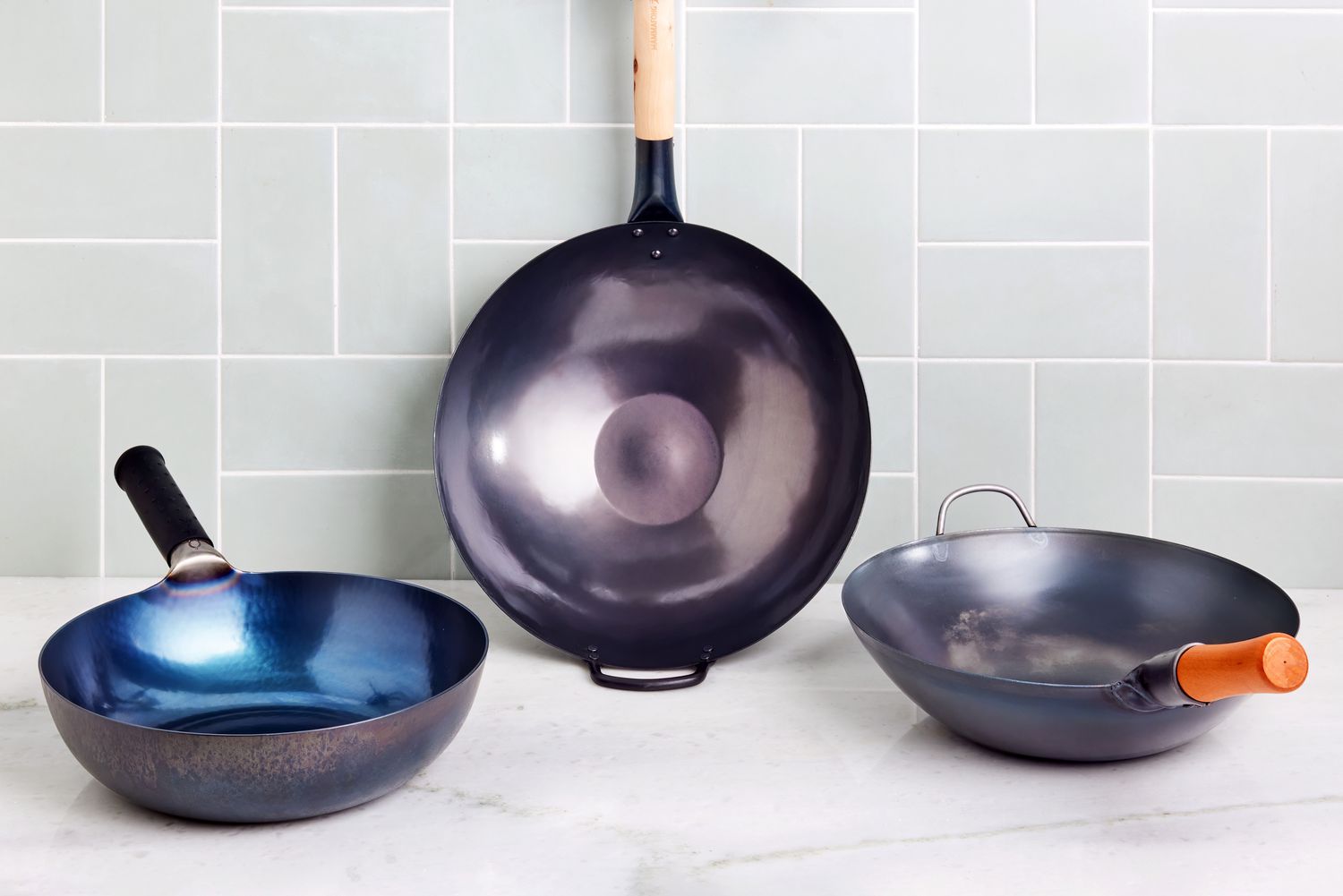
Wok material significantly impacts performance and depends on the heat source. Carbon steel, the traditional choice, offers excellent heat conductivity and responsiveness, heating quickly and evenly for both gas and electric woks.
Cast iron woks retain heat well but are heavy and slow to heat. They work well with electric woks, where slower heating is less of an issue, but require careful seasoning to prevent rust. Stainless steel woks are durable and easy to clean, though they conduct heat less effectively than carbon steel or cast iron.
Wok shape and thickness are also important. Round-bottomed woks suit gas stoves by concentrating heat. Flat-bottomed woks are better for electric cooktops, offering stability. Thicker woks retain heat longer; thinner ones heat faster. The best material depends on your priorities and cooking style.
Recipe Test: Chicken Fried Rice Showdown
To compare gas and electric woks, I cooked chicken fried rice using both. A carbon steel wok was used for both tests. The gas test used a standard 10,000 BTU home gas burner, and the electric test used an 1800-watt induction wok.
The gas wok heated up noticeably faster. I was able to get the wok smoking hot within minutes, allowing the chicken to sear quickly and develop a nice color. Stir-frying felt more intuitive, as I could easily adjust the flame to control the heat. The electric wok took a bit longer to reach the desired temperature, but the induction heating ensured even heat distribution.
During the stir-frying process, the gas wok maintained a higher peak temperature, resulting in slightly more pronounced wok hei. The electric wok, however, offered more consistent heat throughout the cooking process. The finished fried rice from the gas wok had a slightly smokier flavor and a bit more texture. The electric wok version was still delicious, but lacked that extra layer of complexity.
Overall, both woks produced excellent results. The gas wok delivered a more authentic stir-fry experience, but the electric wok offered greater convenience and control. The difference in taste was subtle, and most casual diners wouldn't be able to tell the difference. It really comes down to personal preference and your cooking priorities.
Future Trends: Induction & Smart Woks
Induction woks are poised to become even more popular in the coming years. Their energy efficiency, precise temperature control, and fast heating make them an attractive option for environmentally conscious and tech-savvy cooks. We’re already seeing more induction woks with advanced features, such as built-in timers and temperature probes.
The concept of "smart’ woks is also gaining traction. These woks incorporate sensors to monitor temperature, humidity, and even the food"s internal temperature. They can automatically adjust the heat to prevent burning or undercooking, and some even offer recipe integration and guided cooking programs. The Ninja Foodi Smart XL Pro Grill & Griddle with Integrated Smart Thermometer is an example of how smart technology is already being applied to cooking appliances, and similar features could easily be incorporated into woks.
While fully automated woks are unlikely to replace the skill and artistry of traditional wok cooking, these technologies can empower home cooks to achieve professional-level results. The future of wok cooking is likely to be a blend of tradition and innovation, with induction and smart features playing an increasingly important role. I expect to see continued improvements in electric wok technology, blurring the lines between gas and electric performance.
No comments yet. Be the first to share your thoughts!