

Wok Cooking's Vegan Shift
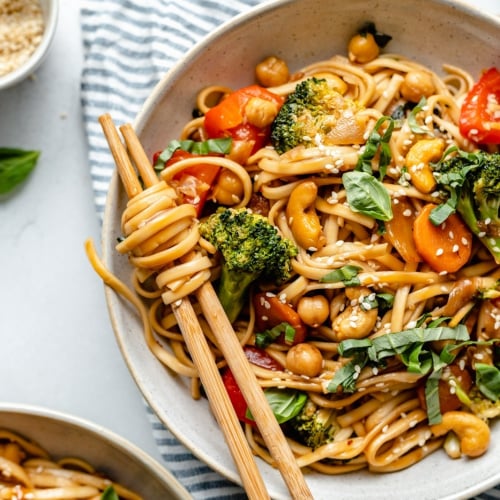
Plant-based eating isn't a flash in the pan; it's a genuine shift in how we approach food, and Asian cuisine is feeling the impact. We’re seeing a huge increase in demand for vegan options, not just in restaurants but in home cooking as well. This isn't about sacrificing flavor—it's about reimagining classic dishes with a focus on vegetables, plant proteins, and innovative techniques.
It's easy to think of this as a new trend, but vegetarianism has deep roots in many Asian cultures, particularly within Buddhist traditions where mindful eating and non-violence are central tenets. Historically, many Asian cuisines have always incorporated vegetable-focused dishes, even alongside meat-based ones. The current surge in veganism is building on this existing foundation, making it more accessible and mainstream.
The availability of vegan ingredients has exploded in recent years. What was once a scavenger hunt for tofu and tempeh is now a trip to most well-stocked grocery stores. Online retailers have further broadened access, offering specialized ingredients like mushroom-based oyster sauces and vegan fish sauce substitutes. This increased convenience is a major driver of the vegan shift in wok cooking.
People are also becoming more health-conscious, seeking out lighter, more sustainable meals. Asian cuisine, with its emphasis on fresh vegetables and flavorful sauces, is naturally well-suited to meet this demand. The wok, with its ability to cook food quickly at high heat, preserves nutrients and delivers a satisfying, healthy meal. It’s a perfect combination of tradition and modern wellness.
Essential Vegan Pantry Staples
Beyond tofu and your standard broccoli, a well-stocked vegan wok pantry is key to unlocking a world of flavor. Don’t underestimate the power of a good mushroom-based 'oyster' sauce – brands like Lee Kum Kee offer surprisingly authentic options. Fermented black beans are a revelation as a vegan fish sauce substitute, providing that umami depth you crave.
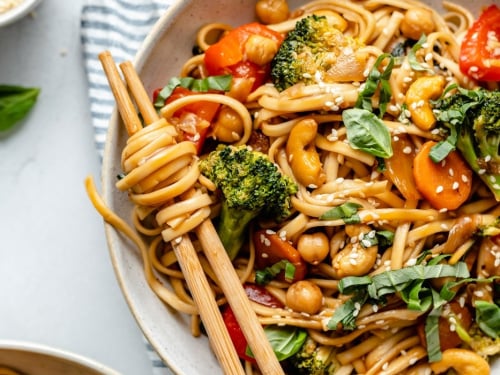
Different noodles open up a lot of possibilities. Rice noodles (wide and thin), glass noodles (mung bean), and udon noodles all offer distinct textures and absorb flavors beautifully. I find Shirakiku brand rice noodles particularly good for stir-fries. Stock up on a variety of soy sauces too – light, dark, and tamari (gluten-free) each have their place.
Spices are crucial. Five-spice powder, Sichuan peppercorns, chili bean paste (doubanjiang), and a good quality curry powder are all essential. Don't be afraid to experiment with different chili pastes – gochujang (Korean chili paste) and sambal oelek (Indonesian chili paste) add incredible complexity. Finding a reliable source is important; I often order mine from Umami Mart.
Accessibility can be a challenge. Asian markets are your best bet for specialized ingredients, but many supermarkets now carry a decent selection. Online retailers like Amazon and specialized vegan stores are also valuable resources. Don’t be discouraged if you can’t find everything at once; building your pantry is a process.
Wok Hei Without the Meat
"Wok hei’ – that coveted smoky, slightly charred flavor – is often associated with searing meat in a wok. But achieving it with vegetables alone is possible, it just requires understanding the science behind it. It"s about maximizing heat transfer and creating Maillard reaction – the chemical reaction between amino acids and reducing sugars that gives browned food its distinctive flavor.
High heat is non-negotiable. Your wok needs to be screaming hot before you add any oil or ingredients. A powerful burner is essential; a standard electric stove might struggle. Proper oil usage is also vital. Use an oil with a high smoke point, such as peanut oil, canola oil, or avocado oil. Don’t skimp, but don’t drown the wok either—about 2-3 tablespoons is a good starting point.
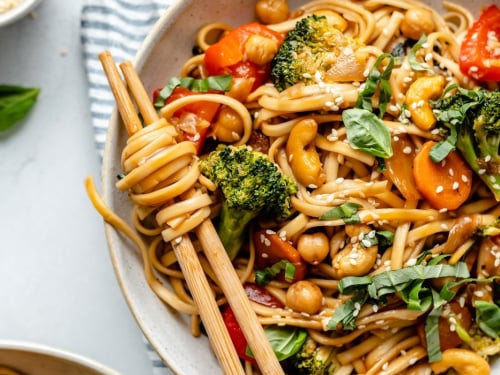
Layering ingredients correctly is key. Start with aromatics like garlic and ginger, then add vegetables that take longer to cook (like carrots and broccoli). Finish with quick-cooking vegetables like spinach and bean sprouts. Don’t overcrowd the wok; cook in batches if necessary. This ensures everything cooks evenly and gets that desired char.
A common mistake is constantly stirring. You want to let the vegetables sit for a few seconds between stirs to allow them to develop color. Another mistake is using too much sauce too early. Add the sauce towards the end of cooking to prevent it from burning. Mastering wok hei takes practice, but the results are well worth the effort.
10 Vegan Asian Recipes for 2026
These recipes aren't just trendy; they reflect a growing demand for flavorful, plant-based Asian cuisine. I've focused on dishes that are relatively easy to prepare at home and showcase the versatility of wok cooking.
1. Mapo Tofu (Sichuan, China): This classic dish is naturally vegan (often!), and the spicy, savory sauce is incredibly satisfying. I’m seeing a surge in interest in authentic Sichuan flavors, and this is a great entry point. Use fermented black beans for depth.
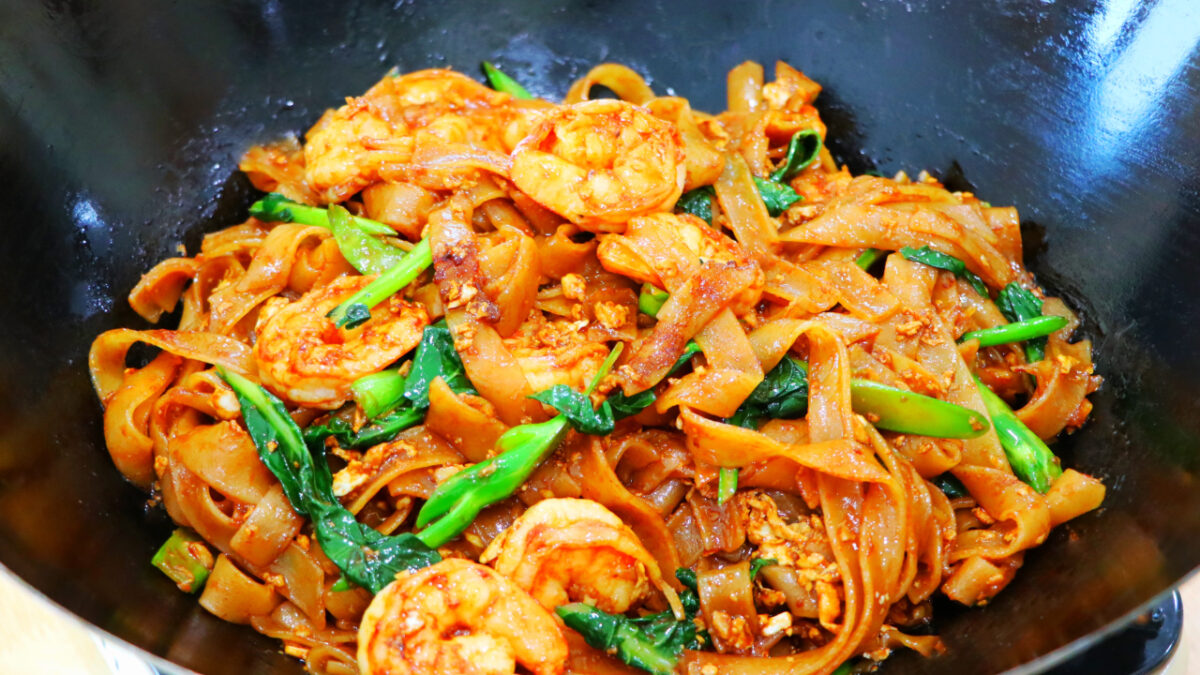
2. Vegan Pad See Ew (Thailand): Wide rice noodles stir-fried with Chinese broccoli, tofu, and a sweet-savory sauce. It's a Thai street food staple that translates beautifully to a vegan diet. Adjust the sweetness to your preference.
3. Vietnamese Lemongrass Tofu Stir-Fry: Bright, fragrant, and packed with flavor. Lemongrass is a key ingredient, and the tofu soaks it up beautifully. Serve with steamed rice and fresh herbs.
4. Korean Japchae (Glass Noodles): These sweet potato noodles are stir-fried with colorful vegetables and a savory soy sauce-based sauce. It’s a visually stunning and delicious dish, perfect for a crowd. I’m seeing more people explore Korean cuisine.
5. Vegan Dan Dan Noodles (Sichuan, China): A spicy and numbing noodle dish with a rich sesame sauce. It’s a flavor explosion in every bite. Use a good quality chili oil for the best results.
6. Japanese Vegetable Yakisoba: Stir-fried noodles with cabbage, carrots, onions, and a savory yakisoba sauce. It’s a quick and easy weeknight meal.
7. Stir-Fried Eggplant with Garlic Sauce (China): Soft, tender eggplant with a garlicky, slightly sweet sauce. It's a simple yet incredibly flavorful dish. Using Chinese eggplant is ideal.
8. Thai Green Curry with Tofu and Vegetables: Aromatic and creamy, this curry is packed with flavor and nutrients. Use a good quality green curry paste and coconut milk.
9. Korean Gochujang Cauliflower Stir-Fry: Roasted cauliflower tossed in a spicy, sweet, and savory gochujang sauce. It's a surprisingly addictive dish.
10. Vegan Char Kway Teow (Malaysia): Flat rice noodles stir-fried with tofu, bean sprouts, chives, and a sweet-savory sauce. It’s a complex and deeply flavorful dish that requires a bit of practice, but it’s worth the effort.
Beyond Tofu: Protein Powerhouses
While tofu is a vegan staple, limiting yourself to just tofu means missing out on a world of textures and flavors. Tempeh, made from fermented soybeans, has a firmer texture and a slightly nutty flavor. It holds up well in stir-fries and absorbs marinades beautifully. Seitan, made from wheat gluten, has a chewy, meat-like texture.
Jackfruit, particularly young green jackfruit, is gaining popularity as a meat substitute. Its neutral flavor makes it incredibly versatile, and its texture can mimic pulled pork or chicken. It's important to properly prepare jackfruit – remove the core and seeds and shred the flesh before cooking. Different types of mushrooms also shine in wok cooking.
Shiitake, oyster, and king oyster mushrooms all have unique textures and flavors that can add depth to vegan dishes. They can be used as a substitute for meat in stir-fries, curries, and noodle soups. Remember that plant-based proteins don’t always offer a complete protein profile, so combining different sources throughout the day is important.
Consider pairing tempeh with rice noodles for a complete protein source, or combining mushrooms with lentils in a stir-fry. Variety is key to ensuring you're getting all the essential amino acids your body needs. Don't be afraid to experiment with different combinations to find what you enjoy.
Sauce Secrets: Veganizing Flavor
Asian sauces are the backbone of many dishes, but traditional recipes often rely on fish sauce or oyster sauce. Thankfully, creating vegan alternatives is surprisingly easy. For vegan fish sauce, a combination of seaweed (kombu is best) and mushrooms simmered in soy sauce creates a similar umami depth.
Vegan oyster sauce can be made by simmering shiitake mushrooms in a mixture of soy sauce, sugar, and a touch of vinegar. The mushrooms release their flavor, creating a rich and savory sauce. Adjust the sweetness and saltiness to your liking. Experimenting with different types of mushrooms will yield different results.
Classic sauces can also be adapted. Reduce the amount of sugar in hoisin sauce or teriyaki sauce to balance the sweetness. Add a splash of rice vinegar or lime juice for brightness. Don’t be afraid to experiment with different chili pastes – gochujang, sambal oelek, and sriracha all add unique flavors.
A well-stocked sauce collection should also include different types of soy sauce (light, dark, tamari), rice vinegar, and sesame oil. These are the building blocks for creating complex and flavorful vegan Asian dishes. A table of substitutions can be helpful:
- Traditional: Fish Sauce Vegan Substitute: Fermented Black Beans + Kombu + Soy Sauce
- Traditional: Oyster Sauce Vegan Substitute: Shiitake Mushroom Reduction + Soy Sauce + Sugar
- Traditional: Shrimp Paste Vegan Substitute: Fermented Black Beans + Nutritional Yeast
Vegan Fish Sauce Substitutes for Wok Cooking
| Flavor Profile | Ease of Preparation | Availability | Best Uses |
|---|---|---|---|
| Fermented Black Beans | Requires rinsing and potentially chopping; can be time-consuming to achieve desired consistency. | Generally available in Asian grocery stores and increasingly in well-stocked supermarkets. | Adds a deep, savory, umami flavor. Excellent in stir-fries, sauces for noodles, and marinades for plant-based proteins. |
| Kombu (Dried Kelp) | Requires simmering in water to create a broth; time commitment for broth preparation. | Available in Asian grocery stores, health food stores, and online retailers. | Provides a subtle, oceanic umami flavor. Best used as a base for vegan dashi or added to sauces requiring a delicate savory note. |
| Seaweed Flakes (Nori, Wakame) | Very easy – can be added directly to dishes. Minimal preparation needed. | Widely available in supermarkets, Asian grocery stores, and health food stores. | Offers a distinct, briny, and slightly fishy flavor. Best used in smaller quantities to complement other flavors; good for adding a 'sea' element to dishes. |
| Shiitake Mushroom Broth | Requires simmering dried shiitake mushrooms in water; time commitment for broth preparation. | Dried shiitake mushrooms are readily available in most supermarkets and Asian grocery stores. | Provides a rich, earthy umami flavor. Excellent as a base for soups, sauces, and braising liquids. |
| Soy Sauce & Lemon Juice | Very easy – simple combination of readily available ingredients. | Universally available. | Offers a salty, umami flavor with a bright acidity. Good for quick stir-fries and marinades, but lacks the complexity of fermented options. |
| Miso Paste | Easy to dissolve in water or other liquids; requires adjusting quantity for desired saltiness. | Available in most supermarkets and Asian grocery stores. | Adds a fermented, savory flavor. Best used in sauces and marinades, particularly for Japanese-inspired dishes. |
Illustrative comparison based on the article research brief. Verify current pricing, limits, and product details in the official docs before relying on it.
Wok Care for the Vegan Cook
Proper wok care is essential, regardless of whether you’re cooking meat or vegetables. Carbon steel woks are the most popular choice, but cast iron woks are also an option. Seasoning a wok involves coating it with oil and heating it to create a non-stick patina. This process takes time and effort, but it’s crucial for preventing rust and ensuring even cooking.
Cleaning a wok should be done with hot water and a soft sponge. Avoid using soap, as it can strip away the seasoning. Dry the wok thoroughly after washing and then lightly coat it with oil. Preventing rust is key. If rust does appear, scrub it off with steel wool and re-season the wok.
There are many misconceptions about wok care. Some people believe you need to constantly re-season a wok, but that’s not true. A well-seasoned wok will only need occasional maintenance. Others are afraid of using too much oil, but a thin layer of oil is actually beneficial.
Investing in a good quality wok and taking the time to care for it will pay off in the long run. It’s a durable piece of cookware that can last a lifetime with proper maintenance. Don’t be discouraged by the initial effort; a well-seasoned wok is a joy to cook with.
Trending Ingredient Pairings
Looking ahead, I see some exciting ingredient pairings emerging in vegan Asian cooking. Yuzu kosho (a Japanese citrus chili paste) paired with mushrooms is a flavor bomb – the citrusy heat complements the earthy mushrooms beautifully. I'm also predicting a surge in the use of black garlic, which adds a deep, umami flavor to dishes.
Gochujang (Korean chili paste) and roasted cauliflower is another winning combination. The spicy, fermented flavor of gochujang pairs perfectly with the slightly sweet, caramelized cauliflower. This pairing is already popular in Korean restaurants and is starting to gain traction at home. Eggplant and fermented bean curd (fu ru) is a classic Chinese pairing gaining attention.
Less common vegetables are also having a moment. Romanesco broccoli, with its unique fractal shape and slightly nutty flavor, is being used in stir-fries and noodle dishes. Fiddlehead ferns, with their delicate flavor and texture, are appearing in spring-inspired vegan dishes. Experimenting with these lesser-known vegetables can add a unique twist to your cooking.
I'm also seeing a growing interest in using different types of herbs and spices. Shiso leaves, with their minty, anise-like flavor, are being used as a garnish and in salads. Galangal, a rhizome similar to ginger, is adding a unique citrusy aroma to Thai-inspired dishes. Keep an open mind and don’t be afraid to try new things.
What vegan Asian ingredient are you most excited to experiment with in plant-based wok cooking?
Vote below and pick the ingredient you would try first.
No comments yet. Be the first to share your thoughts!