

The science of carbon steel
Seasoning isn't a temporary spray; it's a permanent change to the metal. When you bake oil onto carbon steel, it undergoes polymerization. This creates a hard, slick surface that acts like a natural non-stick coating.
A well-seasoned wok also develops a depth of flavor over time that a non-stick pan simply can’t match. The layers of seasoning contribute to the maillard reaction, enhancing the savory notes in your stir-fries. Beyond flavor, seasoning protects the wok, especially carbon steel, from rust and corrosion. It's a living surface that improves with use, becoming more responsive and reliable.
Most woks are made of carbon steel, though you’ll find stainless steel and cast iron options too. Carbon steel is the gold standard for wok cooking because of its responsiveness to heat, but it requires seasoning. Stainless steel doesn’t need seasoning in the same way, though a light seasoning can still improve its non-stick properties. Cast iron benefits from seasoning, but it’s a slower process and requires more maintenance.
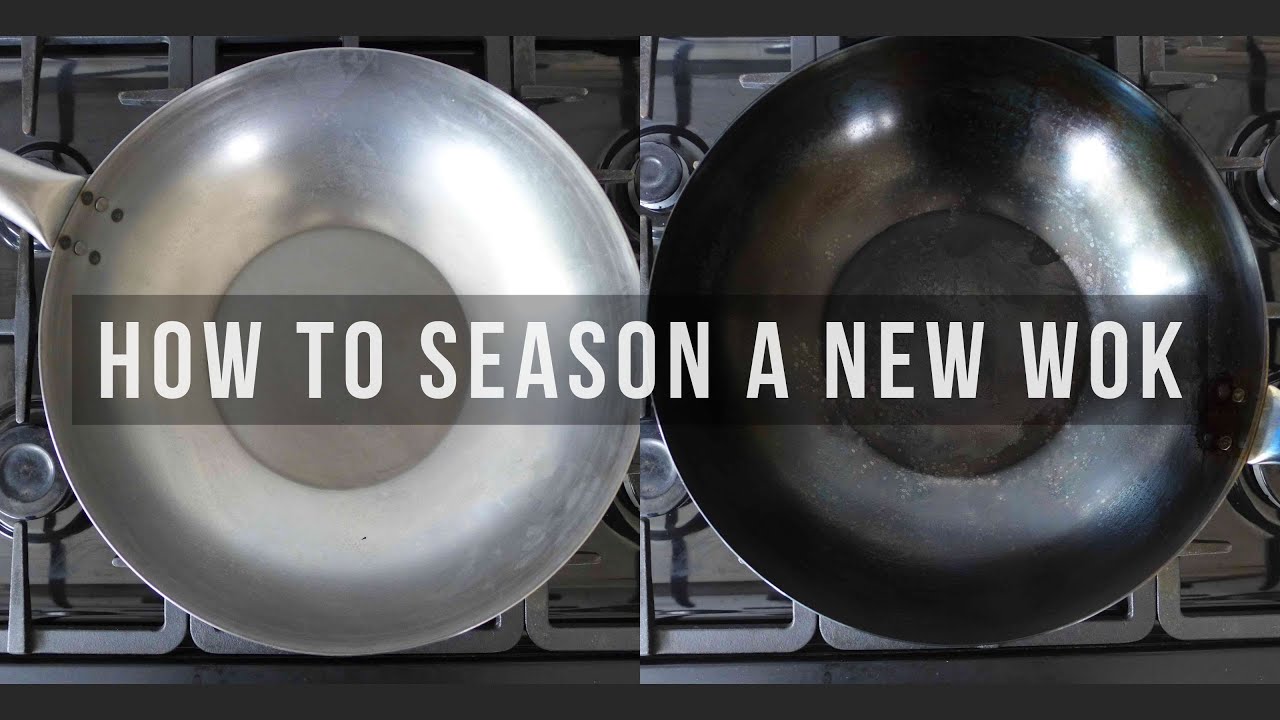
The Initial Deep Clean
This step is often overlooked, but it’s absolutely vital. New woks come with a factory coating – it’s there to prevent rust during shipping, but it must be removed before seasoning. This coating can interfere with the polymerization of the oil and result in a poor, uneven seasoning.
Start by washing the wok thoroughly with hot, soapy water. Use the scrub brush to remove any visible residue. Rinse well and repeat. You want to be certain that every trace of the factory coating is gone. Some woks are coated with a light mineral oil instead of a protective lacquer; this needs to be scrubbed off as well. Don’t be afraid to really scrub – you’re not damaging the wok, you’re preparing it.
Tools & Materials
- Carbon Steel Wok - A 14-inch round-bottom wok is a classic choice for home cooks. Ensure it's carbon steel, not cast iron or stainless steel.
- Heat Source - A high-BTU burner is ideal for wok cooking. If using an electric stove, choose one with a powerful heating element.
- Cooking Oil - High smoke point oils like peanut oil, canola oil, or vegetable oil are best for seasoning. Approximately 1/4 - 1/2 cup will be needed.
- Paper Towels - Plenty of durable paper towels are essential for applying and wiping away oil during the seasoning process.
- Metal Spatula or Wok Choy - A metal spatula or wok utensil is needed to spread the oil and manipulate the wok during heating.
- Dish Soap - A mild dish soap is needed for the initial cleaning of the wok before seasoning. Avoid harsh detergents.
- Protective Gloves - Heat-resistant gloves are recommended to protect your hands from burns during the seasoning process.
First Heat: Burning It Off
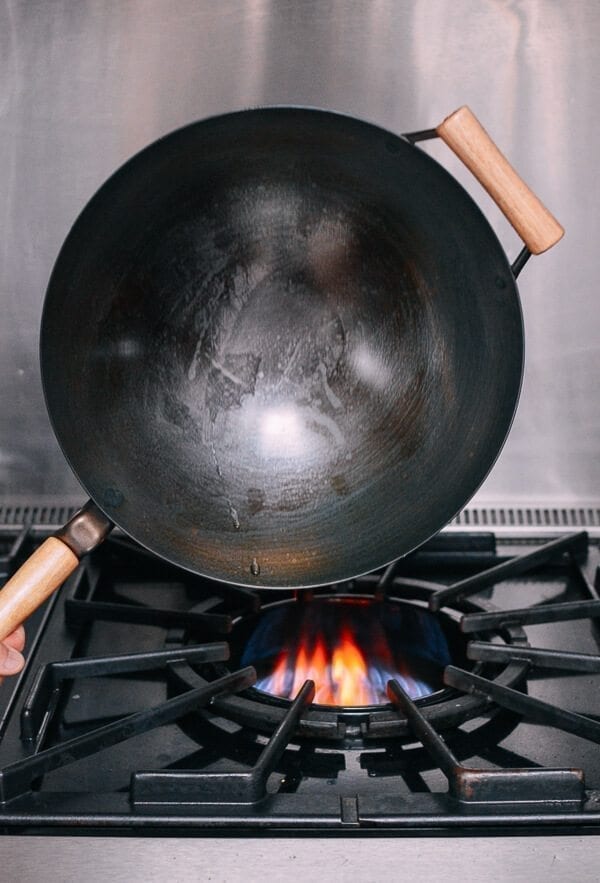
Now for the main event. Place the clean, dry wok over high heat. You want it hot. Begin coating the wok with oil – pour a tablespoon or two into the center and, using paper towels, spread it evenly across the entire surface, including the sides. Don't skip any spots! The oil will start to smoke almost immediately.
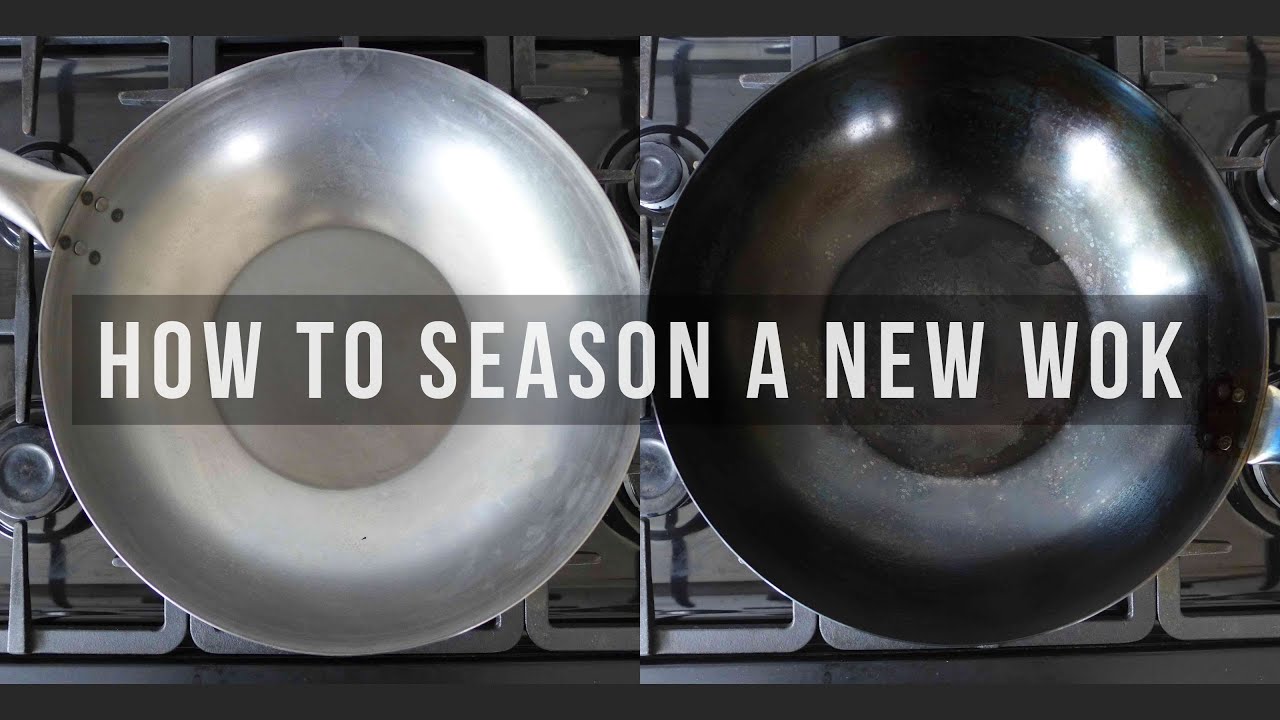
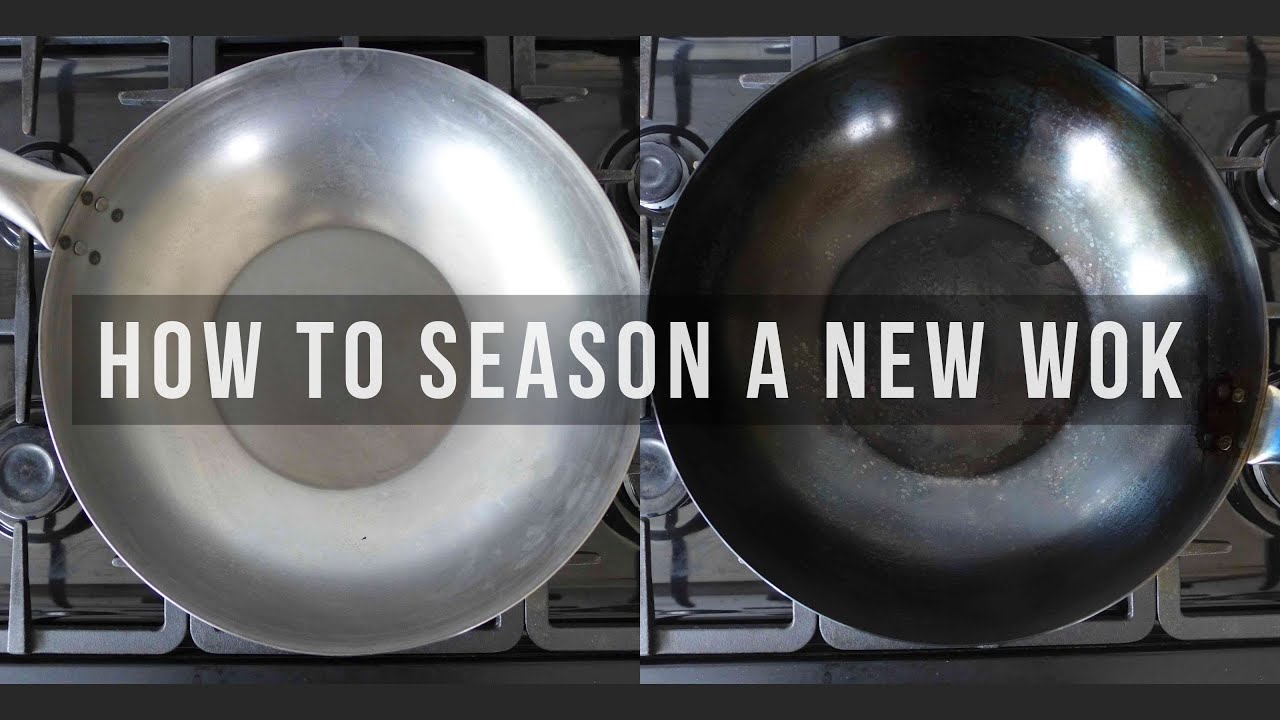
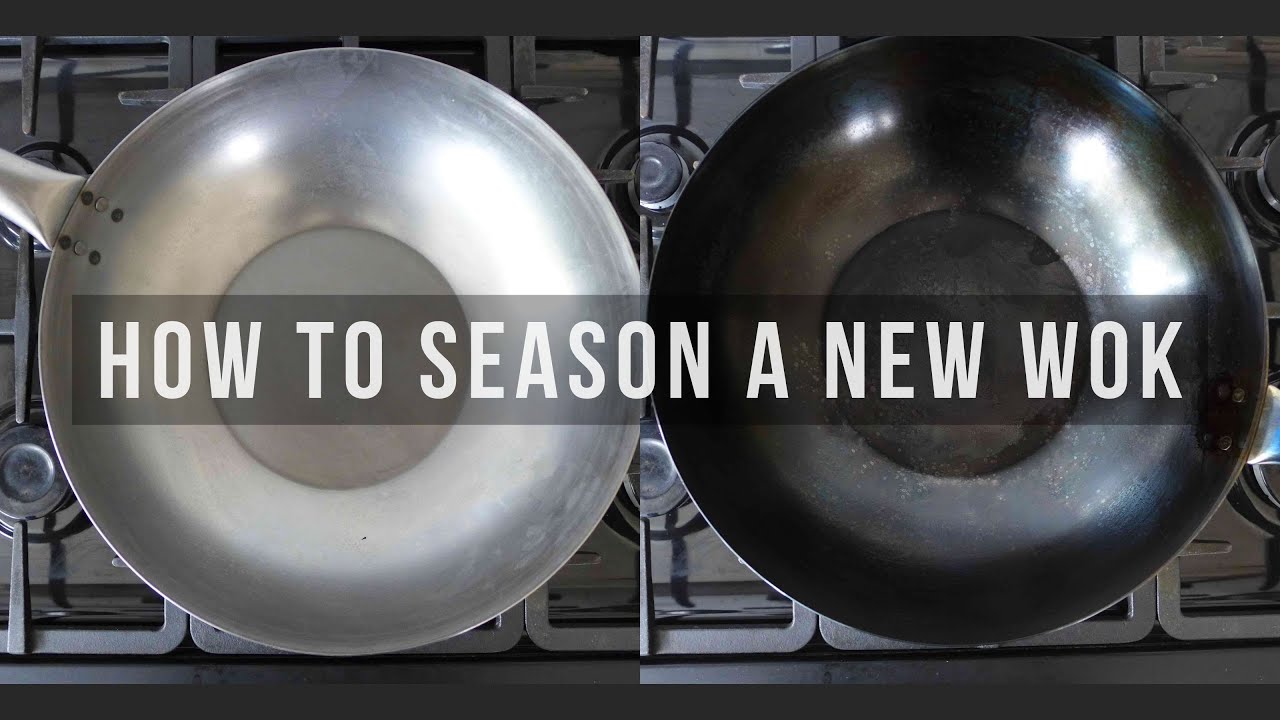
Continue heating the wok until the oil begins to change color, going from clear to golden brown, and eventually to a dark blue-grey. This color change indicates that the oil is polymerizing – it’s transforming into the hard, protective seasoning. Keep moving the wok around on the burner to ensure even heating and prevent hot spots. This is where good ventilation is crucial; this process will create a significant amount of smoke.
Watch the heat closely. If the oil catches fire, turn off the burner and cover the wok with a lid. Don't leave the stove while the pan is smoking. Once it cools down, wipe out the extra oil.
Cooling & Repeating: Building Layers
Once the wok has cooled enough to handle, but is still warm, wipe it down with fresh paper towels. You’ll notice a sticky residue – that’s the polymerized oil. Keep wiping until the surface feels relatively smooth. Don’t worry if it’s not perfect; the next layer will help even things out.
Repeat the heating and oiling process 3-5 times, or even more if you’re particularly dedicated. With each layer, the wok will darken and the seasoning will become more pronounced. You’ll notice that some areas might take the seasoning more readily than others. This is normal. Focus on those areas with extra oil during subsequent layers.
Don’t be discouraged if the seasoning looks uneven at first. It will even out with continued use. The goal is to build a base layer of polymerized oil. It’s better to apply multiple thin layers than one thick layer. A thick layer is more likely to be sticky and prone to flaking.
Troubleshooting Common Issues
Even with careful seasoning, problems can arise. Rust spots are common, especially if the wok isn’t dried thoroughly after washing. If you find rust, scrub it off with steel wool or a scouring pad, then re-season that area. Uneven seasoning can be addressed by focusing on the lighter areas with additional oil and heat. Sticky patches usually indicate that the seasoning is too thick.
Stripping the seasoning and starting over is the best solution for sticky patches. A common method is to heat the wok until it smokes, then use a scouring pad to scrub away the sticky residue. This is a messy process, so do it outdoors or in a well-ventilated area. Another option is to burn off the sticky seasoning by heating the wok over high heat for an extended period.
Preventing problems is always easier than fixing them. Proper cleaning and drying are key. Avoid letting the wok sit in water. If you notice any signs of rust or uneven seasoning, address them promptly. A little maintenance goes a long way.
Maintaining Your Seasoning
Once your wok is seasoned, maintaining it is relatively simple. After each use, rinse the wok with hot water and use a gentle scrub brush to remove any food particles. Avoid using harsh detergents, as they can strip away the seasoning. Dry the wok immediately and thoroughly – a few minutes over low heat can help with this.
After drying, apply a very light coat of oil to the inside of the wok. This helps to maintain the seasoning and prevent rust. If you accidentally remove some seasoning during cleaning, don’t panic. Simply re-season that area with a little oil and heat. The seasoning will continue to improve with use, becoming darker and more non-stick over time.
Think of your wok seasoning like a patina on a copper pot. It’s not about achieving perfection, it’s about building a surface that’s uniquely your own. The more you use it, the better it will become. Embrace the imperfections and enjoy the process of cooking with a well-loved wok.
Quick reference
Here's a quick recap of the seasoning process:
1. Wash the wok with hot, soapy water and scrub thoroughly to remove the factory coating.
2. Dry the wok completely.
3. Heat the wok over high heat.
4. Add a tablespoon of oil and spread it evenly across the surface.
5. Continue heating until the oil turns blue-grey.
6. Wipe away excess oil with paper towels.
7. Repeat steps 4-6 3-5 times, or more, to build up layers of seasoning.
No comments yet. Be the first to share your thoughts!