

Why carbon steel wins for wok cooking
Most home cooks reach for nonstick or stainless steel first, but carbon steel is the standard for a reason. It is the material of choice in professional kitchens because it behaves differently under high heat. The metal is thinner and lighter than cast iron, which allows you to toss vegetables with one hand. More importantly, it responds instantly to temperature changes. You can crank the flame for a sear and then lower it to finish cooking without waiting for the pan to cool down.
This responsiveness relies on seasoning. Carbon steel develops a natural nonstick surface through polymerized oil. This layer builds up over time, creating a patina that improves with use. Unlike synthetic coatings that chip or peel, a well-seasoned carbon steel wok becomes more durable with age. The surface fills in microscopic pores, making it easier to clean and more resistant to sticking.
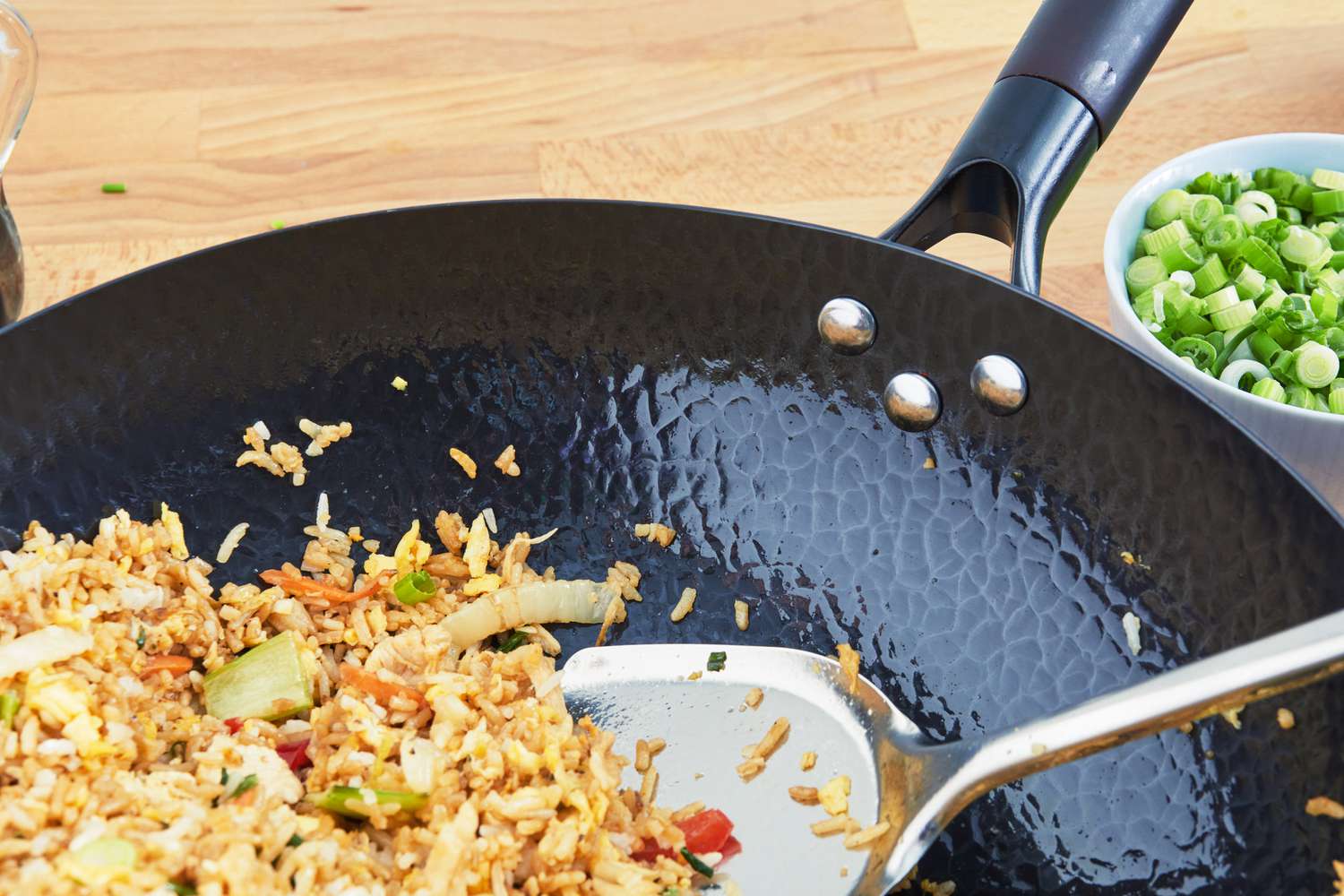
The visual transformation is striking. A new wok starts as a shiny, pale gray that quickly darkens to a deep, glossy black as you cook. This isn't just aesthetic; it signals that the seasoning layer is building up properly.
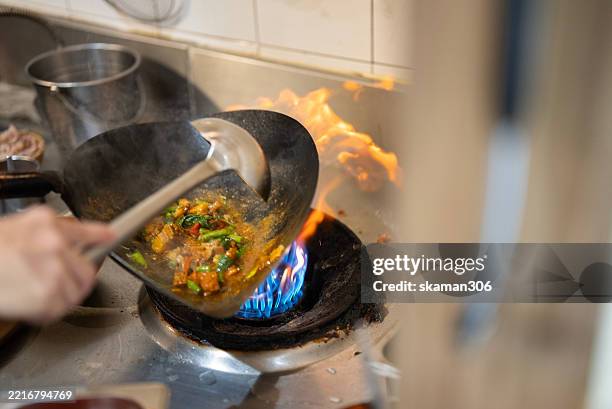
While other materials work, carbon steel offers the best balance of heat control and durability for stir-frying. It heats up faster than cast iron and holds heat better than aluminum or thin stainless steel. If you want authentic wok hei—the breath of the wok—you need a pan that can handle sustained high heat without warping or degrading.
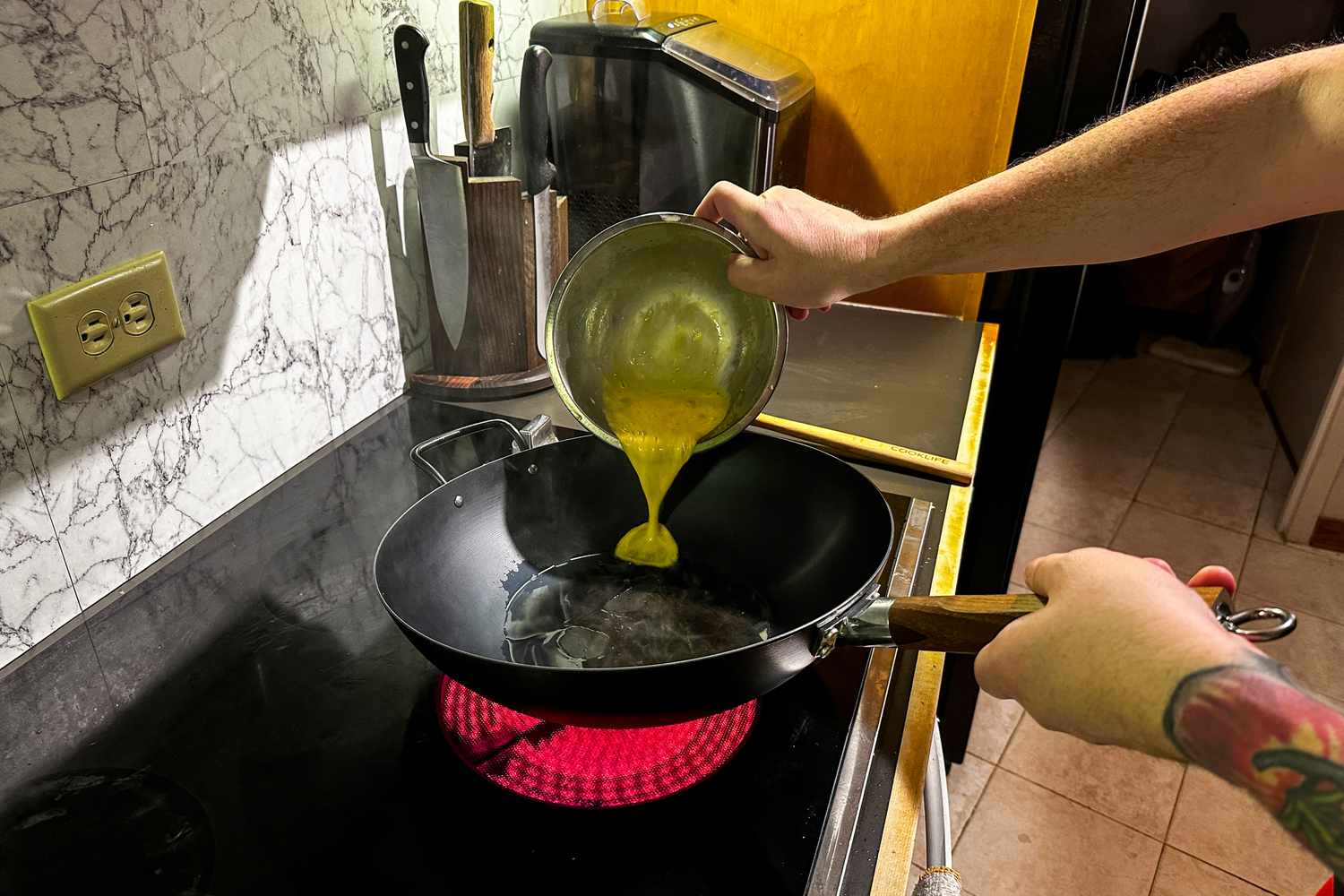
Strip factory oil before first use
Wok Cooking works best as a clear sequence: define the constraint, compare the realistic options, test the tradeoff, and choose the path with the fewest hidden costs. That order keeps the advice usable instead of decorative. After each step, pause long enough to check whether the recommendation still fits the reader's actual situation. If it depends on perfect timing, unusual access, or a best-case budget, include a simpler fallback.
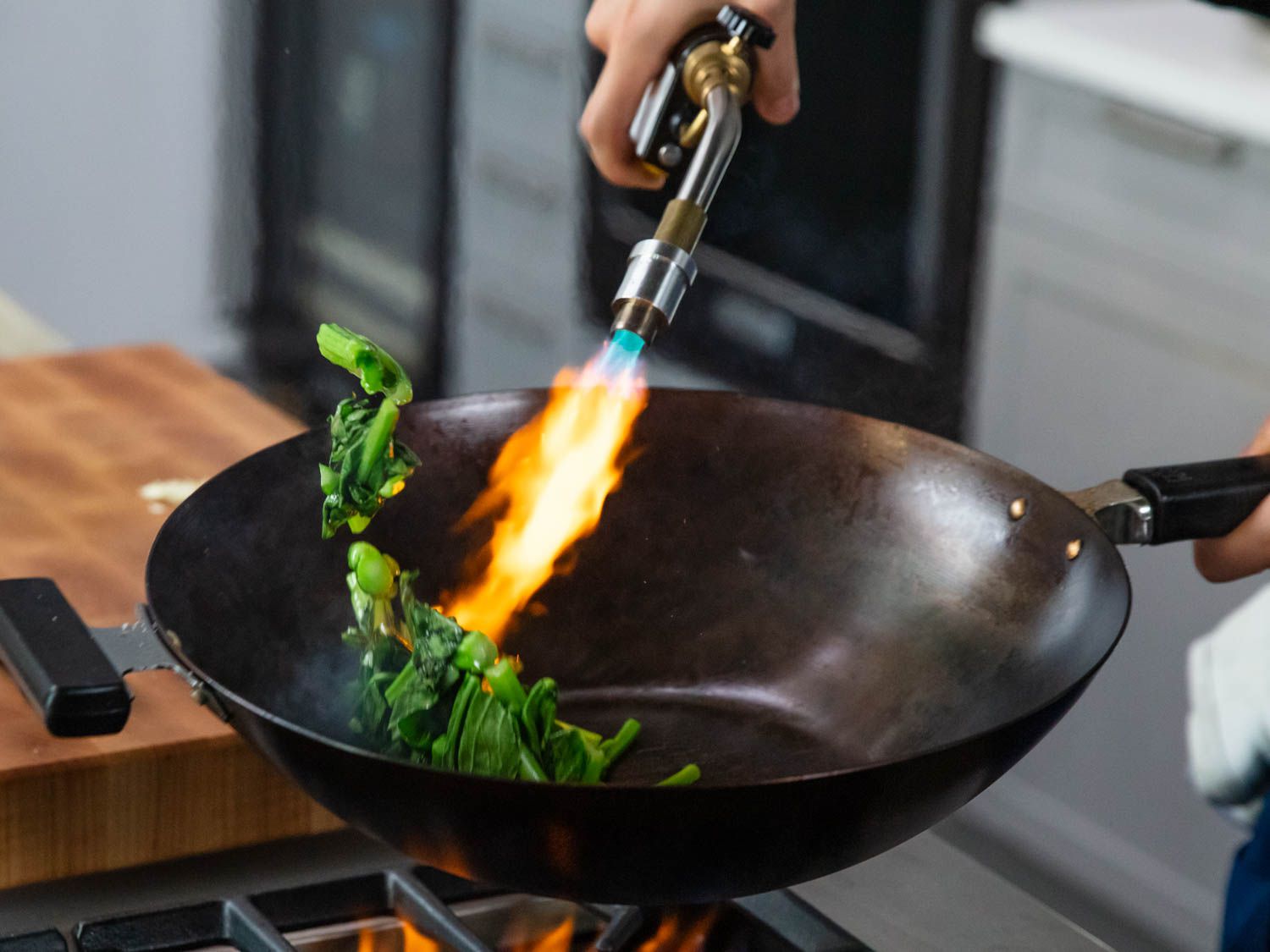
Build the polymer layer with heat and oil
Wok Cooking works best as a clear sequence: define the constraint, compare the realistic options, test the tradeoff, and choose the path with the fewest hidden costs. That order keeps the advice usable instead of decorative. After each step, pause long enough to check whether the recommendation still fits the reader's actual situation. If it depends on perfect timing, unusual access, or a best-case budget, include a simpler fallback.
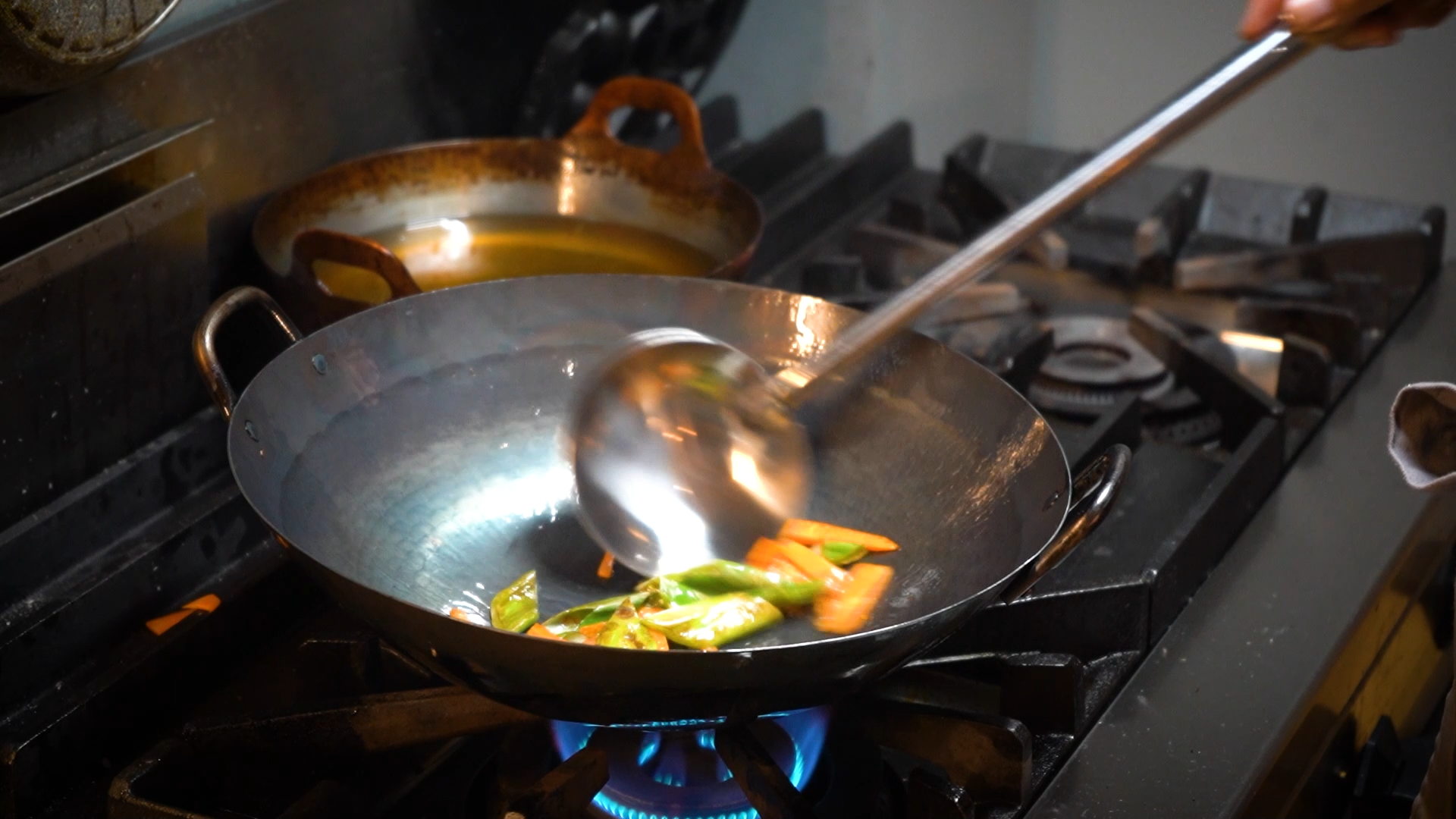
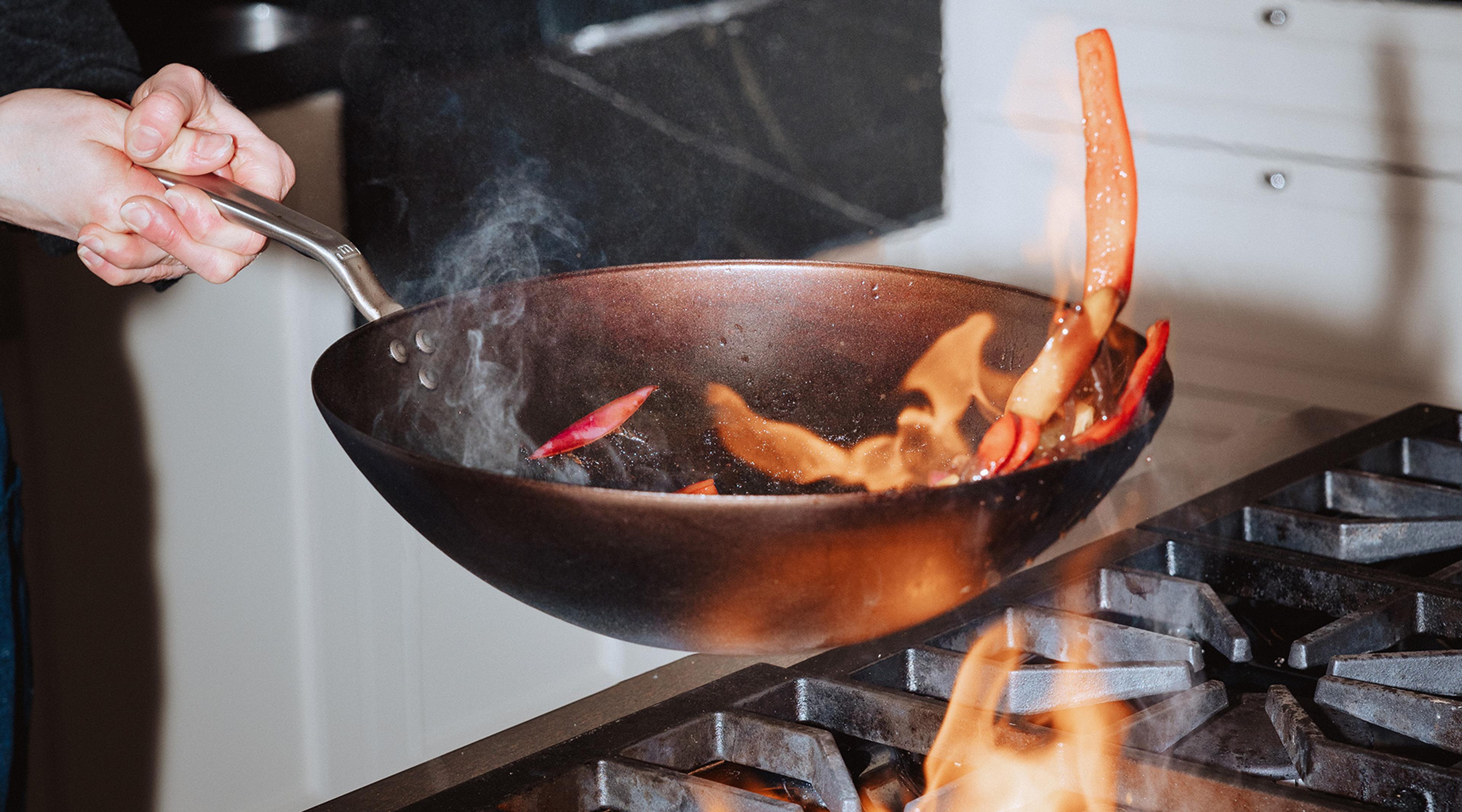
Prep ingredients before heating the wok
Wok cooking moves too fast for mid-cook chopping. Once the flame is high, you have seconds to respond. If you are still reaching for the knife or mixing sauce while the oil smokes, your food will burn before it cooks.
Treat this phase like a pit stop. Every bowl, bottle, and utensil must be within arm's reach before the wok touches the burner. Line up your proteins, vegetables, and sauces in the order they will hit the pan. This is the only way to maintain the rhythm needed for true stir-fry technique.
- Protein sliced and marinated
- Vegetables washed and cut
- Sauce mixed in a small bowl
- Oil and seasonings nearby
- Spatula and ladle ready
-
Protein sliced and marinated
-
Vegetables washed and cut
-
Sauce mixed in a small bowl
-
Oil and seasonings nearby
-
Spatula and ladle ready
This setup transforms chaos into control. You are not just cooking; you are executing a sequence. When everything is prepped, the wok becomes an extension of your hand, not a source of stress.
Execute the stir-fry with constant motion
Start Wok Cooking with the constraint that matters most in real life: space, timing, budget, skill level, maintenance, or availability. That first constraint should shape the rest of the plan instead of appearing as an afterthought. Keep the first pass simple enough to verify. Compare the main options against the same criteria, remove choices that only work in ideal conditions, and save optional upgrades for later.
Choose the best carbon steel woks
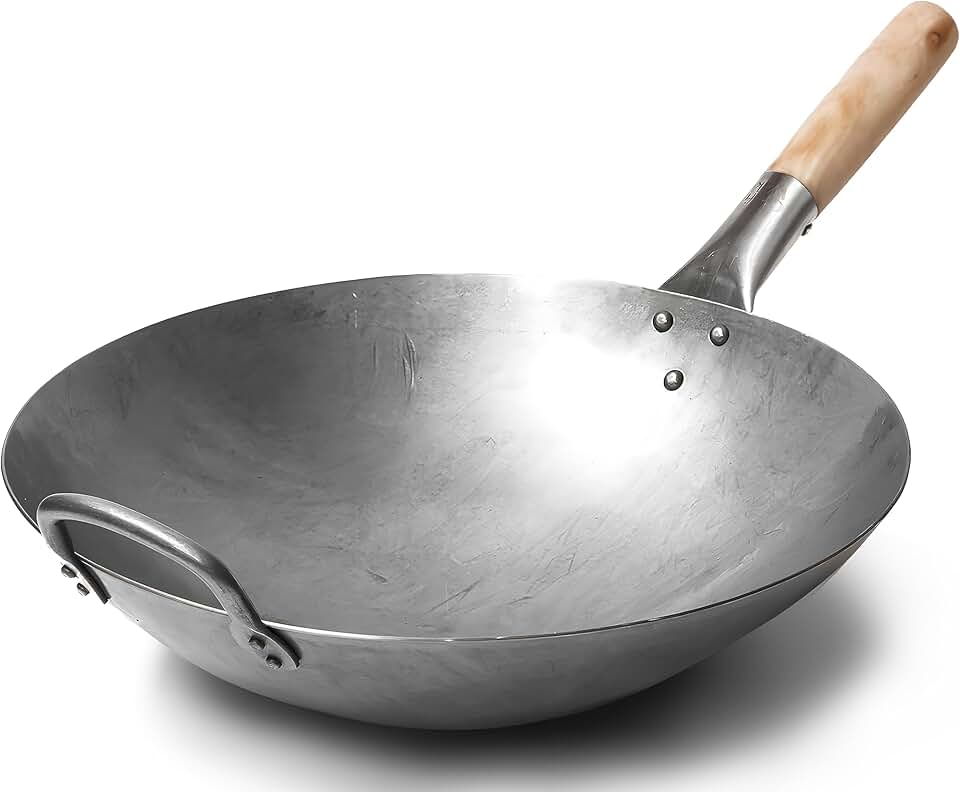
A good carbon steel wok is the foundation of high-heat stir-frying. Unlike nonstick pans, carbon steel gets better with use, developing a natural nonstick patina that handles searing and tossing with ease. When shopping, prioritize thickness, handle design, and price point to find a wok that fits your stove and cooking style.
The most critical spec is thickness. Look for a wok made from 1.2mm to 1.5mm steel. Thinner woks (under 1mm) warp quickly on high heat, while thicker ones (over 2mm) take too long to heat up. The ideal carbon steel wok strikes a balance, heating evenly and responding instantly to temperature changes.
Handle type determines comfort and maneuverability. Flat handle woks (often called "American woks") are stable and easy to store but harder to toss. Round handle woks (traditional "Chinese woks") are lighter and designed for tossing, but they require a helper handle or a wok ring for stability. Choose the style that matches your wrist strength and stove setup.
Carbon steel woks are affordable, typically ranging from $20 to $50 for quality options. Avoid ultra-cheap, thin options under $15, as they often lack the durability needed for regular stir-frying. Investing in a reputable brand ensures consistent thickness and better heat retention.
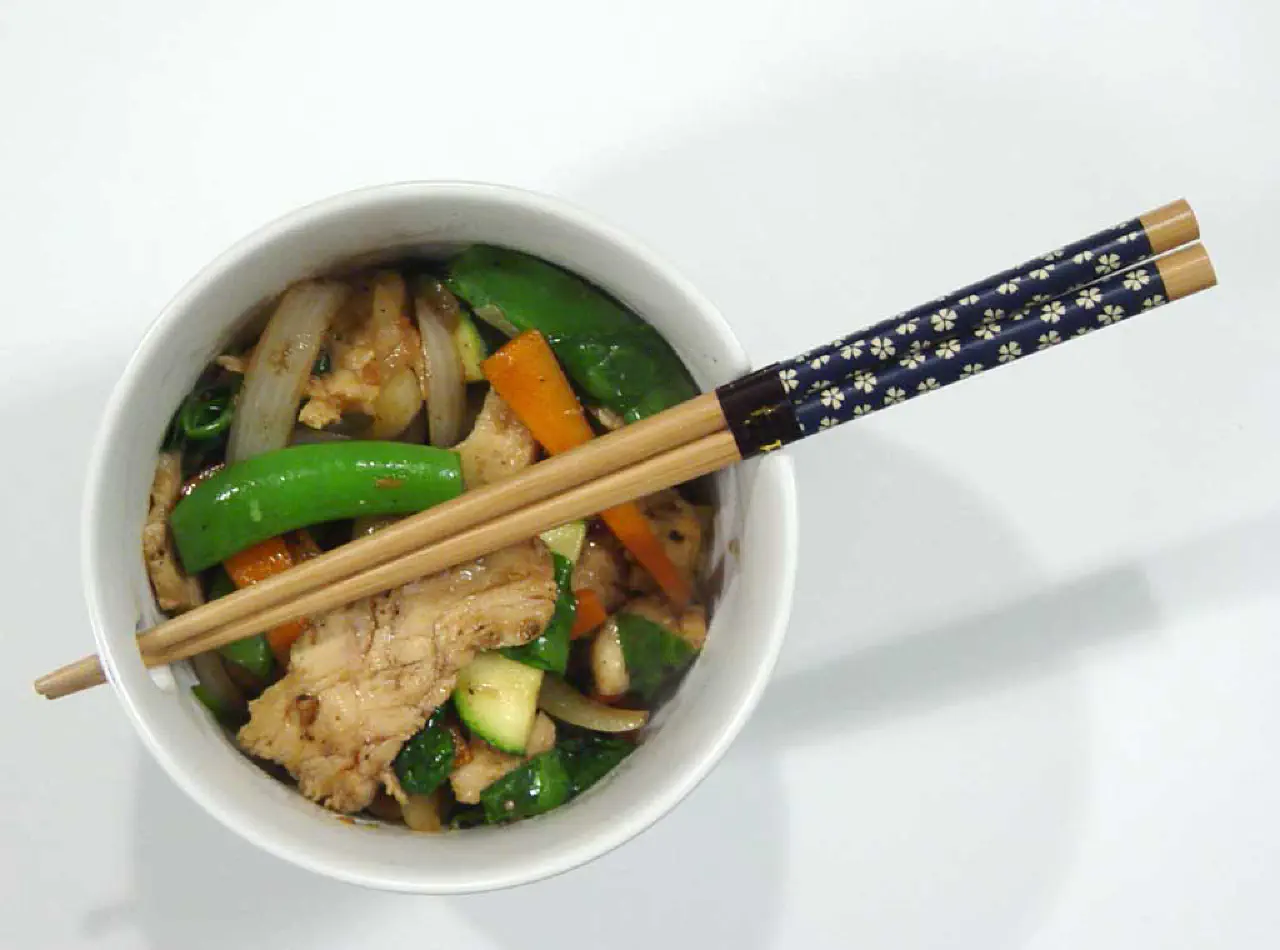



As an Amazon Associate, we may earn from qualifying purchases.
Maintain the seasoning after cooking
Wok Cooking works best as a clear sequence: define the constraint, compare the realistic options, test the tradeoff, and choose the path with the fewest hidden costs. That order keeps the advice usable instead of decorative. After each step, pause long enough to check whether the recommendation still fits the reader's actual situation. If it depends on perfect timing, unusual access, or a best-case budget, include a simpler fallback.
Common questions about wok cooking
These answers address the most frequent misconceptions and clarify the core techniques for successful stir-frying.
No comments yet. Be the first to share your thoughts!