

Get season wok right
Start The Wok Revival with the constraint that matters most in real life: space, timing, budget, skill level, maintenance, or availability. That first constraint should shape the rest of the plan instead of appearing as an afterthought. Keep the first pass simple enough to verify. Compare the main options against the same criteria, remove choices that only work in ideal conditions, and save optional upgrades for later.
The simplest way to use this section is to write down the real constraint first, compare each option against it, and choose the path that still works outside ideal conditions.
Work through the steps
The Wok Revival works best as a clear sequence: define the constraint, compare the realistic options, test the tradeoff, and choose the path with the fewest hidden costs. That order keeps the advice usable instead of decorative. After each step, pause long enough to check whether the recommendation still fits the reader's actual situation. If it depends on perfect timing, unusual access, or a best-case budget, include a simpler fallback.
Fix common mistakes
Even with the right oil, carbon steel woks fail because of three specific errors: using the wrong heat, skipping the dry, or scrubbing the polymer layer. These mistakes prevent the formation of a durable, non-stick surface.
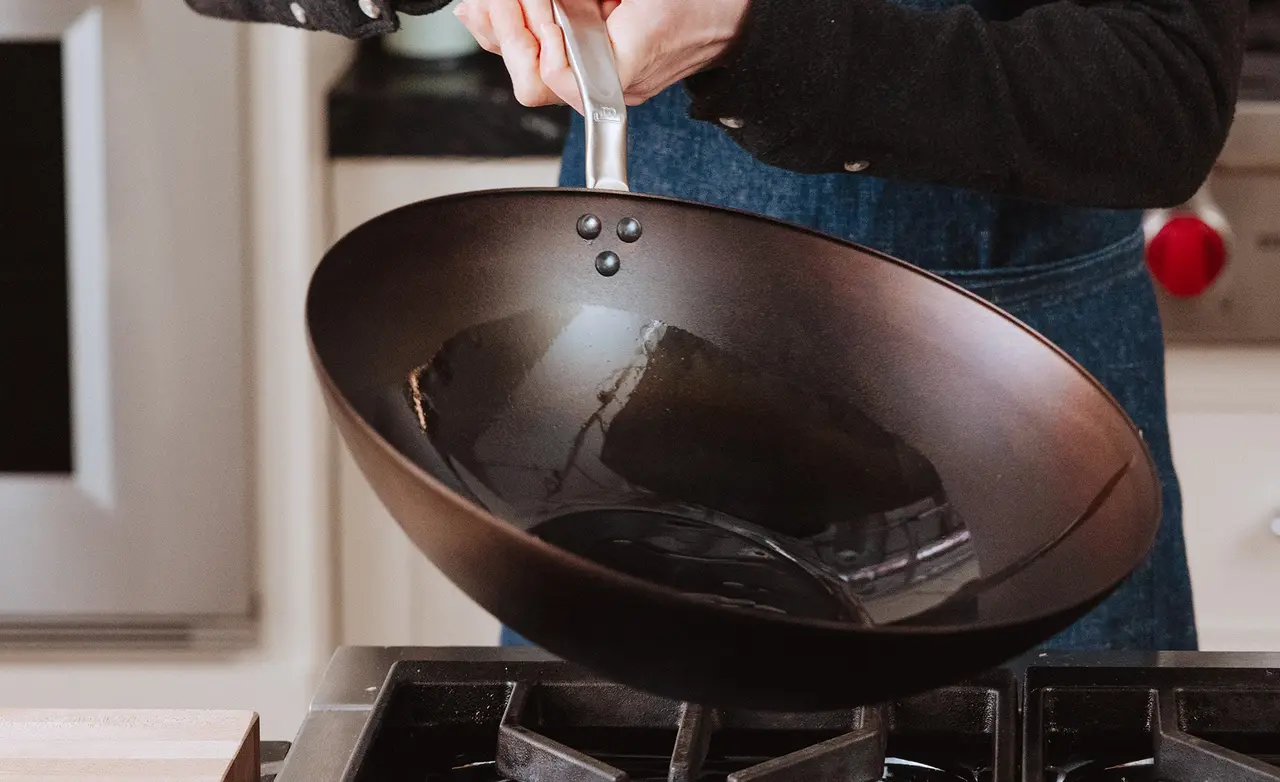
Using cold oil on a hot wok. Many cooks add oil to a preheated wok, expecting it to smoke immediately. This creates a sticky, uneven film rather than a smooth polymer layer. The oil breaks down before it can bond to the metal. Instead, coat the wok with oil before turning on the heat. Heat the oil and wok together slowly. This allows the oil to polymerize evenly across the entire surface, creating a uniform base layer.
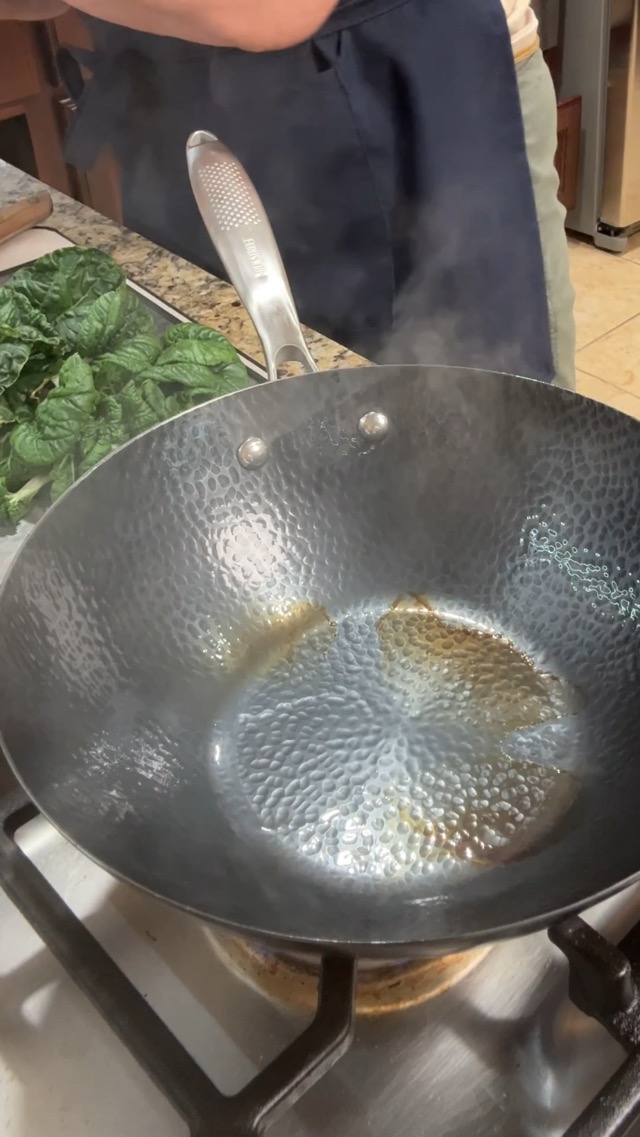
Skipping the dry step after washing. Water is the enemy of seasoning. If you rinse your wok and leave it wet, rust forms instantly, destroying the seasoning you just built. Never air-dry a carbon steel wok. Always dry it thoroughly over low heat for two minutes. This evaporates every drop of moisture. Once dry, add a thin layer of oil to protect the surface until the next use.
Scrubbing with steel wool. A well-seasoned wok should not stick. If food sticks, you are scrubbing too hard. Steel wool strips away the polymerized oil layer, leaving bare metal exposed. Use a soft sponge or a bamboo brush instead. If food is stuck, soak the wok in warm water for ten minutes. Gentle friction will lift the residue without damaging the seasoning.
Season a wok: what to check next
Seasoning a carbon steel wok isn't a one-time event; it's an ongoing maintenance routine. Understanding the difference between initial break-in and daily care prevents frustration and ensures your wok develops a smooth, non-stick surface over time.
'Helpful gear
Use these product recommendations as a starting point, then choose the size, material, and price point that fit how you actually use the gear.
As an Amazon Associate, we may earn from qualifying purchases.
No comments yet. Be the first to share your thoughts!