
Pick the right material
Choosing a carbon steel wok means prioritizing performance over convenience. While stainless steel and nonstick pans have their place in the kitchen, neither can replicate the cooking dynamics of carbon steel. For stir-frying, carbon steel is the undisputed standard because it heats up quickly, cools down just as fast, and develops a nonstick surface that improves with age.
The primary advantage of carbon steel is its responsiveness. Unlike stainless steel, which is thick and slow to react to temperature changes, carbon steel allows you to manage heat precisely. This is essential for techniques like wok hei, where you need the pan to return to high heat instantly after adding cold ingredients. Stainless steel also lacks the ability to be seasoned, meaning it relies entirely on oil and technique to prevent sticking, whereas a well-seasoned carbon steel wok becomes naturally release-coated over time.
Nonstick coatings offer an easy start but fail under the high heat required for proper wok cooking. Most nonstick surfaces degrade above 500°F, and stir-frying often exceeds that threshold. Additionally, nonstick coatings scratch easily and cannot be restored, turning a durable pan into a disposable one. Carbon steel, by contrast, is virtually indestructible. You can scrub it with steel wool, heat it red-hot, and it will remain functional for decades.
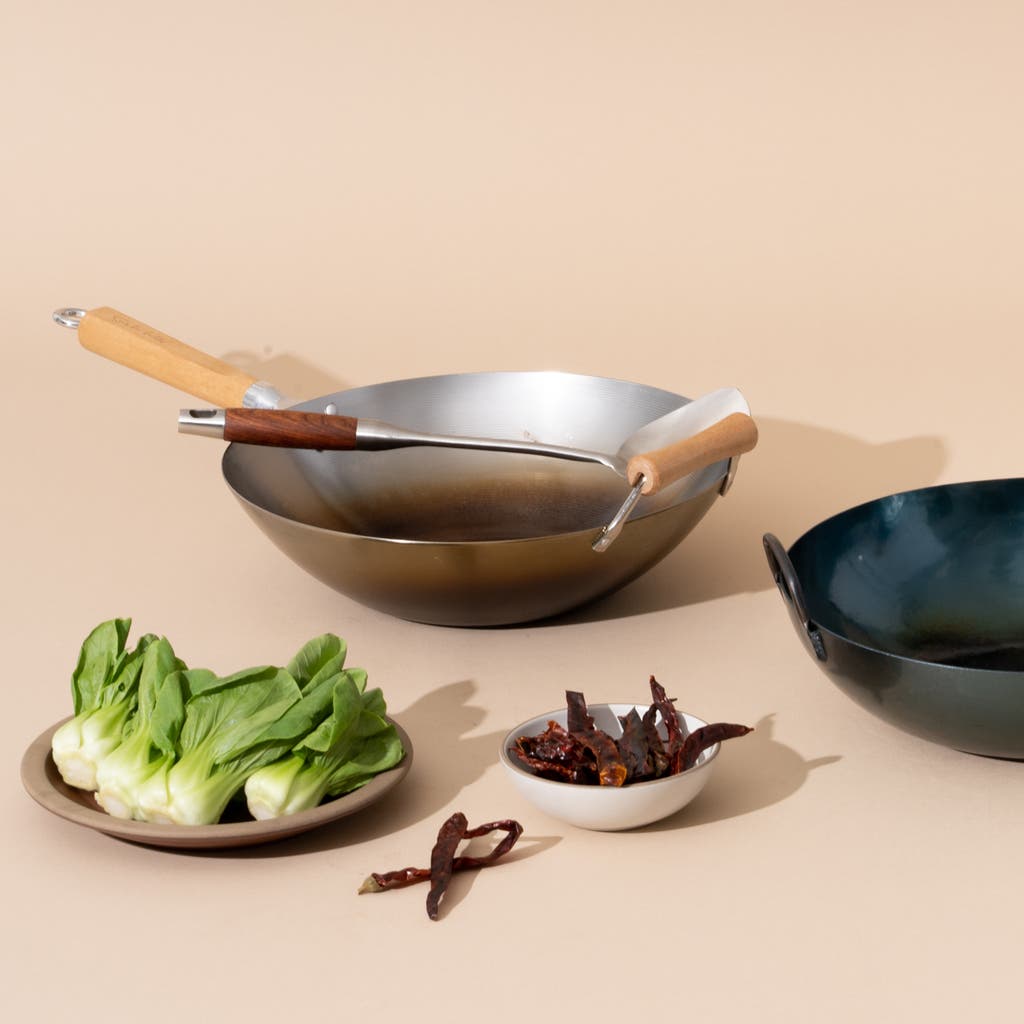
When you select a carbon steel wok, you are choosing a tool that gets better with use. The initial investment is lower than high-end stainless sets, and the long-term value is significantly higher because the material can withstand the abuse of daily high-heat cooking.
Pick the right size and base for your stove
Choosing a carbon steel wok comes down to matching the pan to your cooking surface and household size. The two biggest variables are diameter and base shape. Get these wrong, and you will struggle with uneven heating or stability. Get them right, and the wok becomes an extension of your hand.
Flat vs. round base
The base shape determines where your wok can sit. A flat base is the standard for modern kitchens. It sits securely on gas burners, electric coils, and induction cooktops. If you do not have a professional wok ring or a dedicated wok burner, a flat base is the only practical choice. It offers stability and consistent contact with the heat source.
A round base is designed for high-output gas burners. It requires a wok ring to stay stable on standard stoves. This shape concentrates heat at the center and creates the steep sides needed for traditional tossing techniques. However, it is difficult to use on induction or flat electric surfaces. Unless you have a high-BTU commercial-style gas setup, stick to flat.
12-inch vs. 14-inch diameter
Size dictates capacity and heat retention. A 12-inch wok is lighter and heats up quickly. It is ideal for one or two people. The smaller surface area makes it easier to toss ingredients without needing a large burner. However, it fills up fast when cooking for a family.
A 14-inch wok is the versatile standard. It offers enough surface area for stir-frying for three to four people without overcrowding the pan. The extra diameter allows for better evaporation and browning. It is heavier, so look for a model with a helper handle. This size fits most standard home stoves while providing professional-grade capacity.
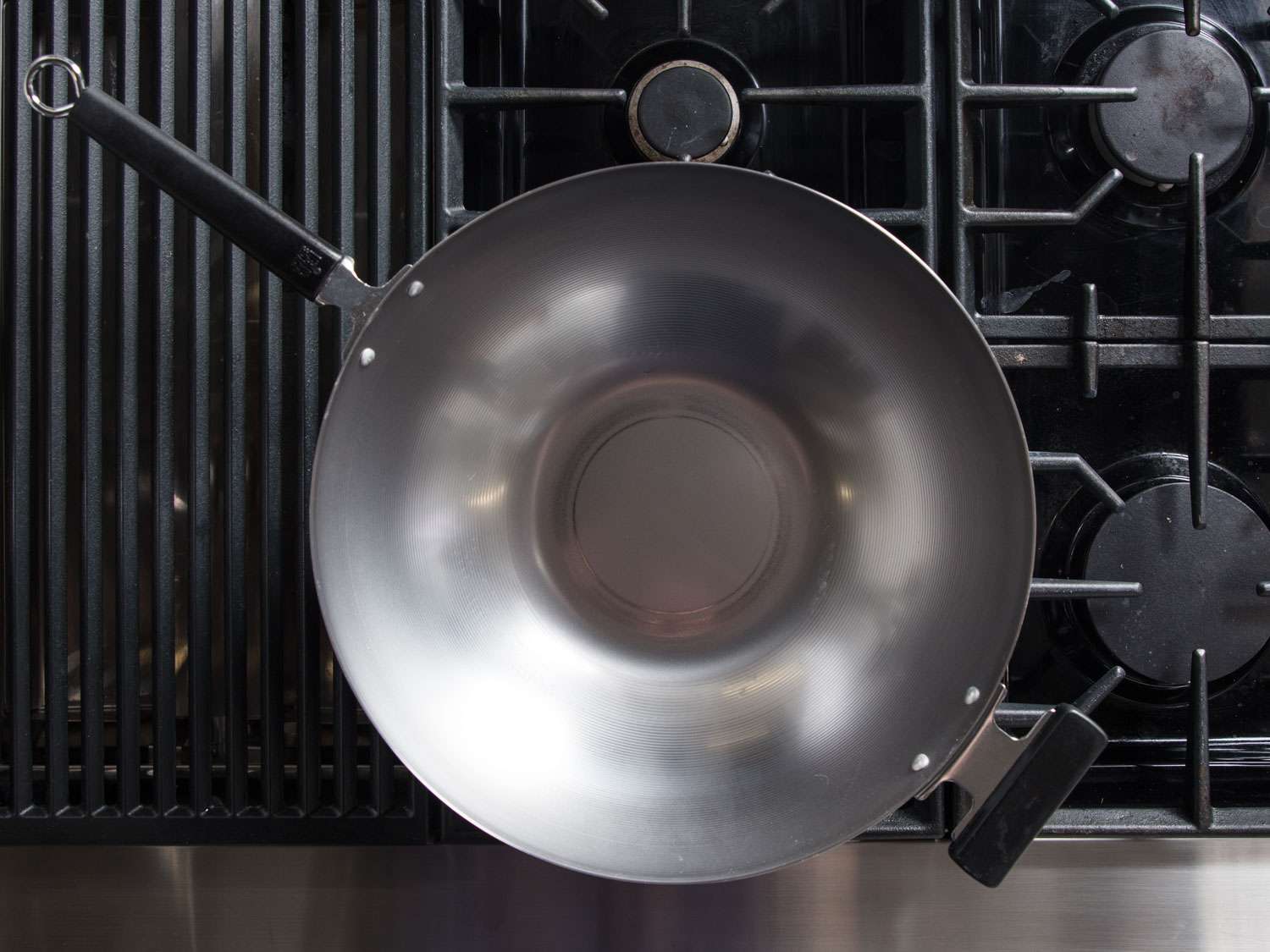
Comparison: 12-inch vs. 14-inch carbon steel woks
| Feature | 12-inch Wok | 14-inch Wok |
|---|---|---|
| Best For | 1–2 people | 3–4 people |
| Weight | Lighter, easy to toss | Heavier, needs helper handle |
| Heat Up Time | Fast | Moderate |
| Stove Fit | All types (flat base) | All types (flat base) |
| Wok Ring Needed | No | No (if flat base) |
Season your new wok
Choosing a Wok works best as a clear sequence: define the constraint, compare the realistic options, test the tradeoff, and choose the path with the fewest hidden costs. That order keeps the advice usable instead of decorative. After each step, pause long enough to check whether the recommendation still fits the reader's actual situation. If it depends on perfect timing, unusual access, or a best-case budget, include a simpler fallback.
Cook your first stir-fry
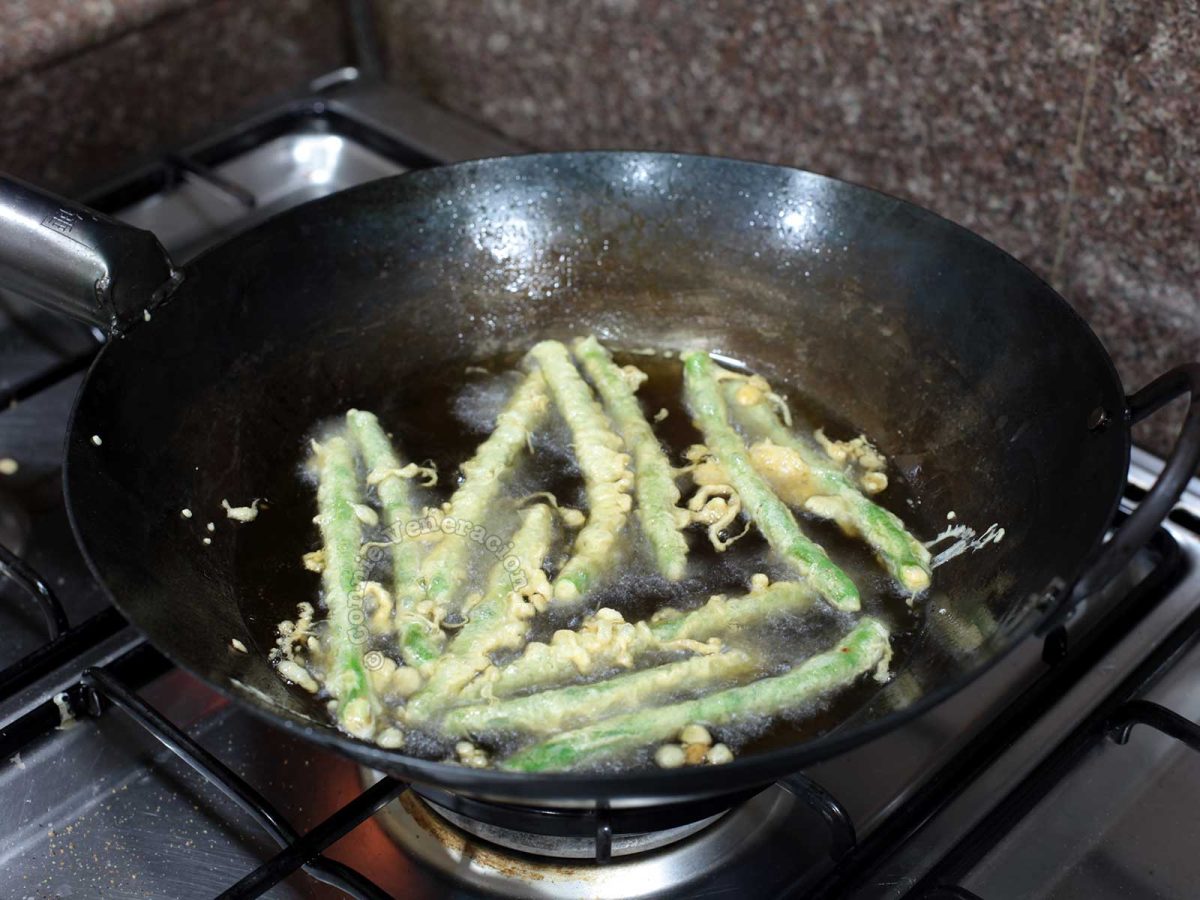
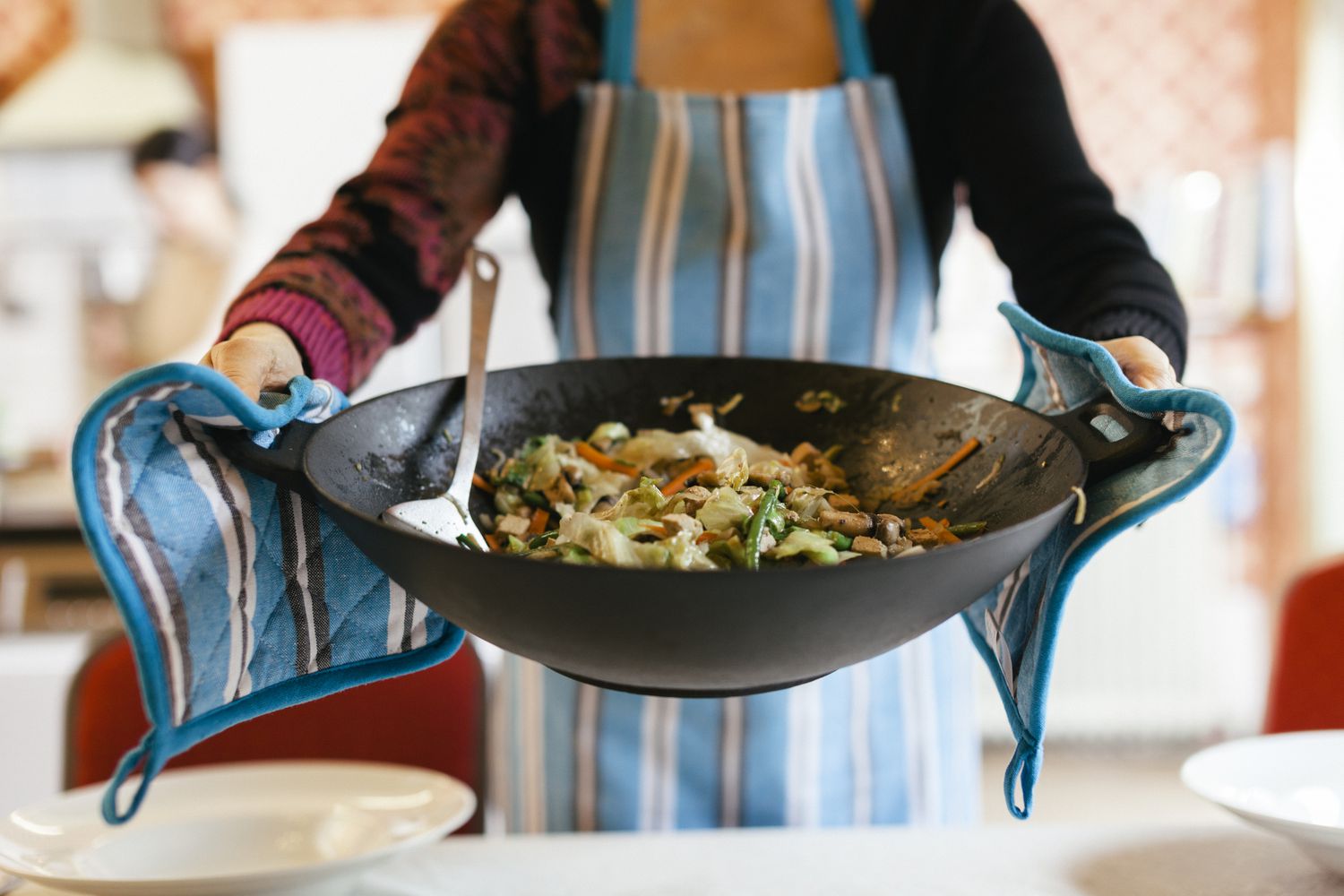
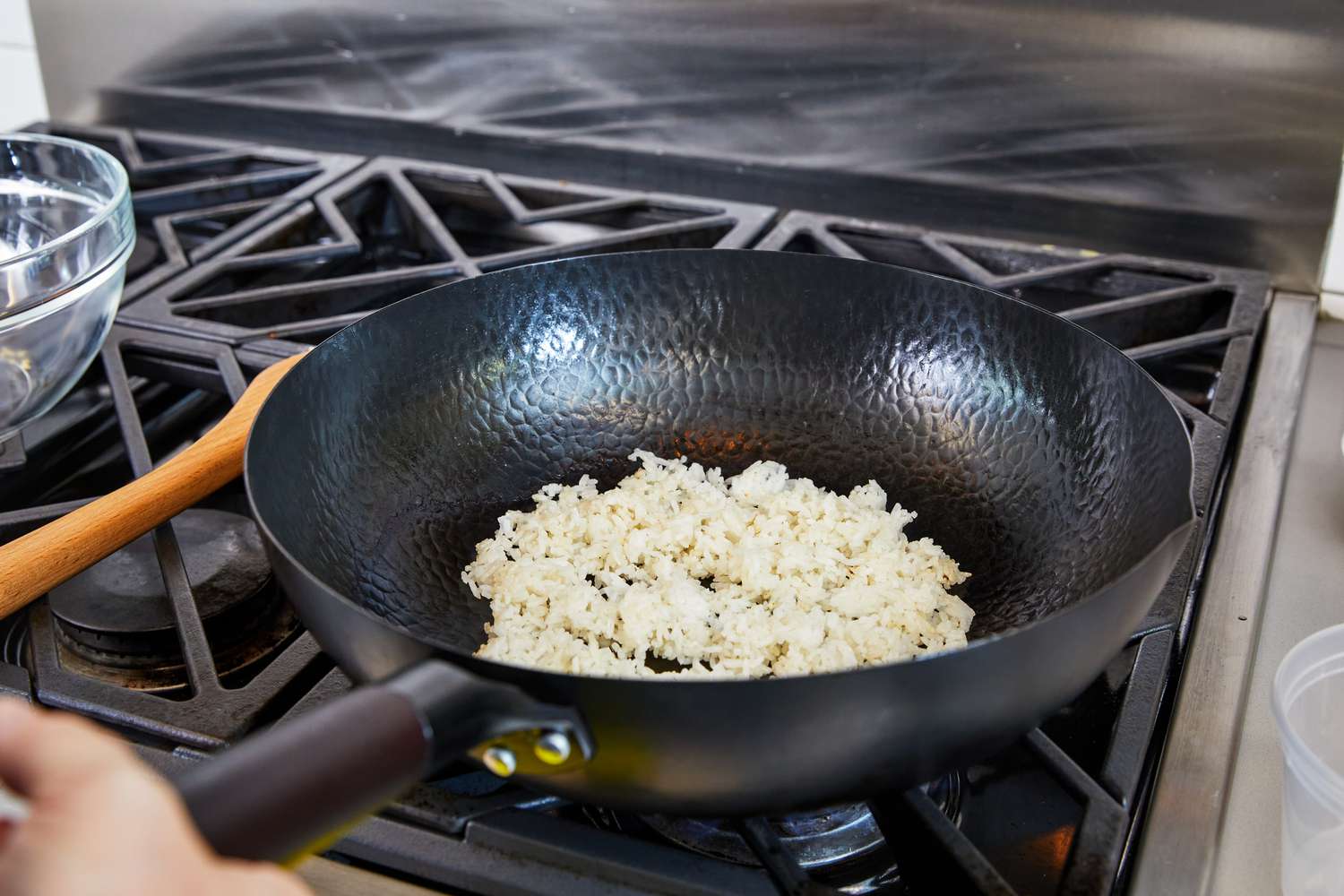
Now that you have your carbon steel wok, it is time to test its heat retention and non-stick potential. This recipe is designed to be forgiving for beginners while demonstrating why carbon steel is the preferred choice for high-heat cooking.
The key to a successful stir-fry is preparation. Carbon steel heats up fast and cools down quickly, so having everything chopped and within arm's reach is essential. This "mise en place" approach prevents burning while you wait for ingredients to cook.
Maintain your wok
A carbon steel wok is an investment in durability, but only if you protect its seasoning. Think of the polymerized oil layer like a non-stick coating that actually gets better with use. Neglecting it leads to rust and food sticking, turning your best tool into a chore.
The post-cook routine
Rinse the wok with hot water and a soft sponge or brush immediately after cooking. Avoid harsh soaps if possible, as they can strip the developing seasoning over time. If food is stuck, use a paste of salt and water to scrub it gently without damaging the surface.
Drying and oiling
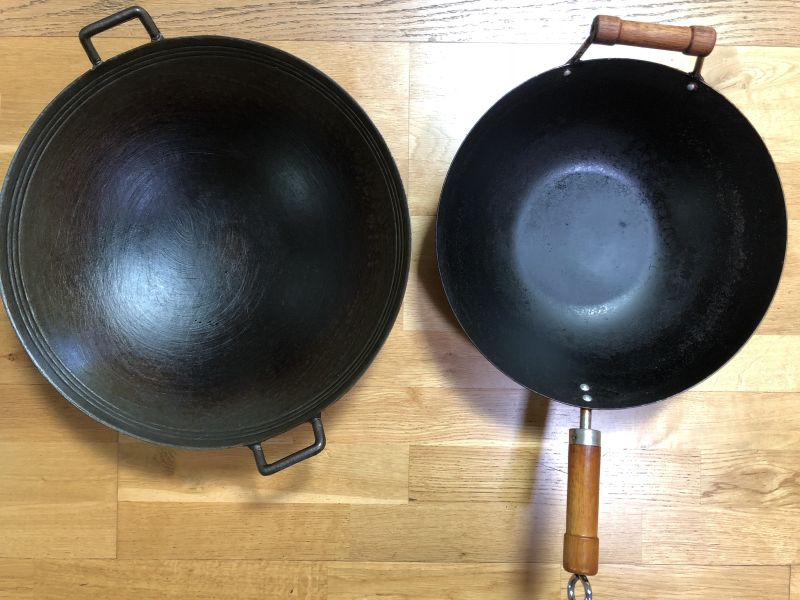
Water is the enemy of carbon steel. After rinsing, dry the wok thoroughly with a towel, then place it on the stove over low heat for two minutes to evaporate any remaining moisture. While it is still warm, apply a thin layer of neutral oil to the interior surface with a paper towel. This seals the metal and prevents oxidation.
Storage habits
Store your wok in a dry place. If stacking other pans inside it, place a paper towel between them to absorb humidity and prevent scratches. Never store the wok in a closed cabinet while it is still warm or damp, as trapped moisture will cause rust overnight.
-
Rinse with hot water and a soft brush
-
Dry thoroughly with a towel
-
Heat on stove to evaporate moisture
-
Apply a thin layer of neutral oil
-
Store in a dry, ventilated space
Common wok: what to check next
Carbon steel is the standard for a reason. It heats fast, cools down quickly when you need to control the temperature, and develops a natural non-stick patina over time. Stainless steel is durable but struggles with heat retention, making it harder to achieve that signature "wok hei" flavor.
When shopping, avoid pre-seasoned woks with thick, uneven coatings. These often chip or peel during the first few uses, leaving you with a patchy surface. Instead, buy a bare, uncoated carbon steel wok and season it yourself. This ensures the seasoning bonds directly to the metal, creating a durable, non-stick surface that improves with every meal.
Size matters more than you might think. A 12-inch wok is the sweet spot for most home kitchens. It offers enough surface area for stir-frying without being so heavy that it becomes unwieldy. If you live in a small apartment or have a lower-output stove, stick to 10-12 inches. A 14-inch wok is better suited for large families or professional kitchens with high-BTU burners.
For most home cooks, a round-bottom carbon steel wok paired with a ring stand is the best choice. It maximizes heat contact and mimics traditional Chinese cooking setups. If you have a flat glass or electric cooktop, look for a flat-bottomed carbon steel wok. These are easier to stabilize and safer for indoor use.
No comments yet. Be the first to share your thoughts!