
Get season wok right: prerequisites and prep
Before you light the burner or pour the oil, you need to clear the path. Seasoning is a chemical reaction between heat, oil, and the iron surface. If the metal isn't perfectly clean, the polymerized layer will fail to bond, leaving you with a patchy, sticky surface that flakes off during cooking.
Most carbon steel woks arrive coated in a thick, industrial machine oil. This protective layer prevents rust during shipping but prevents seasoning from sticking. You must strip this coating completely before attempting to season.
Start with a stiff brush and hot, soapy water. Scrub the interior and exterior vigorously until the water runs clear. Avoid steel wool if possible, as deep scratches can trap moisture and lead to rust later. A nylon or brass brush is sufficient to remove the factory coating without damaging the metal's integrity.
Once washed, dry the wok immediately. Any remaining water will cause instant flash-rust. Place the wok on the stove over medium heat for two minutes to evaporate all moisture. Let it cool slightly, then inspect the surface. It should be matte gray, not shiny or black. If you see any dark patches, scrub again.
The Checklist
- Remove factory coating: Use hot, soapy water and a stiff brush until the water runs clear.
- Dry completely: Heat the wok on the stove for two minutes to evaporate all moisture.
- Inspect the surface: Ensure the metal is matte gray and free of shiny or black factory residue.
Only when the wok is bare, clean, and dry are you ready to begin the actual seasoning process.
Work through the steps
The Wok Revolution works best as a clear sequence: define the constraint, compare the realistic options, test the tradeoff, and choose the path with the fewest hidden costs. That order keeps the advice usable instead of decorative. After each step, pause long enough to check whether the recommendation still fits the reader's actual situation. If it depends on perfect timing, unusual access, or a best-case budget, include a simpler fallback.
Fix common mistakes
The Wok Revolution troubleshooting should start with a clear boundary: what is actually broken, and what still works normally. Check the display, network connection, paired devices, app access, and recent updates before assuming the whole system needs a reset. A small connection failure can make the main screen feel unreliable even when the core system is fine. Work from low-risk checks to deeper resets. Confirm power state, safe parking, account access, and signal first. Then restart the interface, wait for it to reload completely, and test the original symptom. Avoid changing multiple settings at once because that makes it harder to know which step actually fixed the problem. If the issue affects safety information, repeats after every restart, or appears with warning messages, treat the reset as a temporary diagnostic step rather than the final fix. Document the symptom and move to official support instead of stacking more DIY attempts.
The simplest way to use this section is to keep the setup small, verify each change, and record the stable configuration before adding optional accessories.
Season a wok: what to check next
Helpful gear
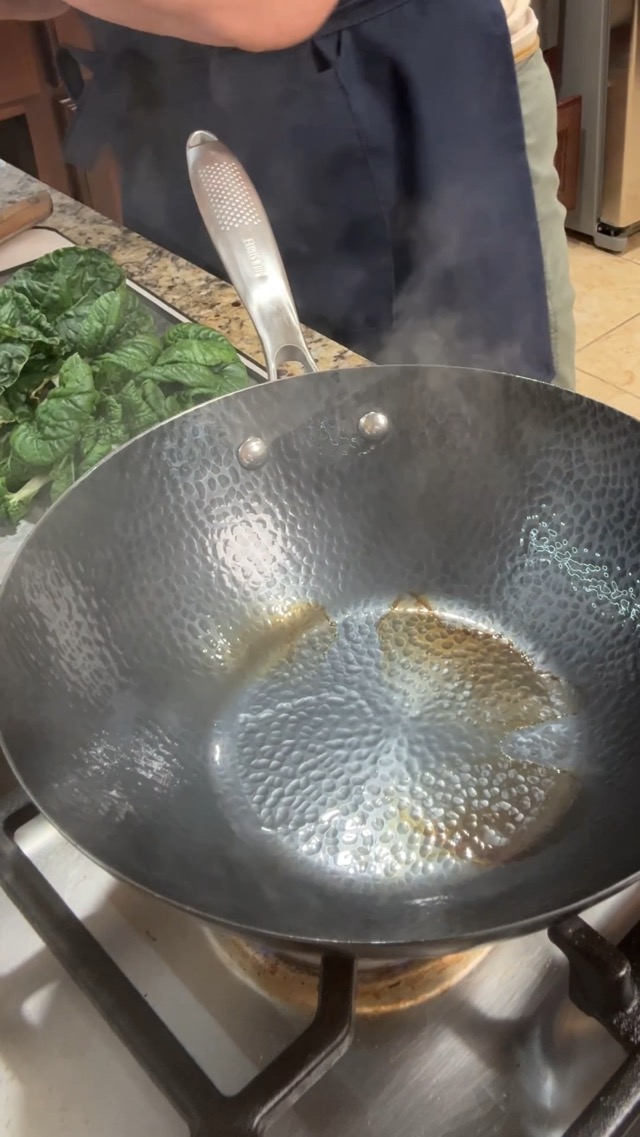
Use these product recommendations as a starting point, then choose the size, material, and price point that fit how you actually use the gear.
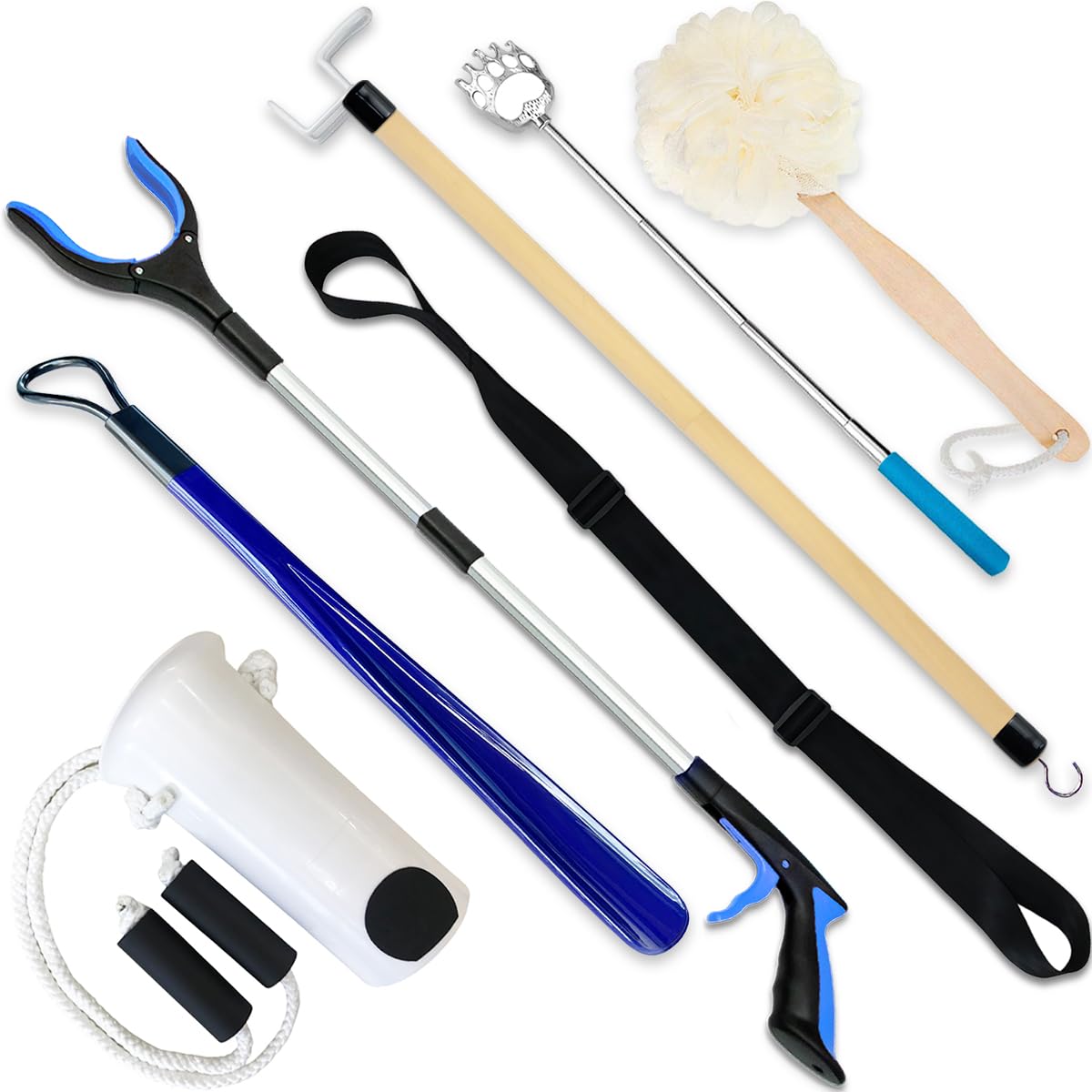
As an Amazon Associate, we may earn from qualifying purchases.
No comments yet. Be the first to share your thoughts!