

Get the Seasoning Right
Before you light the burner, you need to clear the deck. A new carbon steel wok arrives with a factory-applied coating of industrial oil or wax. This layer is designed to prevent rust during shipping, not to create a non-stick surface. If you skip cleaning it off, your seasoning will bond to the wax instead of the steel, leading to a sticky, patchy finish that flakes off after a few uses.
You also need the right tools. You will need a high-smoke-point oil such as flaxseed, grapeseed, or refined avocado oil. Avoid olive oil or butter; they burn too quickly and leave behind a gummy residue. A paper towel or a clean, lint-free cloth is essential for applying the oil thinly and evenly. A steel wool pad or stiff brush helps remove the factory coating without scratching the metal deeply.
Finally, choose a cooking surface that can handle high heat. A standard residential stovetop works fine for small to medium woks, but larger 14-inch or 16-inch woks often require a high-BTU burner to heat the entire surface evenly. If your burner is too weak, the oil will pool in the center rather than polymerizing across the sides. Ensure your kitchen is well-ventilated, as the process will produce smoke.
Work through the steps
The Wok Revolution works best as a clear sequence: define the constraint, compare the realistic options, test the tradeoff, and choose the path with the fewest hidden costs. That order keeps the advice usable instead of decorative. After each step, pause long enough to check whether the recommendation still fits the reader's actual situation. If it depends on perfect timing, unusual access, or a best-case budget, include a simpler fallback.
Common mistakes that ruin your carbon steel wok
Even with good intentions, small errors during the seasoning process can leave you with a patchy, sticky surface that sticks more than a non-stick pan. These mistakes usually stem from rushing the chemical reaction or skipping foundational steps. Here is how to avoid the most frequent pitfalls.
Using the wrong oil
Not all oils are created equal for seasoning. Oils with low smoke points, such as extra virgin olive oil or butter, will polymerize into a gummy, sticky residue rather than a hard, smooth layer. They simply cannot withstand the high heat required to bond to the metal.
Stick to oils with high smoke points and high saturation levels. Grapeseed, canola, sunflower, or refined avocado oil are the standard choices. These oils break down at higher temperatures, allowing the carbon to bond tightly to the steel, creating that dark, slick finish.
Skipping the initial blueing
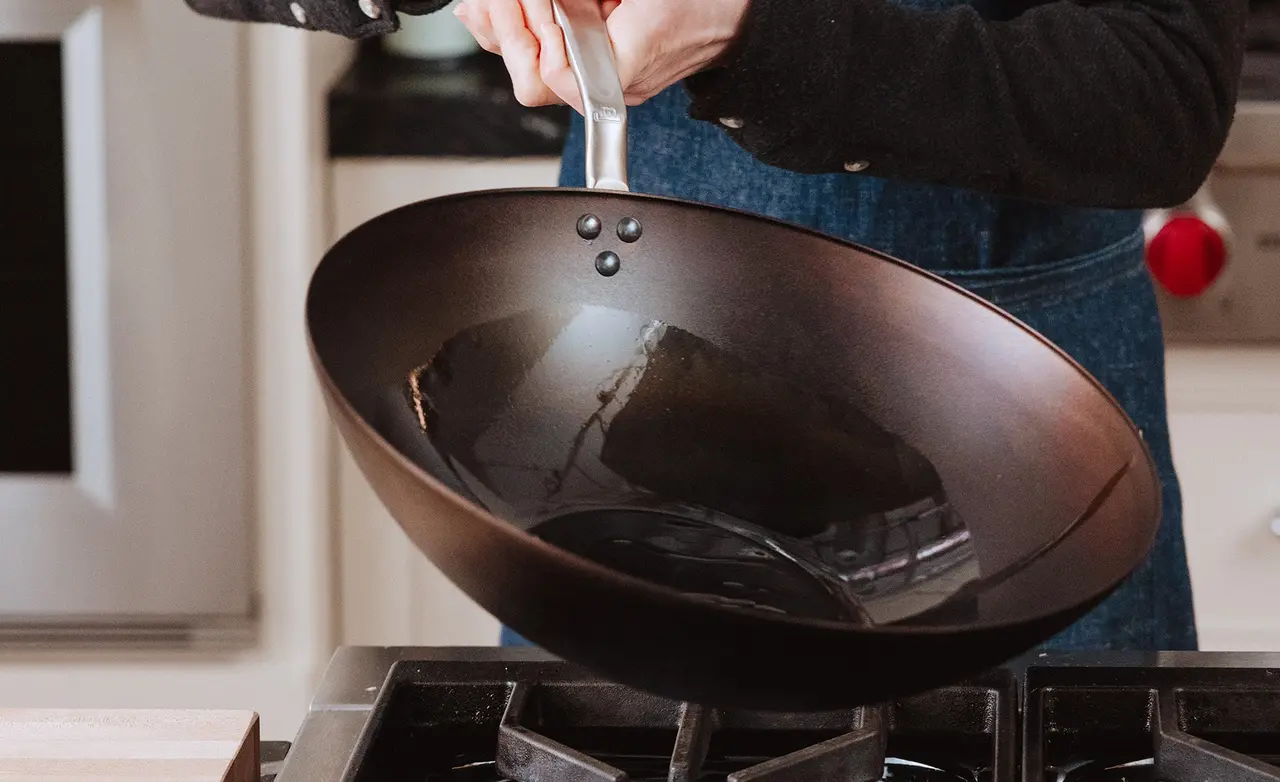
Many beginners jump straight into applying oil without first heating the wok until it changes color. This step, often called "blueing," removes factory coatings and creates a uniform oxide layer. If you skip this, your seasoning will sit on top of inconsistent residues, leading to uneven patches and poor non-stick performance from day one.
Applying oil too thickly
A common instinct is to slather the wok with oil, thinking more is better. This is a mistake. Thick layers of oil do not polymerize evenly; instead, they pool and cure into sticky, tacky spots that attract dust and food particles.
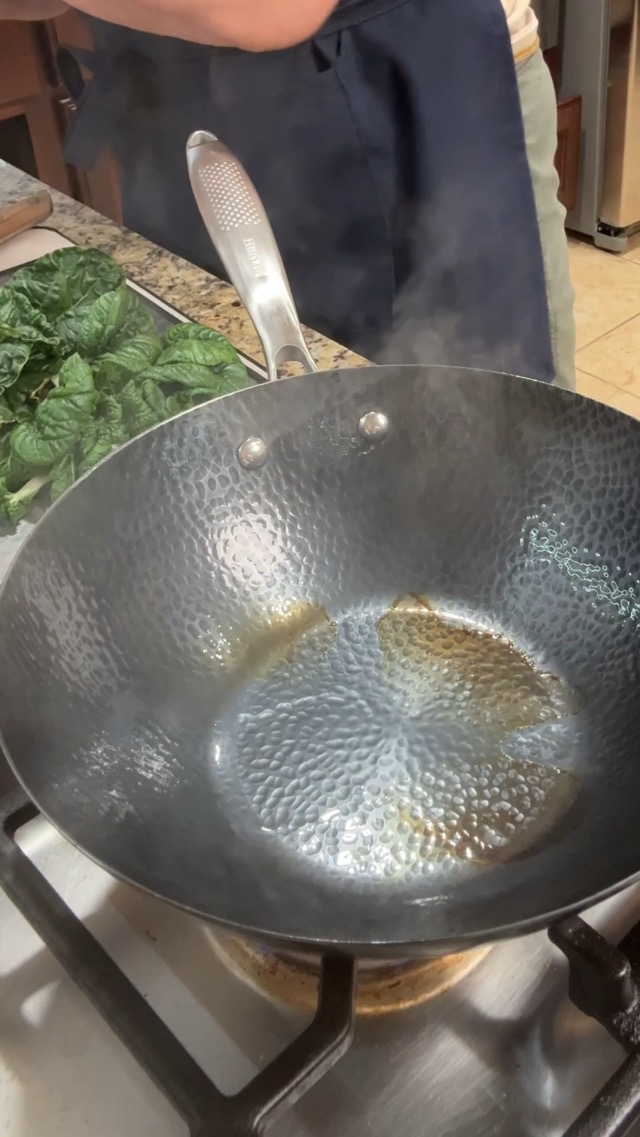
You want a microscopic layer. After heating the wok, apply a small amount of oil with a paper towel, then use a clean section of the towel to wipe away as much as possible. The wok should look dry, not wet. If you can see a sheen of pooled oil, you have applied too much.
Neglecting the handle and exterior
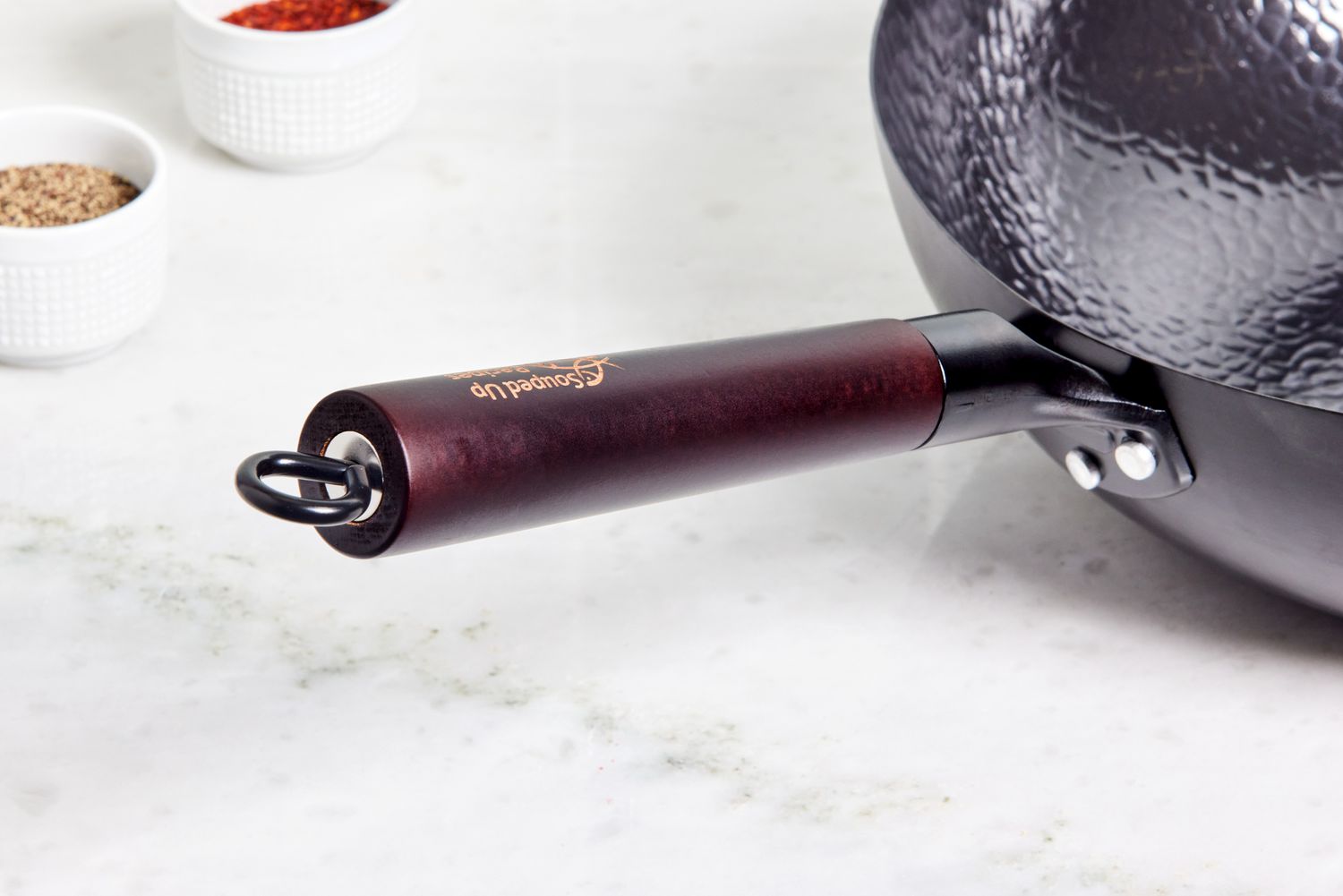
Seasoning is not just about the cooking surface. If you ignore the handle and the outside of the wok, rust can start forming on those areas, which can eventually compromise the entire pan. Heat the entire pan evenly and apply a thin coat of oil to the sides and handle as well. This ensures consistent protection and prevents rust from spreading inward.
Skipping the heat cycle
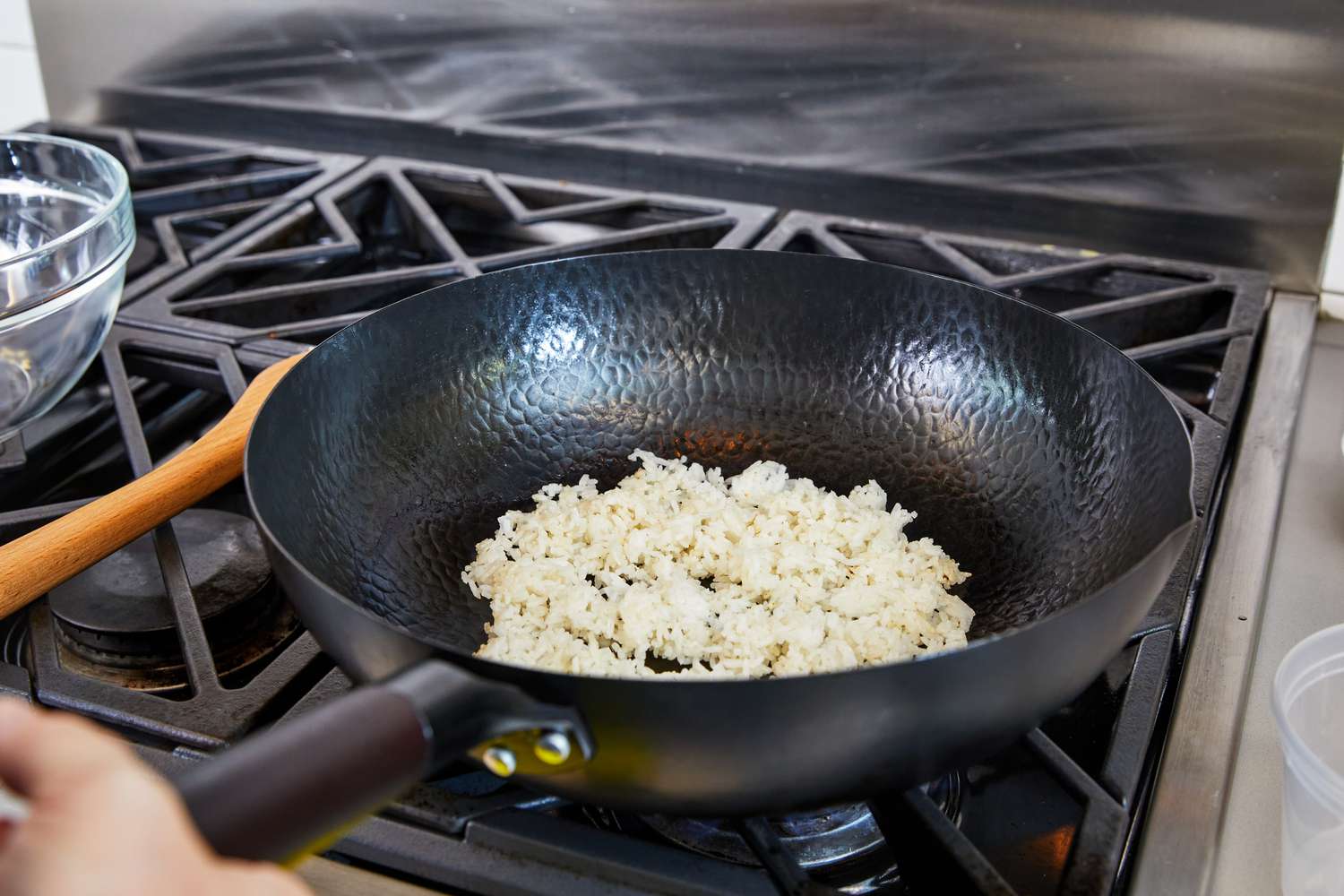
Seasoning is not a one-time event. It is a process that builds up over time. After your initial seasoning, cook fatty foods like bacon or stir-fry with oil. The heat from cooking continues to polymerize the oil layer, making it stronger and more non-stick. Do not expect a perfect surface after one attempt; it takes weeks of regular use to build up a true non-stick patina.
Season a wok: what to check next
Helpful gear
Use these product recommendations as a starting point, then choose the size, material, and price point that fit how you actually use the gear.
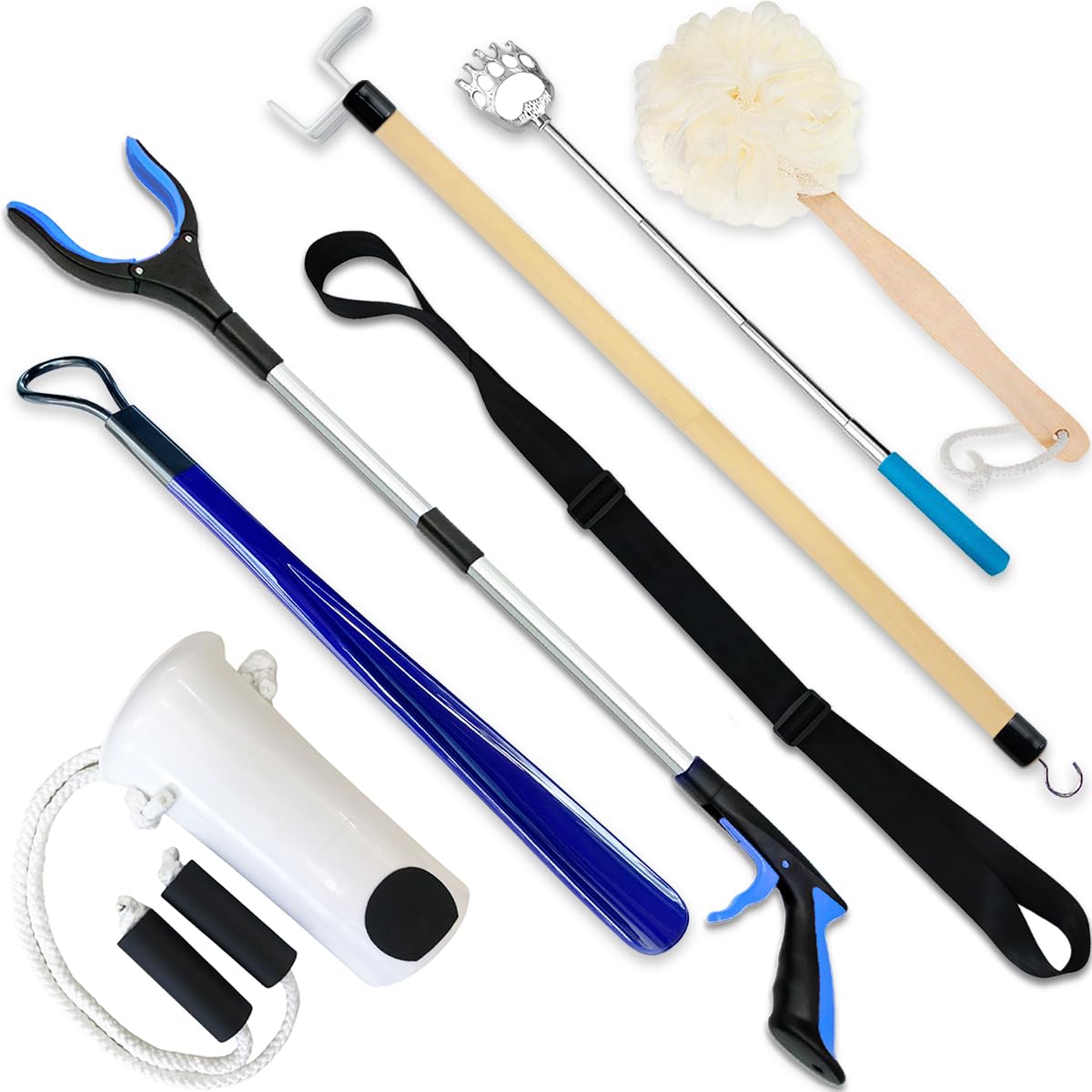
As an Amazon Associate, we may earn from qualifying purchases.
No comments yet. Be the first to share your thoughts!