

Woks Budget
Price is the first filter for any wok, but it rarely maps directly to performance in a simple linear way. A $20 carbon steel wok can outperform a $100 non-stick pan if the metal is thin enough to respond to heat but thick enough to hold it. The real tradeoff lies in weight, handle comfort, and the consistency of the factory seasoning.
For most home cooks, the sweet spot sits between $30 and $60. In this range, you get proper carbon steel that develops a patina over time. The Yosukata wok, often cited as a top performer for its light weight and even heating, usually lands here. It allows for the wrist-flicking motions required for proper stir-fry without causing fatigue. Cheaper alternatives in the $15–$25 range often lack this balance, feeling either too heavy or too flimsy.
Spending over $75 typically buys you brand prestige, thicker gauge steel for durability, or specialized shapes like the round-bottomed "wok hei" masters. The Sur La Table Professional Carbon Steel Wok, praised for its professional-like curved angles, offers a robust build but comes at a premium. Unless you are cooking daily or have specific ergonomic needs, the mid-tier options provide the best value.


As an Amazon Associate, we may earn from qualifying purchases.
Shortlist real options
We tested carbon steel woks to find the best balance of heat retention, maneuverability, and durability. The market has shifted from heavy, unseasoned cast iron to thin, responsive carbon steel that cooks faster and flips easier. Below are the top contenders that performed well in our tests, compared by their core strengths.
| Model | Best For | Key Feature | Editor Note |
|---|---|---|---|
| Yosukata 13.5" | Top Pick | Lightweight, round bottom | Fastest heat response; ideal for tossing. |
| Sur La Table Professional | Runner Up | Softly curved, carbon steel | Handles like a professional round-bottom wok. |
| Misen 12" | Best Flat Bottom | 2mm thick, preseasoned | Stable on electric/glass tops; no seasoning needed. |
| Joyce Chen Carbon Steel | Budget Pick | Inexpensive, durable | Great entry point; requires initial seasoning. |
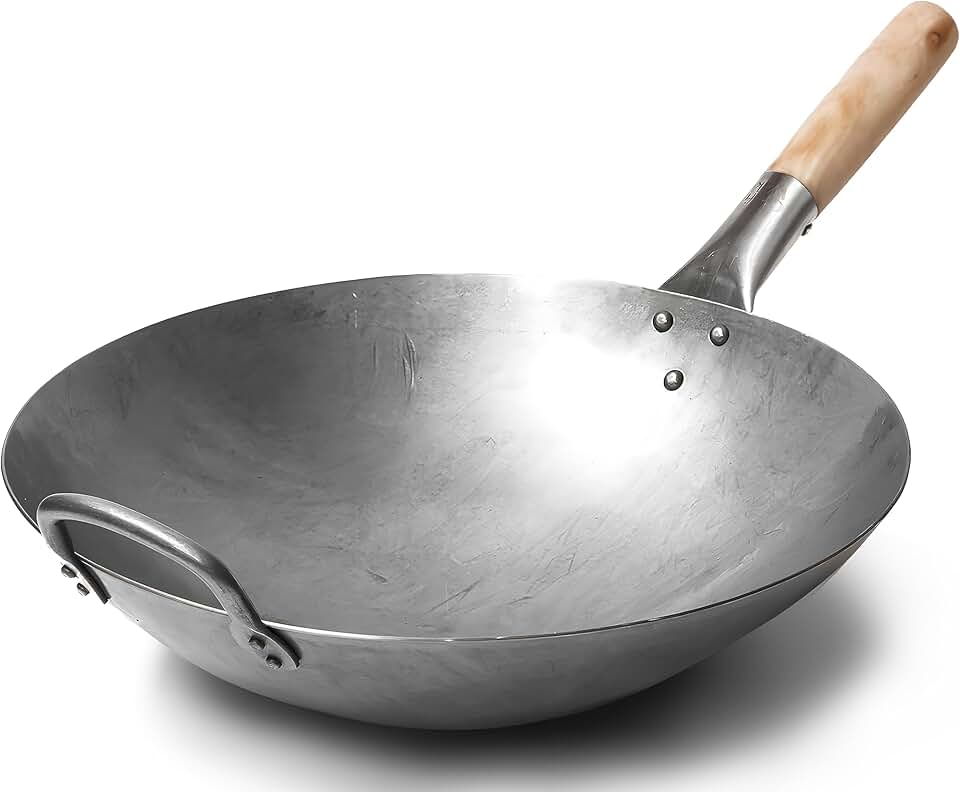
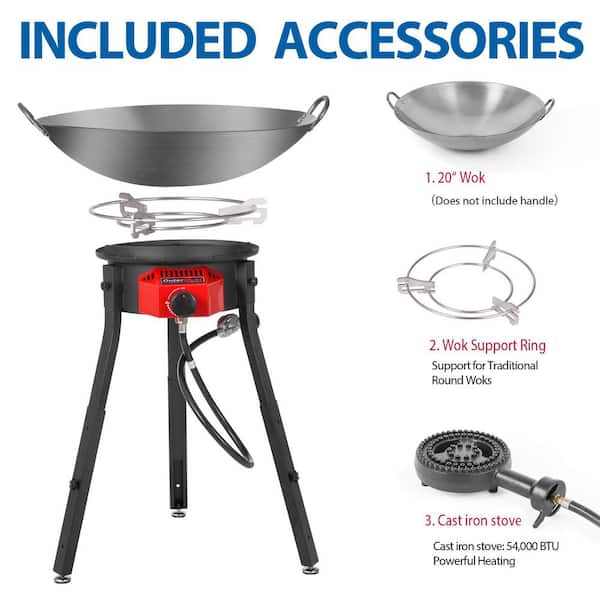
The Yosukata stands out for its light weight. It allows you to toss vegetables with minimal effort, a critical feature for achieving that characteristic wok hei (breath of the wok) at home. Its round bottom requires a ring burner or wok ring, which is standard for gas stoves.
For those with electric or induction cooktops, the Misen offers a flat bottom without sacrificing thickness. At 2mm, it heats evenly and resists warping, while coming preseasoned to save time. The Sur La Table model bridges the gap, offering a curved bottom that mimics professional kitchen performance while remaining manageable for home chefs.


As an Amazon Associate, we may earn from qualifying purchases.
When choosing, prioritize the base shape over brand name. A round bottom wok delivers superior heat distribution for stir-frying but needs a ring. A flat bottom is versatile but may not sear as aggressively on the sides. Pick the shape that matches your stove type.
Inspect the Expensive Parts
Carbon steel is durable, but it can fail if you ignore the weak points. A $40 wok that lasts five years is a better buy than a $20 one that warps in a year. When you pick up a wok, check these four areas before you buy.
Look for rivets or a solid weld. Cheap woks use thin screws that loosen when the metal expands from heat. If the handle wobbles, put it back. A loose handle is a burn hazard and a sign of poor construction.
Run your finger along the rolled rim. It should be smooth, not sharp. Check the bottom for flatness on a glass stovetop. If it rocks on your counter, it will rock on your burner, leading to uneven cooking and potential tipping.
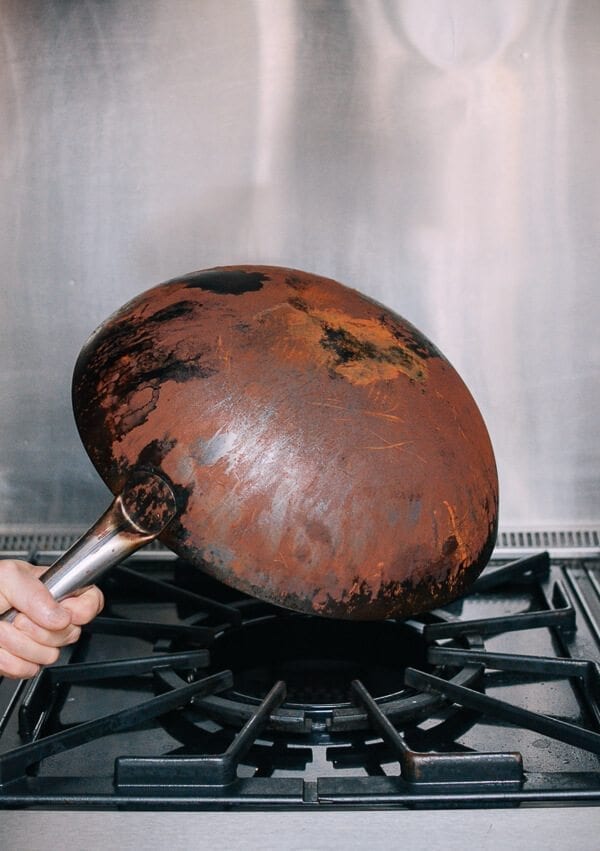
Lift it. A home wok should be light enough to toss with one hand. If it feels like a cast-iron skillet, you won’t use it for stir-fry. Look for "thin" or "lightweight" in the description. Heavy woks are for slow braising, not high-heat tossing.
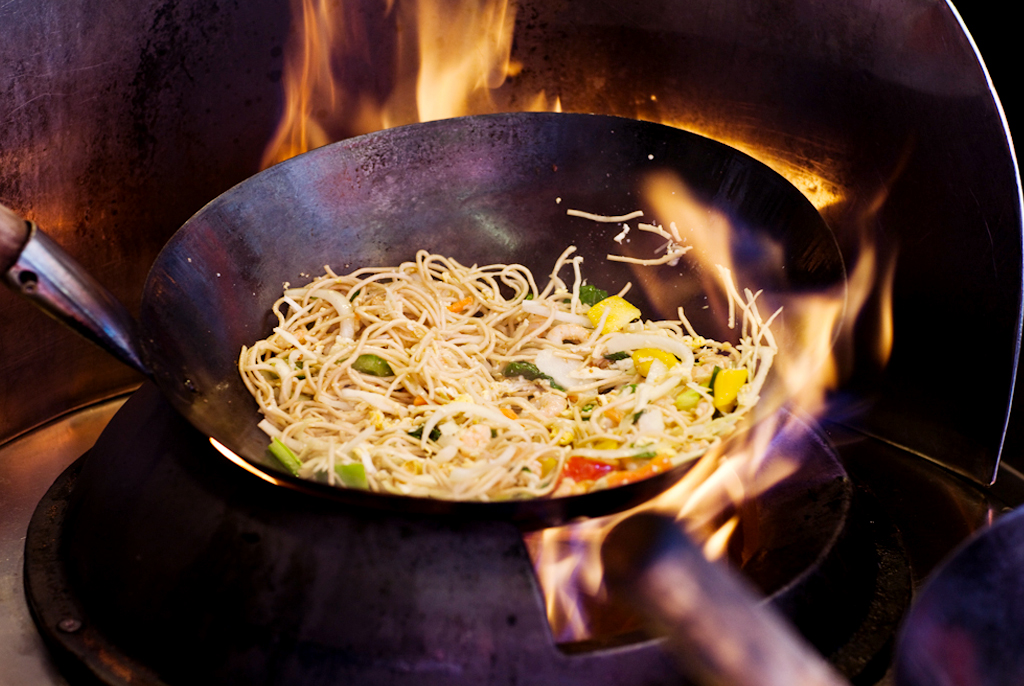
Most carbon steel woks come with a protective oil coating. Ensure it’s evenly applied. If you see patches of bare metal or rust spots, the wok has been sitting too long or stored poorly. Skip it. You’ll spend hours removing that factory finish before you can even start cooking.
Plan for ownership costs
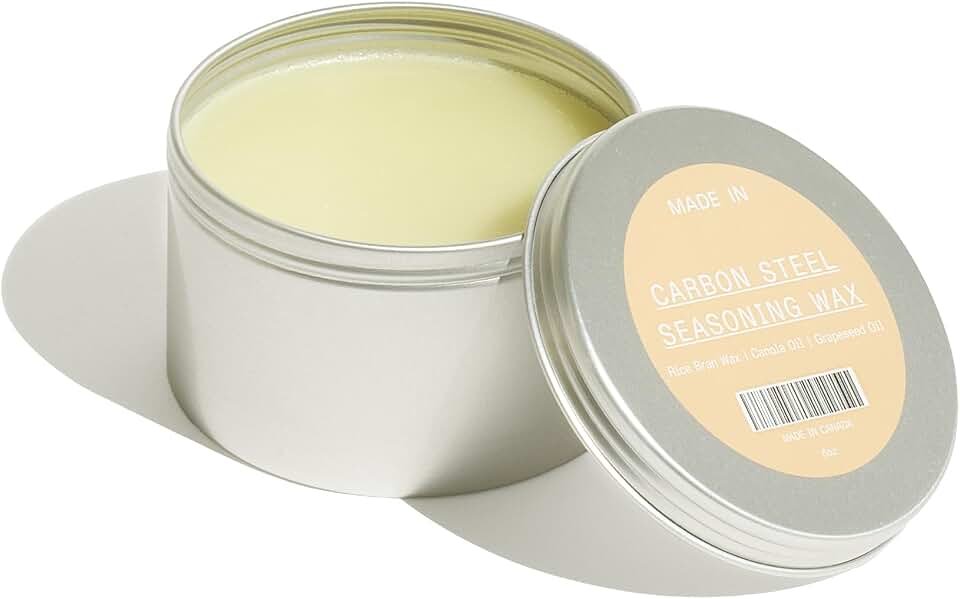
A carbon steel wok is an investment that pays dividends, but only if you account for the hidden costs of ownership. Unlike nonstick pans that need replacing every few years, a well-maintained carbon steel wok can last decades. However, the initial purchase price is just the entry fee. You must also budget for seasoning supplies, proper cleaning tools, and occasional maintenance to prevent rust.
Maintenance Surprises
Many home chefs underestimate the labor required to keep a carbon steel wok in top shape. Seasoning isn't a one-time event; it's an ongoing process. Over time, the polymerized oil layer wears down, especially if you cook acidic foods frequently or use abrasive scrubbers. You'll need to re-season the pan periodically, which involves cooking with oil and heating the wok to high temperatures. This process can take an hour or more and requires ventilation.
Cleaning is another area where surprises lurk. You can't just toss your wok in the dishwasher. Hand washing is mandatory, and you must dry it thoroughly immediately after washing to prevent rust. If you live in a humid climate, you might find yourself oiling the pan after every use. These small habits add up, turning a simple cooking tool into a daily ritual.
When a Cheap Buy Stops Being Cheap
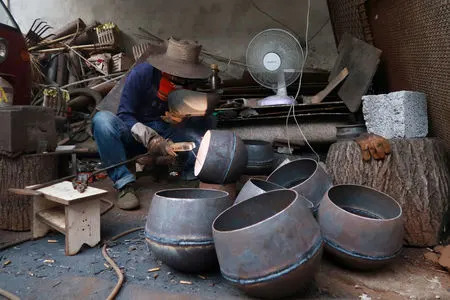
The cheapest woks often cost less but deliver less. Thin, unevenly stamped steel heats poorly and warps quickly, leading to hot spots that burn food. You might save $20 upfront, but you'll spend more on gas or electricity to compensate for inefficient heat distribution. Worse, you may end up replacing the pan within a year or two.
Investing in a mid-range carbon steel wok, such as the Yosukata or Sur La Table Professional models, offers better value. These woks are thicker, heat more evenly, and hold their seasoning better. They also tend to be lighter and easier to handle, making them more enjoyable to use. The initial cost is higher, but the longevity and performance justify the expense. Think of it as buying a pair of good boots: you pay more upfront, but they last longer and serve you better.


As an Amazon Associate, we may earn from qualifying purchases.
Woks: what to check next
You still have questions before buying a carbon steel wok. Here are the most common ones.
What is the best wok on the market?
For most home cooks, the Yosukata 13.5-Inch Carbon Steel Wok is the top choice. It heats quickly and evenly, and its light weight makes it easy to toss ingredients. Wirecutter points to the Sur La Table Professional Carbon Steel Wok as a strong alternative, especially if you prefer a slightly flatter bottom for stability on glass cooktops.
What kind of wok do Chinese chefs use?
Traditional Chinese chefs typically use a round-bottomed carbon steel wok. This shape concentrates heat at the center, allowing for the high-heat searing required for authentic stir-frying. However, this design requires a wok ring on electric or gas stoves to keep it stable. For modern home kitchens, a flat-bottomed version is often more practical and safer.
What is the healthiest type of wok to buy?
Carbon steel is widely considered the healthiest option because it is naturally non-stick when properly seasoned. Unlike non-stick coatings that can degrade over time, a well-maintained carbon steel wok develops a polymerized layer that improves with use. It also avoids the potential chemical concerns associated with Teflon-based coatings.
Which Chinese wok is best?
While "best" depends on your stove and cooking style, the Yosukata and Sur La Table models consistently rank highest for performance and durability. Look for thin, machine-spun carbon steel that weighs less than 3 pounds. This ensures the wok heats up fast and is light enough to lift and toss with one hand.
No comments yet. Be the first to share your thoughts!