
Woks 2026 choices that change the plan
Wok Buying works best when the purchase path is explicit. Verify the source, compare the offer against real alternatives, check the total cost, and confirm what happens after payment before you decide. After each comparison, write down the one risk that would change your mind. If the seller, condition, support, warranty, shipping, or upkeep still feels uncertain, resolve that question before moving to checkout.
| Factor | What to check | Why it matters |
|---|---|---|
| Fit | Match the option to the primary use case. | A good deal still fails if it does not fit the job. |
| Condition | Verify age, wear, and service history. | Hidden condition issues erase upfront savings. |
| Cost | Compare purchase price with likely upkeep. | The cheapest option is not always the lowest-cost option. |
Where each option wins
Carbon steel and non-stick woks serve different cooking styles. Your choice should depend on how you cook, not just budget.
Choose carbon steel if you want professional results
Carbon steel woks are the standard for stir-frying. They heat up fast and hold heat well, which is essential for the high-heat searing that defines good stir-fry. The surface develops a natural non-stick patina over time, meaning less oil and better flavor.
This option is best for home chefs who cook frequently. It requires seasoning and hand-washing, but the payoff is a wok that improves with age. It works best on gas burners, where the flame can wrap around the curved bottom for even cooking.
Choose non-stick for convenience and low-fat cooking
Non-stick woks are easier to maintain. You can use metal utensils (usually) and wash them in the dishwasher. They require no seasoning and are ready to use out of the box.
This is the right choice for beginners or those who cook less often. It is also better for low-fat cooking, as food releases easily without extra oil. However, non-stick coatings wear out over time and cannot handle the extreme heat of professional wok cooking.


As an Amazon Associate, we may earn from qualifying purchases.
Details Worth Checking
Before you buy a wok, verify the fine print. Manufacturers often list ideal conditions that differ from your actual kitchen setup. A mismatch in handle design, bottom shape, or coating warranty can turn a high-performing pan into a cooking hazard or a storage nightmare.
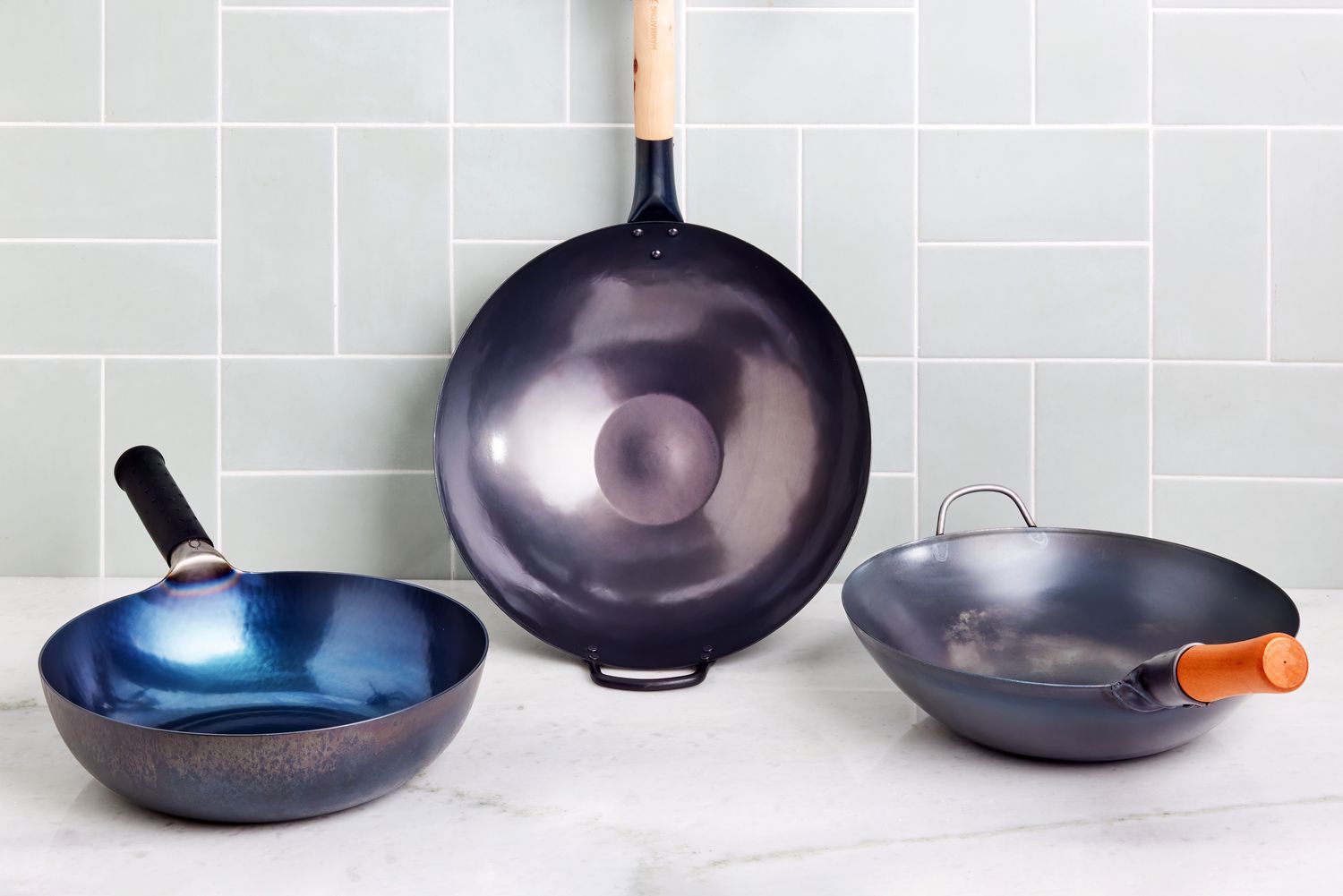
Carbon steel woks transfer heat rapidly to their handles. Check if the handle is detached (riveted only) or fully welded. Detached handles stay cooler but can wobble under heavy loads. If the handle is plastic or wood, confirm its maximum temperature rating; many cheap polymer grips melt during high-heat stir-frying.
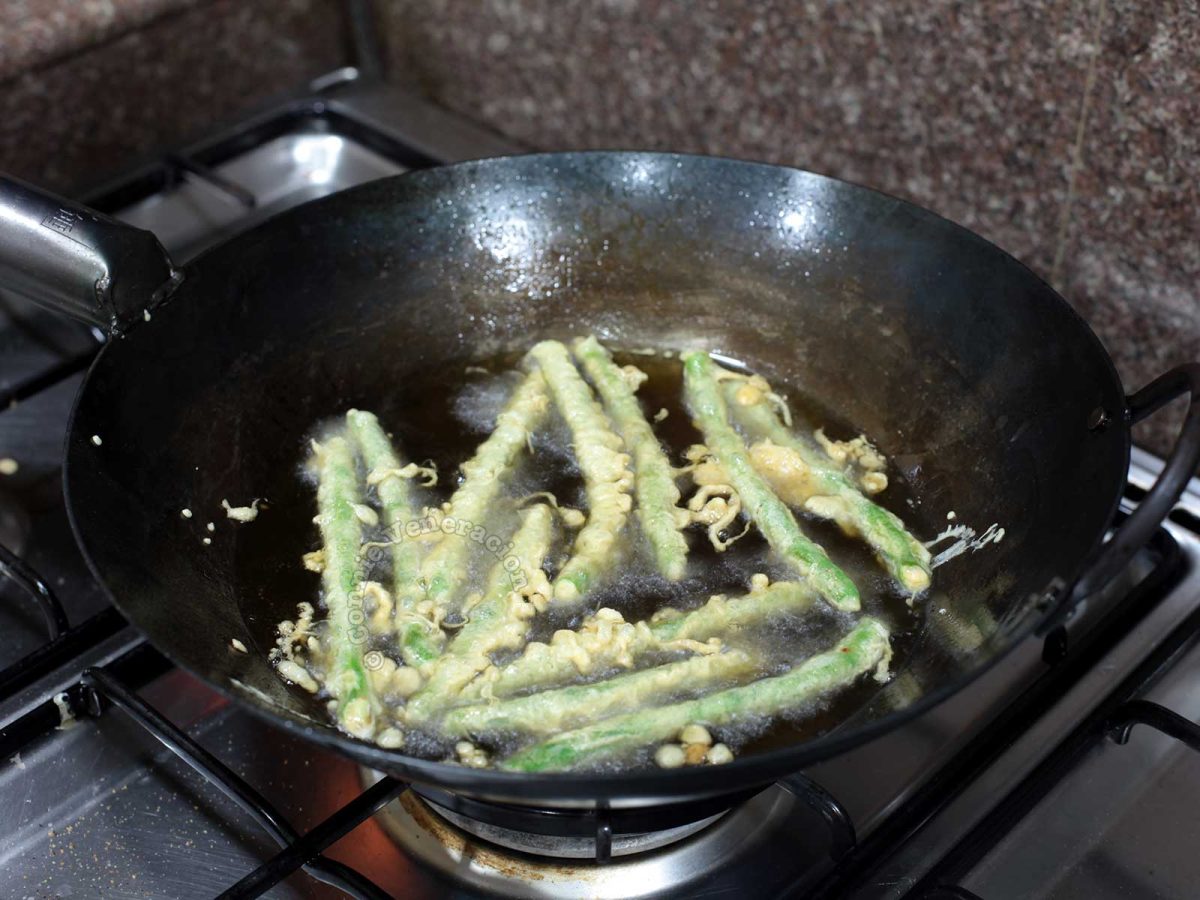
A round-bottom wok requires a wok ring or a gas burner with a specific grate. If you use an electric coil or flat glass-top stove, you must buy a flat-bottom model. Ensure the flat base is thick enough to prevent warping; thin stamped steel bases often buckle under high heat, creating hot spots that burn food.
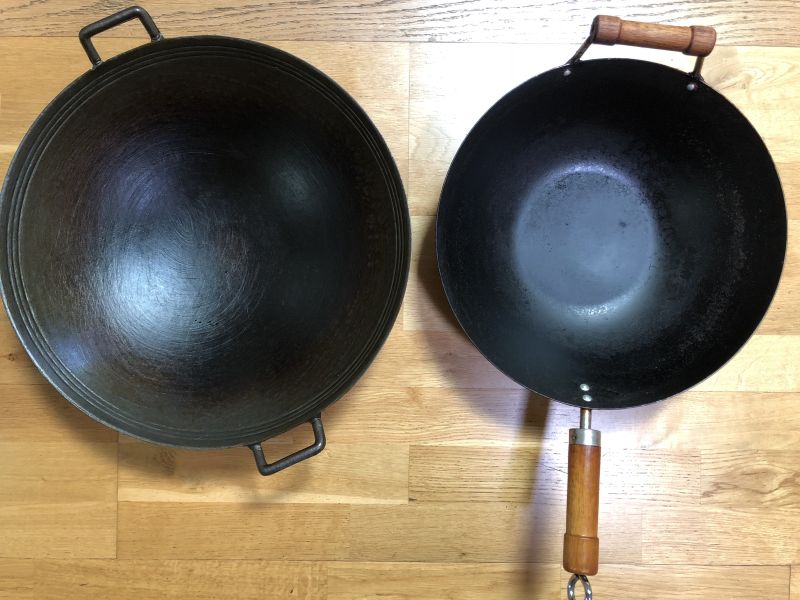
Non-stick coatings void warranties if you use metal utensils or abrasive scrubbers. Many manufacturers exclude "normal wear" from coverage, meaning scratches that appear after a few months are not covered. Read the warranty terms carefully to see if they require registration within a specific timeframe to remain valid.
Woks 2026: what to check next
Choosing between carbon steel and non-stick often comes down to how you cook and what you’re willing to maintain. Carbon steel offers superior heat retention and a natural non-stick surface that improves with use, but it requires seasoning and hand washing. Non-stick woks are easier to clean and gentler on utensils, but they can’t handle the high heat needed for authentic wok hei or last as long.
No comments yet. Be the first to share your thoughts!