

Get your wok ready for seasoning
Before you turn on the stove, you need to strip away the factory coating and ensure the surface is clean. Most new carbon steel woks arrive with a layer of industrial oil or wax designed to prevent rust during shipping. If you skip this step, that residue will burn into your seasoning, creating a sticky, bitter layer that won’t cure properly.
Start by washing the wok with hot water and a small amount of mild dish soap. Use a sponge or a soft brush to scrub the interior and exterior thoroughly. Unlike cast iron, carbon steel can handle soap without damaging the metal. Rinse it well and dry it immediately with a towel to prevent water spots.
Next, inspect the surface. If there is any visible residue or a dull, waxy film, scrub it again. Some cooks prefer to heat the wok slightly to help loosen stubborn factory coatings, but a good wash with hot water and soap is usually sufficient. Once clean, dry the wok completely over low heat for a few minutes to evaporate any remaining moisture. A dry surface is essential for the oil to bond correctly during the seasoning process.
Work through the steps
The Wok Upgrade works best as a clear sequence: define the constraint, compare the realistic options, test the tradeoff, and choose the path with the fewest hidden costs. That order keeps the advice usable instead of decorative. After each step, pause long enough to check whether the recommendation still fits the reader's actual situation. If it depends on perfect timing, unusual access, or a best-case budget, include a simpler fallback.
Fix common carbon steel seasoning mistakes
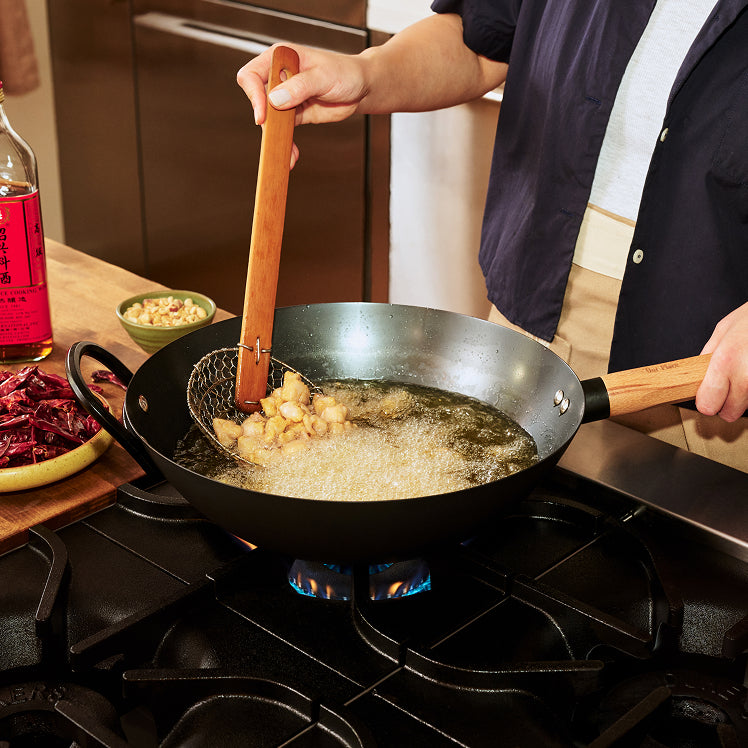
Most non-stick failures come from skipping steps or rushing the process. Carbon steel needs polymerization, not just oil. When you skip the blueing stage or use the wrong oil, you end up with sticky residue that flakes off when you cook.
Skipping the initial blueing
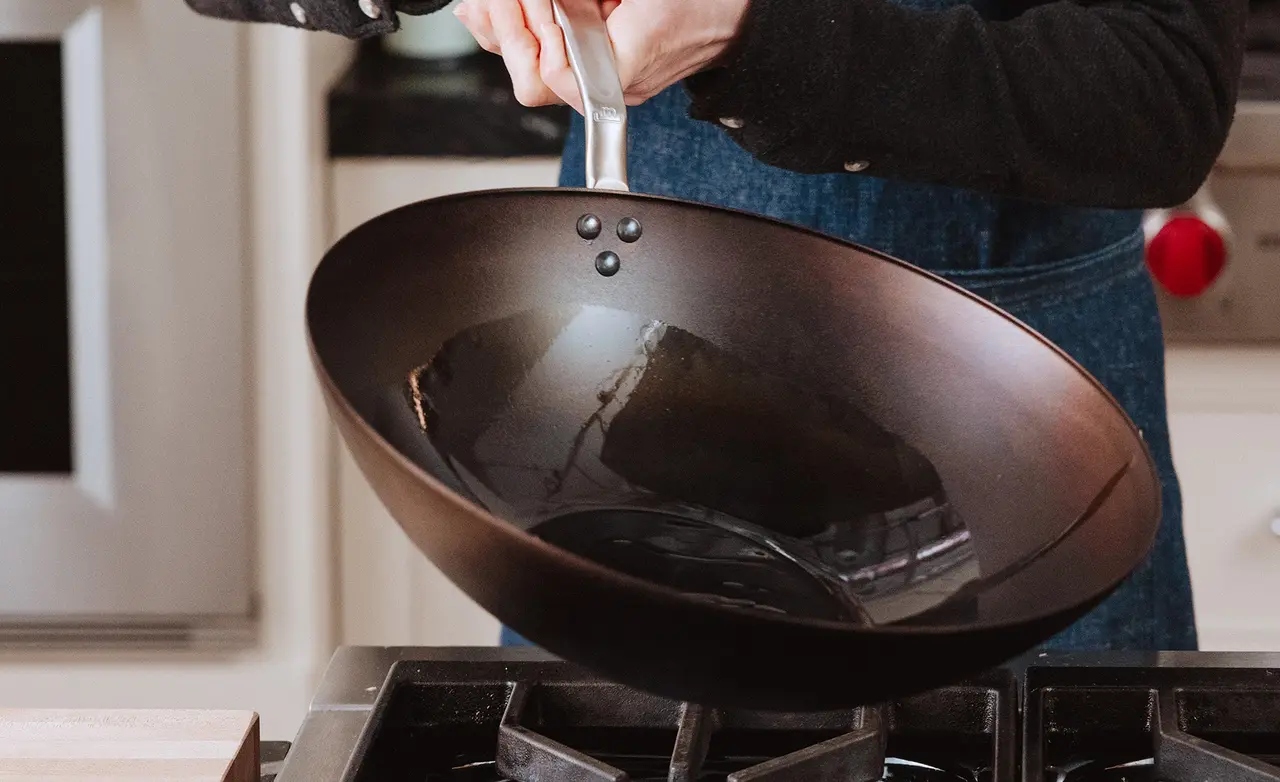
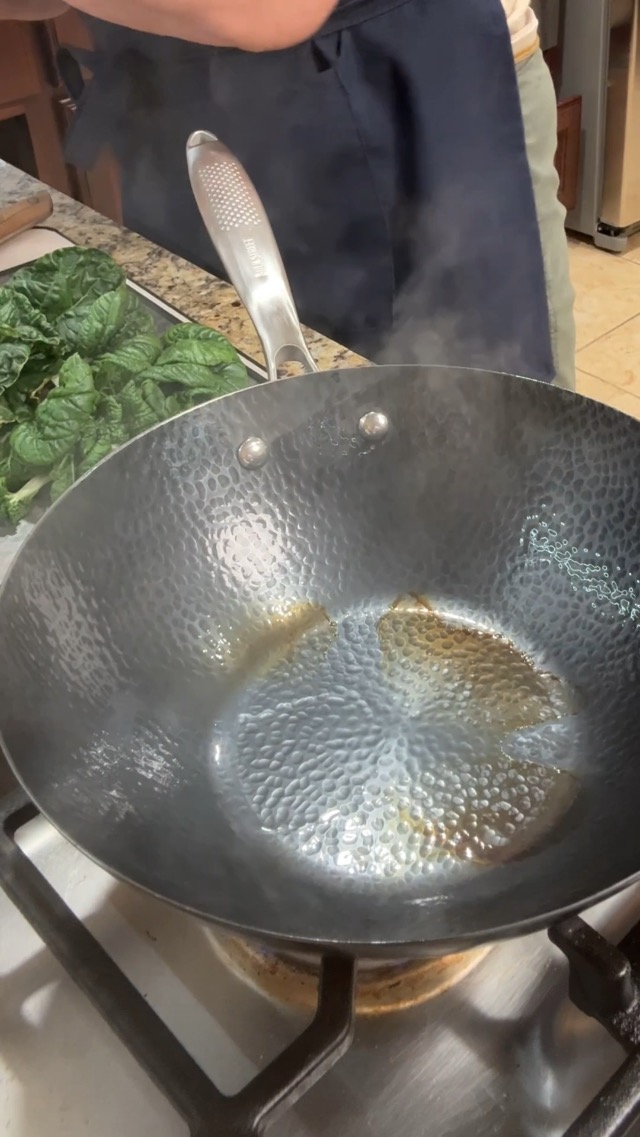
Raw carbon steel is gray and porous. If you start seasoning immediately, the oil sits on the surface rather than bonding to the metal. You must heat the wok until it turns blue or black. This process, called bluing, closes the pores and creates a base layer for the seasoning. Skipping this means your first coat of oil has nothing to grip, leading to patchy, uneven non-stick performance.
Using the wrong oil
Not all oils polymerize equally. Oils high in water content, like extra virgin olive oil or butter, will smoke excessively and leave a gummy, sticky residue instead of a hard shell. You need an oil with a high smoke point and low water content. Grapeseed, canola, or refined avocado oil are ideal because they break down into a hard, durable plastic-like layer when heated properly.
Over-oiling the surface
Seasoning is about thin layers, not a bath. If you pour oil directly into the pan or use a thick layer, it pools in the bottom and creates sticky spots. Instead, apply a tiny amount of oil to a paper towel and wipe the entire interior surface. The goal is a microscopic film, not a visible sheen. Excess oil attracts dust and food particles, turning your wok into a magnet for gunk rather than a non-stick surface.
Ignoring rust spots
Carbon steel rusts quickly if left wet. If you see tiny red spots, do not cook on them. Scrub the rust off with steel wool or salt, rinse, dry thoroughly, and apply a fresh thin layer of oil. Cooking over rust introduces metallic flavors and compromises the non-stick barrier. Regular maintenance prevents rust from becoming a major issue.
Season a wok: common: what to check next
Seasoning a carbon steel wok isn't magic; it's chemistry. The goal is polymerization—turning liquid oil into a solid, non-stick layer through heat. Here are the answers to the most practical questions about building that patina.
Helpful gear
Use these product recommendations as a starting point, then choose the size, material, and price point that fit how you actually use the gear.
As an Amazon Associate, we may earn from qualifying purchases.
No comments yet. Be the first to share your thoughts!