

Get the Seasoning Right
Seasoning a carbon steel wok is less about chemistry and more about preparation. Before you light the stove, you need to ensure the metal is ready to accept the polymerized oil layer that creates non-stick performance and that signature 'wok hei' flavor. Skipping these prerequisites leads to patchy seasoning, rust, or a sticky surface that flakes off during cooking.
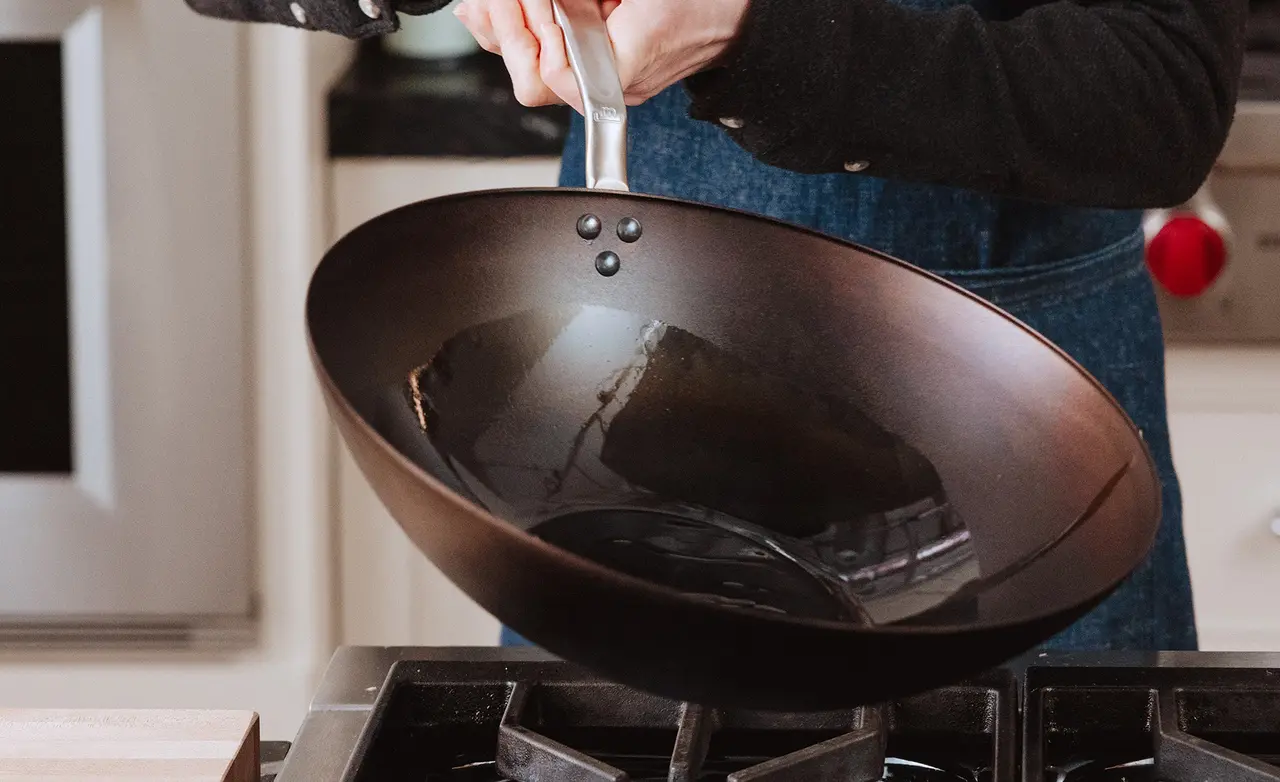
First, strip the wok of any factory-applied protective oil. These coatings are designed to prevent rust during shipping, not for cooking. Scrub the interior and exterior thoroughly with hot water and a stiff brush or abrasive sponge. Do not use harsh chemical degreasers, as they can leave residues that interfere with bonding. Rinse well and dry immediately with a towel, then place the wok on the stove over medium heat for two minutes to evaporate any hidden moisture. Let it cool slightly until it is warm to the touch but safe to handle.
Next, inspect the surface for imperfections. Look for deep scratches or pitting where food can stick and rust can start. If the wok is brand new and has a rough texture, a light scrub with coarse salt and a potato can help smooth the surface. Avoid using soap unless absolutely necessary for removing heavy grease, as modern dish soaps are mild enough that they won’t strip your initial layer if you’re careful. The goal is a perfectly clean, dry canvas ready for the first application of oil.
Work through the steps
The Wok Revival works best as a clear sequence: define the constraint, compare the realistic options, test the tradeoff, and choose the path with the fewest hidden costs. That order keeps the advice usable instead of decorative. After each step, pause long enough to check whether the recommendation still fits the reader's actual situation. If it depends on perfect timing, unusual access, or a best-case budget, include a simpler fallback.

Fix common mistakes
Most carbon steel woks fail not because the metal is bad, but because the seasoning process is rushed or misunderstood. The goal is polymerized oil, not a sticky varnish. When you skip steps or choose the wrong fat, you end up with a patchy, gummy surface that flakes off the first time you cook.
Here are the errors that ruin the finish and how to correct them.
Using the wrong oil
Many beginners reach for olive oil, butter, or extra virgin varieties because they are common in the pantry. These oils have low smoke points and high water content. Instead of bonding to the steel, they burn, smoke excessively, and leave behind a sticky residue that attracts dust and food particles.
Use oils with high smoke points. Grapeseed oil is the standard choice for its neutral flavor and stability. Canola or vegetable oil works well too. Peanut oil is excellent if you have it, adding a subtle nuttiness without compromising the non-stick surface.
Skipping the initial degreasing
New woks arrive coated in a thin layer of industrial machine oil to prevent rust during shipping. If you season over this layer, the polymerized oil will never adhere properly to the steel. It sits on top of the grease, creating a barrier that prevents the seasoning from bonding.
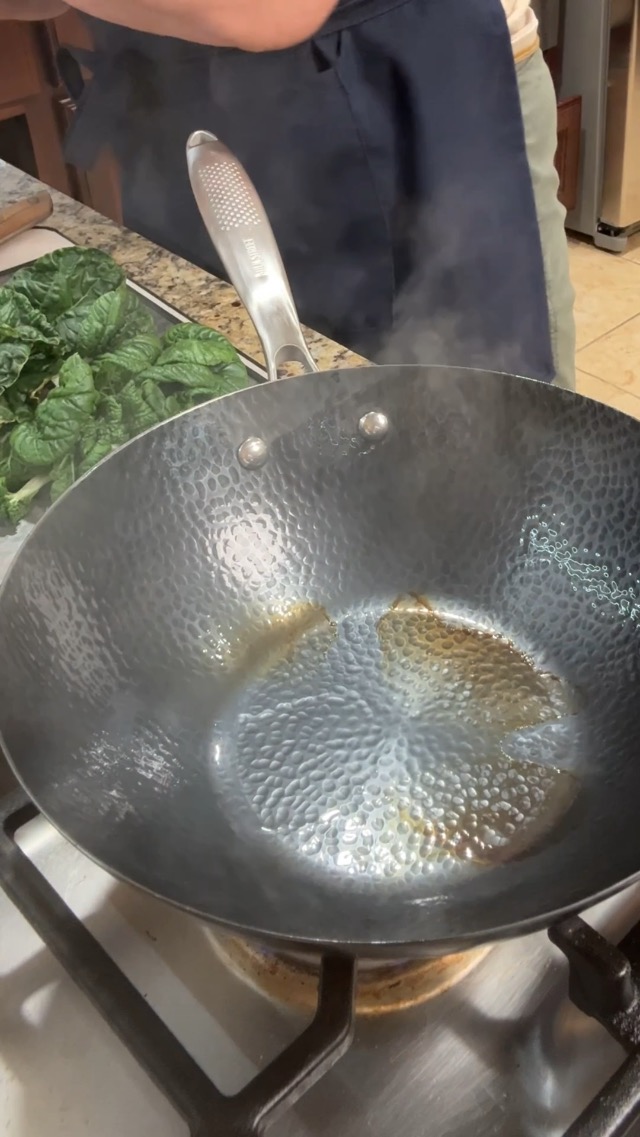
Wash the wok with hot water and dish soap before your first use. Scrub it down until the water runs clear and no suds feel slick. Dry it immediately and thoroughly over low heat. This bare, clean steel is the only canvas that will accept a strong seasoning layer.
Applying too much oil
Seasoning is not about soaking the wok. A common mistake is pouring oil in and wiping it out, leaving a visible sheen. This excess oil pools in the ridges and pores, curing into a thick, uneven film that feels tacky rather than smooth.
Apply oil sparingly. Use a paper towel to rub a thin layer across the entire interior surface, including the sides. Then, take a clean section of the paper towel and wipe the wok again as if you are trying to remove every trace of oil. The metal should look nearly dry. This thin layer polymerizes into a hard, glass-like finish.
Season a wok: what to check next
Helpful gear
Use these product recommendations as a starting point, then choose the size, material, and price point that fit how you actually use the gear.
As an Amazon Associate, we may earn from qualifying purchases.
No comments yet. Be the first to share your thoughts!