
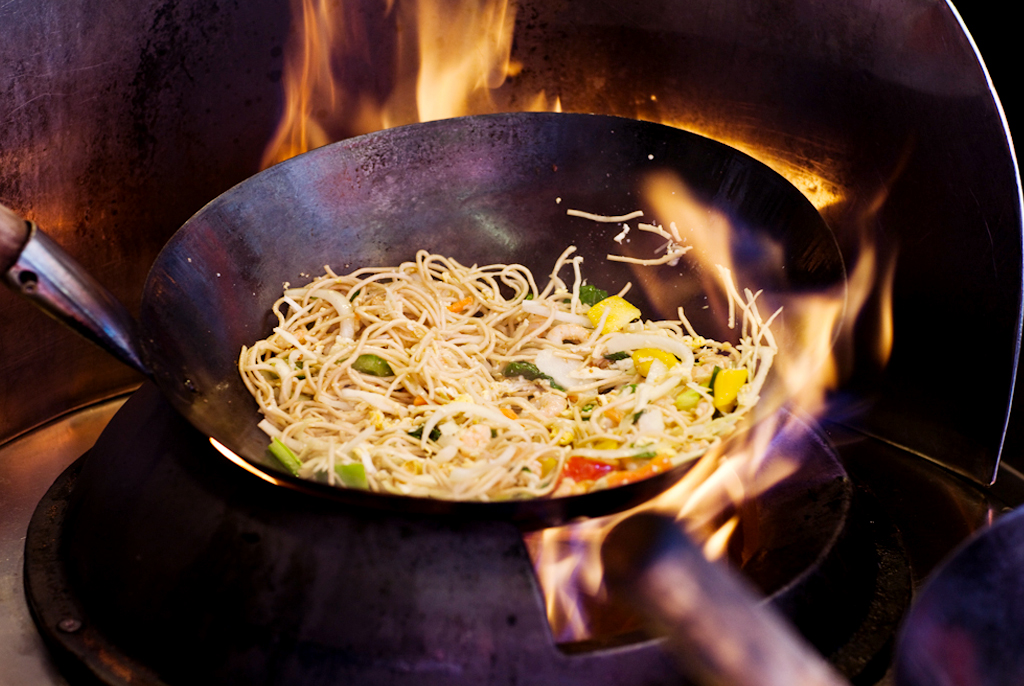
Make the recipe
A wok is not just a pan; it is a heat engine. To get the best results, you need to understand how to manage that heat. The secret to restaurant-quality stir-fries is speed and high temperature. You cook fast, you move constantly, and you let the wok do the work.
The Golden Rules of Wok Cooking
Before you start, remember these three principles:
- High heat is non-negotiable. A wok needs to be smoking hot before you add oil. This creates the non-stick surface and the smoky aroma known as "wok hei."
- Prep everything first. This is called mise en place. Once you start cooking, you have only seconds to add each ingredient. Have everything chopped, measured, and within arm's reach.
- Don't overcrowd the pan. If you add too much food, the temperature drops, and you end up steaming your vegetables instead of stir-frying them. Cook in batches if necessary.
The Ultimate Wok-Hei Beef and Broccoli
This recipe is designed to be quick, flavorful, and perfect for beginners. It uses a simple sauce and high-heat technique to deliver maximum flavor.
Troubleshooting Common Issues
Even experienced cooks run into problems. Here is how to fix them:
- Meat is tough? You likely didn't slice it against the grain or didn't use enough cornstarch to velveting the meat.
- Vegetables are soggy? Your wok wasn't hot enough, or you added too much food at once. Increase the heat and cook in smaller batches.
- Sauce is too thin? Mix 1 tsp cornstarch with 1 tbsp water and add it to the wok at the end to thicken.
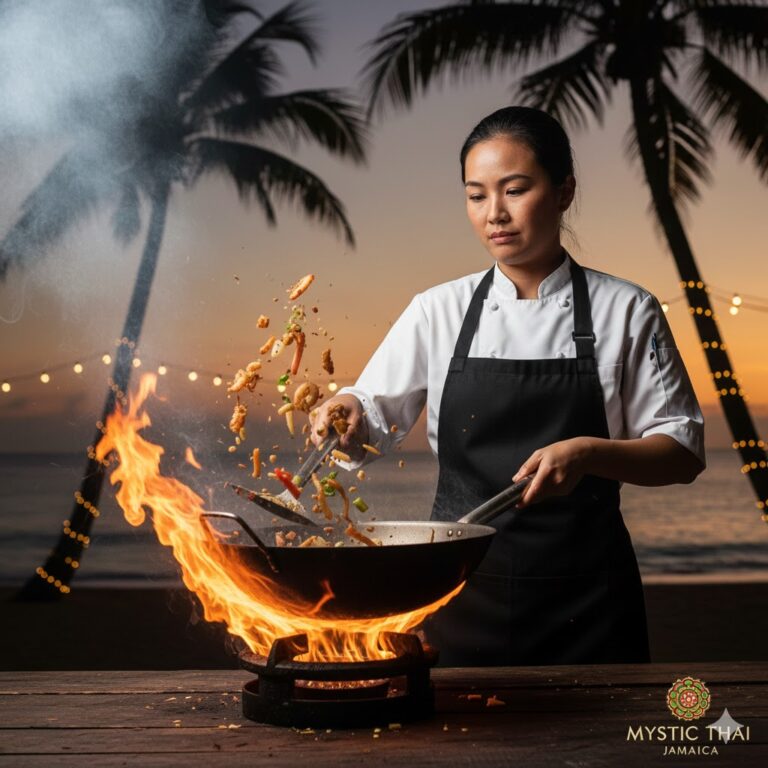
What Not to Cook in a Wok
While a wok is versatile, it is not a good choice for:
- Liquids: Soups and stews are better suited for deeper pots with straight sides.
- Slow cooking: Woks lose heat too quickly for long, slow braises.
- Delicate fish: The high heat and constant stirring can break up fragile fillets. Use a flat skillet instead.
Should You Oil a Wok After Each Use?
Yes, but only for carbon steel woks. After cleaning and drying your wok thoroughly, apply a thin layer of oil to the surface to prevent rust. Cast iron woks also need this treatment. Non-stick coated woks should not be oiled after use, as the coating provides its own protection.
Keep the texture right
Good texture comes from matching the cooking cue to the food, not from trusting the timer alone. Check thickness, moisture, and doneness before changing the recipe.
-
Prep evenlyCut, roll, portion, or spread the mixture evenly so every piece cooks at the same pace.
-
Control moisturePat, drain, rest, or reduce wet ingredients when excess liquid would soften the final texture.
-
Use the doneness cueLook for the recipe-specific sign of doneness instead of stopping at the first browned edge.
-
Let it settleCool or rest the finished food long enough for steam and structure to stabilize.
Swaps that still work
You don't need a fully stocked Asian pantry to cook effectively in a wok. The high heat and rapid cooking method are forgiving, allowing you to substitute ingredients based on what you have on hand. The goal is to maintain the balance of salty, sweet, and savory while keeping the texture crisp.
Start with the base aromatics. Ginger and garlic are non-negotiable for that distinct flavor profile, but if you are out of fresh ginger, use half the amount of ground ginger. For scallions, green onions or even the white parts of leeks work in a pinch. The key is to add them early so they bloom in the hot oil.
For sauces, soy sauce is the backbone. If you need a lighter flavor, use low-sodium soy sauce or fish sauce diluted with a little water. To replace oyster sauce, mix soy sauce with a teaspoon of sugar and a splash of water. Cornstarch is essential for velveting meat and thickening sauces; arrowroot powder is a decent substitute, but use it sparingly as it breaks down faster under high heat.
Vegetables hold up well to wok cooking if you cut them uniformly. Broccoli florets can be swapped for cauliflower. Bell peppers work in place of carrots for sweetness and crunch. The rule of thumb is to cut harder vegetables smaller and softer vegetables larger so they cook at the same rate.
| Original | Substitute | Notes |
|---|---|---|
| Fresh Ginger | Ground Ginger | Use half the amount |
| Oyster Sauce | Soy Sauce + Sugar | Add a splash of water |
| Cornstarch | Arrowroot Powder | Add at the end to avoid breaking |
| Carrots | Bell Peppers | Adjust cut size for even cooking |
Serve and store it
Wok hei—the breath of the wok—fades fast. Stir-fries are built for immediate consumption, where the heat of the pan sears the surface of ingredients while keeping the interior crisp-tender. If you let a dish sit in a bowl, steam condenses and turns that desirable char into soggy, steamed vegetables. The best strategy is to plate directly from the wok or keep components separate until the last second.
For leftovers, cool the food quickly and store it in airtight containers in the refrigerator within two hours. Most stir-fries hold up well for three to four days. When reheating, avoid the microwave if you can help it; it tends to rubberize proteins and mush out greens. Instead, use a skillet or your wok over medium-high heat with a splash of water or broth. This reintroduces moisture and revives the texture without overcooking the ingredients.
If you made a large batch for meal prep, consider storing the sauce and the protein separately from the vegetables. Vegetables like bok choy or broccoli lose their crunch rapidly when sitting in acidic or salty sauces. By keeping them apart, you can toss them together fresh when you reheat, preserving that essential wok hei and structural integrity.
Wok cooking: what to check next
Start with measured ingredients and pay attention to the texture cue in the method. Most recipe problems come from changing thickness, moisture, or heat without adjusting the timing.
No comments yet. Be the first to share your thoughts!