

Pick the right material first
Carbon steel is the industry standard for high-heat Asian cooking because it offers the perfect balance of heat responsiveness and durability. Unlike cast iron, which retains heat but responds slowly, carbon steel heats up quickly and allows for the rapid temperature adjustments required when stir-frying. This responsiveness is essential for achieving the wok hei—the breath of the wok—a flavor profile that depends on precise, intense heat management.
When selecting a wok, aim for a 14-inch diameter with a thickness of 14 to 16 gauge (approximately 1.5 to 2mm). This thickness provides enough mass to maintain heat during cooking without becoming so heavy that it is difficult to toss ingredients. A flat bottom is generally recommended for home cooks using electric or induction stoves, while a round bottom is preferred for traditional gas burners where the flame wraps around the curve.
Avoid nonstick coatings and heavy cast iron for this type of cooking. Nonstick surfaces degrade under the extreme temperatures needed for stir-frying and cannot develop the seasoned patina that improves cooking performance over time. Cast iron, while durable, is often too thick and heavy for the quick, tossing motions characteristic of Asian techniques.
The table below compares the three most common wok materials to help you decide which fits your cooking style and stove type.
| Material | Heat Response | Weight | Maintenance |
|---|---|---|---|
| Carbon Steel | Fast | Light to Medium | Requires seasoning |
| Stainless Steel | Slow | Heavy | Easy, no seasoning |
| Cast Iron | Very Slow | Very Heavy | Requires seasoning |
Match the wok to your stove type
Choosing the right wok shape is less about tradition and more about physics. The bottom of your pan determines how heat transfers to your food, and matching that shape to your specific cooktop is the single most important step in preventing cold spots and uneven cooking. A mismatch here will undermine even the highest quality carbon steel.
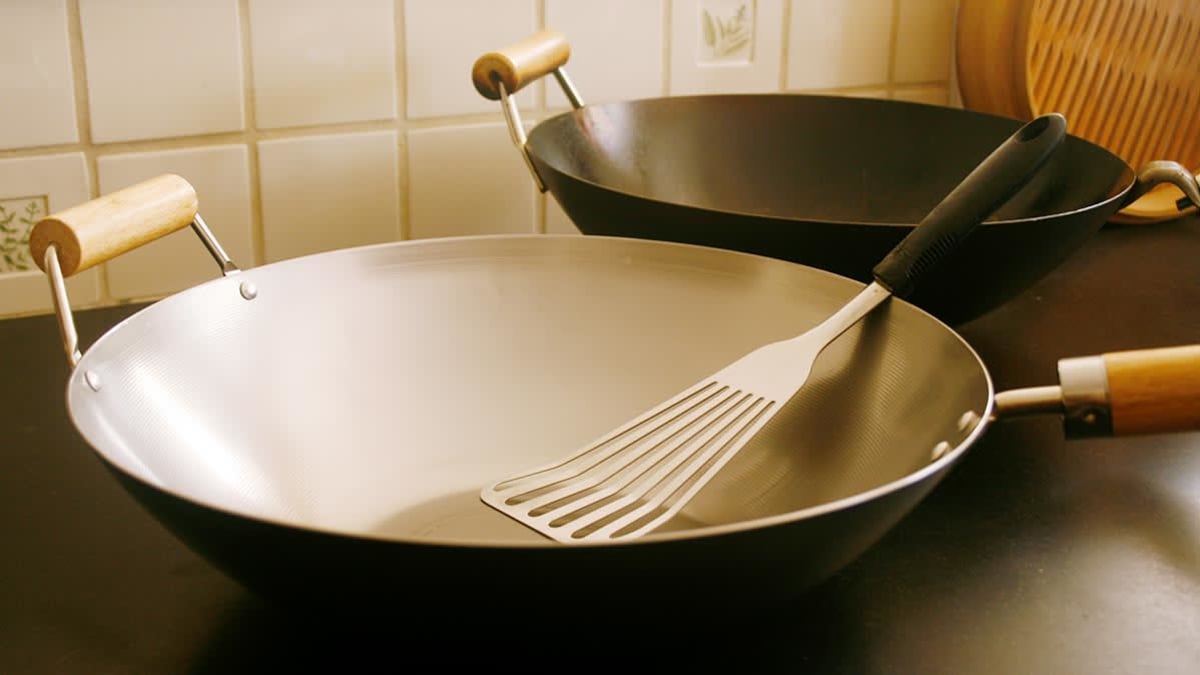
A round-bottom wok is the traditional choice for high-heat stir-frying because it cradles the flame, directing heat upward into the food. However, this shape is incompatible with flat electric or induction surfaces. To use one on a gas stove, you must place it on a specialized wok ring. Without the ring, the wok will wobble dangerously, and the flame will escape around the sides, creating inefficient and uneven heating.
If you cook on electric coil, glass-top electric, or induction ranges, a flat-bottom wok is the only practical option. The flat base ensures maximum contact with the heating element, allowing for consistent heat transfer. While purists argue that round-bottom woks offer superior "wok hei," a flat-bottom carbon steel wok with sufficient thickness will still deliver excellent searing capabilities for home cooking on modern stoves.
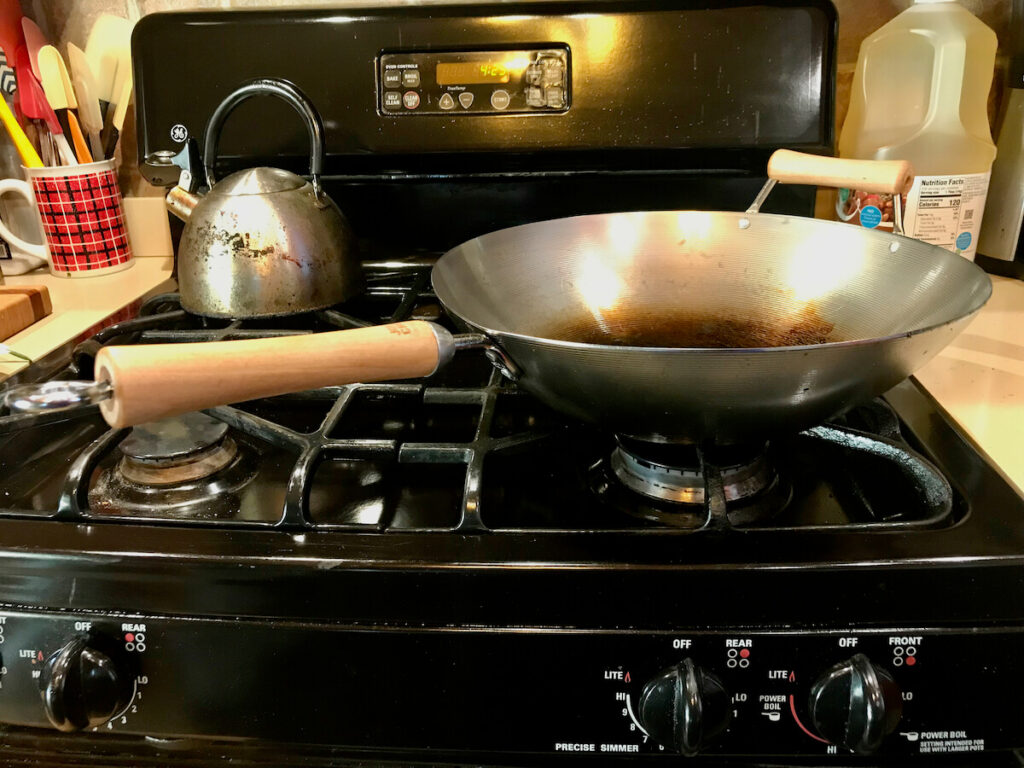
Regardless of the shape you choose, the metal thickness (gauge) dictates performance. Look for carbon steel that is at least 14-gauge, which measures roughly two millimeters thick. Thinner woks warp easily on electric burners, creating hot spots that burn food in some areas while leaving it raw in others. A heavier, thicker base retains heat better and responds more predictably to temperature changes, making it easier to control your stir-fry.
Check the gauge and handle design
The difference between a wok that lasts and one that warps on the first stir-fry comes down to steel thickness and how you hold it. Look for a gauge rating between 14 and 16. This range typically translates to about 1.5 to 2 millimeters of steel. This thickness provides enough mass to retain heat for proper searing without becoming so heavy that your wrist fatigues during long cooking sessions.
Steel thinner than 14 gauge often feels flimsy. You can usually detect this by pressing your thumb against the side of the wok; if the metal bends or flexes noticeably, it will likely warp when exposed to high heat. A 14- to 16-gauge carbon steel body stays rigid, ensuring even heat distribution and a longer lifespan.
Handle design is equally critical for safety and control. A long handle allows you to keep your arm away from the heat source, while a small helper handle (or bail handle) on the opposite side provides the leverage needed to toss food or lift the heavy pan. This two-handed grip is essential for maneuvering a wok, especially when it is full of ingredients.
Season the wok for nonstick performance
A raw carbon steel wok is not naturally nonstick; it is reactive and prone to rust. The initial seasoning process transforms the metal surface by polymerizing oil into a hard, slick layer that prevents food from adhering and protects the steel. Think of this layer as a microscopic Teflon coating that you build yourself through heat and fat.
Start with a clean, dry wok. Many new woks arrive coated in machine oil to prevent rust during shipping. Wash the wok with hot water and dish soap to remove this industrial residue, then dry it thoroughly over low heat on your stove. Do not skip this step; leftover shipping oil will burn and create sticky patches during seasoning.
Apply a thin layer of high-smoke-point oil. Use a paper towel to coat the entire interior surface, including the sides. Peanut, canola, or grapeseed oil works well. Wipe off as much oil as you can; the surface should look almost dry. Too much oil will result in a gummy, uneven finish rather than a hard polymerized layer.
Heat the wok until it smokes. Place the wok over high heat—preferably a gas burner for even distribution—and watch for the oil to smoke. The metal will change color, often turning blue or bronze. Rotate the wok to heat all sides evenly. This process takes about 10–15 minutes. Let it cool completely before wiping out any loose residue.
Repeat the process two to three times. A single layer is rarely enough for serious cooking. Each cycle builds upon the last, creating a durable, black, nonstick patina. Over time, your seasoning will improve with use, but this initial foundation is critical for long-term performance.
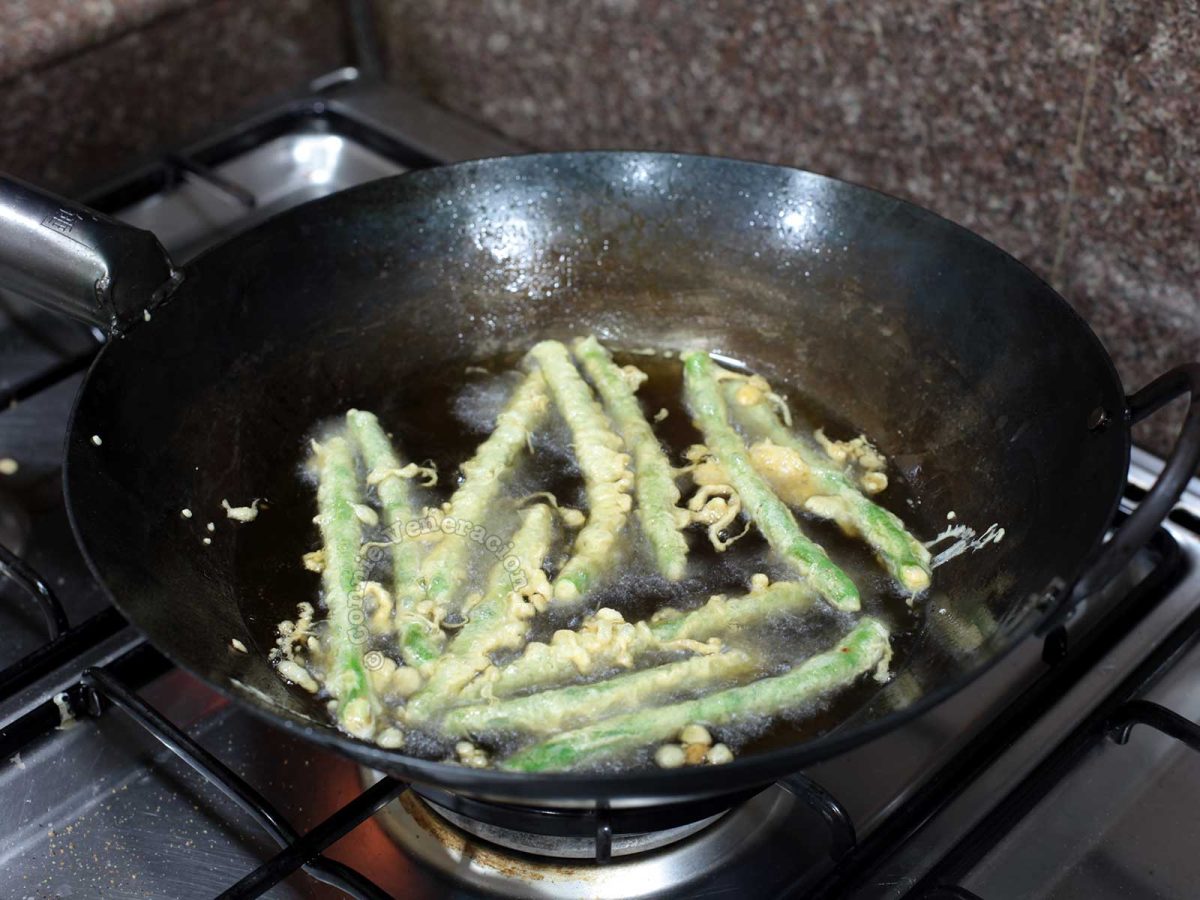
Wash the wok with hot water and dish soap to remove the protective shipping oil. Dry it completely over low heat on your stove to prevent immediate rusting.
Coat the entire interior with a high-smoke-point oil like peanut or canola. Wipe it off aggressively; the surface should look nearly dry to avoid a sticky finish.
Heat the wok over high heat until the oil smokes. The metal will change color to blue or bronze. Rotate the wok to ensure even heating across the entire surface.
Let the wok cool completely. Wipe out any loose residue. Repeat the oil and heat process two to three times to build a durable, nonstick polymerized layer.
Test your wok with a classic stir-fry
The true test of a carbon steel wok is how it handles high heat and rapid movement. A thin, responsive pan will sear proteins quickly without steaming them, while a heavy, thick-bottomed wok may struggle to recover temperature between batches. This recipe for Beef and Broccoli is designed to highlight those differences. It requires a wok that can maintain consistent heat and allows for the tossing motion that defines good stir-frying.
Before you start, ensure your wok is well-seasoned. A properly seasoned surface acts like a non-stick coating, preventing the beef from sticking and making cleanup effortless. For this test, we recommend using a gas burner if you have a round-bottom wok, as the flame wraps around the curve to provide even heating. Flat-bottom woks work on electric or induction stoves but may require lower heat to prevent scorching.
This dish moves fast. The entire cooking process takes less than five minutes once the wok is hot. If your wok is too small or the heat is too low, the beef will stew in its own juices rather than sear. Pay attention to the sound: a loud sizzle indicates the right temperature. If the sound is dull or silent, increase the heat. This immediate feedback loop is why carbon steel is preferred for stir-frying—it responds instantly to your adjustments.
Maintain your wok for long-term use
Carbon steel is durable, but it requires active care to stay non-stick and rust-free. Think of the seasoning layer like a protective skin; if you strip it away or leave it wet, the metal underneath will oxidize. A little daily attention prevents the frustration of food sticking and the labor of re-seasoning.
Avoid dish soap and soaking. Rinse with hot water and a soft sponge or brush to remove food residue. Soap strips the polymerized oil layer that creates the non-stick surface. Dry it thoroughly with a towel immediately to prevent water spots.
While the wok is still warm from drying, add a few drops of neutral oil (like canola or grapeseed). Use a paper towel to rub a microscopic layer over the entire interior surface. This fills microscopic pores and creates a barrier against humidity.
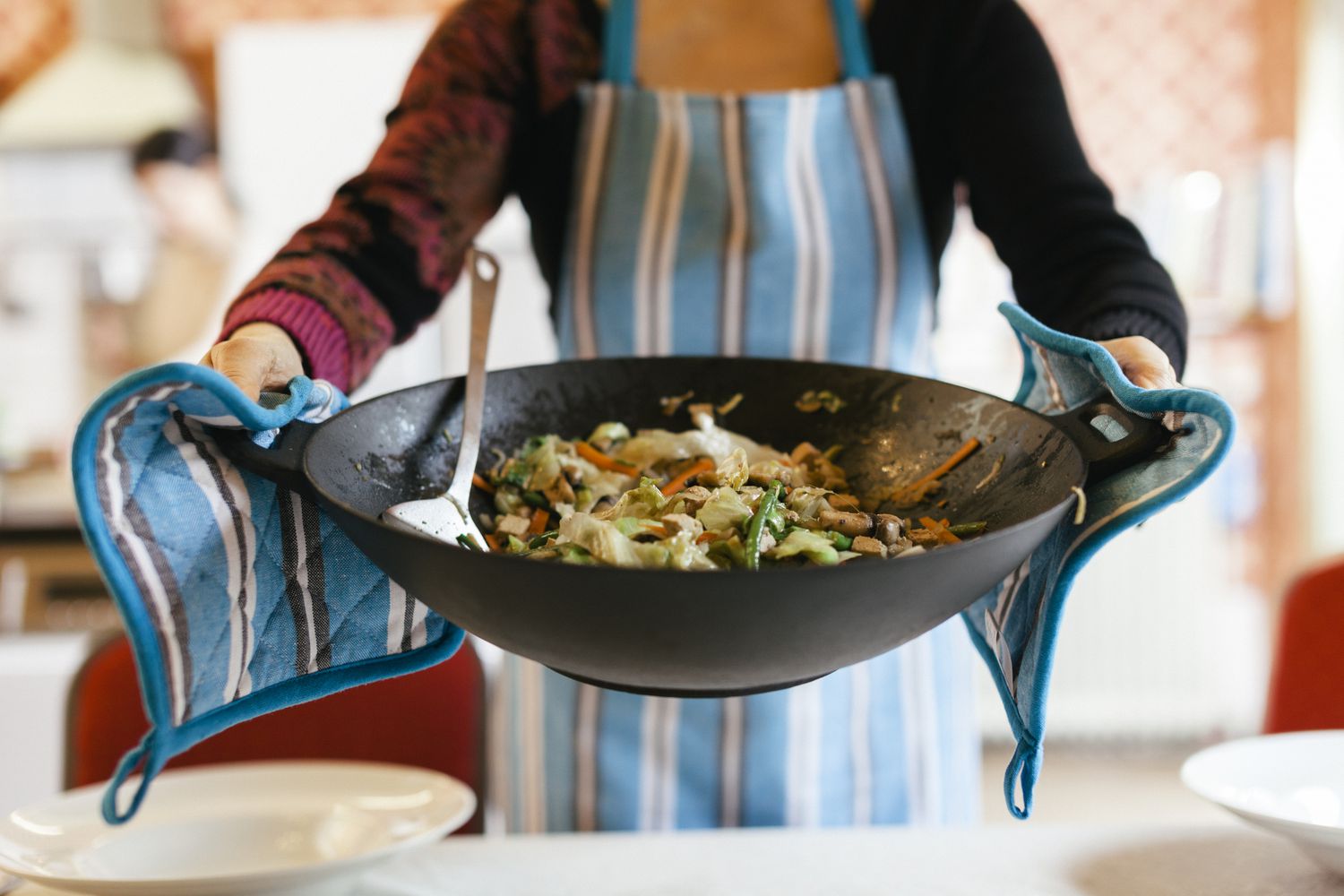
Keep your wok in a place with low humidity. If you live in a damp climate, consider placing a silica gel packet near it in the cabinet. Avoid storing it in the sink or under the faucet where steam and splashes are common.
Daily Care Checklist
Use this quick list to ensure your wok lasts for decades:
- Never soak the wok in water for extended periods.
- Use soft tools like wooden spatulas or silicone brushes; avoid metal scrapers.
- Dry completely before putting it away; moisture is the enemy of seasoning.
- Re-oil lightly if the surface looks dry or starts to feel rough.
- Inspect regularly for any signs of rust, especially around the handle base.
By following these steps, you preserve the non-stick surface and ensure your carbon steel wok remains a reliable tool for high-heat cooking.
Common questions about buying woks
Choosing the right wok comes down to matching the tool to your kitchen’s reality. Most home cooks overlook how stove type dictates the bottom shape, leading to frustration when trying to sear vegetables. A round-bottom wok requires a wok ring and high-output gas burner to maintain the heat necessary for proper stir-frying. If you use an electric or induction cooktop, stick to a flat-bottom model for stability and efficient heat transfer.
Material selection is the next critical decision. Carbon steel is the standard for a reason: it heats quickly, cools down fast, and develops a non-stick patina over time. Avoid nonstick coatings for high-heat wok cooking, as the extreme temperatures required for wok hei can degrade the coating and release harmful fumes. While stainless steel is durable, it lacks the responsive heat conductivity of carbon steel, making it harder to control the cooking process.
Size and weight matter more than price. A 14-inch wok is the sweet spot for most households, offering enough surface area for family meals without being unwieldy. Heavier gauge steel (14-16 gauge) retains heat better than thin, flimsy alternatives, which cool down instantly when cold ingredients are added. Look for a single long handle or two small loop handles depending on your comfort level; double-loop handles offer better balance for tossing but require a second hand.
No comments yet. Be the first to share your thoughts!