

Pick the best carbon steel wok
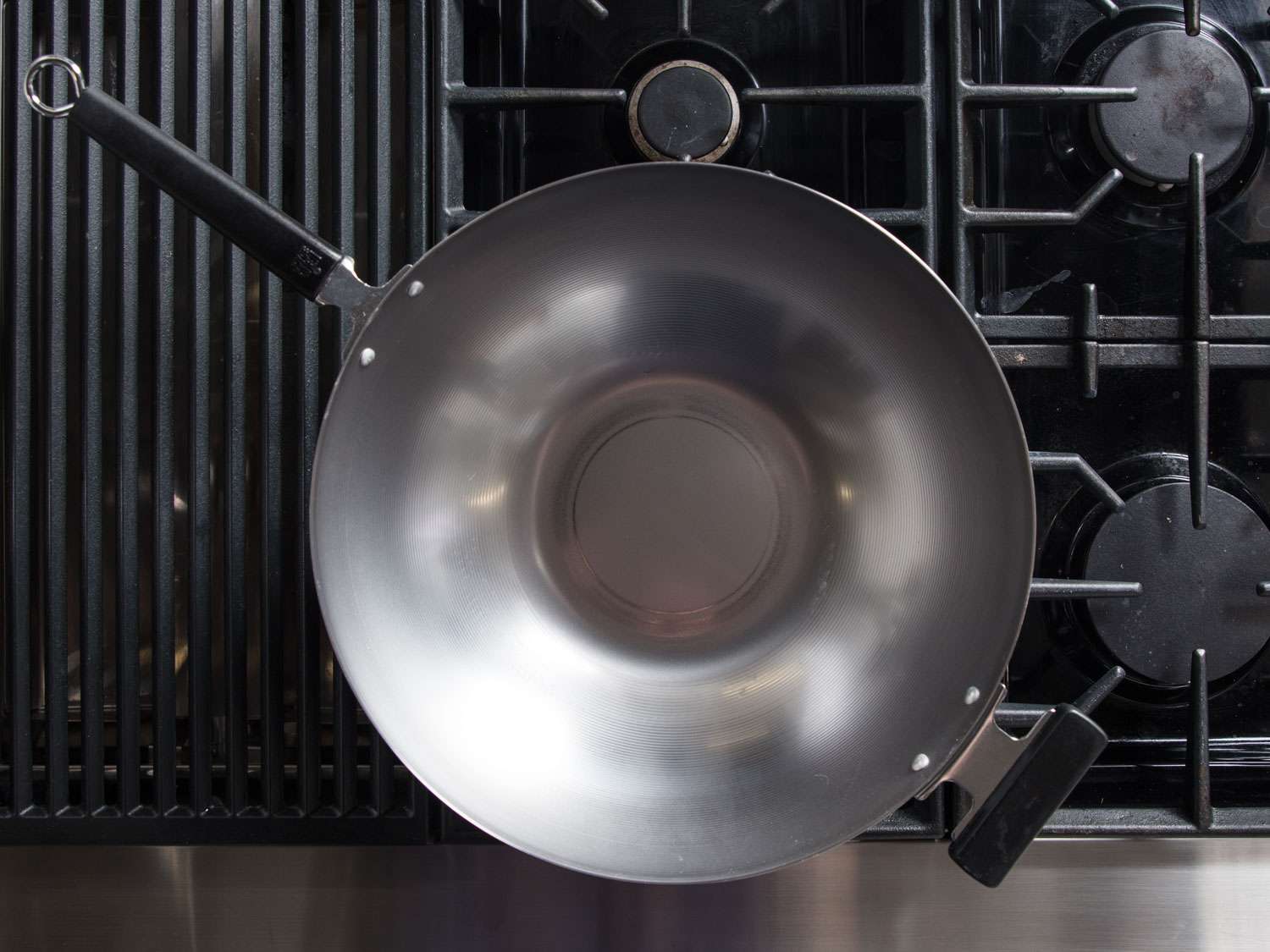
Choosing the right carbon steel wok comes down to balancing heat retention, weight, and handle design. Professional testing in 2026 highlights three models that consistently outperform the rest in home kitchens. These woks heat quickly, distribute temperature evenly, and withstand the high heat required for proper wok hei.
The Yosukata wok remains a top contender due to its thin walls and rapid heat response, making it ideal for fast stir-fries. The Sur La Table Professional Carbon Steel Wok stands out for its softly curved angles, which mimic traditional Chinese designs and improve tossing ease. Meanwhile, the Made In Cookware Carbon Steel Wok offers exceptional durability, handling temperatures up to 1,200°F without warping.
Below is a comparison of these top performers to help you decide based on your cooking style and kitchen setup.
| Model | Weight | Handle Type | Price Range |
|---|---|---|---|
| Yosukata Carbon Steel Wok | 2.8 lbs | Long wooden handle | $40-$50 |
| Sur La Table Professional | 4.2 lbs | Two loop handles | $30-$40 |
| Made In Cookware Wok | 5.1 lbs | Long wooden handle | $70-$80 |
Season your new wok properly
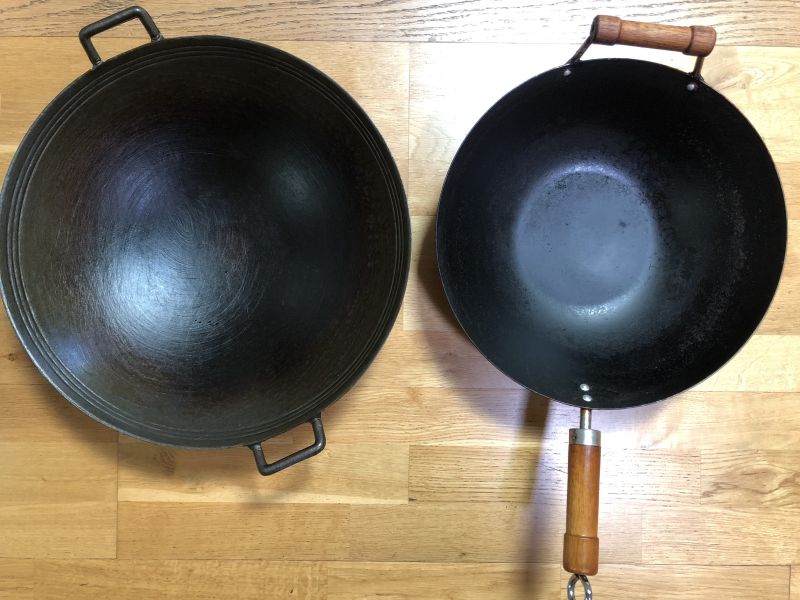
Best Woks works best as a clear sequence: define the constraint, compare the realistic options, test the tradeoff, and choose the path with the fewest hidden costs. That order keeps the advice usable instead of decorative. After each step, pause long enough to check whether the recommendation still fits the reader's actual situation. If it depends on perfect timing, unusual access, or a best-case budget, include a simpler fallback.
Essential tools for stir-frying
Carbon steel woks demand specific utensils to handle their curved geometry and high heat. Standard kitchen spoons and flat spatulas fail here because they cannot reach the bottom of the bowl or generate the lifting force needed for proper tossing. Using the wrong tools turns stir-frying into a scraping exercise that burns food and damages the seasoning.
The Wok Spatula
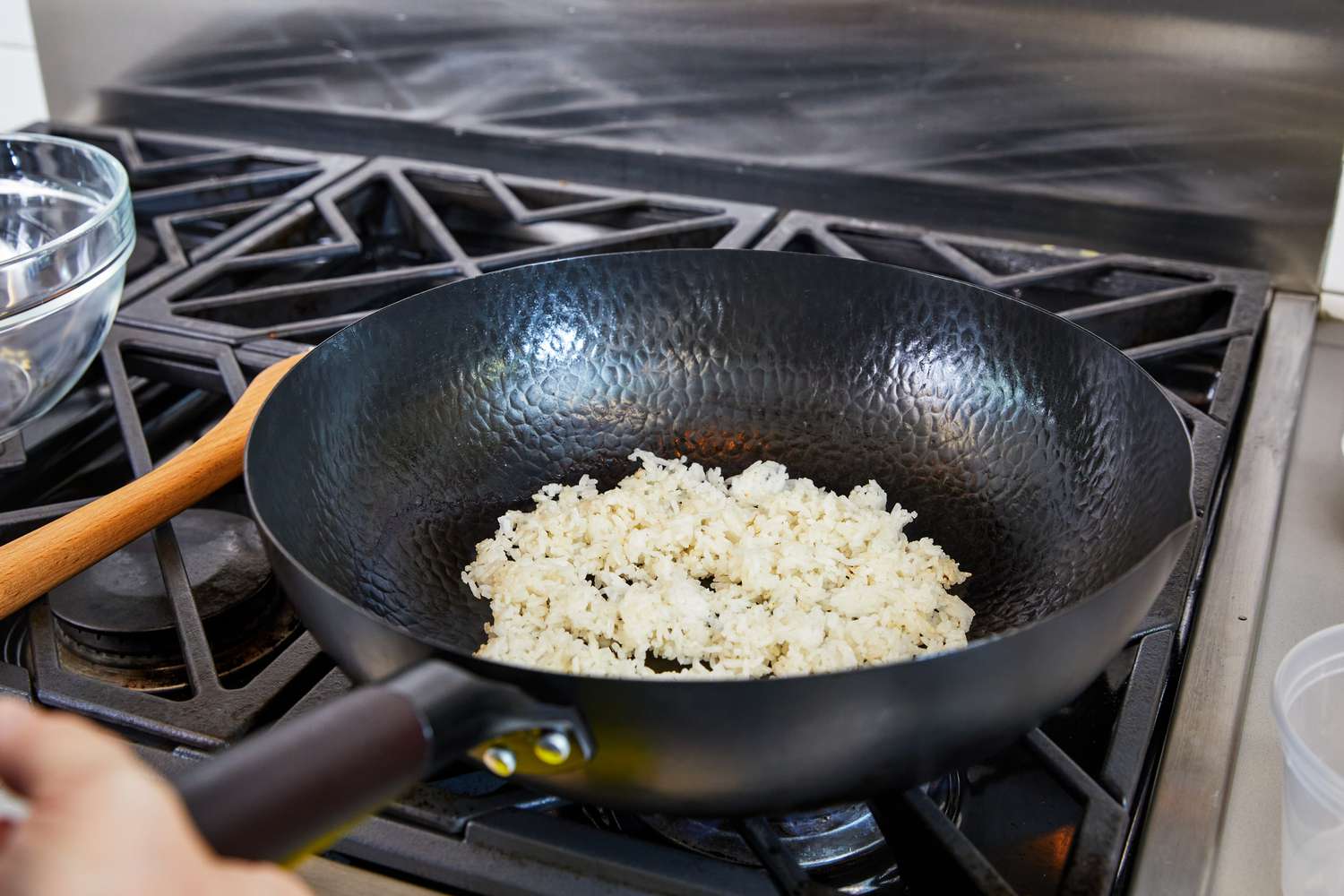
You need a wok chuan—a flat, wide spatula with a rounded edge and a long handle. The rounded blade matches the wok’s curve, allowing you to scrape ingredients from the bottom without scratching the carbon steel surface. The long handle keeps your hands safe from splatter and heat. Look for sturdy metal or heat-resistant nylon versions that won’t bend under pressure.
The Ladle
A carbon steel ladle is the second half of the pair. It mirrors the spatula’s shape and is used to toss ingredients, lift them out of the oil, and add liquids like stock or sauce. The curved bowl catches food efficiently, while the long handle provides the leverage needed to flip heavy portions. Together, the spatula and ladle act as extensions of your hands, turning the wok into a high-speed mixing chamber.
Cook a classic vegetable stir-fry
Carbon steel woks excel at high-heat cooking because they heat up quickly and retain intense thermal energy. This makes them ideal for stir-frying, where vegetables need to cook fast to stay crisp and vibrant. Using a top-performing model like the Yosukata or Sur La Table Professional Carbon Steel Wok ensures even heat distribution without hot spots.
The following recipe demonstrates how to leverage the wok’s shape and heat capacity. The key is to prep all ingredients before you start cooking, as the process moves rapidly once the oil is hot.
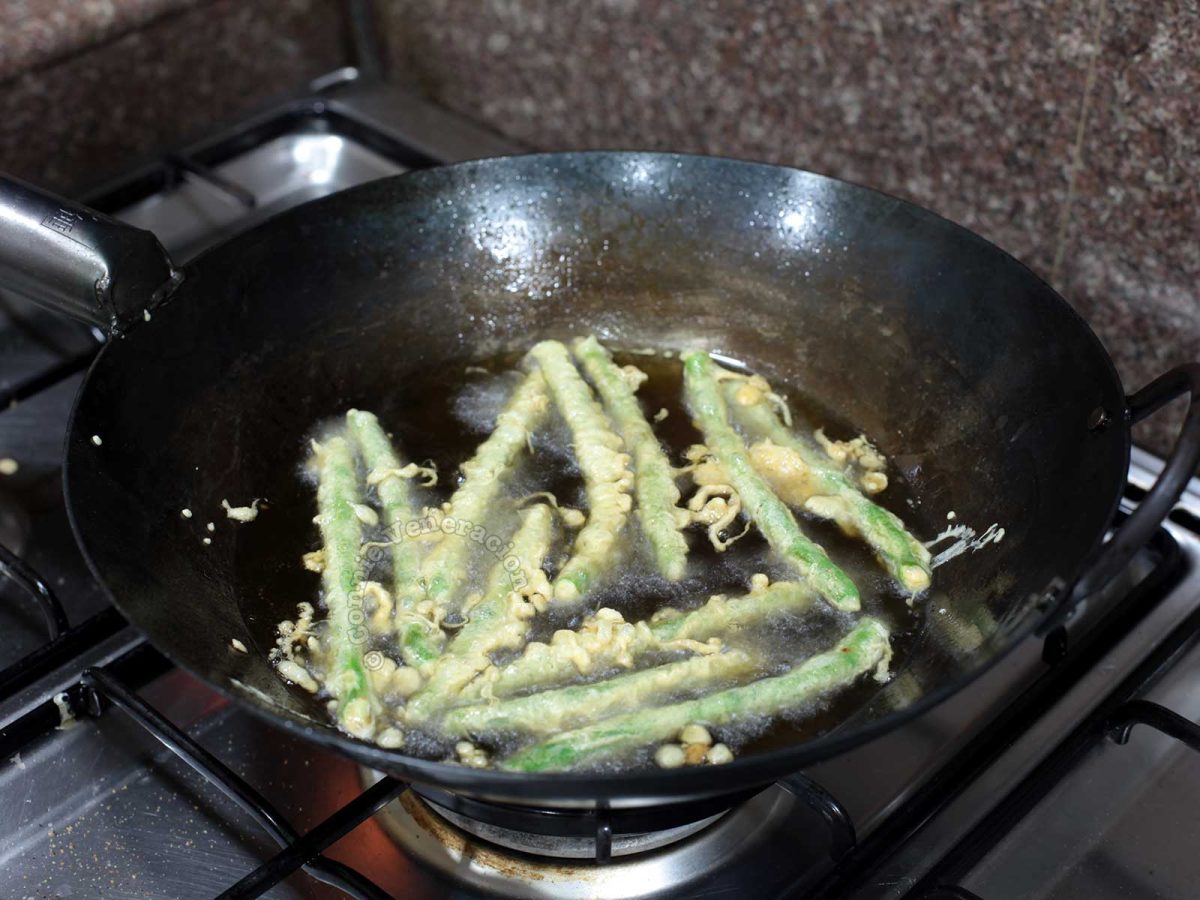
This method highlights why carbon steel is preferred by professional chefs. The material’s thin walls allow for rapid temperature adjustments, giving you precise control over the cooking process. Unlike thicker stainless steel or cast iron, the wok responds instantly to your heat input, ensuring your vegetables don’t stew in their own juices.
Maintain your wok for longevity
Carbon steel is forgiving, but it isn’t invincible. Treat your wok like a cast iron skillet: the seasoning layer is a polymerized oil shield that protects the metal from moisture and rust. If you neglect this layer, you’ll spend more time scrubbing off rust than cooking dinner. The goal is to keep that dark, non-stick patina intact through careful daily habits.
After every stir-fry, clean the wok while it’s still warm. Hot water and a soft sponge or non-abrasive brush are usually enough to remove food residue. Avoid harsh detergents or steel wool, which can strip away the seasoning you worked hard to build. If sticky bits remain, use a pinch of coarse salt as a gentle abrasive, then rinse thoroughly. The Yosukata and Sur La Table Professional woks we tested respond well to this gentle approach, maintaining their finish year after year.
Drying is the most critical step. Never air dry carbon steel; the residual water will cause oxidation within minutes. Place the wok on a low burner for two minutes to evaporate all moisture, then wipe it with a paper towel. Finally, apply a thin coat of neutral oil to the interior surface. This simple ritual preserves the seasoning and ensures your wok stays ready for the next meal.
Common wok questions answered
Choosing the right carbon steel wok often comes down to trusted recommendations and specific chef preferences. Here are the answers to the most frequent questions about top-rated models and professional standards.
No comments yet. Be the first to share your thoughts!