
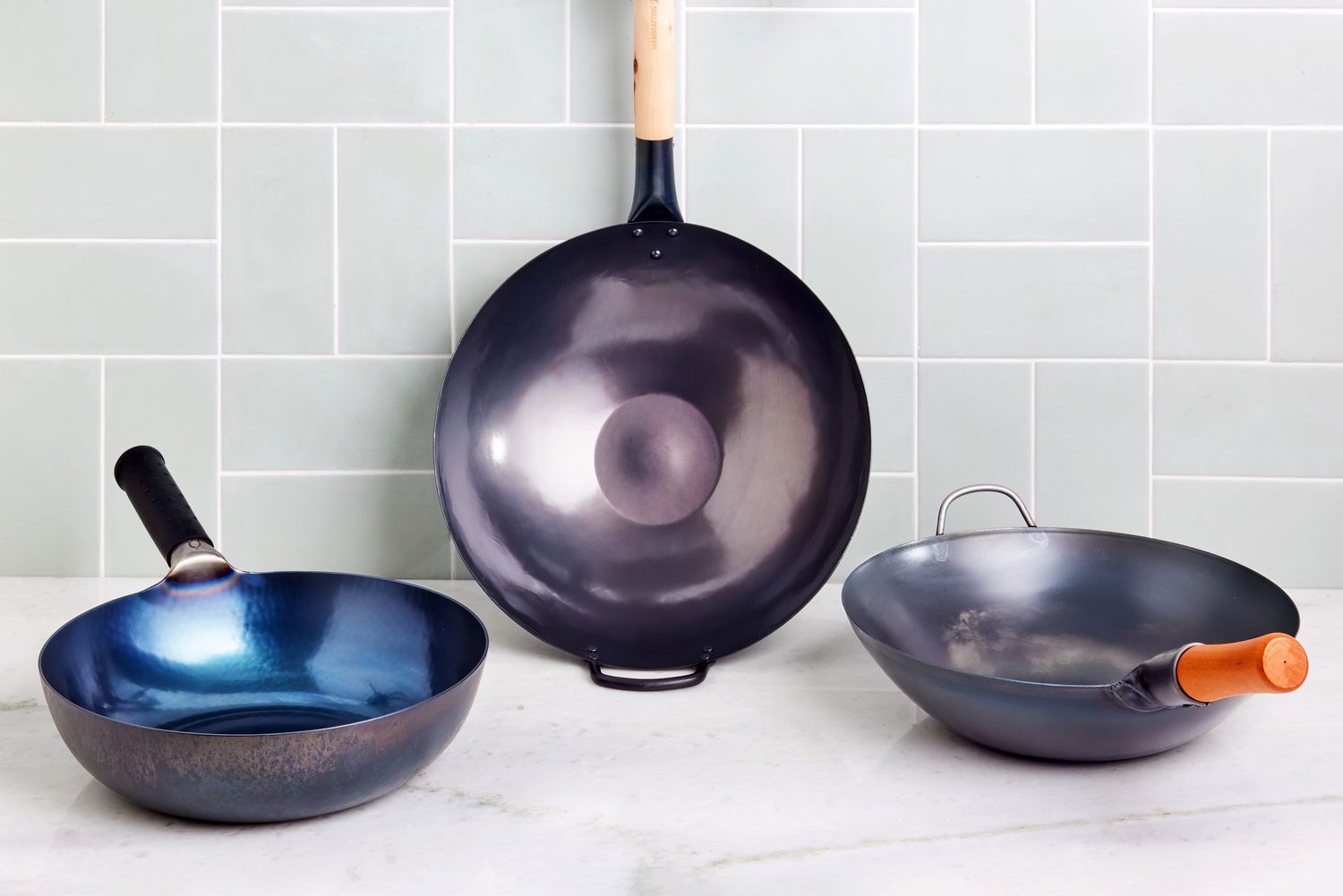
Choosing wok choices that change the plan
Wok Buying works best when the purchase path is explicit. Verify the source, compare the offer against real alternatives, check the total cost, and confirm what happens after payment before you decide. After each comparison, write down the one risk that would change your mind. If the seller, condition, support, warranty, shipping, or upkeep still feels uncertain, resolve that question before moving to checkout.
| Factor | What to check | Why it matters |
|---|---|---|
| Fit | Match the option to the primary use case. | A good deal still fails if it does not fit the job. |
| Condition | Verify age, wear, and service history. | Hidden condition issues erase upfront savings. |
| Cost | Compare purchase price with likely upkeep. | The cheapest option is not always the lowest-cost option. |
Where each option wins
Choosing between carbon steel and stainless steel comes down to your cooking style and how much maintenance you want to handle. Carbon steel is the preferred choice for high-heat stir-frying, while stainless steel offers durability with minimal upkeep.
Carbon steel: Best for stir-fry and flavor
Carbon steel is the traditional choice for wok cooking. It heats up quickly and responds instantly to temperature changes, which is essential for achieving the high heat needed for proper stir-frying. The material develops a natural non-stick patina over time through seasoning, allowing food to release easily and develop a rich, roasted flavor profile.
However, this performance comes with trade-offs. Carbon steel requires regular seasoning and careful drying to prevent rust. It is also reactive to acidic foods like tomatoes or vinegar, which can strip the seasoning and impart a metallic taste. If you cook stir-fries frequently and don’t mind the maintenance, carbon steel is superior.
Stainless steel: Best for low-maintenance and versatility
Stainless steel woks are built for durability and ease of use. They do not require seasoning, are resistant to rust, and can handle acidic ingredients without reacting. This makes them a practical choice for home chefs who want a single pan that can go from stir-fry to braising to making sauces without worrying about care routines.
The downside is heat management. Stainless steel is a poorer conductor of heat than carbon steel, meaning it takes longer to heat up and can create hot spots that lead to uneven cooking. While you can still achieve good results, it requires more attention to temperature control and oil usage to prevent sticking.
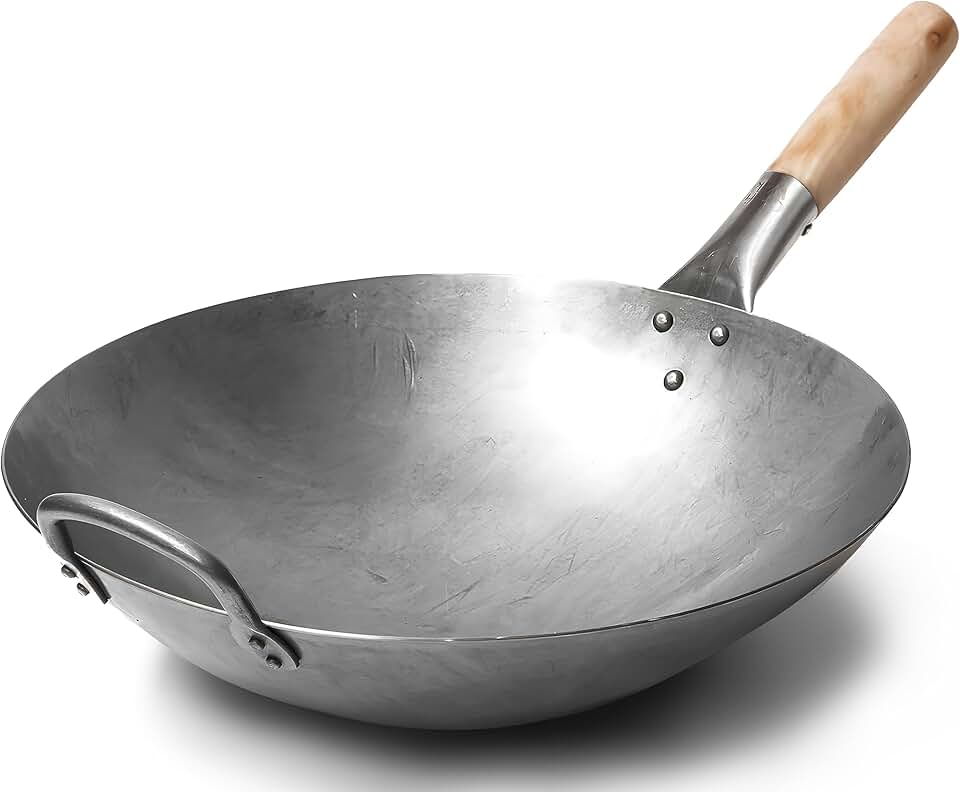


As an Amazon Associate, we may earn from qualifying purchases.
Details worth checking
Wok Buying works best when the purchase path is explicit. Verify the source, compare the offer against real alternatives, check the total cost, and confirm what happens after payment before you decide. After each comparison, write down the one risk that would change your mind. If the seller, condition, support, warranty, shipping, or upkeep still feels uncertain, resolve that question before moving to checkout.
-
Verify the sellerCheck reputation, included details, delivery terms, and return policy before treating the listing as credible.
-
Compare total costAdd shipping, accessories, maintenance, warranty, and likely replacement costs to the listed price.
-
Confirm fitMatch the option to the real use case before paying for features that will not matter.
Choosing a wok: what to check next
Before you buy, the biggest decision is usually material. Carbon steel is the standard for a reason: it heats up fast, cools down quickly, and develops a natural non-stick patina over time. Stainless steel is durable and requires no seasoning, but it doesn’t distribute heat as evenly and can stick if you aren’t careful with oil and temperature. For most home cooks, carbon steel offers better performance for stir-frying and wok hei.
The second common hurdle is the bottom shape. A round-bottom wok is traditional and works best on gas stoves with a wok ring, but it is unstable on flat electric or induction cooktops. A flat-bottomed carbon steel wok sits securely on any stove type, making it the more practical choice for average home kitchens. If you have a built-in wok burner, round is fine; otherwise, stick to flat.
Finally, consider the handle. A single long handle gives you better leverage for tossing, but a double-handle design (with a helper handle) offers more stability when the wok is full. For heavy stir-fries, the helper handle prevents spills. Look for 14- to 16-gauge carbon steel with a flat bottom and long handle for the best balance of control and durability.
No comments yet. Be the first to share your thoughts!