
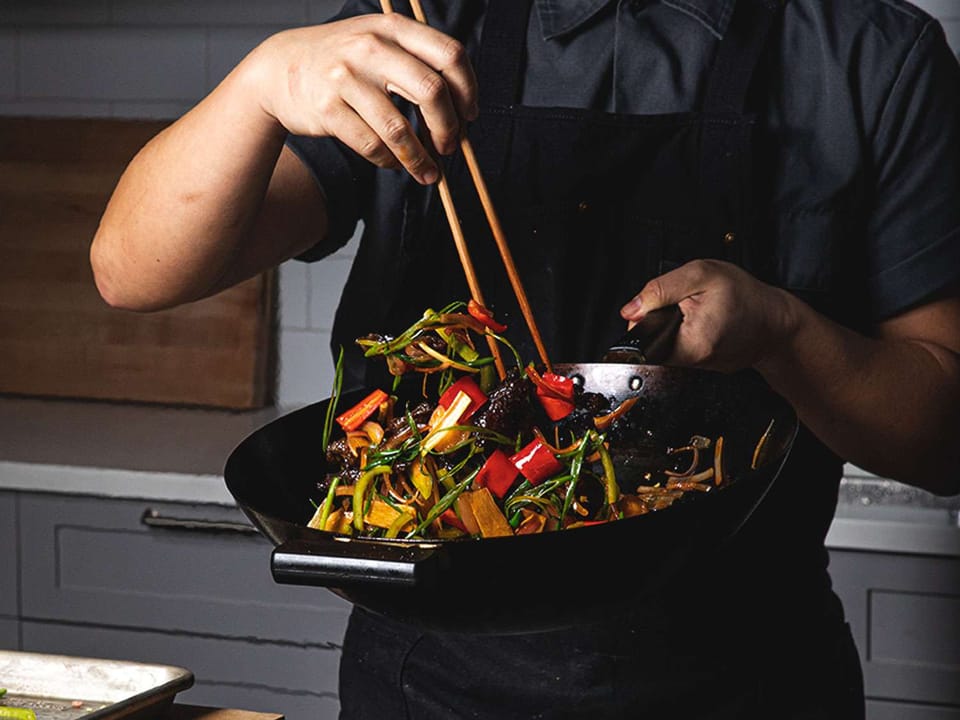

Wok This Way: Your First Step into the World of Wok Cooking
Ever wondered why Asian cuisine has a unique, indescribable charm that tantalizes your taste buds? The secret, my friends, lies in the ancient art of wok cooking. Originating from China over 2,000 years ago, this cooking technique has become the beating heart of Asian gastronomy, spreading its delectable influence across the globe.
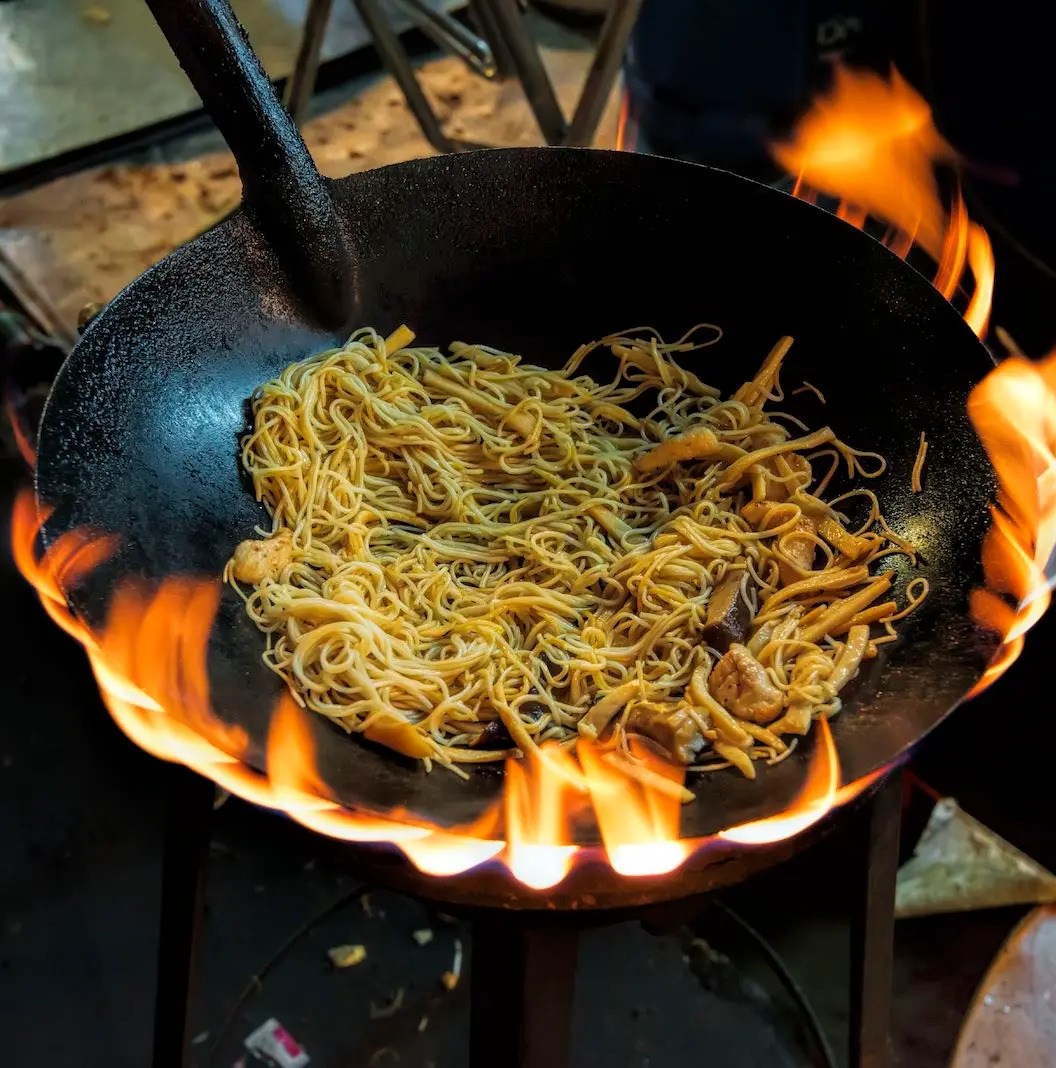
Why the sudden surge in popularity, you ask? Well, wok cooking is not just about food; it's an immersive experience that engages all your senses. From the hypnotic dance of flames, the sizzle that fills the air, to the burst of flavors in every bite - it's a culinary symphony that's hard to resist.
So, whether you're a seasoned chef or a curious novice, our guide to wok cooking is your golden ticket to mastering this art. Ready to embark on this flavorful journey? Let's dive in and crack the code of wok cooking for beginners!
Wok 101: Unraveling the Fundamentals of Wok Cooking
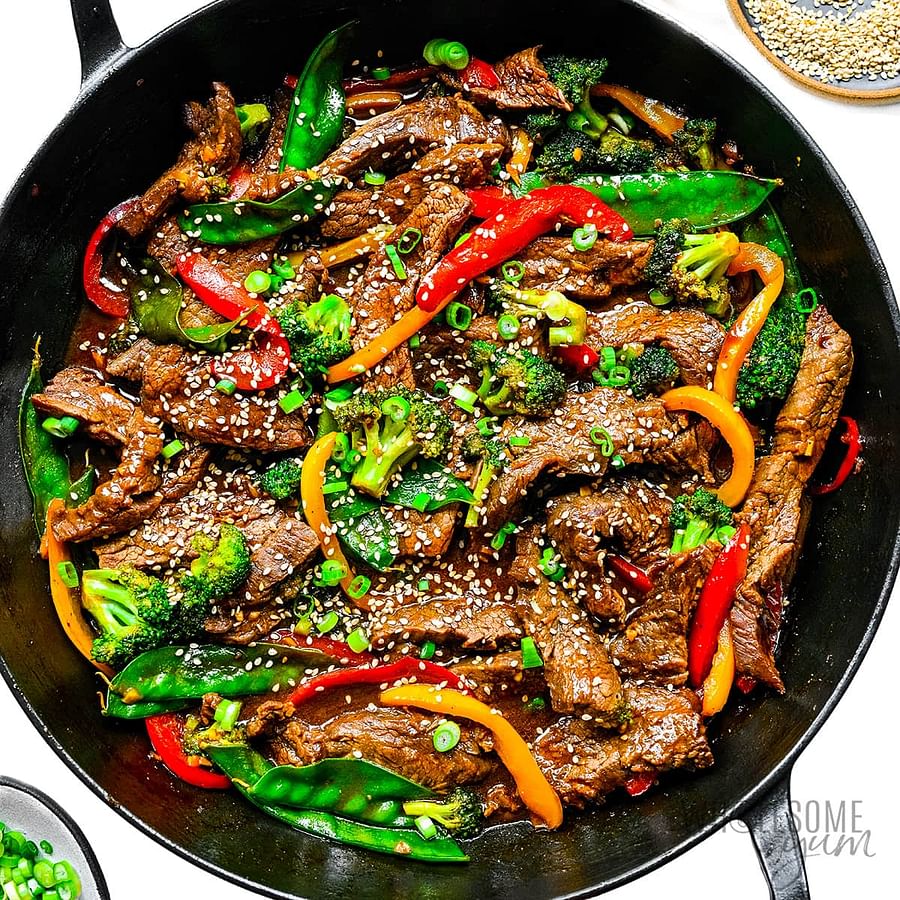
Now, let's get to the heart of wok cooking: the sizzle and sear of high heat. The magic of wok cooking lies in its ability to achieve the much-coveted 'wok hei' or 'breath of the wok.' It's a symphony of flavors created by the intense heat, rapid stirring, and quick cooking. Ever wondered why your homemade stir-fries don't taste like the ones from your favorite Asian restaurant? It's all about the heat, my friends.
Stir-frying, the most renowned method in wok cooking, thrives on high temperatures. It's about tossing and stirring your ingredients rapidly in a smoking hot wok, creating a medley of flavors that's uniquely Asian. Mastering the art of stir-frying is your first step in the journey of wok cooking for beginners.
Remember, a well-seasoned wok on high heat is your passport to the incredible world of Asian cuisine. So, are you ready to turn up the heat and stir up a storm?
High Heat Cooking Oils: The Perfect Partners for Your Wok
- Peanut Oil: A popular choice in Asian cuisine, peanut oil has a high smoke point and a mild flavor that doesn't overpower the taste of your dishes.
- Vegetable Oil: An affordable and versatile option, vegetable oil is great for high heat cooking and stir-frying.
- Canola Oil: Known for its neutral flavor and high smoke point, canola oil is another excellent choice for wok cooking.
- Sesame Oil: While toasted sesame oil is used as a flavor enhancer, light sesame oil can be used for high heat cooking. It imparts a subtle, nutty flavor to your dishes.
- Sunflower Oil: With a high smoke point and a neutral taste, sunflower oil lets the flavors of your ingredients shine through.
- Grapeseed Oil: This oil has a high smoke point and mild flavor, making it suitable for stir-frying, sautéing, and deep-frying in your wok.
- Safflower Oil: Safflower oil is heat-stable and has a light, neutral flavor, ideal for high heat wok cooking.
- Avocado Oil: Although a bit pricier, avocado oil has an incredibly high smoke point and a creamy, mild flavor that complements a variety of dishes.
Picking the Perfect Wok: A Beginner’s Shopping Guide
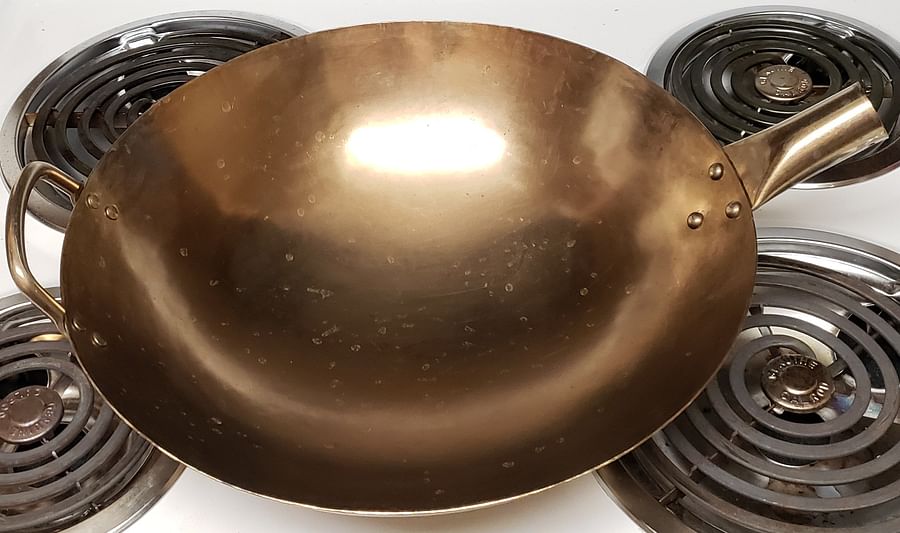
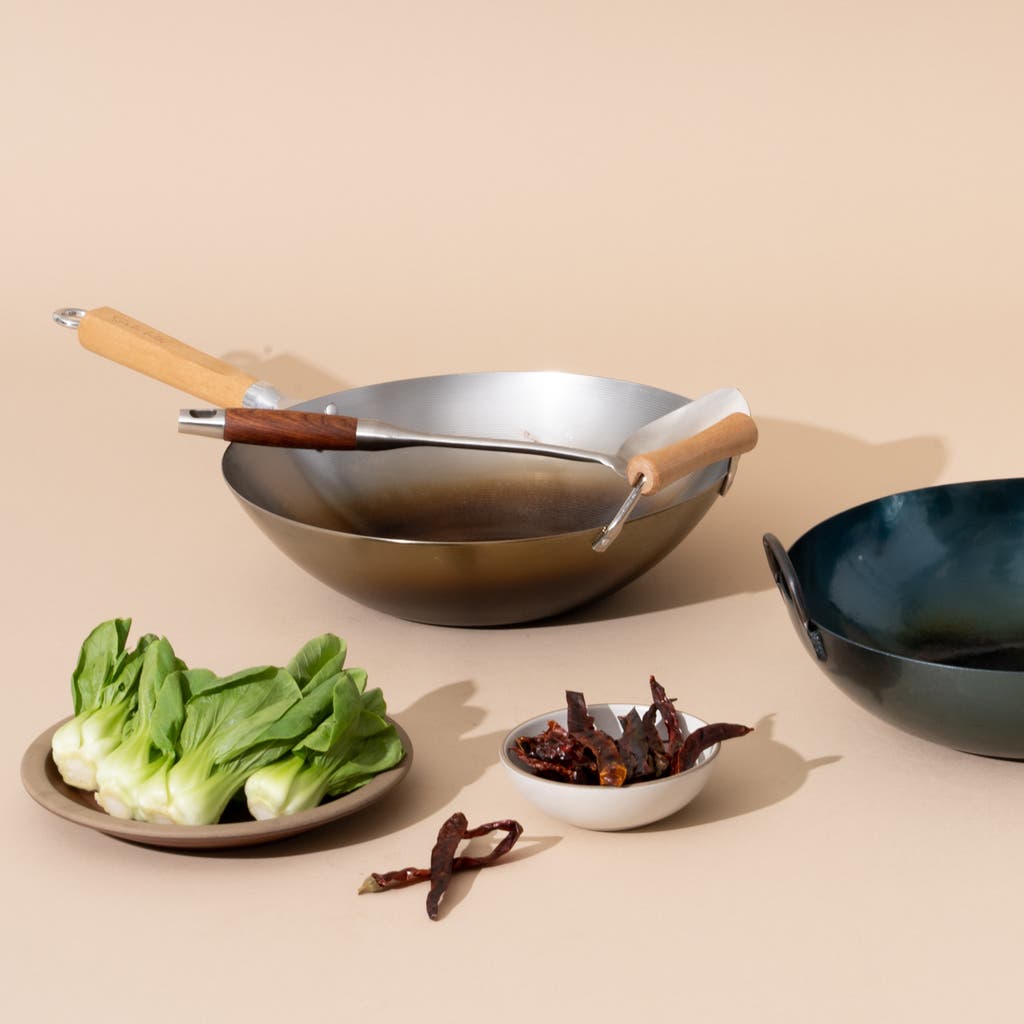
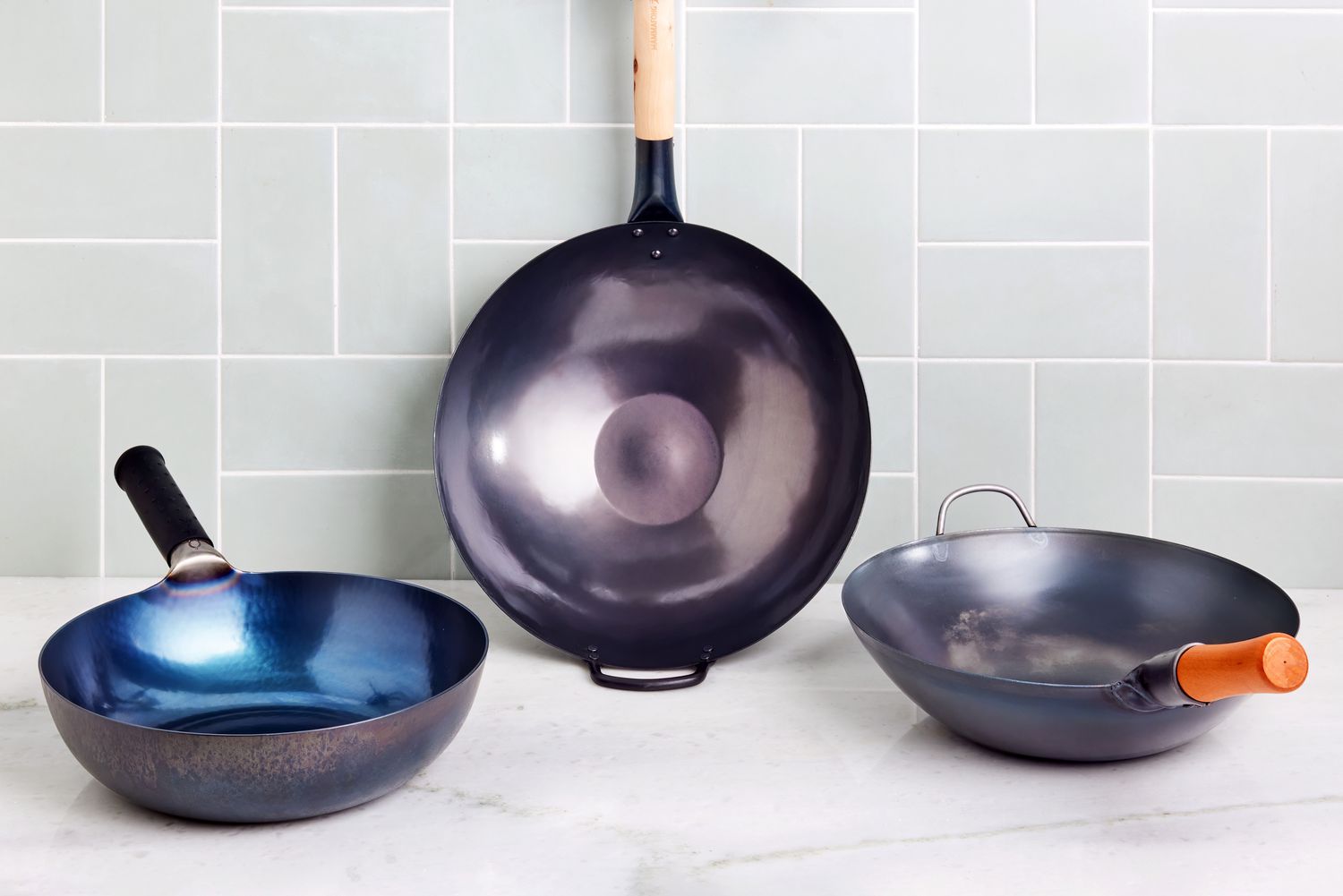
Wok this way, culinary explorers, as we delve into the world of woks. The first contender, the carbon steel wok, is a fan favorite for its lightweight nature and quick heat response. However, it requires regular seasoning and a bit of TLC to prevent rusting. Want to know more about seasoning? Check out our wok seasoning guide.
Next up is the heavyweight champion, the cast iron wok. It's praised for its heat retention, but its weight can make it a bit cumbersome in the kitchen. Lastly, we have the non-stick wok, a beginner-friendly option that's easy to clean but isn't suitable for high-heat cooking. Curious about the differences between these woks? Head over to our FAQ section.
Choosing the right wok is like finding a dance partner. It needs to match your rhythm, style, and, most importantly, your kitchen setup. Don't worry, we've got a guide to help you make the best decision. Now, are you ready to stir up a storm?
Top Stir-Fry Companions: Best Woks on Amazon
Wok Prep: The Art and Science of Seasoning Your Wok
Now that we've chosen the perfect wok, it's time to prepare it for its culinary journey. Seasoning your wok is a crucial step to ensure optimal cooking performance. Let's walk through the process together.
The Art of Wok Seasoning: A Step-By-Step Guide
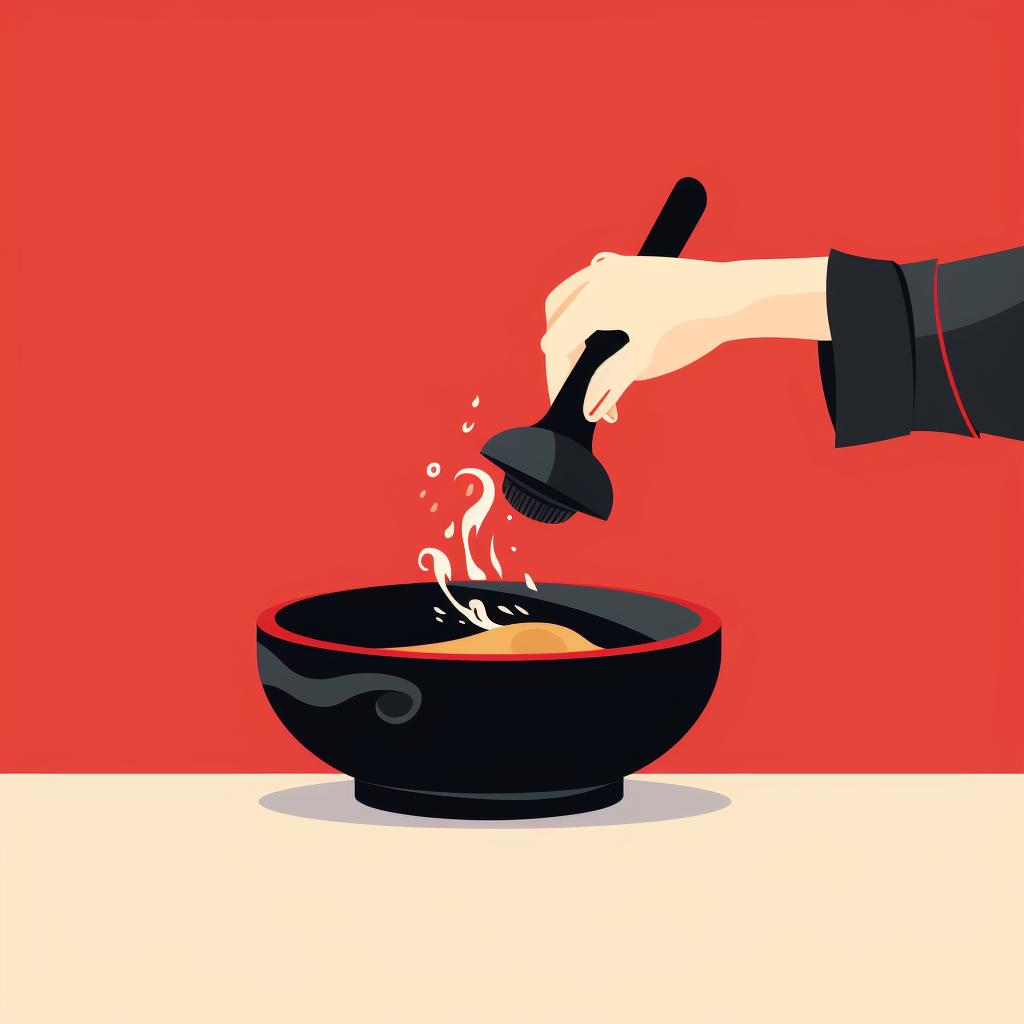

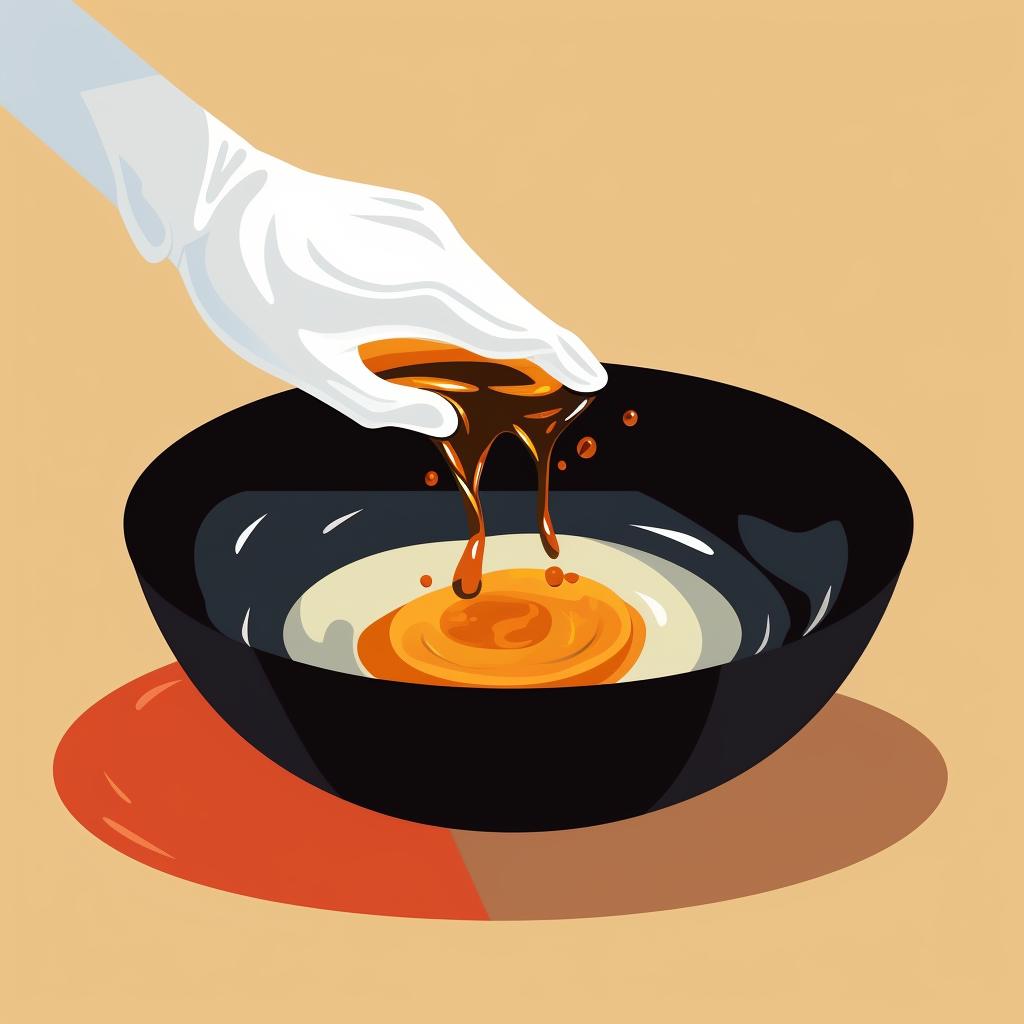
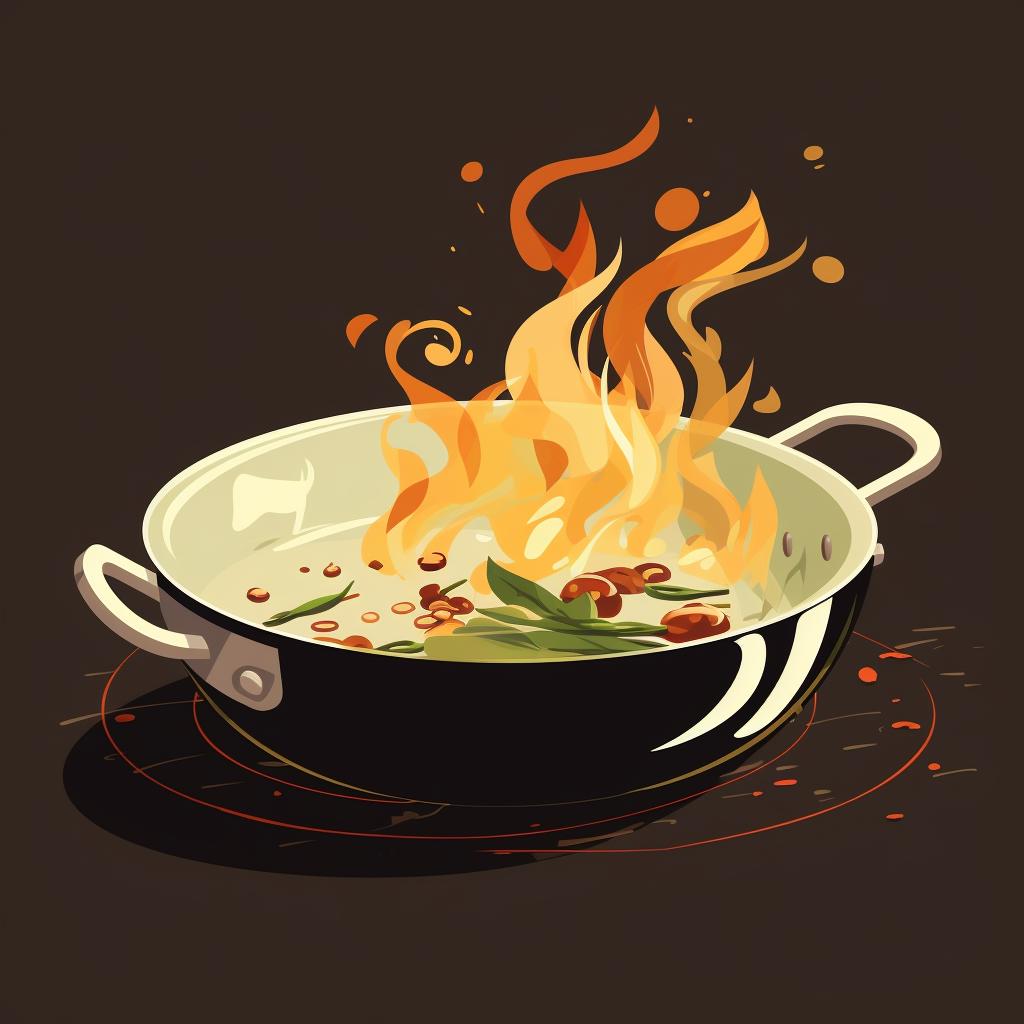
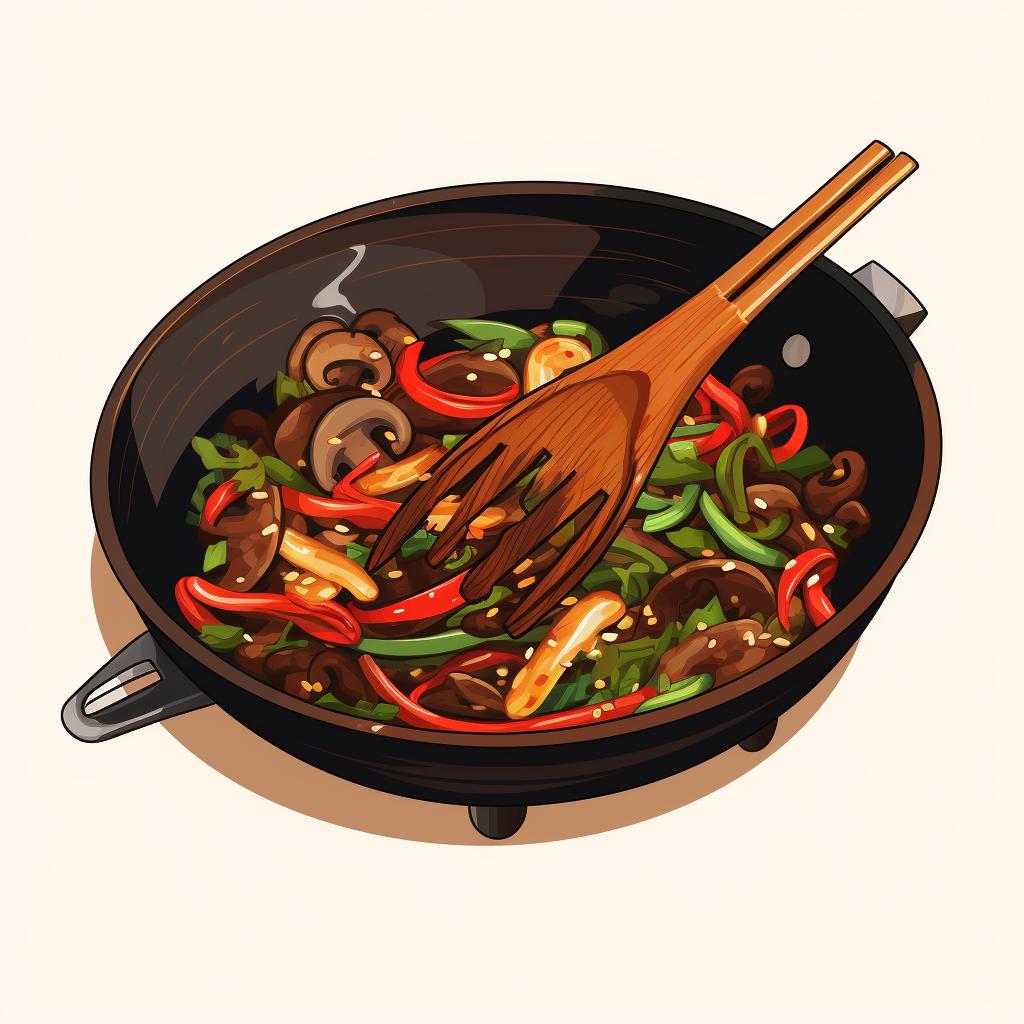

Learn more about 🥢 The Art of Wok Seasoning: A Step-By-Step Guide 🥢 or discover other Hip Wok guides.
Congratulations! Your wok is now seasoned and ready for culinary action. To see this process in action, check out the following video tutorial.
After going through the step-by-step guide, you might still have some questions or want to see the process in action. The following video tutorial will visually guide you through the process of seasoning a new wok.
Now that you've learned how to properly season your wok, it's time to explore the various cooking techniques you can use with your well-prepared wok. Let's dive into the essential techniques for wok cooking in the next section.
Master the Wok: Essential Techniques Every Beginner Should Know
Unleashing the magic of your wok is all about mastering the techniques. Stir-frying, the most popular method, transforms your raw ingredients into a flavorful feast in minutes. It's not just about tossing veggies around; it's an art, a dance of heat and motion that seals in the flavors and nutrients.
Then there's deep-frying, a technique that gives you those crispy, golden delights we all love. And let's not forget about braising, where your wok gently simmers ingredients to tender perfection. Lastly, there's steaming, an age-old method that retains the food's nutritional value while ensuring a soft, succulent texture.
Each technique brings out a different side of your ingredients, creating a symphony of flavors and textures. Curious about the best woks for each method? Check out our guide to the best woks. And if you're ready to put these techniques to the test, why not try some of our easy wok recipes?
Wok and Roll: Easy and Tasty Recipes to Kickstart Your Wok Journey
Welcome, budding wok warriors! Are you ready to embark on a culinary journey that promises to be as thrilling as it is delicious? Wok cooking for beginners doesn't have to be intimidating. In fact, with the right guide to wok cooking, you'll be whipping up delectable Asian recipes in no time!
It's time to put that shiny new wok to work. But first, did you know that the key to a great stir-fry lies in the seasoning of your wok? Our comprehensive wok seasoning guide will help you unlock those elusive flavors that make Asian cuisine so irresistibly tasty.
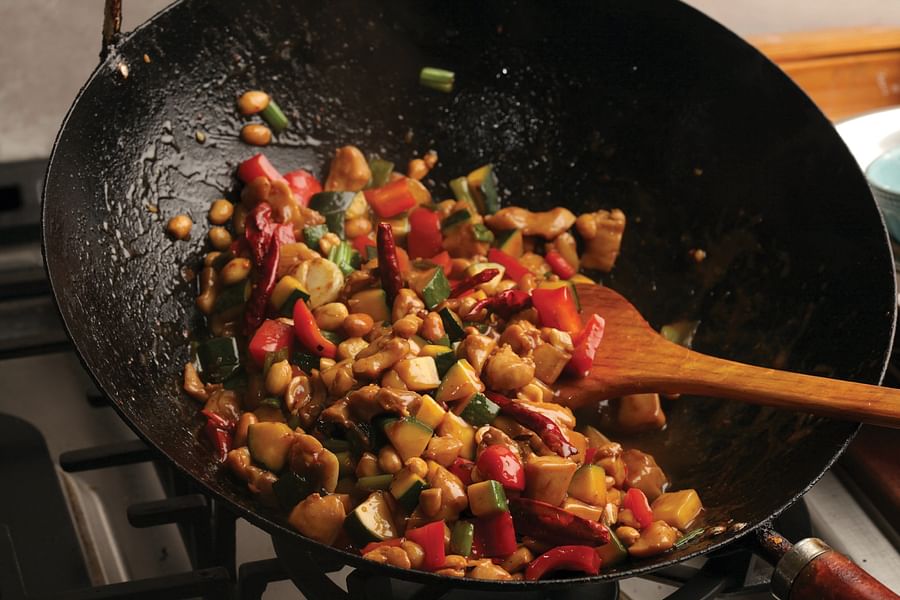
Ready to dive into the world of easy wok recipes? From sizzling stir-fries to scrumptious steamed dumplings, we've got you covered. Whether you're a fan of fiery Kung Pao chicken or prefer a milder veggie stir-fry, there's a dish waiting to tantalize your taste buds. And remember, practice makes perfect! So, grab your wok, and let's get cooking! Here are some beginner-friendly recipes to get you started.
Veggie Stir-Fry with Tofu
You will need:
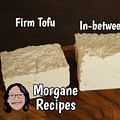 14 oz firm tofu
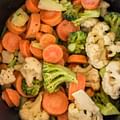 2 cups mixed vegetables (carrots, bell peppers, broccoli, snow peas)
 1 tablespoon vegetable oil
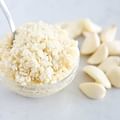 3 cloves garlic, minced
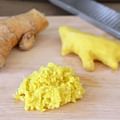 1 tablespoon fresh ginger, grated
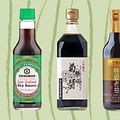 2 tablespoons soy sauce
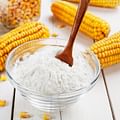 1 tablespoon cornstarch
 1/2 cup vegetable broth
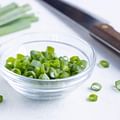 2 green onions, chopped
Instructions
- Press the tofu to remove excess moisture.
- Cut the tofu into cubes.
- Heat the oil in a wok over high heat.
- Add the tofu and stir-fry until golden brown.
- Remove the tofu and set aside.
- In the same wok, add the garlic and ginger, stir-fry for a minute.
- Add the mixed vegetables and stir-fry until tender.
- In a small bowl, mix the soy sauce, cornstarch, and vegetable broth.
- Pour the sauce over the vegetables and bring to a simmer.
- Add the tofu back to the wok and stir to combine.
- Garnish with green onions and serve.
Notes
This is a versatile recipe and you can replace the tofu with chicken or shrimp if you prefer. Similarly, feel free to use any vegetables you have on hand.
Learn more about 🥦 Veggie Stir-Fry with Tofu Recipe or discover other Hip Wok recipes.
Classic Chicken Fried Rice
You will need:
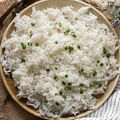 2 cups of cooked jasmine rice
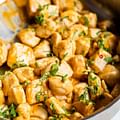 1 chicken breast, diced
 2 eggs
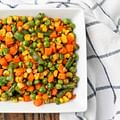 1 cup of frozen mixed vegetables
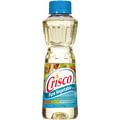 2 tablespoons of vegetable oil
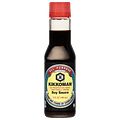 2 tablespoons of soy sauce
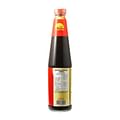 1 tablespoon of oyster sauce
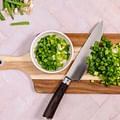 2 green onions, chopped
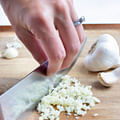 1 clove of garlic, minced
Instructions
- Heat the oil in your wok over medium-high heat.
- Add the diced chicken and cook until no longer pink.
- Add the garlic and stir-fry for about 30 seconds.
- Crack the eggs into the wok and scramble until just set.
- Add the mixed vegetables and stir-fry until they are heated through.
- Add the rice, soy sauce, and oyster sauce and stir-fry for another 2-3 minutes.
- Finish with the chopped green onions and serve.
Notes
You can use any type of cooked rice for this recipe, but jasmine rice is traditional in Thai cuisine and adds a nice fragrance to the dish. Feel free to add more vegetables or protein to suit your taste.
Learn more about 🍳 Classic Chicken Fried Rice Recipe or discover other Hip Wok recipes.
Spicy Shrimp and Broccoli Stir-Fry
You will need:
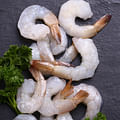 1 lb of shrimp, peeled and deveined
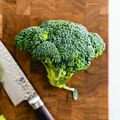 2 cups of broccoli florets
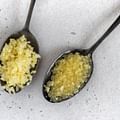 2 cloves of garlic, minced
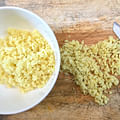 1 tablespoon of fresh ginger, grated
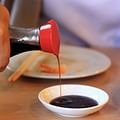 2 tablespoons of soy sauce
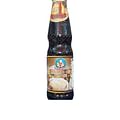 1 tablespoon of oyster sauce
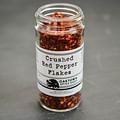 1 teaspoon of red pepper flakes
 2 tablespoons of vegetable oil
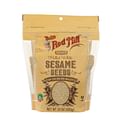 1 teaspoon of sesame seeds
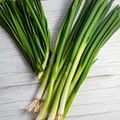 Green onions for garnish
Instructions
- Heat the vegetable oil in your wok over high heat.
- Add the garlic and ginger and stir-fry for 30 seconds.
- Add the shrimp and stir-fry until they turn pink.
- Add the broccoli and stir-fry for another 2 minutes.
- Mix in the soy sauce, oyster sauce, and red pepper flakes.
- Stir-fry everything together until well combined and heated through.
- Garnish with sesame seeds and green onions.
Notes
This dish is best served hot, right out of the wok. You can adjust the level of spiciness by adding or reducing the amount of red pepper flakes. Pair this stir-fry with a bowl of steamed rice for a complete meal.
Learn more about 🌶️ Spicy Shrimp and Broccoli Stir-Fry Recipe or discover other Hip Wok recipes.
Wok Wisdom: Insider Tips for a Flawless Wok Cooking Experience
Set sail on your culinary journey with these practical tips to make your wok cooking for beginners more enjoyable and efficient. First, remember to always preheat your wok before adding oil. This step is crucial as it prevents food from sticking and ensures your stir-fry sizzles the second it hits the surface. Now, ask yourself, what is the best oil to use for wok cooking? High smoke point oils, like peanut oil, are your best friends here!
Wok cooking is a dance of heat and speed. Too slow, and you lose the crisp, vibrant flavors; too fast, and you might have a kitchen fiasco on your hands. Need some inspirations? Check out these easy and affordable Asian-inspired recipes.
Finally, don't forget, the wok seasoning process is no one-night stand. It's a relationship built over time and many stir-fries. Curious about how to season a wok? Our wok seasoning guide is your trusty companion on this journey. Congratulations! You've taken the first step towards mastering the art of wok cooking. See you in the kitchen!
As we venture into the great outdoors, let's not forget about safety. Here's a handy checklist to keep you safe while wok cooking over a campfire.
Now that you're equipped with safety tips, let's dive into some common questions beginners often have about wok cooking.
Wok Talk: Addressing Your Burning Questions about Wok Cooking
As we delve into the world of wok cooking, it's natural to have a few questions. Here are answers to some of the most common queries beginners often have.
With these answers, you're now well-equipped to start your wok cooking journey. Remember, practice makes perfect. So, don't be afraid to experiment and make mistakes. Happy wok cooking!
No comments yet. Be the first to share your thoughts!