

Unveiling the Allure of the Best Cast Iron Wok 🍳
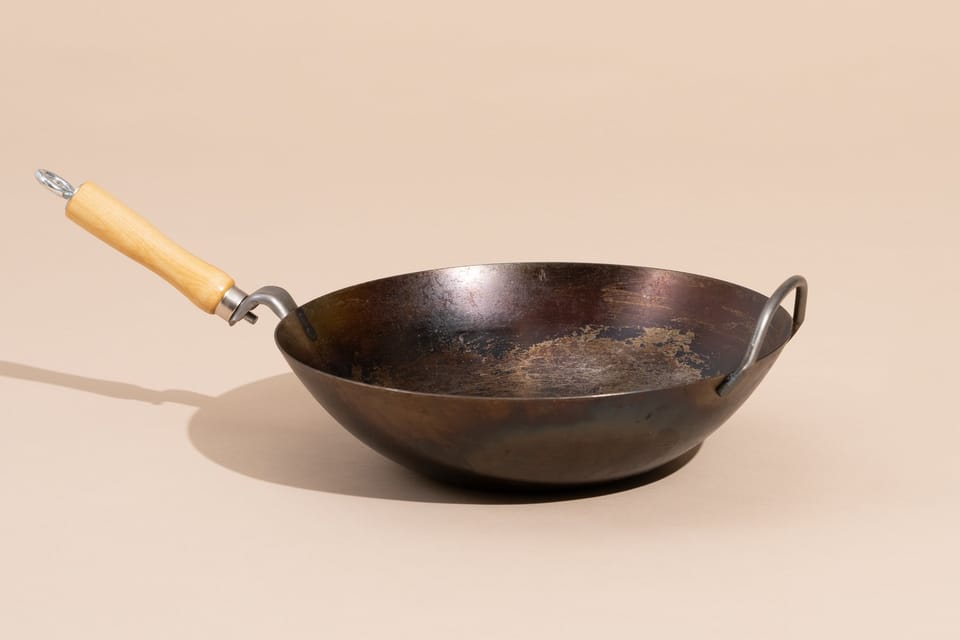
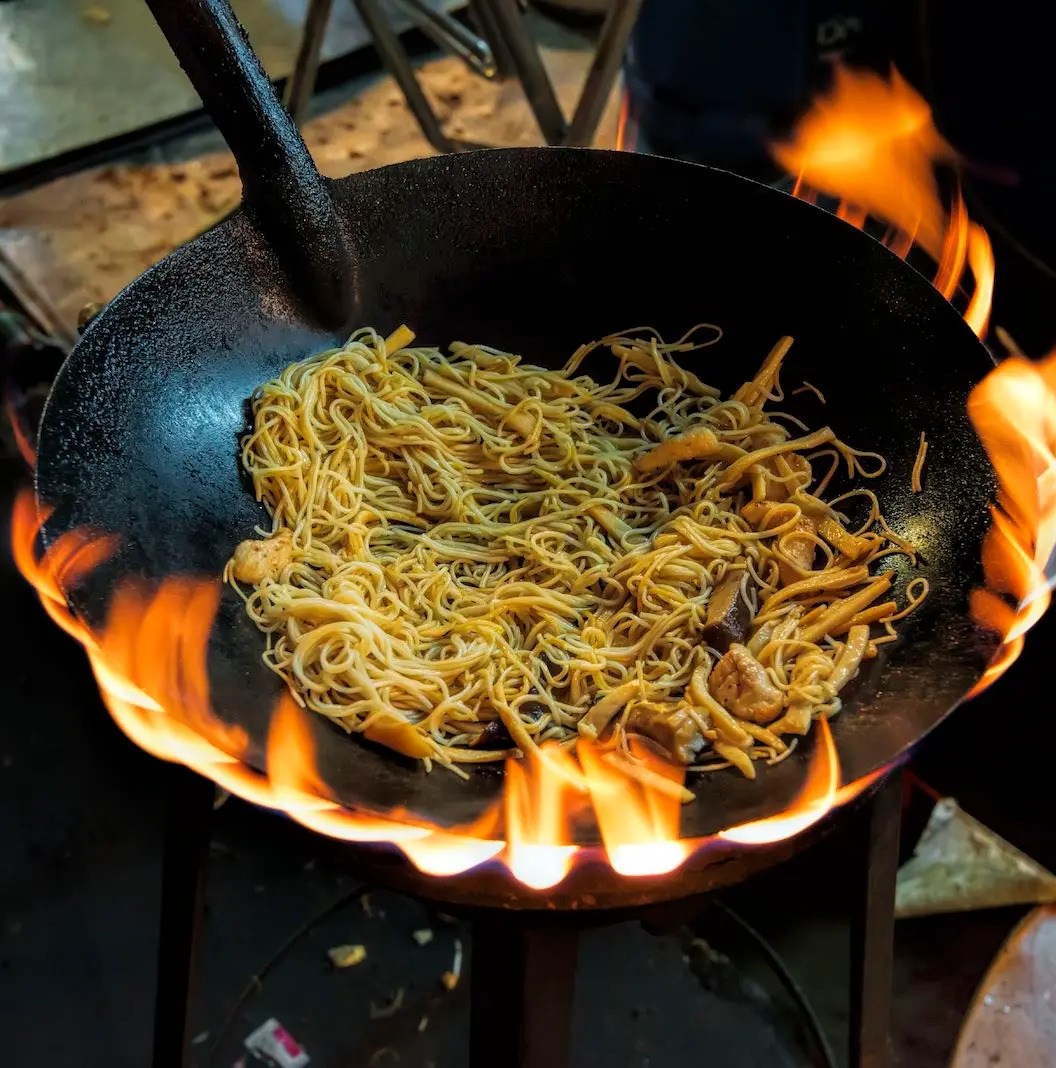
There's an undeniable magic to the best cast iron wok that has captivated culinary enthusiasts for centuries. Imagine a vessel, forged in the fires of tradition, bearing the weight of countless Asian recipes, and yet, ever ready to embrace your modern kitchen's chaos. Is it the timeless charm, the versatility, or the promise of a perfectly seared stir-fry that makes it so appealing?
Perhaps, it's the way a seasoned cast iron wok transforms into a non-stick canvas, waiting for your culinary artistry. Or maybe, it's the thrill of the wok cooking guide challenge, the dance of heat, and the sizzle of an Asian wok sauce that keeps us coming back for more. So, are you ready to discover why a cast iron wok deserves a place of honor in your kitchen?
Why Cast Iron Woks Rule the Roost: The Science Unpacked 🔬
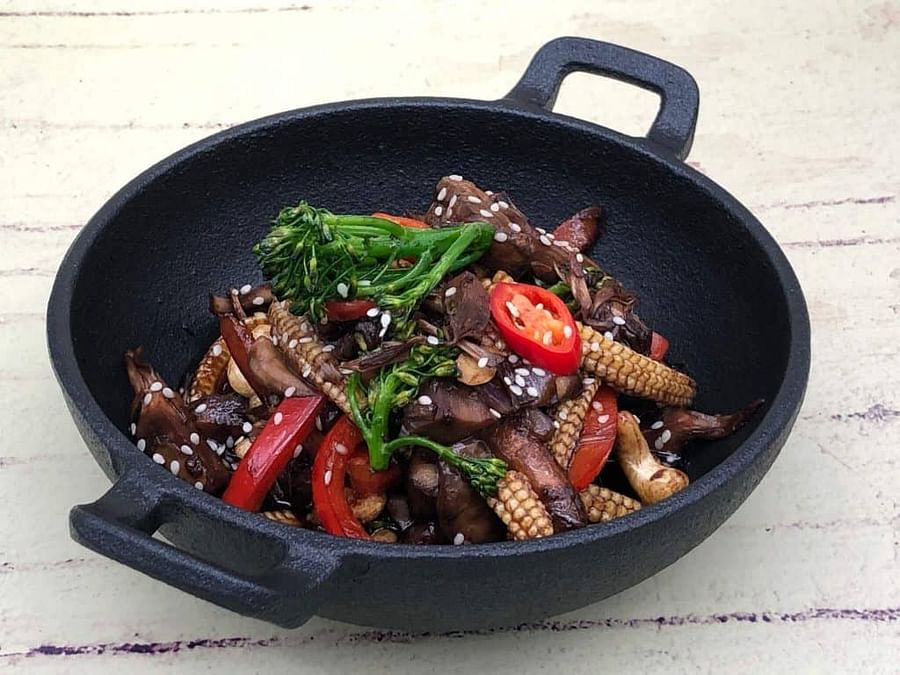
Ever wondered why the best cast iron wok is a darling of Asian culinary maestros? The science behind it is as fascinating as the dishes it whips up! Cast iron, a sturdy alloy of iron and carbon, possesses remarkable thermal properties. It heats uniformly and retains that heat, making it a natural fit for wok cooking, where high, consistent heat is paramount.
Unlike its non-stick counterparts, a well-seasoned cast iron wok boasts a naturally non-stick surface, allowing for healthier, lower oil cooking. And speaking of seasoning, this is where the magic really happens! The process of seasoning a cast iron wok involves baking oil onto its surface, creating a patina that not only prevents food from sticking but also protects the wok from rust. It’s a win-win!
So, when it comes to the cast iron wok vs. non-stick wok debate, the former takes home the trophy for durability, heat retention, and a natural non-stick surface. Now, isn't that a triple threat worth bringing into your kitchen?
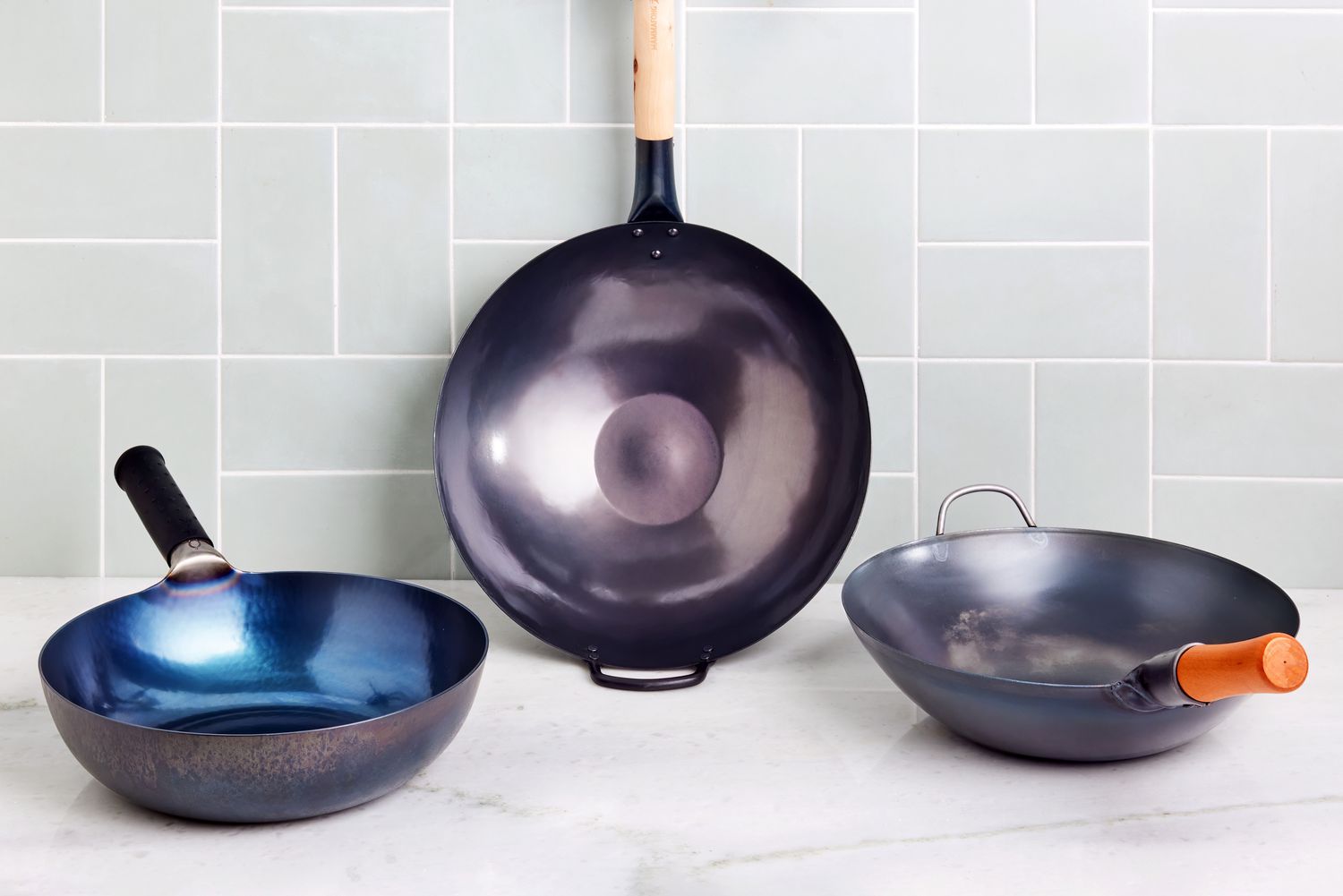
Comparative Analysis of Different Types of Woks
Master the Art of Seasoning: Your Cast Iron Wok's Secret Sauce 🗝️
Ever wondered about the secret behind the best cast iron wok's glossy, non-stick surface? The answer is seasoning. No, not the salt and pepper kind, but a process that involves coating your wok with a thin layer of oil and heating it to create a patina. This patina not only gives your wok its non-stick prowess but also acts as a protective shield, warding off rust and wear.
Seasoning a cast iron wok isn’t a one-time affair. It’s a beautiful ritual, a commitment to your wok that enhances its performance with every stir-fry you make. Intrigued about this culinary bond? Learn more about how to season your wok and unlock its full potential.
Remember, a well-seasoned wok is more than just a cooking vessel. It's a flavor enhancer, a trusty sidekick in your Asian culinary adventures. So, ready to embark on this journey? Here are some recipes to get you started.
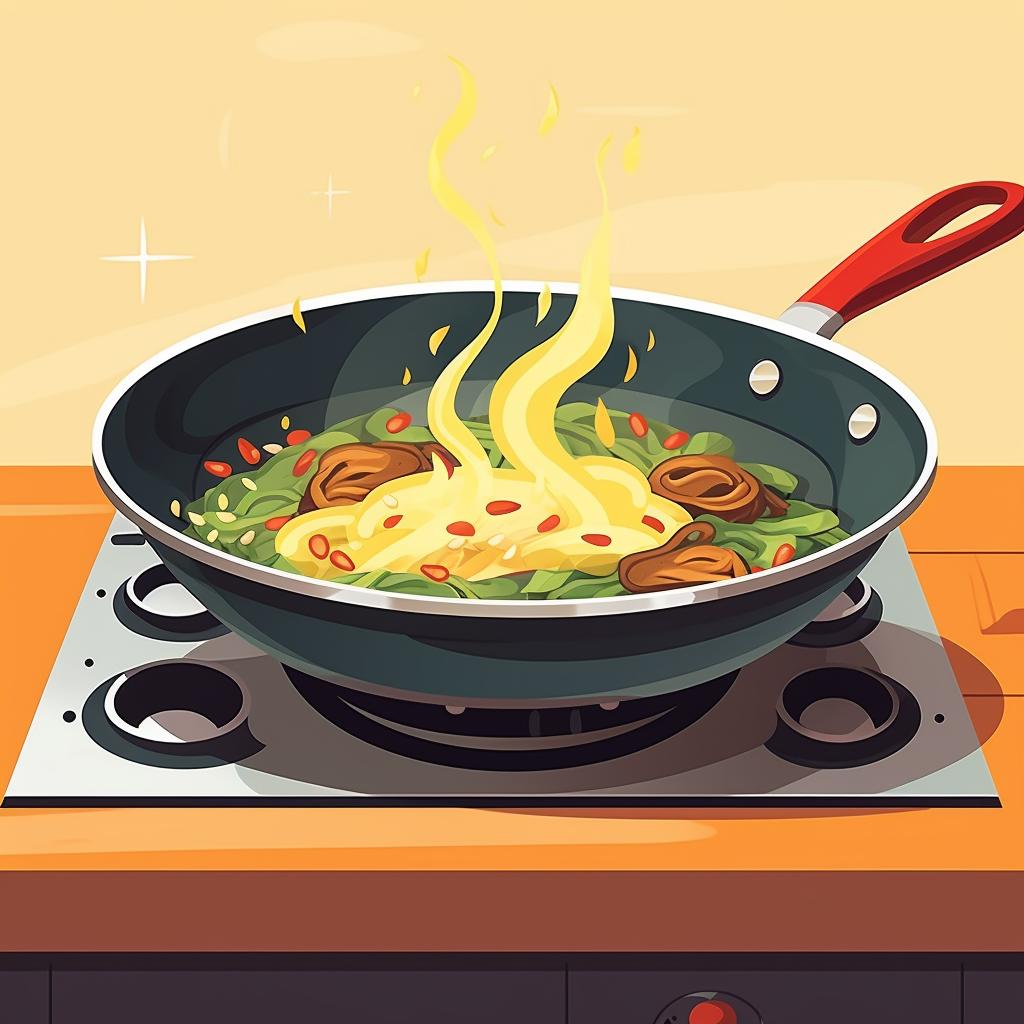
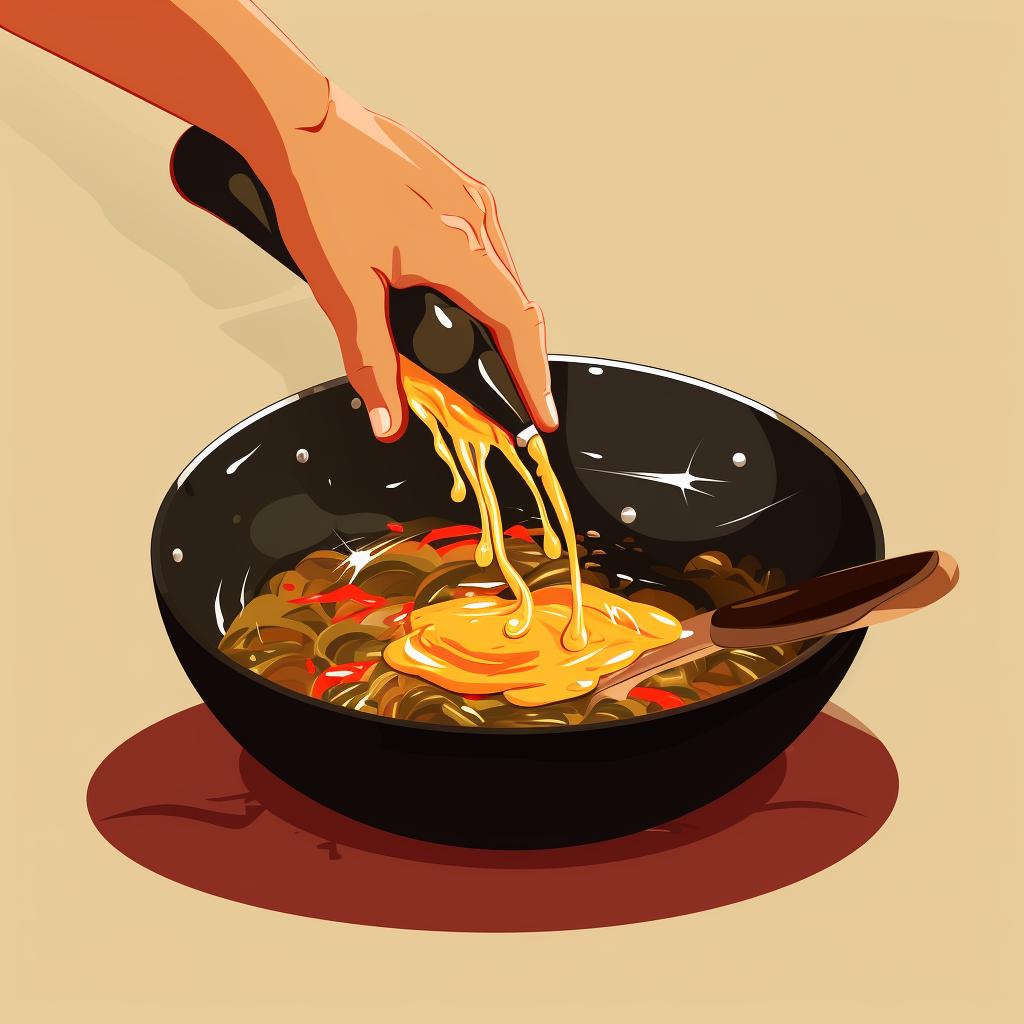
Now that we've understood the importance of seasoning, let's dive into the process. Here's a step-by-step guide to seasoning your cast iron wok:
Mastering the Art of Seasoning Your Cast Iron Wok

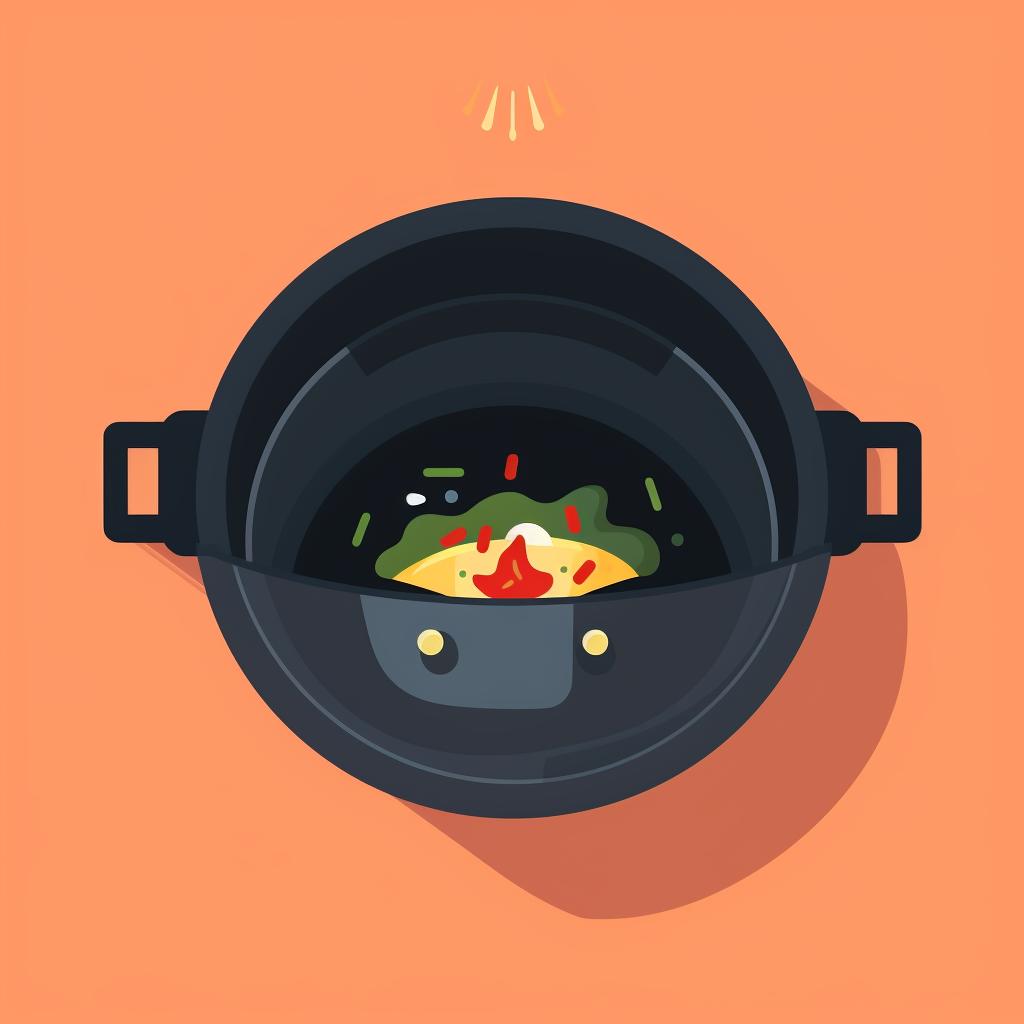
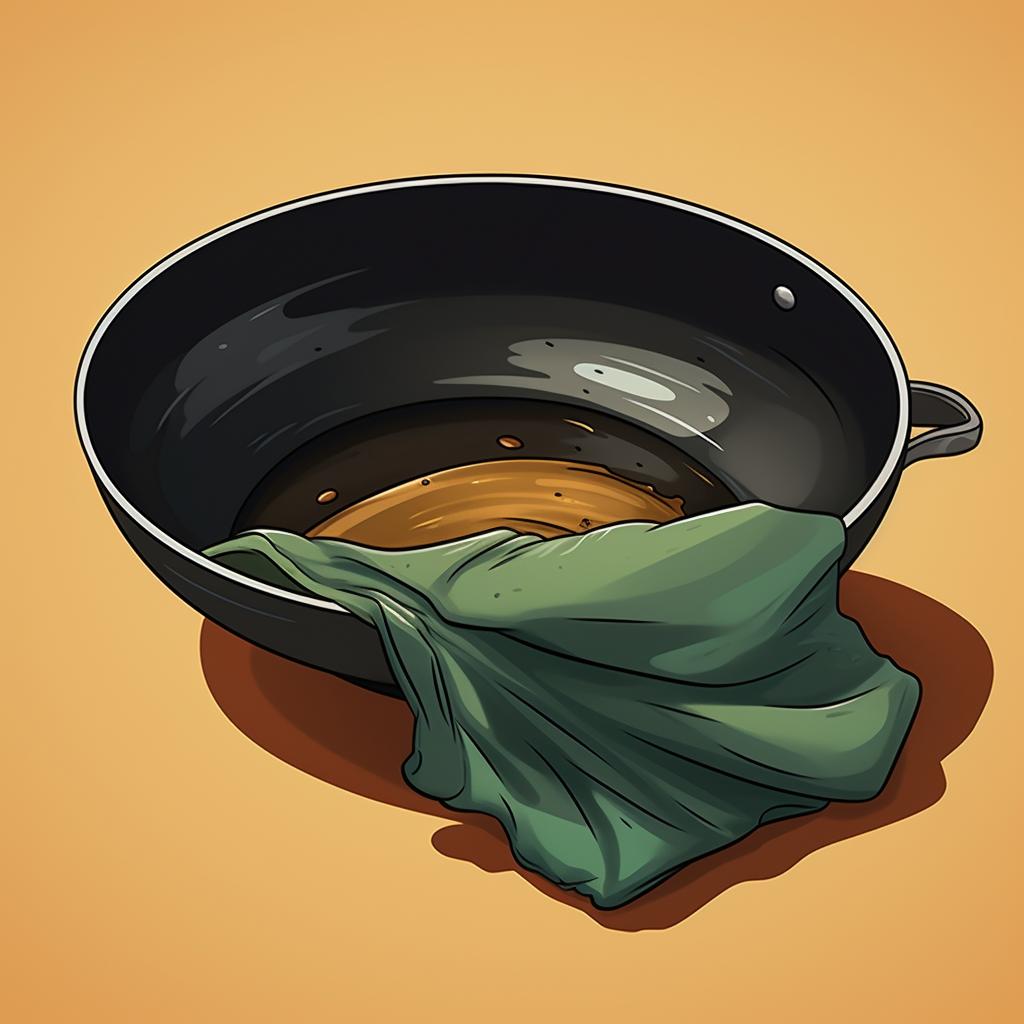
Learn more about 🔥 Mastering the Art of Seasoning Your Cast Iron Wok or discover other Hip Wok guides.
With your wok now seasoned, it's ready to assist you in creating some culinary magic. But remember, proper care and maintenance are key to ensuring your cast iron wok lasts a lifetime.
Long Live Your Wok! Cast Iron Care & Maintenance 101 🛠️
So, you've discovered the best cast iron wok, seasoned it to perfection, and even whipped up some tantalizing Asian recipes. But how do you ensure this culinary gem continues to serve you for years to come? It's simpler than you think!
First, cleaning. Remember, water is a sworn enemy of cast iron. After cooking, wipe your wok clean with a dry cloth or paper towel. Stubborn food residues? A gentle scrub with a non-metal brush should do the trick. Avoid using soap unless absolutely necessary, as it can strip away the seasoning.
Next, storage. Always store your wok in a dry place, away from moisture. A quick tip: after cleaning, heat your wok on the stove for a minute or two to evaporate any residual moisture. And there you have it - a well-maintained cast iron wok, ready for your next Asian culinary adventure!
Now that we've discussed the importance of proper care and maintenance, here's a handy checklist to keep your cast iron wok in top shape:
With your wok well-maintained, it's time to put it to good use. Let's dive into some delicious recipes you can try with your cast iron wok!
Whip Up a Storm: Scrumptious Asian Recipes for Your Wok 🍜
Think of a cast iron wok as a culinary magician, its round-bottomed silhouette stirring up a symphony of flavors and aromas. This isn't just about cooking; it's about creating edible art. Imagine the sizzle of garlic, the crackle of spices, and the vibrant dance of vegetables as they tumble around in the best cast iron wok you've chosen. It's a sensory experience that's hard to match.
Why does a cast iron wok work such wonders? It's all about heat retention and distribution. The wok's curvaceous form ensures every ingredient gets equal love from the heat, unlocking their deepest flavors. But the magic doesn't stop there. With every stir-fry, your seasoned cast iron wok absorbs the flavours, building a rich patina that adds an extra layer of taste to your dishes. It's like your wok is remembering every meal and using that memory to enhance the next.
Ready to embark on this flavorful journey? Let's dive into a world of sizzling Asian recipes that are perfect for your cast iron wok.
Kung Pao Chicken
You will need:
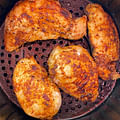 1 lb boneless, skinless chicken breasts, cut into chunks
 1 tablespoon soy sauce
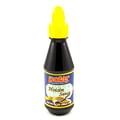 2 tablespoons hoisin sauce
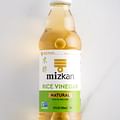 1 tablespoon rice vinegar
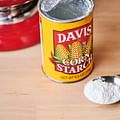 1 teaspoon cornstarch
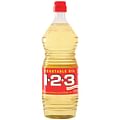 2 tablespoons vegetable oil
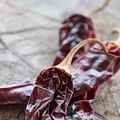 8 dried red chilies
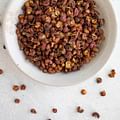 1 teaspoon Szechuan peppercorns
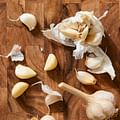 3 cloves garlic, minced
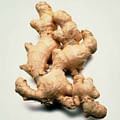 1 tablespoon ginger, minced
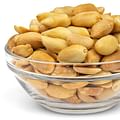 1/2 cup unsalted roasted peanuts
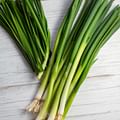 2 green onions, chopped
Instructions
- Marinate the chicken with soy sauce, hoisin sauce, rice vinegar, and cornstarch.
- Heat the oil in the wok.
- Add the chilies and peppercorns.
- Stir-fry the garlic and ginger.
- Add the chicken and stir-fry until cooked.
- Add the peanuts and green onions, stir well.
Notes
For a vegetarian version, replace the chicken with tofu. You can also add other vegetables like bell peppers or zucchini for added nutrition.
Learn more about 🍲 Kung Pao Chicken Recipe 🍗 or discover other Hip Wok recipes.
Vegetable Stir-fry
You will need:
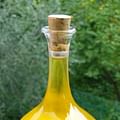 1 tablespoon vegetable oil
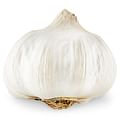 2 cloves garlic, minced
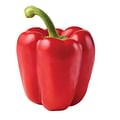 1 red bell pepper, sliced
 1 yellow bell pepper, sliced
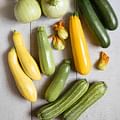 1 zucchini, sliced
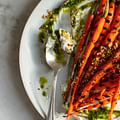 1 carrot, sliced
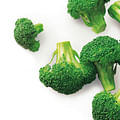 1 cup broccoli florets
 2 tablespoons soy sauce
 1 tablespoon cornstarch
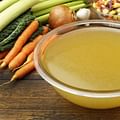 1/2 cup vegetable broth
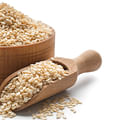 1 teaspoon sesame seeds (optional)
Instructions
- Heat the oil in your cast iron wok over medium-high heat.
- Add the minced garlic and stir until fragrant.
- Add the bell peppers, zucchini, carrot, and broccoli to the wok.
- Stir-fry the vegetables for about 5 minutes or until tender-crisp.
- In a small bowl, whisk together the soy sauce, cornstarch, and vegetable broth.
- Pour the sauce over the stir-fried vegetables and stir well to coat.
- Cook for another 2 minutes, or until the sauce has thickened.
- Sprinkle with sesame seeds before serving, if desired.
Notes
This vegetable stir-fry is a versatile dish that can be customized to your liking. Feel free to add some tofu or chicken for extra protein, or play around with the vegetables and sauce ingredients to create your own version.
Learn more about 🥦 Vegetable Stir-Fry Recipe or discover other Hip Wok recipes.
Final Stir: Why Your Kitchen Needs a Cast Iron Wok 🥘
And there you have it, dear culinary adventurers: the irrefutable reasons why a cast iron wok deserves a rightful place in your kitchen gallery. This is no ordinary cookware, but a hardy culinary companion, offering an unmatched blend of durability, flavor-enhancing prowess, and a non-stick surface when seasoned right. Is there a better stage for your exciting Asian recipes, from sizzling stir-fries to tangy Asian wok sauces?
But why stop at comparing cast iron woks with non-stick variants? Maybe you'd like to delve into the best woks for gas stoves or explore why authentic Chinese woks carry heftier price tags. Or, maybe you're ready to leap forward, armed with the best cast iron wok, ready to stir, sizzle, and season your way to gastronomic stardom.
So, as the wok's smoky allure envelops your senses, remember this: every great meal begins with a choice. And today, you chose a cast iron wok. Bon appétit!
Are you planning to purchase a cast iron wok after reading this article?
We're curious to know if our article has inspired you to explore the world of cast iron wok cooking. Please take a moment to answer our poll.
No comments yet. Be the first to share your thoughts!