

Setting Sail on the Flavorful Seas of Chinese Cuisine 🥢
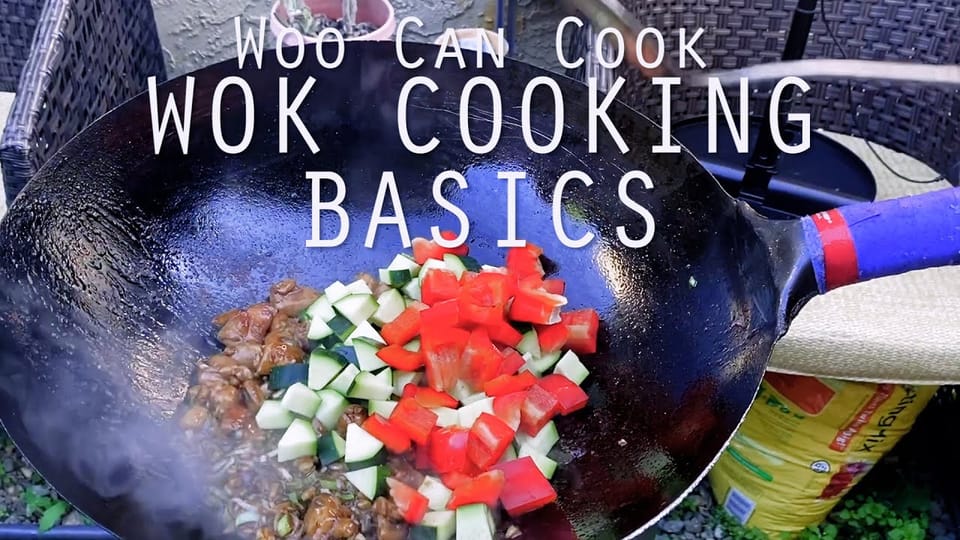
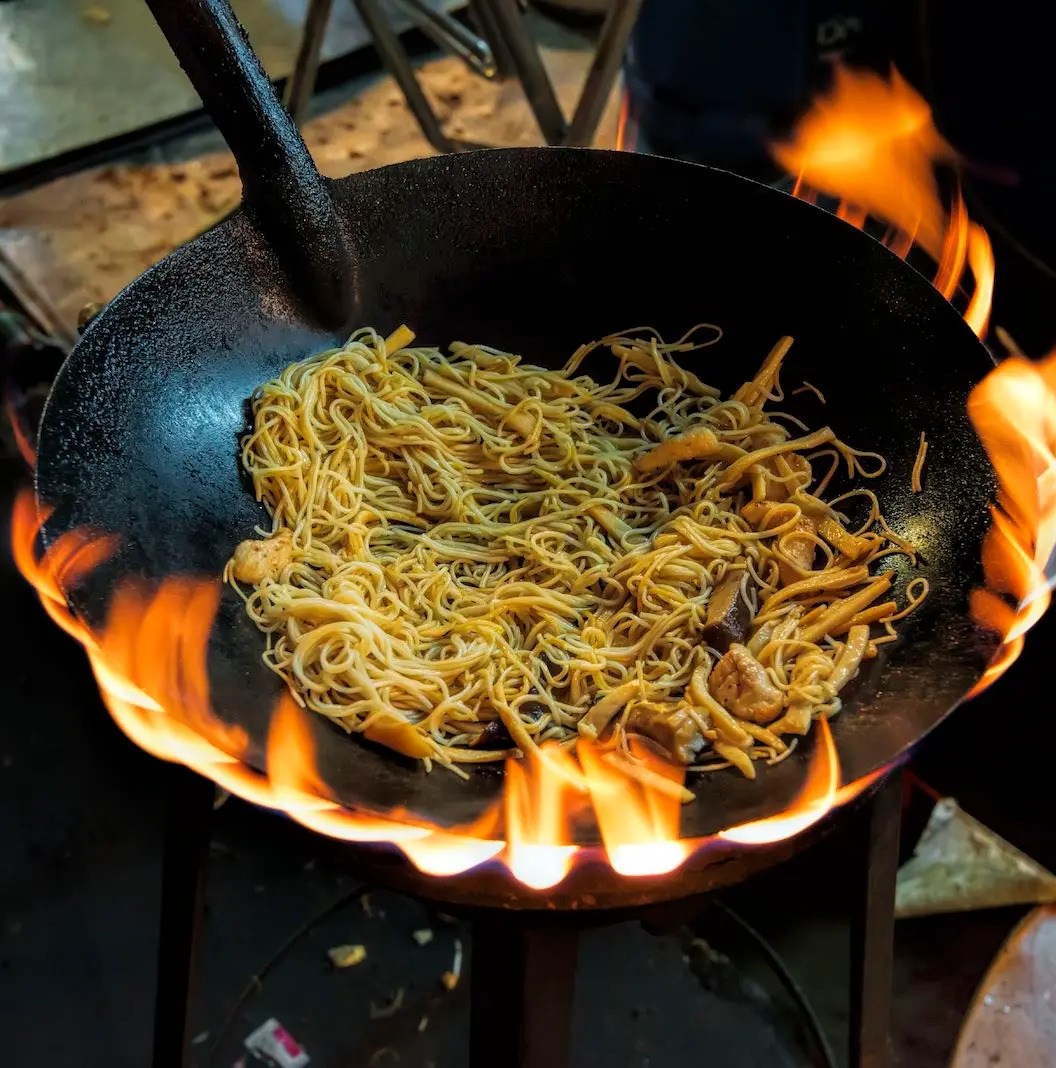
Welcome aboard, food explorers! Ever wondered about the secret behind the tantalizing flavors of Chinese cuisine that have captivated taste buds around the globe? It's all about the wok, the magical cauldron of Chinese cooking. Imagine the sizzle of fresh ingredients, the mesmerizing dance of flames, and the aroma wafting from this ancient cooking vessel. Ready to embark on a culinary journey through classic Chinese recipes?
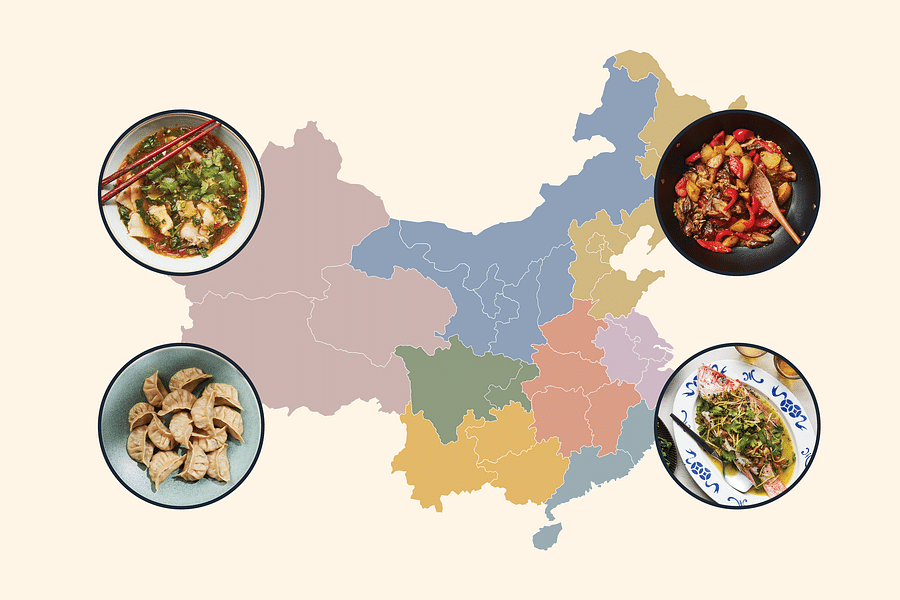
From the bustling streets of Beijing to the serene landscapes of Sichuan, Chinese cuisine is as diverse as the country itself. Each region has its own unique flavors and cooking techniques, all of which are brought to life in the wok. This guide to wok cooking will help you navigate the rich tapestry of Chinese cuisine, and perhaps, inspire you to create your own culinary masterpieces.
So, whether you're a seasoned chef or a curious novice, buckle up and get ready to dive into the world of wok cooking. Who knows? You might just discover your new favorite dish. After all, isn't life too short to miss out on the best Chinese wok recipes?
Meet Your New Best Friend: The Wondrous Wok 🔥
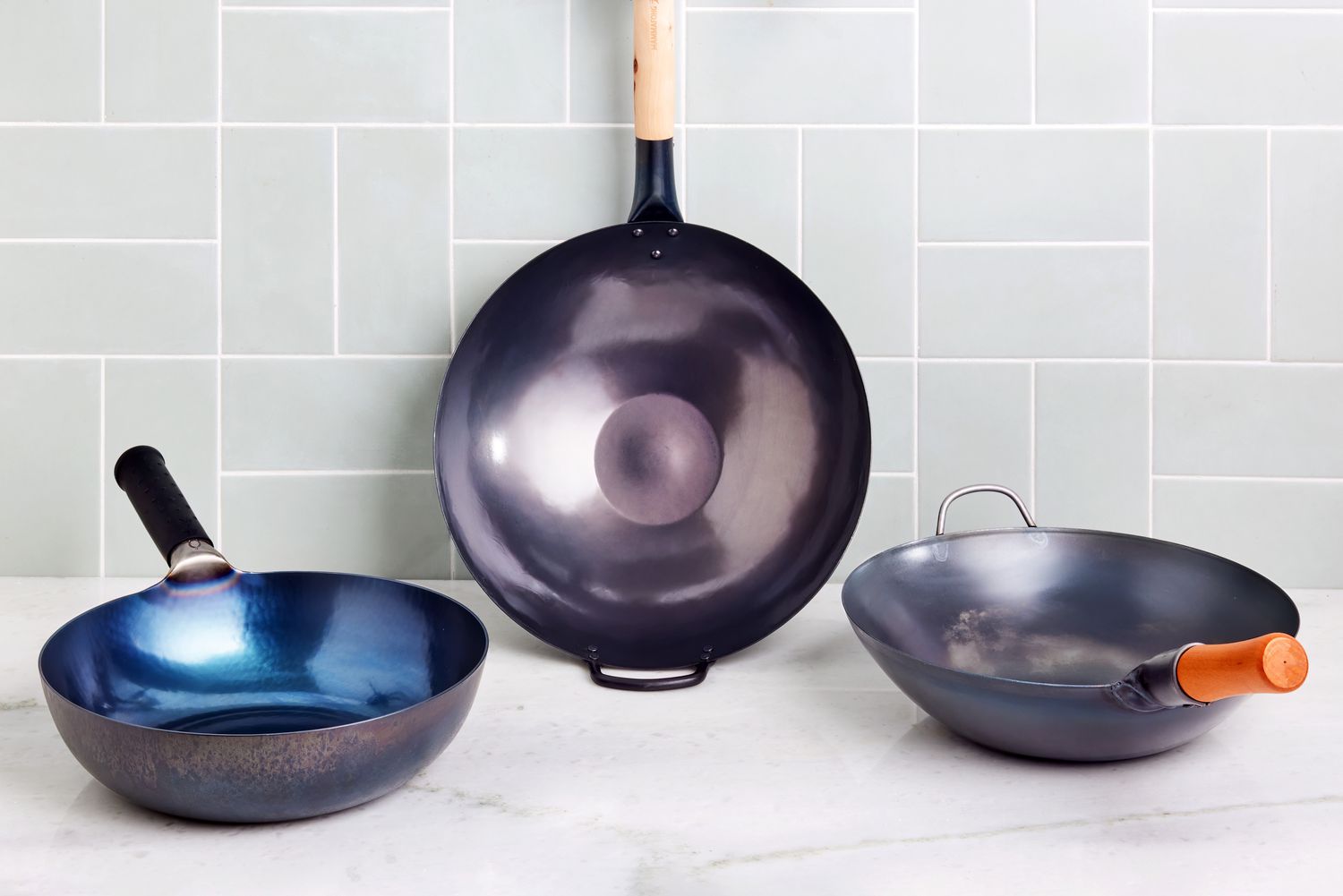
Imagine a tool so versatile, it's been the cornerstone of an entire culinary tradition for centuries. That's the wok for you, a true workhorse in the kitchen, as integral to Chinese cooking as chopsticks are to dining. This humble, bowl-shaped pan has charmed chefs worldwide, and why not? Its unique design allows for quick, high-heat cooking, making it the perfect vessel for those sizzling, savory, best Chinese wok recipes you've been craving.
But what makes the wok so special? It's all about the shape. Its deep, concave body and small base provide an unequalled heat distribution, ideal for stir-frying, deep-frying, and even steaming. Whether you're tossing together a quick weeknight dinner or recreating classic Chinese recipes, the wok is your trusty sidekick, lending that elusive 'wok hei' or 'breath of the wok' to your dishes - a flavor profile that's truly unique to wok cooking.
So, are you ready to embark on this exciting guide to wok cooking? To stir, toss, and sizzle your way through easy wok recipes, mastering wok cooking techniques as ancient as China itself? Let's dive in, and remember, the journey of a thousand meals begins with a single stir!
When it comes to mastering Chinese cooking, having the right tools is essential. And at the heart of every Chinese kitchen is a high-quality wok. A wok is not just a cooking vessel; it is a symbol of tradition, versatility, and culinary excellence. As we embark on our culinary journey through classic Chinese recipes, let's explore the perfect wok that will elevate our cooking experience.
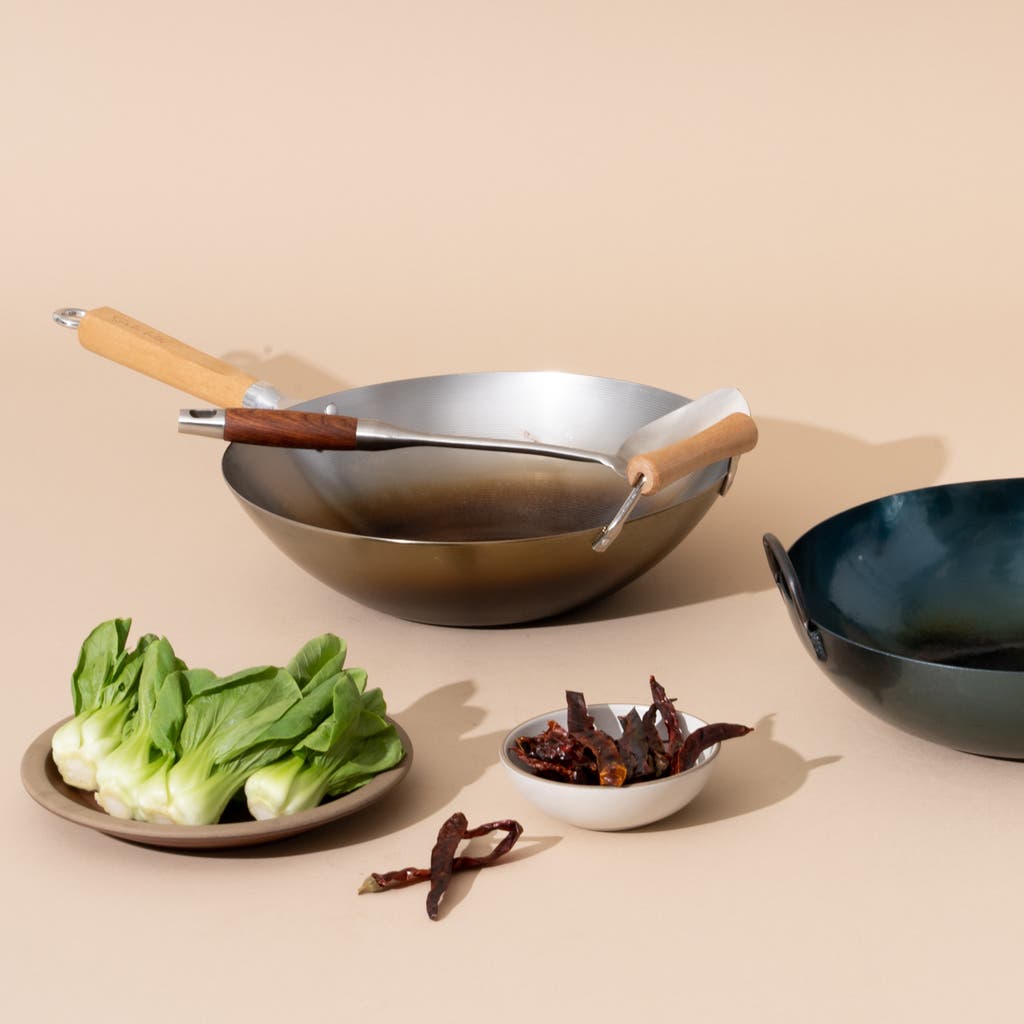
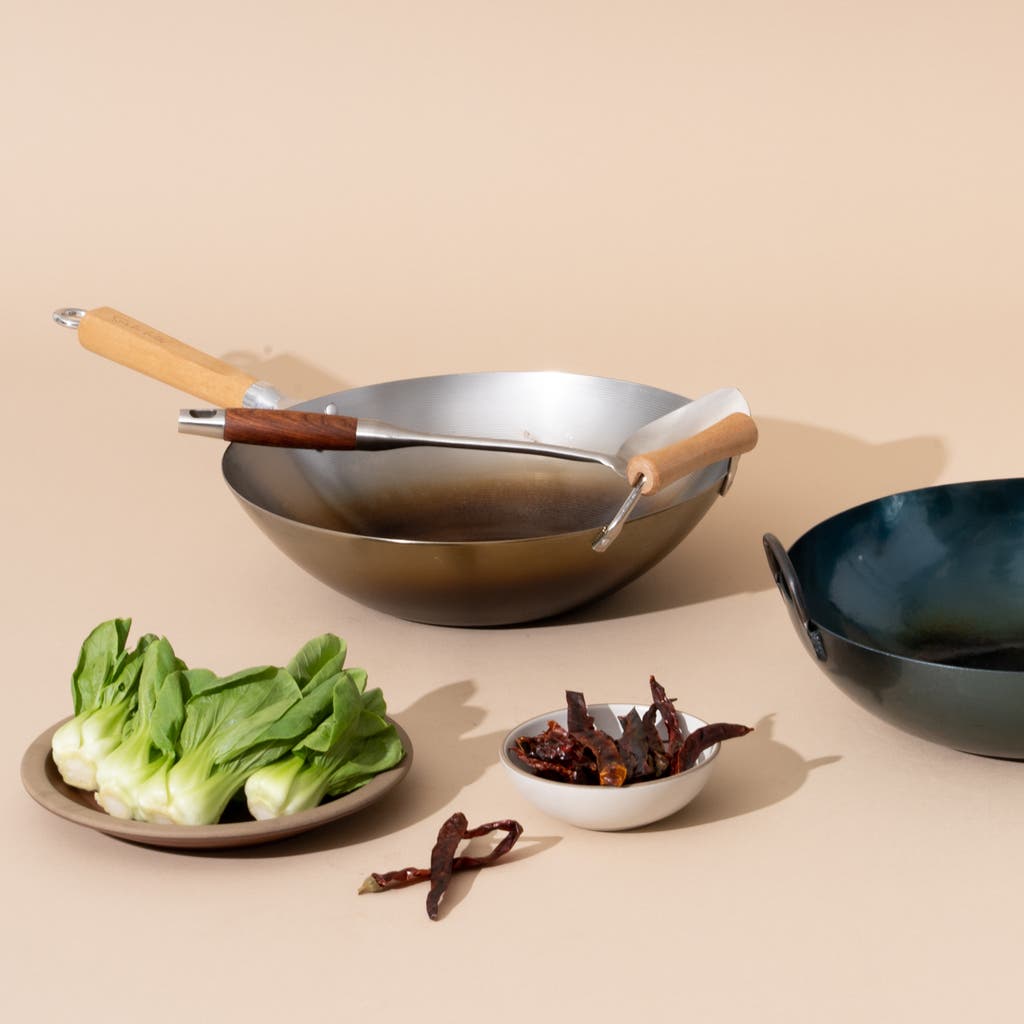
The Eleulife Carbon Steel Wok is a top recommendation for Chinese cooking enthusiasts. With its 13-inch size, it provides ample space for stir-frying, tossing, and sizzling your ingredients to perfection. The wok comes with a lid and spatula, making it a complete package for your cooking needs. Its nonstick surface is free from harmful chemicals, ensuring a safe and healthy cooking experience. Compatible with induction, electric, gas, and all stoves, this wok is designed to meet the needs of every home chef. Get ready to stir-fry your way to authentic Chinese flavors with the Eleulife Carbon Steel Wok!
Now that we've recommended a high-quality wok, let's dive into the reasons why a wok is such an essential tool in Chinese cooking. The following video by 'Pro Home Cooks' provides an in-depth explanation.
As you can see, the wok is not just a cooking utensil, but a versatile tool that can elevate your Chinese cooking experience. Now that we understand its importance, let's move on to how you can prepare your wok for cooking through the art of seasoning.
Seasoning Secrets: Prepping Your Wok for Flavorful Feasts 🍳
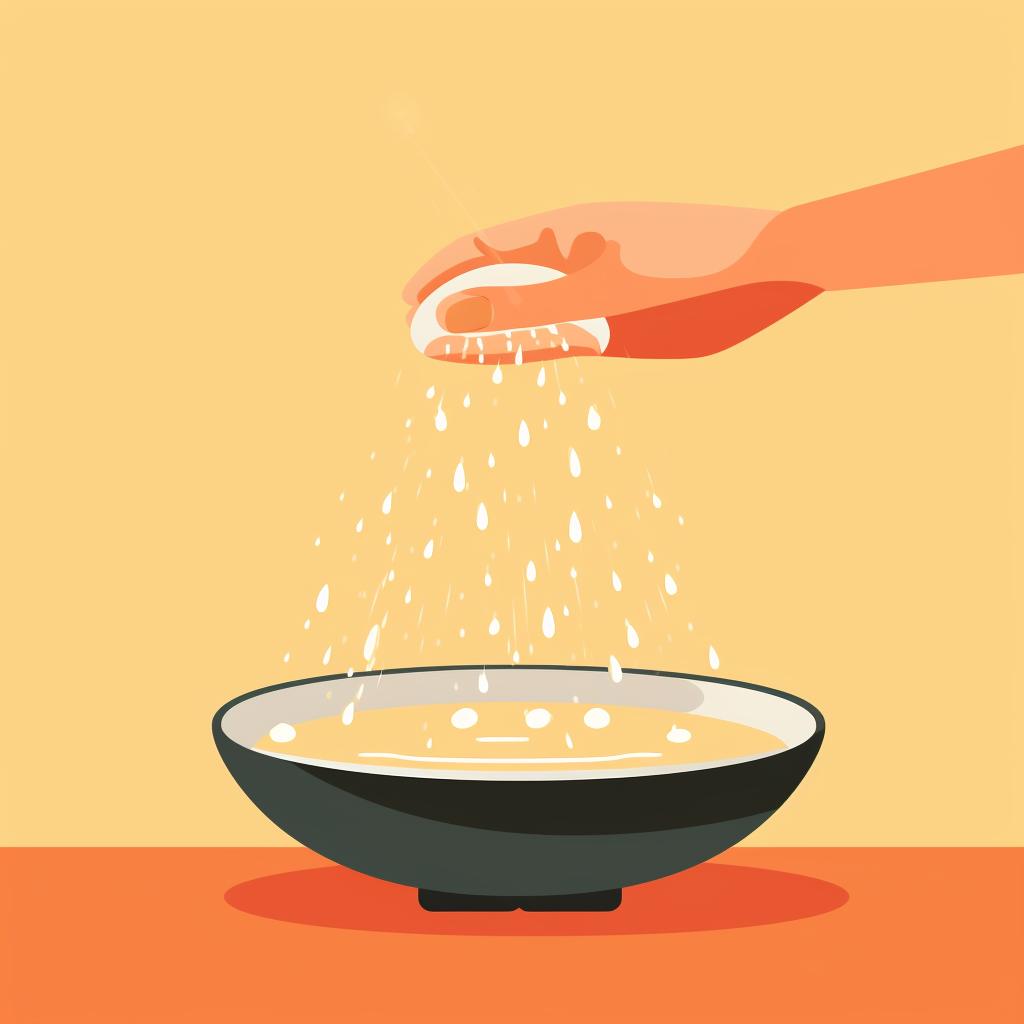
Before we dive into some mouth-watering recipes, it's important to ensure our wok is ready for the task. Seasoning your wok is an essential step that not only protects your wok but also enhances the flavors of your dishes. Let's learn how to do it properly:
The Wok Whisperer: Seasoning Your Wok Step-by-Step
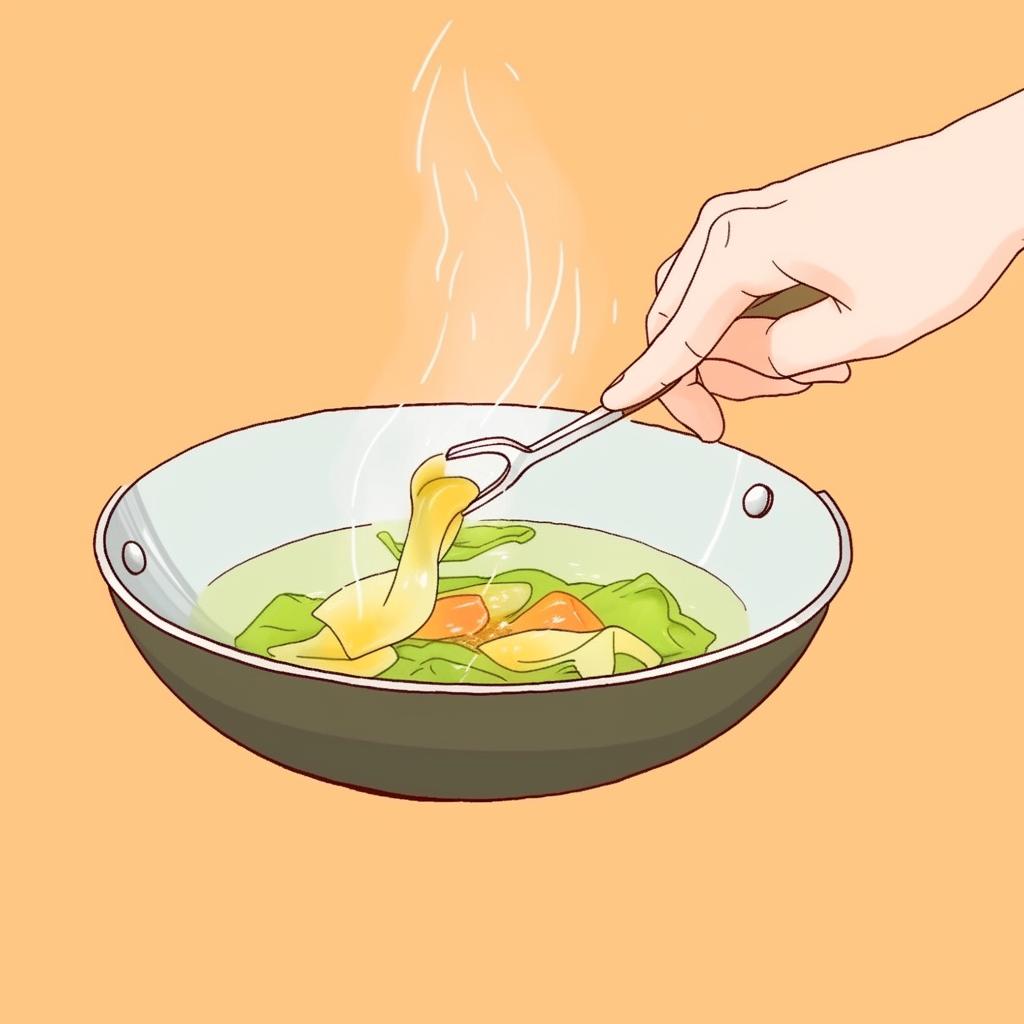
Learn more about The Wok Whisperer: Seasoning Your Wok Step-by-Step or discover other Hip Wok guides.
And there you have it! Your wok is now seasoned and ready to deliver some deliciously authentic Chinese dishes. Remember, the secret to a well-seasoned wok lies in regular use. So, let's get cooking!
Imagine, if you will, a symphony. Each instrument, from the delicate flute to the robust timpani, contributes its unique voice to the grand composition. In the orchestra of wok cooking techniques, seasoning your wok is the conductor. It orchestrates the harmony of flavors, ensuring every note hits just right.
Why is seasoning so crucial, you ask? Well, seasoned woks are the secret ingredient to those lip-smacking classic Chinese recipes you adore. It's the invisible hand that guides the essence of your ingredients, coaxing out their best qualities while adding a touch of its own character. It's the difference between a good dish and an unforgettable one.
Seasoning a wok for Chinese recipes isn't just a step in a guide to wok cooking. It's a rite of passage, transforming your wok from a simple cooking utensil into a trusted culinary companion. So, let's dive into the art of seasoning and unlock the true potential of your wok!
Ready, Set, Wok! Whipping Up Classic Chinese Delights 🍜
Stir-Fried Kung Pao Chicken
You will need:
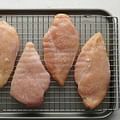 1 lb boneless chicken breasts, cut into bite-sized pieces
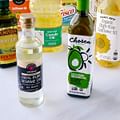 1 tablespoon cooking oil
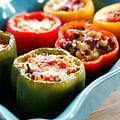 1 bell pepper, diced
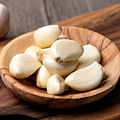 2 cloves garlic, minced
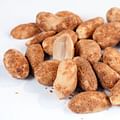 1/2 cup unsalted dry roasted peanuts
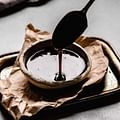 2 tablespoons soy sauce
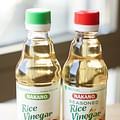 1 tablespoon rice vinegar
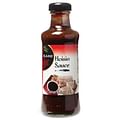 1 tablespoon hoisin sauce
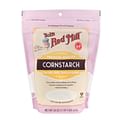 1 tablespoon cornstarch
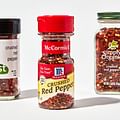 1 teaspoon crushed red pepper flakes
Instructions
- Heat the oil in your wok over medium heat.
- Add the chicken and stir-fry until cooked.
- Add the bell pepper and garlic, stir-fry for another 2 minutes.
- In a bowl, mix together soy sauce, rice vinegar, hoisin sauce, cornstarch, and red pepper flakes.
- Pour the sauce over the chicken and vegetables in the wok and stir well.
- Add the peanuts and cook for another 2 minutes.
- Serve hot with rice or noodles.
Notes
For a vegetarian version, substitute the chicken with tofu or your favorite vegetables. Adjust the amount of red pepper flakes to control the spiciness of the dish.
Learn more about 🥢 Stir-Fried Kung Pao Chicken Recipe or discover other Hip Wok recipes.
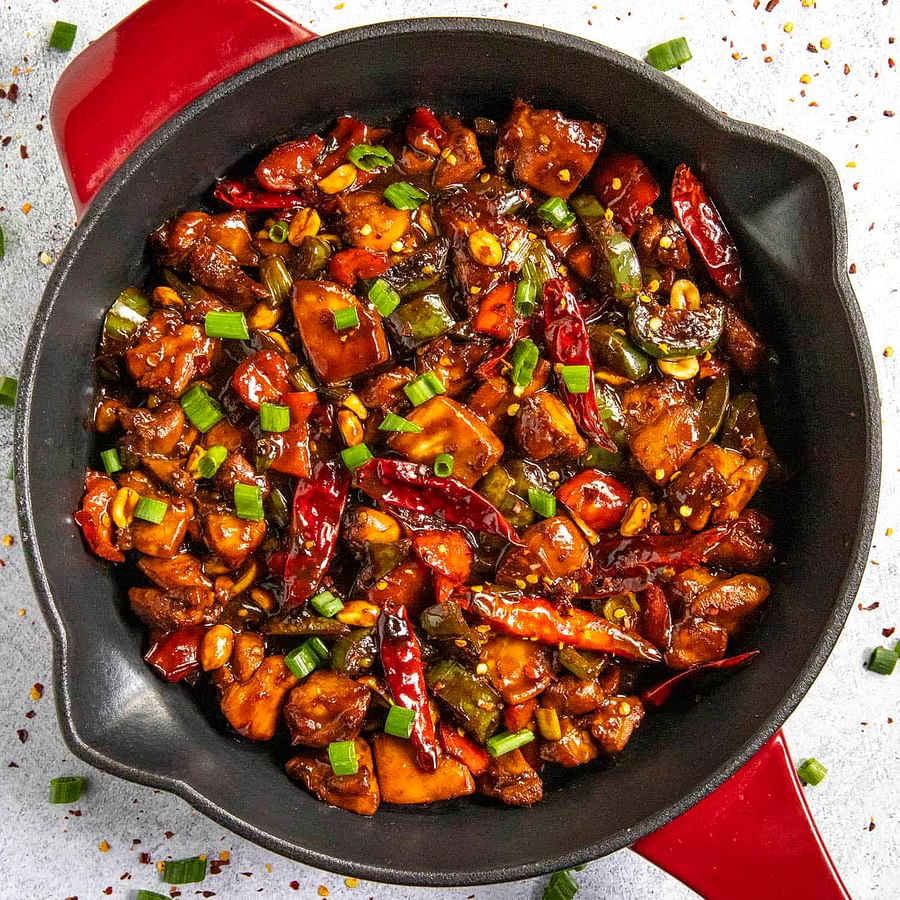
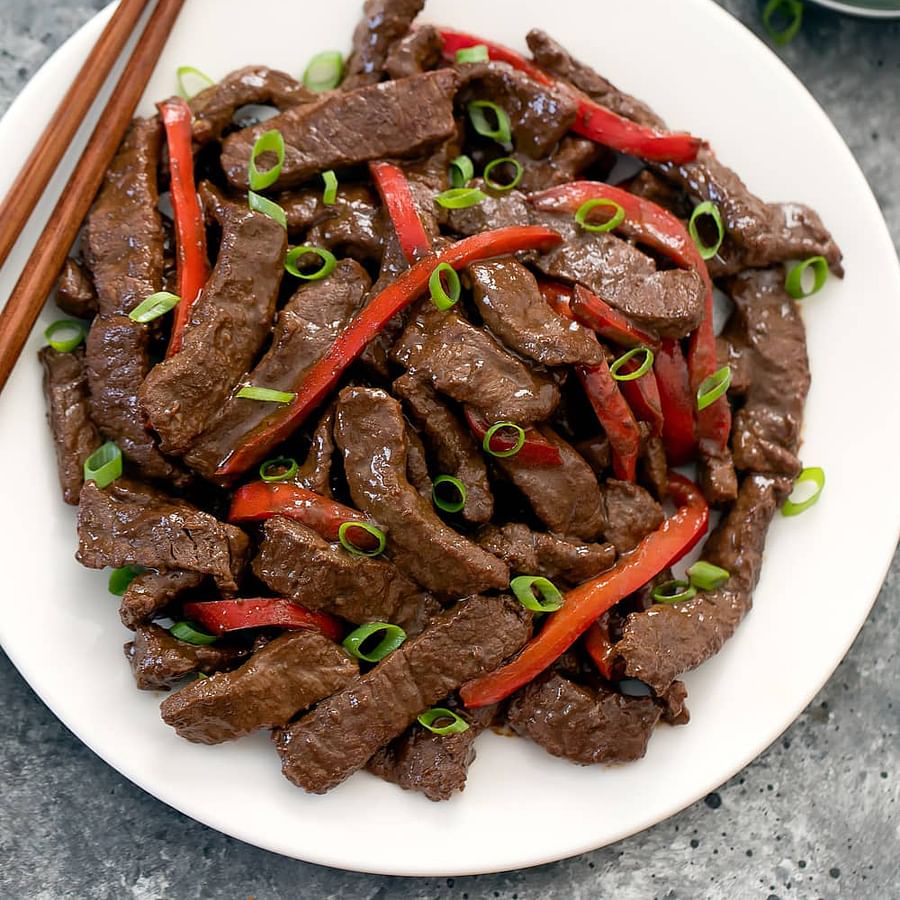
Szechuan Beef
You will need:
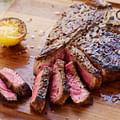 500g of beef steak
- 2 tablespoons of vegetable oil
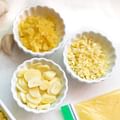 3 cloves of garlic, minced
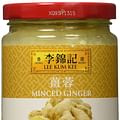 1 tablespoon of fresh ginger, minced
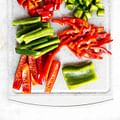 1 red bell pepper, sliced
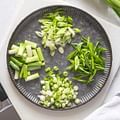 2 green onions, sliced
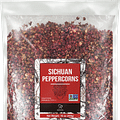 1 tablespoon of Szechuan peppercorns, crushed
 1/4 cup of soy sauce
 1 tablespoon of cornstarch
 1/2 cup of water
Instructions
- Slice the beef into thin strips and set aside.
- Heat the oil in the wok over medium-high heat.
- Add the garlic and ginger to the wok and stir-fry for 1 minute.
- Add the beef to the wok and stir-fry until browned.
- Add the bell pepper, green onions, and Szechuan peppercorns to the wok and stir-fry for 2 minutes.
- In a small bowl, mix the soy sauce, cornstarch, and water together.
- Pour the sauce into the wok and stir until the beef and vegetables are evenly coated.
- Continue to cook for another 2-3 minutes until the sauce has thickened.
Notes
Serve the Szechuan Beef hot with a side of steamed rice or noodles. Enjoy the spicy, savory flavors of this classic Chinese dish!
Learn more about 🌶️ Szechuan Beef Recipe or discover other Hip Wok recipes.
The Wok Way: Chinese Cuisine Quiz
Test your understanding of Chinese cuisine and the recipes discussed in this article.
Learn more about 🥢 The Wok Way: Chinese Cuisine Quiz or discover other Hip Wok quizzes.
Keep it Sizzling: Essential Wok Care for a Lifetime of Cooking 🧽
Imagine a world where your wok never rusts, and every stir-fry slides off effortlessly, like a well-choreographed dance. Sounds like a dream, right? Well, it's time to wake up because this can be your reality with a few simple wok care routines.
First off, never let your wok soak in water. It's not a rubber duckie, it doesn't enjoy bath time. A quick rinse and scrub with a soft sponge is all it needs. Got stubborn food bits? Use salt as a gentle abrasive, not a scouring pad that could scratch and damage your wok's seasoned surface.
Once your wok is clean, dry it on the stove over low heat. This ensures every last drop of moisture evaporates, protecting your wok from the dreaded rust. Finally, apply a thin layer of oil while the wok is still warm, preserving its non-stick properties.
Remember, your wok is like a loyal steed, ready to carry you through the most thrilling Asian recipes for wok. Treat it with care, and it will reward you with years of delicious, easy wok recipes. So, are you ready to master the art of wok cooking techniques?
Now that you've learned the importance of wok care, let's put that knowledge into action. Here's a handy checklist to guide you through the process.
By following these steps, your wok will serve you well for years to come. Now, let's continue our exploration of Chinese cuisine, where your well-maintained wok will be your key to unlocking incredible flavors.
The Wok Way: Unleashing Your Inner Chinese Chef 🥡
And so, we've arrived at the end of a tantalizing trail of sizzling, spicy, and savory delights that Chinese cuisine has to offer. The wok – this seemingly modest kitchen tool, is nothing short of a culinary wizard's wand, transmuting raw ingredients into classic Chinese recipes that enchant taste buds worldwide. Isn't it exhilarating to think that the same Asian recipes for wok that have been passed down generations, are now yours to master?
Picture this: There you are, in your kitchen, the aroma of garlic and ginger wafting through the air as your seasoned wok sizzles with promise. You are no longer following easy wok recipes. Instead, you are creating, experimenting, and discovering your own wok cooking techniques. Isn't that the very essence of the culinary journey you've embarked on?
As we part ways, remember, the wok is not merely a cooking utensil - it’s a passport to a world of flavors, a guide to wok cooking, and a canvas for your culinary creativity. So, how will you cook Chinese food with your wok next? Will you stick to the best Chinese wok recipes or will you dare to create your own? The kitchen is your stage, set it ablaze!
Ready to Wok and Roll? Which Chinese recipe or technique are you most eager to try?
Choose from the options below and let us know what you're excited about! Your input helps us create more content that you love.
No comments yet. Be the first to share your thoughts!