

5 Top Picks and Viral Recipes
Selecting the best woks for home kitchens requires balancing heat retention, weight, and seasoning ease. We evaluated five top picks that deliver professional results, paired with viral recipes to maximize their potential.
1. Carbon steel wok with long handle
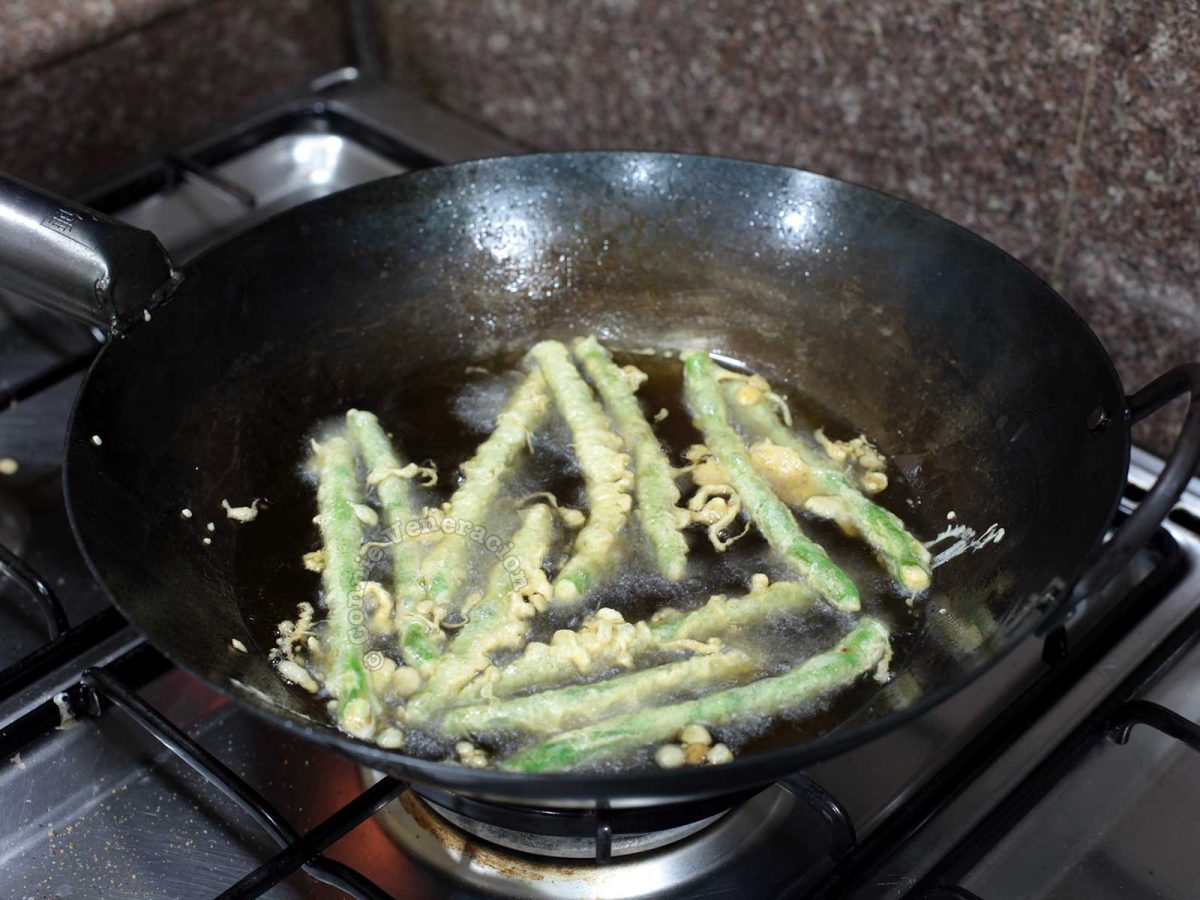
A carbon steel wok with a long handle offers the perfect balance of heat retention and maneuverability for home cooks. The thin metal heats up rapidly, allowing for authentic stir-fry techniques without the bulk of heavier materials. This design keeps your hand safe from splatter while providing the leverage needed to toss ingredients effortlessly.

2. Nonstick wok for quick weeknight meals
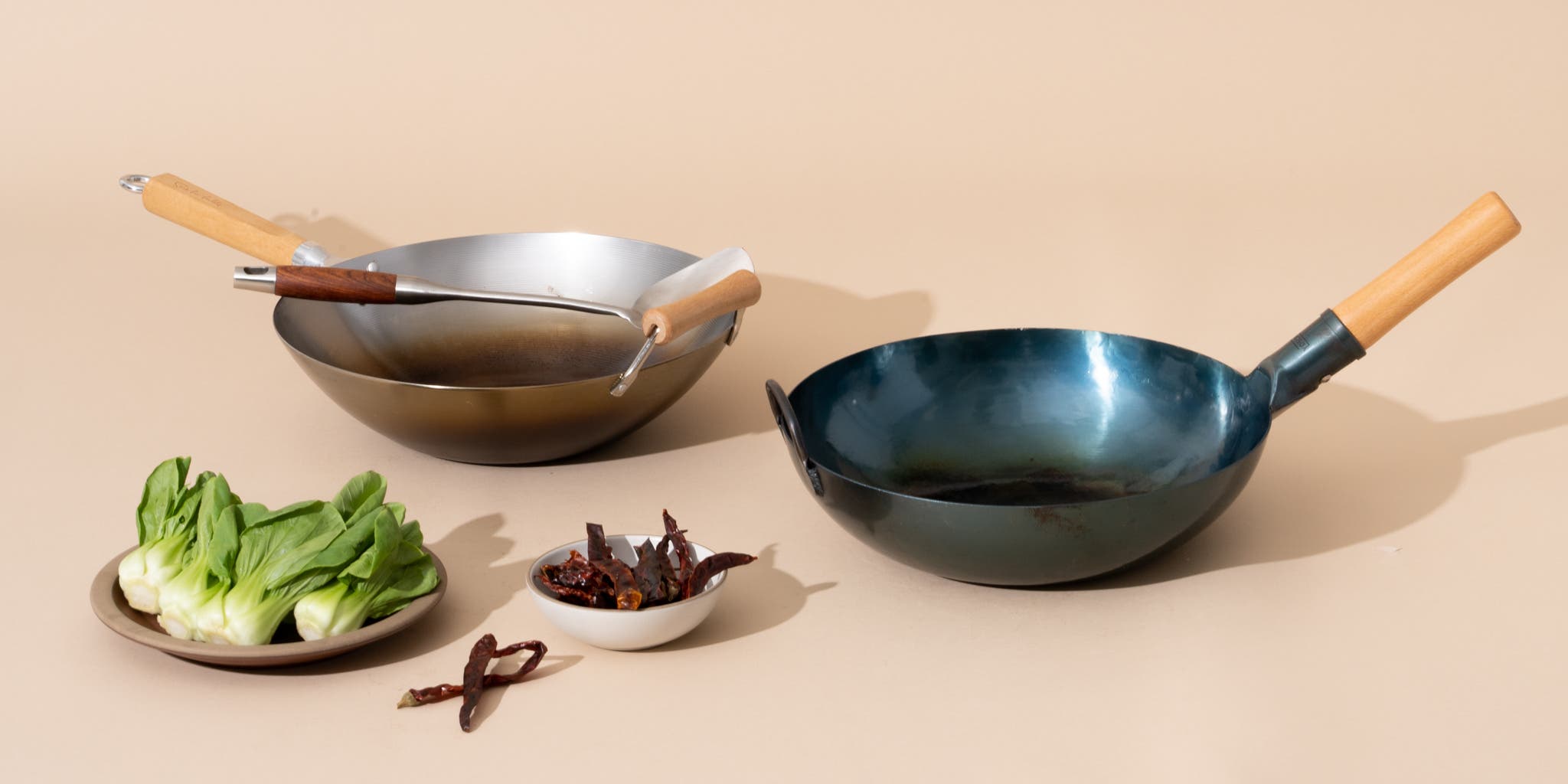
Opt for a nonstick wok when speed is your priority and you want to minimize cleanup after busy weeknights. The smooth coating prevents sticking, making it ideal for delicate proteins like shrimp or tofu that might otherwise adhere to seasoned surfaces. While it may not achieve the same extreme sear as carbon steel, it delivers consistent results with less oil and effort.

3. Cast iron wok for high heat searing
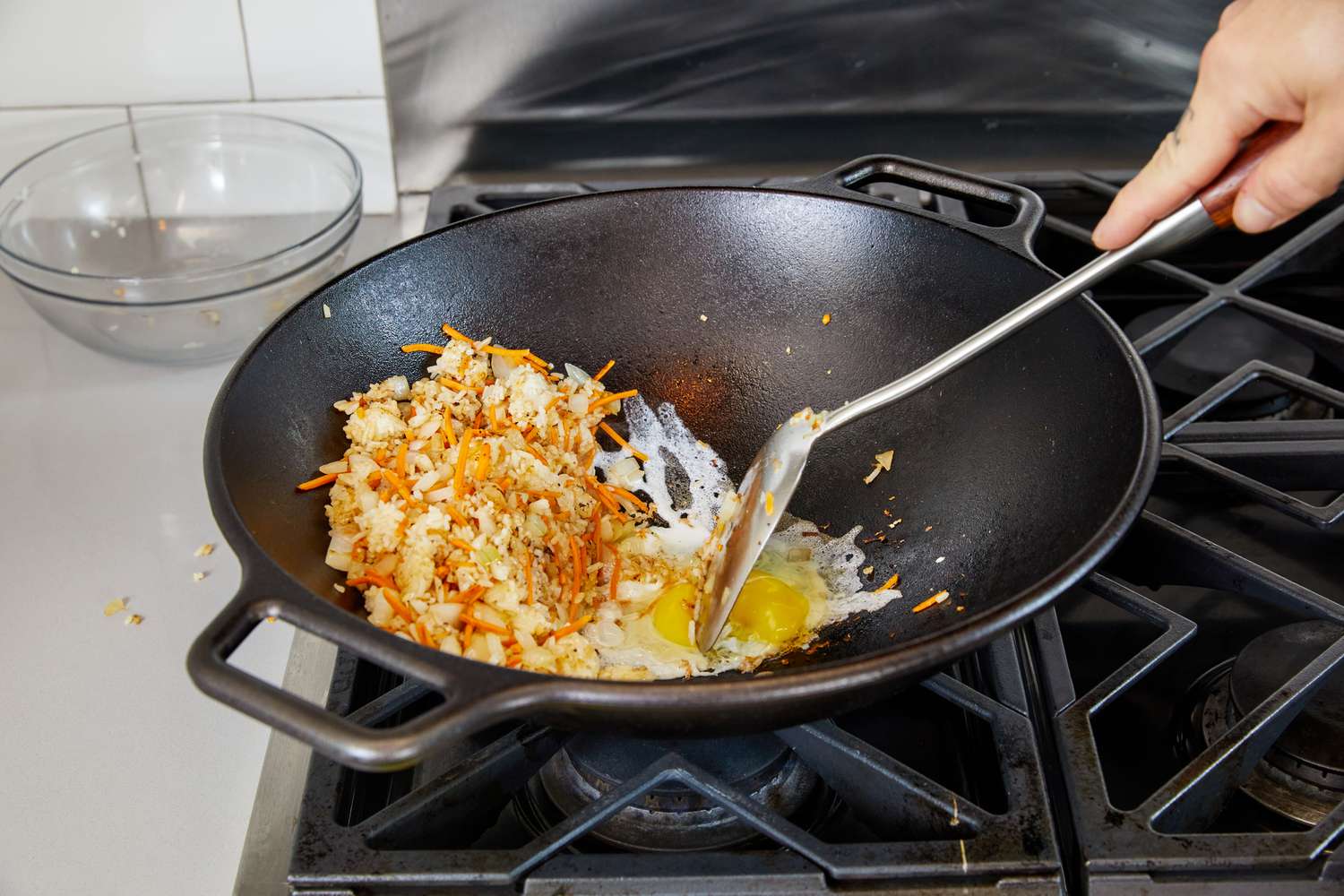
A cast iron wok retains heat exceptionally well, making it the superior choice for achieving a deep, caramelized sear on meats and vegetables. Its heavy construction ensures temperature stability even when cold ingredients are added, preventing the drop in heat that can lead to steaming. This wok is best suited for dishes that benefit from a robust, smoky flavor profile and longer cooking times.

4. Stainless steel wok for durability
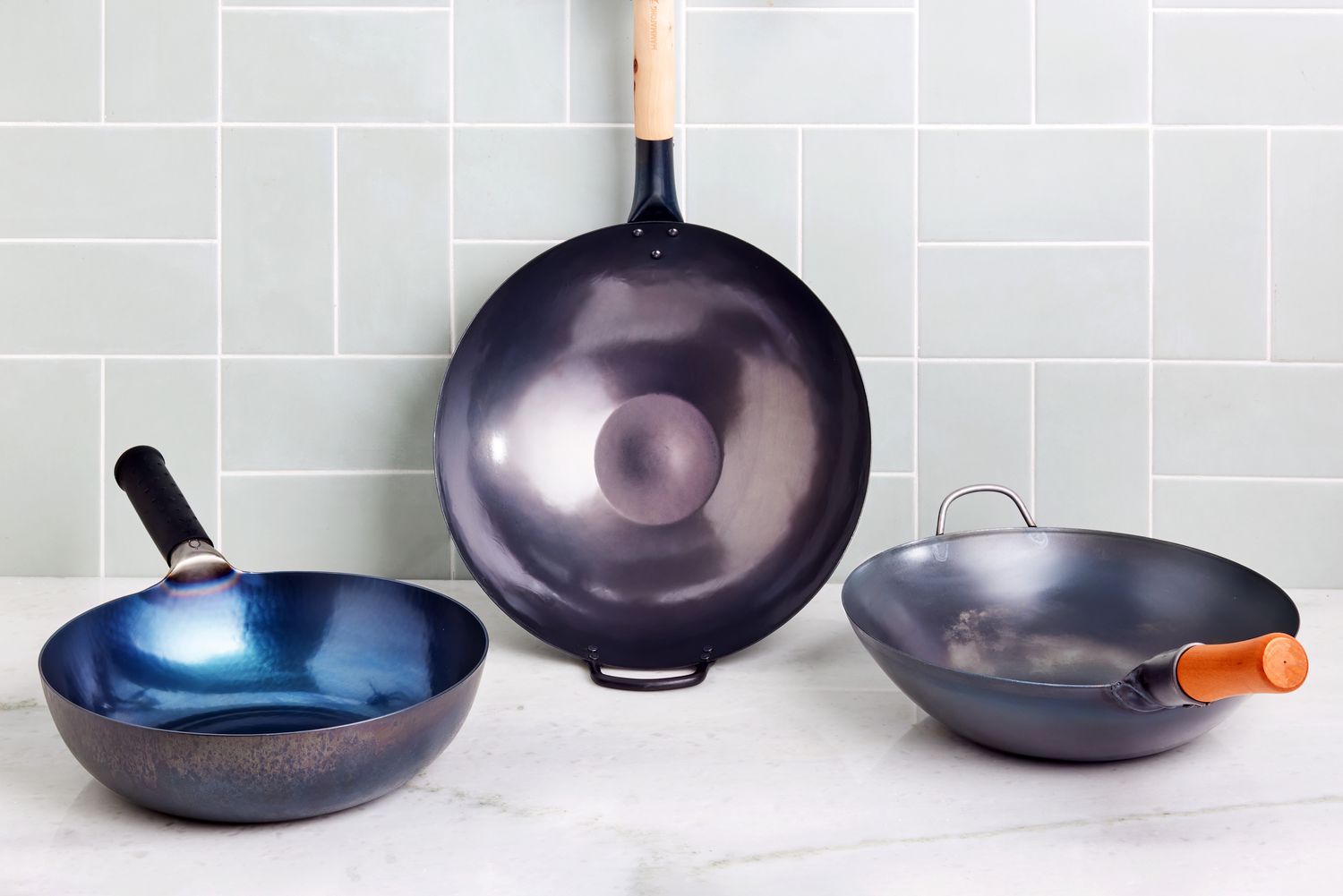
Choose a stainless steel wok when longevity and hygiene are your top concerns. This material is impervious to acidic ingredients like tomatoes or vinegar, meaning you can cook a wide variety of sauces without worrying about reactions or flavor transfer. It is also dishwasher safe and resistant to scratching, making it a low-maintenance option for daily use in a busy kitchen.

5. Traditional round bottom wok for gas stoves
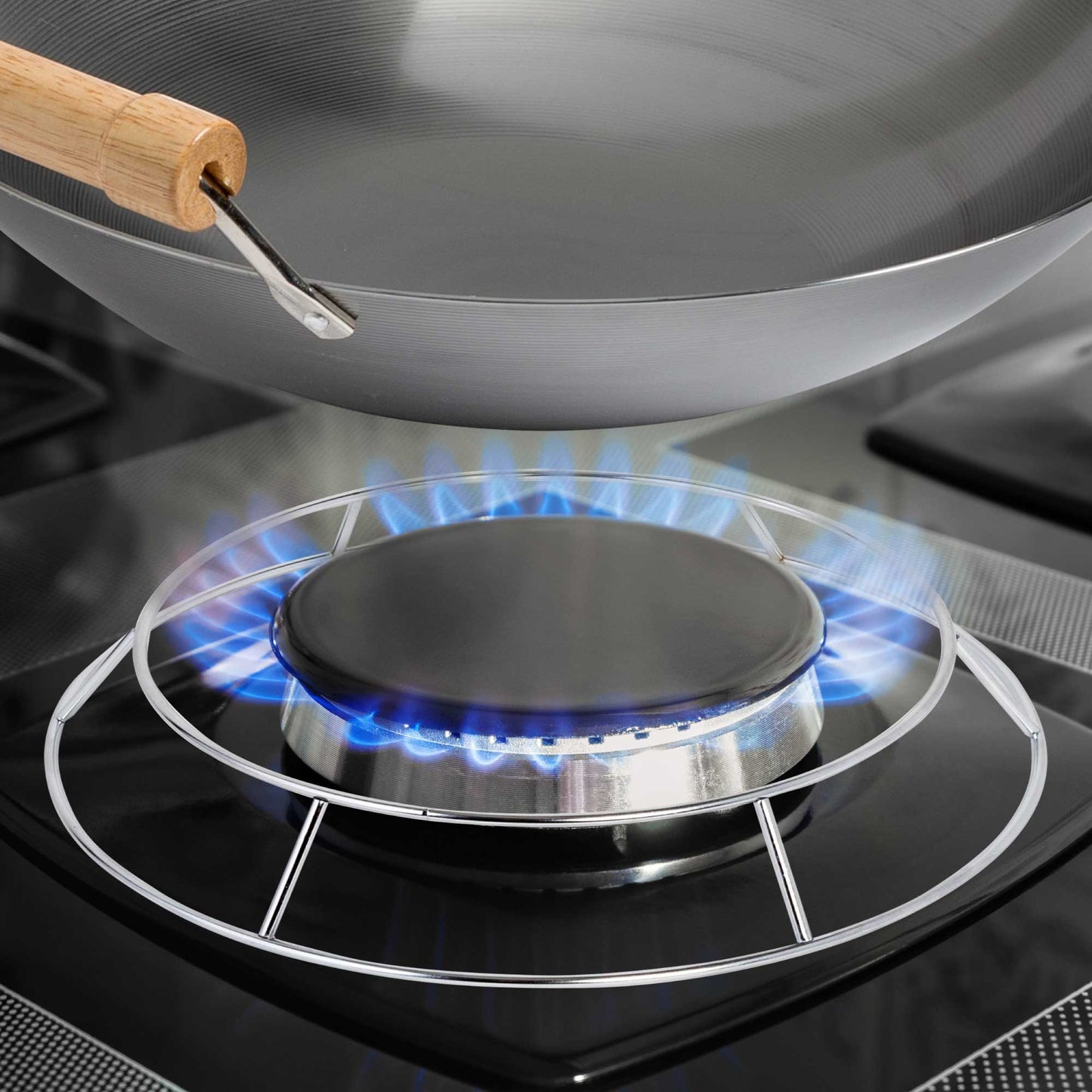
A traditional round bottom wok is designed specifically for gas stoves, allowing the flame to wrap around the curved base for even, intense heating. This shape promotes the classic tossing motion essential for authentic stir-frying, ensuring ingredients cook uniformly without burning. Use a wok ring to stabilize it on your burner, and embrace the technique that has defined Asian cooking for centuries.

Choosing the best wok for your stove
Selecting the right wok starts with matching the bottom shape to your home stovetop. Unlike the rounded bottoms found in professional restaurant kitchens, most home burners are flat, making a flat-bottomed wok the practical choice for stability and heat transfer. Round-bottom woks require a ring stand or a gas burner with a concentrated flame, which can be difficult to accommodate on standard electric or induction ranges. If you have a gas stove with a high-output burner, a round bottom can work, but it demands a wok ring to keep the pan secure.
The shape also influences how you cook. A flat bottom provides a stable platform for tossing ingredients, while the curved sides allow food to move up into the cooler zones, preventing burning. Carbon steel is the preferred material for most best woks because it heats quickly, responds fast to temperature changes, and is lightweight enough to toss with one hand. Unlike cast iron, which retains heat well but takes longer to warm up, carbon steel offers the speed needed for proper stir-frying.
| Wok Bottom Type | Stovetop Compatibility | Heat Distribution | Stability |
|---|---|---|---|
| Round Bottom | Gas burners only (with ring) | Concentrated center heat | Low without ring |
| Flat Bottom | All stovetops (Gas, Electric, Induction*) | Even surface contact | High |
*Check your wok’s base for an induction-compatible plate if you use an electric or induction cooktop.
How to season a carbon steel wok properly
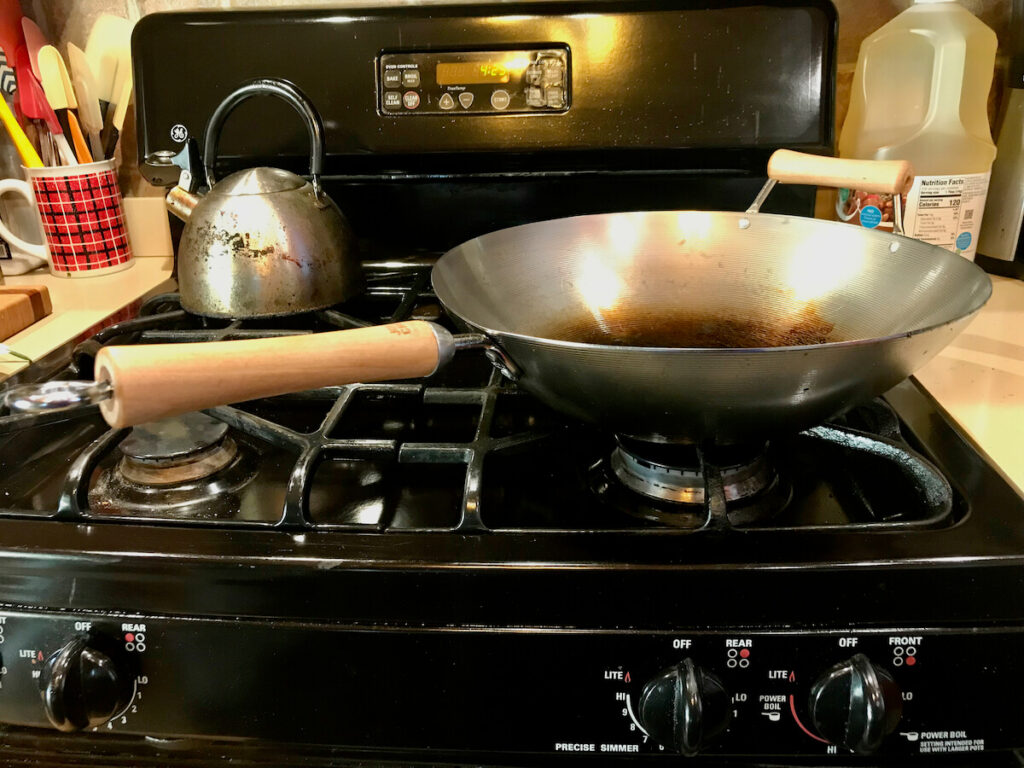
Carbon steel is the gold standard for home woks because it heats quickly and develops a natural non-stick surface over time. However, this surface doesn't appear on its own. You must build a polymerized layer of oil through a process called seasoning. Think of this layer like a durable, non-stick paint job; without it, food will stick and the metal will rust. Getting this right in the beginning makes every stir-fry after easier.
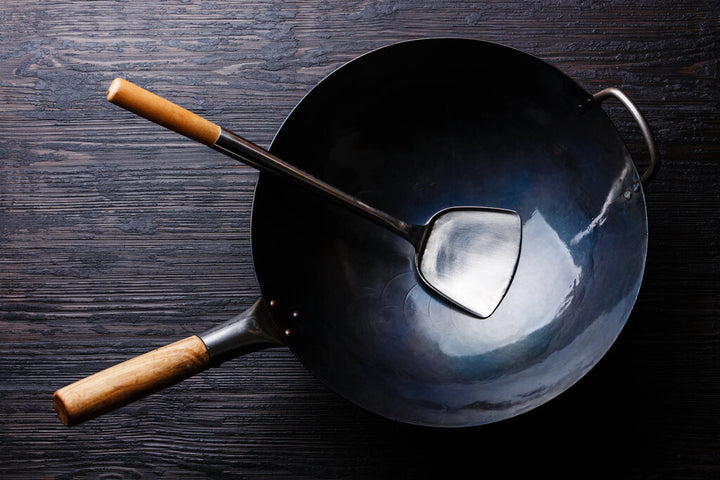
Most carbon steel woks come coated in machine oil to prevent rust during shipping. Scrub the entire wok, inside and out, with hot water, dish soap, and a stiff brush or steel wool. This removes the factory coating. Dry it immediately and completely over low heat on your stove to prevent any water spots from forming.
Pour a small amount of high-smoke-point oil—such as flaxseed, grapeseed, or canola—into the warm wok. Use a paper towel to spread the oil over every surface, including the handle and the exterior. Wipe out as much oil as possible with a clean towel. The layer should be nearly invisible; too much oil will create sticky, patchy spots instead of a smooth finish.
Place the wok on your stove over medium-high heat. As it heats, the oil will begin to smoke and change color, turning from shiny to a dull, matte finish. Rotate the wok carefully to ensure all sides receive direct heat. This process polymerizes the oil, bonding it to the metal to create the first layer of your non-stick coating. Let it cool completely before handling.
Once the initial seasoning is complete, you can start cooking. A simple stir-fry helps build the patina further. Try this quick vegetable stir-fry to break in your new wok:
A well-seasoned wok improves with every use. Avoid using soap for a while if you want to preserve that initial layer, though modern mild soaps are generally safe once the patina is established. Just avoid abrasive scrubbers that might strip the black coating. With proper care, your carbon steel wok will become the most reliable tool in your kitchen.
Frequently asked questions about woks
Choosing the right wok involves balancing cooking style, heat source, and health considerations. Here are answers to common questions about best woks for home kitchens.
Wok care checklist for longevity
Caring for your best woks doesn’t require a degree in metallurgy. It simply demands a consistent routine that protects the seasoning and prevents rust. Carbon steel is forgiving, but it needs you to be the first line of defense against moisture and abrasive damage. Follow this checklist to keep your wok performing like new.
-
Wash by hand with warm water and a soft brush or sponge immediately after cooking
-
Avoid dish soap or use only a tiny drop if grease is stubborn
-
Dry thoroughly on the stove over low heat for two minutes
-
Apply a thin layer of neutral oil (like grapeseed or canola) with a paper towel
-
Store in a dry place with the lid slightly ajar to allow airflow
A well-maintained wok is an investment that pays dividends in flavor. By treating the seasoning like a living layer rather than a permanent coating, you ensure your best woks remain non-stick and responsive for years. Ignore these steps, and you’ll find yourself re-seasoning constantly.
No comments yet. Be the first to share your thoughts!