
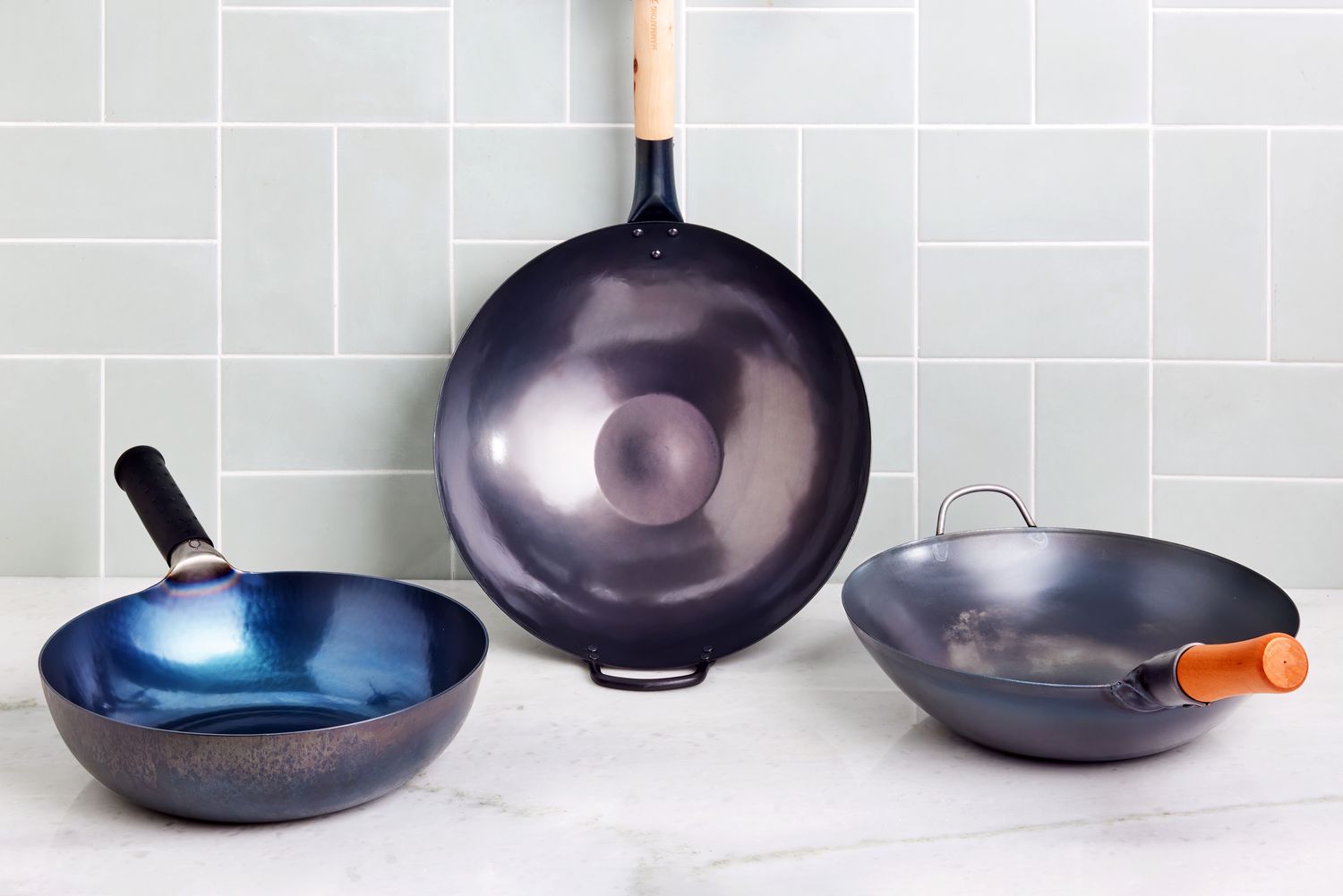
Woks 2026 budget
The 2026 market for carbon steel woks has tightened, with prices stabilizing between $30 and $90 for reliable models. While premium brands like Yosukata command higher rates for their refined rolling techniques, you can still find exceptional performance in the mid-range. The key is matching the price to your stove type and cooking frequency.
For most home cooks, a $40–$60 flat-bottom carbon steel wok offers the best balance of heat retention and versatility. These models heat evenly on electric and induction cooktops, which are common in 2026 kitchens. Avoid the cheapest $20 options; they often feature unevenly rolled steel that creates hot spots, making consistent stir-frying difficult.
We recommend the Mammafong Preseasoned Carbon Steel Wok for those willing to invest slightly more for a head start. Its pre-seasoned surface saves hours of initial prep, and the thicker gauge steel holds heat better than thinner competitors. For strict budgets, the T-Fal Nonstick Wok remains a solid, low-maintenance alternative, though it lacks the high-heat searing capability of carbon steel.


As an Amazon Associate, we may earn from qualifying purchases.
Condition matters as much as brand. When buying used or second-hand, inspect the interior for deep scratches that trap food and rust spots that cannot be scrubbed away. A well-maintained $30 wok will outperform a neglected $80 model every time.
Shortlist real options
Wok Buying works best when the purchase path is explicit. Verify the source, compare the offer against real alternatives, check the total cost, and confirm what happens after payment before you decide. After each comparison, write down the one risk that would change your mind. If the seller, condition, support, warranty, shipping, or upkeep still feels uncertain, resolve that question before moving to checkout.
| Factor | What to check | Why it matters |
|---|---|---|
| Fit | Match the option to the primary use case. | A good deal still fails if it does not fit the job. |
| Condition | Verify age, wear, and service history. | Hidden condition issues erase upfront savings. |
| Cost | Compare purchase price with likely upkeep. | The cheapest option is not always the lowest-cost option. |
Inspect the expensive parts
Wok Buying works best when the purchase path is explicit. Verify the source, compare the offer against real alternatives, check the total cost, and confirm what happens after payment before you decide. After each comparison, write down the one risk that would change your mind. If the seller, condition, support, warranty, shipping, or upkeep still feels uncertain, resolve that question before moving to checkout.
-
Verify the sellerCheck reputation, included details, delivery terms, and return policy before treating the listing as credible.
-
Compare total costAdd shipping, accessories, maintenance, warranty, and likely replacement costs to the listed price.
-
Confirm fitMatch the option to the real use case before paying for features that will not matter.
Ownership costs and maintenance surprises
A carbon steel wok is a long-term kitchen investment, but the initial purchase price is only part of the equation. Unlike nonstick pans that need replacing every few years, a quality carbon steel wok improves with age. However, this durability comes with specific maintenance requirements that can surprise new owners. The primary "cost" is the time spent seasoning the pan and the vigilance required to prevent rust.
Proper seasoning involves building a polymerized oil layer through repeated heating and cleaning. If you skip this or use abrasive scrubbers, you’ll spend more time re-seasoning than cooking. This is not a high-maintenance burden, but it does require a shift in mindset from "wash and dry" to "wash, dry immediately, and oil lightly." Neglecting this step leads to rust, which can ruin the cooking surface and require significant effort to restore.
When a cheap buy stops being cheap is when the steel is too thin or unevenly coated. Thin woks warp under high heat, leading to uneven cooking and potential handle detachment. Thicker, heavier woks retain heat better and last decades. While the upfront cost is higher, the lifetime value is superior. Avoid woks with synthetic nonstick coatings if you plan to use high-heat stir-frying techniques, as these coatings degrade over time and cannot be re-seasoned like carbon steel.


As an Amazon Associate, we may earn from qualifying purchases.
Wok buying questions, answered
Before you commit to a carbon steel wok, it helps to know which models actually stand up to daily use and what pitfalls to skip. We pulled the most common questions from home cooks and professionals to clear up the confusion.
Choosing the right wok comes down to matching the material to your stove and cooking style. Carbon steel remains the gold standard for its balance of heat retention and responsiveness.
No comments yet. Be the first to share your thoughts!