
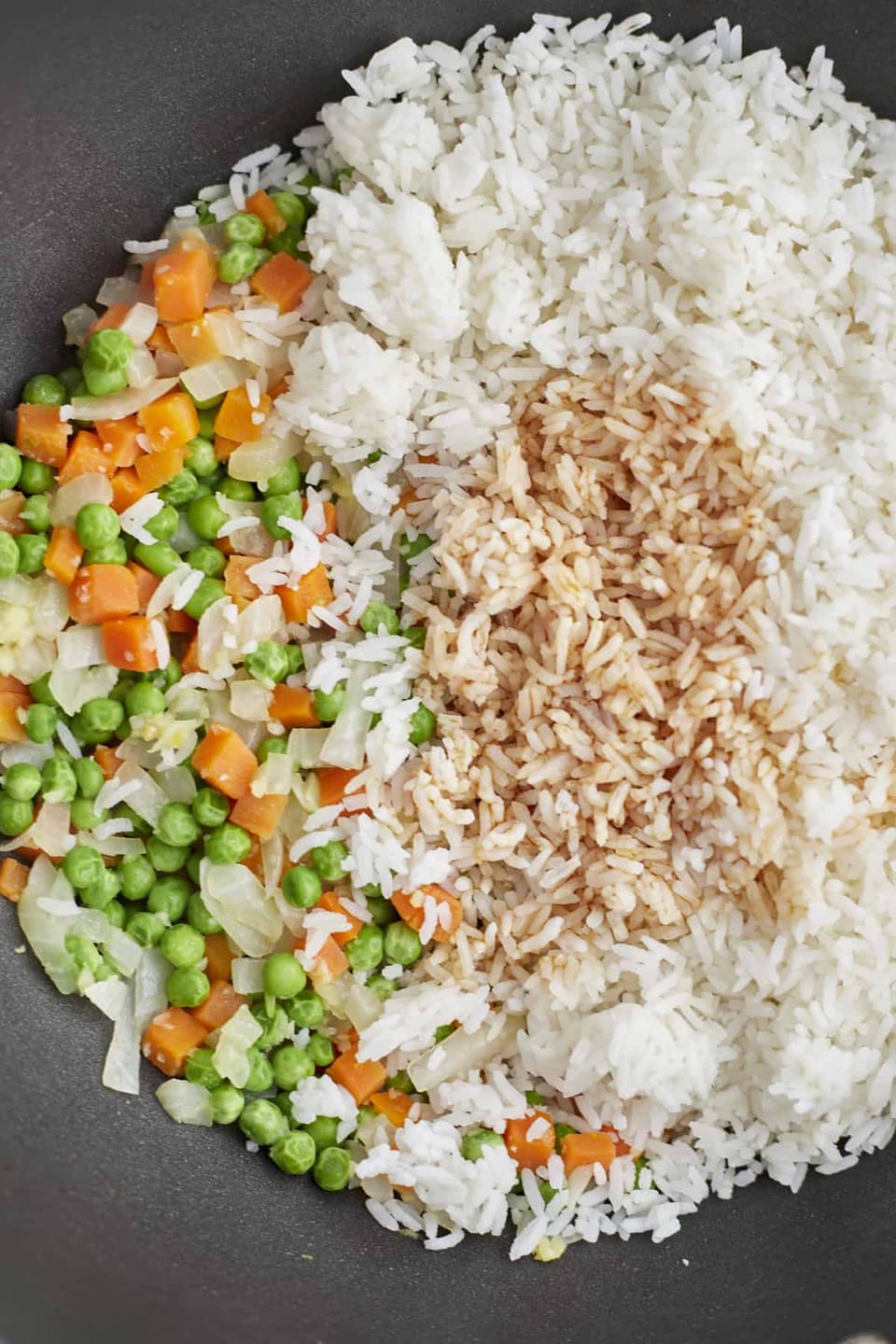
Embarking on a Flavorful Journey: Asian Rice and the Magic of Wok Cooking 🍚🔥
Imagine, for a moment, the sizzle and aroma of a piping hot wok, its metallic surface shimmering with a myriad of flavors - this is the heart of Asian cuisine. The humble wok, an icon of East and Southeast Asian kitchens, is the unsung hero behind a vast spectrum of Asian rice dishes. From the comforting simplicity of Chinese fried rice to the complex layers in Korean Bibimbap, the wok is essential in their creation.
But what makes the wok so special? And how does seasoning a wok elevate these dishes? How to season a wok is a question that often pops up in the minds of novice cooks. The answer lies in the unique, smoky flavor it imparts to the food, a characteristic fondly known as 'wok hei' or 'breath of the wok'.
Join us as we delve into the world of delicious wok-cooked meals, exploring the versatility of wok cooking and the integral role it plays in the preparation of delectable Asian rice recipes.
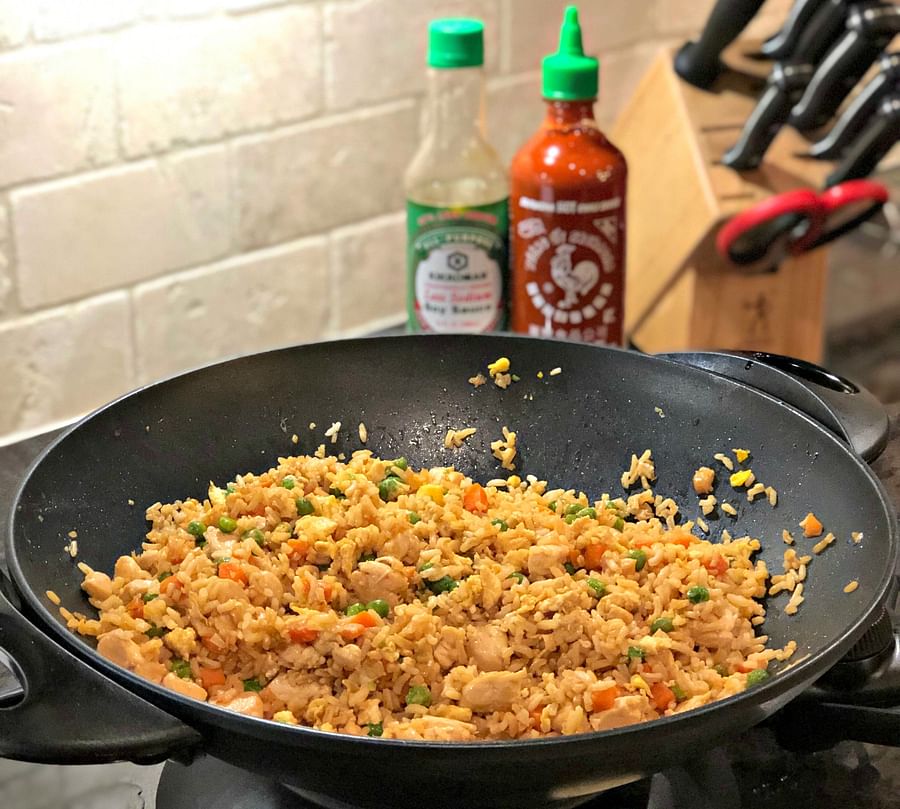
Mastering the Dance of Flames: Unveiling the Art of Wok Cooking 🍳🔥
Imagine a dance, a symphony of flavors in motion, where the wok is the stage and every grain of rice, a performer. Welcome to the art of wok cooking, a culinary tradition as old as the rolling hills of Asia, yet as fresh as a newly harvested paddy. The wok, with its humble curves and iron resolve, is not just a cooking utensil, but a canvas on which the rich and diverse tapestry of Asian rice recipes comes to life.
But why a wok, you ask? The answer lies in its design. The high, sloping sides of a wok ensure even heat distribution, perfect for searing, simmering, and everything in between. Whether it's the sizzle of a stir-fry or the gentle simmer of a congee, the wok is an indispensable ally in the journey of exploring Asian cuisine.
So, ready to wield your wok like a maestro? Let's embark on this adventure, unraveling the secrets of easy wok cooking techniques, seasoning tips, and of course, the best woks for rice dishes. Prepare to be enthralled by the versatility of wok-cooked meals!
Before we delve into frequently asked questions about wok cooking, let's take a moment to watch a video demonstration. In this video, you'll see a chef attempting to master the stir-fry motion, a fundamental technique in wok cooking.
Now that you've seen the stir-fry motion in action, you might have some questions. Let's address some common queries about wok cooking.
Now that we've seen a professional chef demonstrating wok cooking techniques, you may have some questions about wok cooking. Let's address some of the most common queries.
With these insights into wok cooking, we're now ready to explore some delicious Asian rice recipes. Let's dive in!
A Culinary Tour of Asia: Discovering the Best Rice Recipes 🌾🍽️
As we embark on this flavorful journey, let's first take a moment to appreciate the humble grain that is at the heart of so many Asian rice recipes. Picture this: a well-seasoned wok, the aromatic sizzle of rice meeting hot metal, the dance of ingredients in the age-old wok-tossing technique. It's not just about cooking; it's a culinary performance that results in some of the most delicious wok-cooked meals.
From the vibrant, multi-textured spectacle of Korean Bibimbap to the comforting simplicity of Japanese Onigiri, each dish is a testament to the versatility of wok recipes. And the secret to mastering these dishes? Well, it all begins with understanding how to choose the best woks and how to season a wok to perfection. Are you ready to dive into this world of tantalizing flavors and easy wok cooking techniques?
Popular Asian Rice Dishes
- Fried Rice: A staple in Chinese cuisine, fried rice is a versatile dish that can be customized with various ingredients like vegetables, meat, and seafood.
- Bibimbap: This Korean dish translates to 'mixed rice' and is served with sautéed vegetables, chili paste, and often includes beef and a fried egg on top.
- Congee: A type of rice porridge or gruel popular in many Asian countries. The rice is boiled in plenty of water until it breaks down and becomes a creamy porridge.
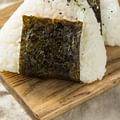
- Onigiri: Japanese rice balls, often wrapped in nori (seaweed) and filled with pickled ume (umeboshi), salted salmon, or any other salty or sour ingredient as a natural preservative.
- Nasi Goreng: Literally meaning 'fried rice' in Indonesian, this dish is typically spiced with kecap manis (sweet soy sauce), shallot, garlic, ground shrimp paste, tamarind and chili, and accompanied by other ingredients, notably egg, chicken and prawns.
Unleashing Flavor: Your Guide to Perfect Chinese Fried Rice 🥢🍚
Chinese Fried Rice
You will need:
 2 cups of cooked jasmine rice
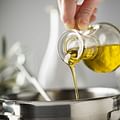 2 tablespoons of vegetable oil
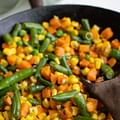 1 cup of frozen mixed vegetables
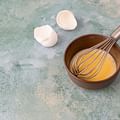 2 large eggs, beaten
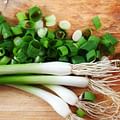 2 green onions, chopped
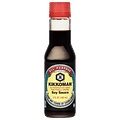 3 tablespoons of soy sauce
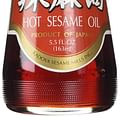 1 teaspoon of sesame oil
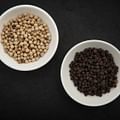 1/2 teaspoon of white pepper
Instructions
- Heat the vegetable oil in a wok or large skillet over medium-high heat.
- Add the frozen vegetables and stir-fry until they are heated through.
- Push the vegetables to one side of the wok, then add the beaten eggs to the other side and scramble them.
- Mix the scrambled eggs with the vegetables.
- Add the cooked rice, chopped green onions, soy sauce, sesame oil, and white pepper.
- Stir-fry everything together until the ingredients are well combined and the rice is heated through.
Notes
This recipe serves 4 and takes about 15 minutes to prepare. For a non-vegetarian version, you can add cooked chicken, shrimp, or pork. Make sure to have all your ingredients prepared before you start cooking, as stir-frying is a quick process.
Learn more about 🍚 Chinese Fried Rice Recipe or discover other Hip Wok recipes.
A Symphony of Tastes: Crafting the Ultimate Korean Bibimbap 🥘🇰🇷
Korean Bibimbap
You will need:
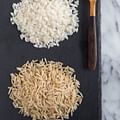 2 cups of short grain rice
 4 cups of water
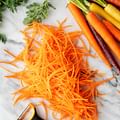 1 cup of julienned carrots
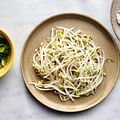 1 cup of bean sprouts
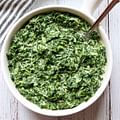 1 cup of spinach
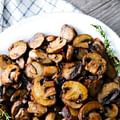 1 cup of sliced mushrooms
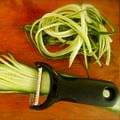 1 cup of julienned cucumber
 4 eggs
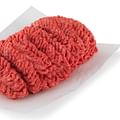 1 cup of ground beef
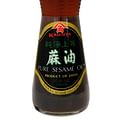 4 tablespoons of sesame oil
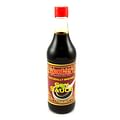 4 tablespoons of soy sauce
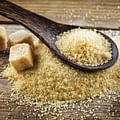 2 tablespoons of sugar
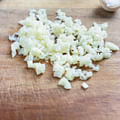 2 tablespoons of minced garlic
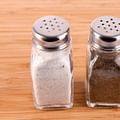 Salt and pepper to taste
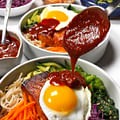 Bibimbap sauce
Instructions
- Cook the rice
- Prepare the vegetables
- Cook the ground beef
- Fry the eggs
- Assemble the Bibimbap
- Serve with Bibimbap sauce
Notes
Bibimbap is a versatile dish and you can substitute the vegetables and protein with your favorites. The key is to have a variety of colors and textures.
Learn more about 🍳 Korean Bibimbap Recipe or discover other Hip Wok recipes.
Creating Bite-Sized Delights: The Art of Japanese Onigiri 🍙🇯🇵
Japanese Onigiri
You will need:
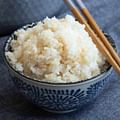 2 cups of sushi rice
 2.5 cups of water
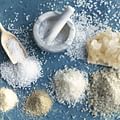 1/4 teaspoon of salt
 1/2 cup of your preferred filling (tuna, salmon, pickled plum, etc.)
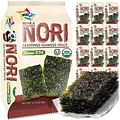 Nori seaweed sheets
Instructions
- Rinse the sushi rice until the water runs clear.
- Cook the rice with water in a rice cooker or on the stove.
- Let the rice cool down a bit until it's still warm but not hot.
- Wet your hands and sprinkle them with salt.
- Take a handful of rice and create a dent in the middle for the filling.
- Add your preferred filling and enclose it with more rice.
- Shape the rice into a triangle, round or cylinder shape.
- Wrap the rice ball with a nori seaweed sheet.
Notes
You can enjoy onigiri as is, or you can grill it for a toasty flavor. Just brush some soy sauce on the onigiri and grill each side for a couple of minutes.
Learn more about 🍙 Japanese Onigiri Recipe: How to Make Delicious Rice Balls 🍙 or discover other Hip Wok recipes.
Preserving Your Flavor Weapon: The Essentials of Wok Care and Maintenance 🔧🍳
Ever wondered why your homemade Asian rice recipes lack that authentic, smoky flavor? It's likely due to how you're treating your wok. Yes, the wok, that round-bottomed culinary wizard, is not just a vessel but a flavor enhancer. The more you use and care for it, the more it rewards you with a rich patina, a natural non-stick layer that adds depth to your dishes. This is the magic of seasoning a wok.
But how do you maintain this culinary asset? First, clean it without harsh detergents, then dry it and coat it with a thin layer of oil. This prevents rust and keeps it ready for your next culinary adventure. And if rust does appear, don't panic! Check out our guide on how to prevent your wok from rusting.
Remember, a well-maintained wok is the secret ingredient in delicious wok-cooked meals. It's an exploration of Asian cuisine in itself, and with the right care, it will serve you a lifetime of sizzling, flavorful, versatile wok recipes.
Mastering Wok Care and Maintenance
Test your knowledge on how to properly care for and maintain your wok.
Learn more about 🥢 Mastering Wok Care and Maintenance Quiz 🥢 or discover other Hip Wok quizzes.
The Wok: Your Secret Ingredient to Extraordinary Asian Rice Dishes 🍚🔥
And there you have it, fellow wok enthusiasts! We've voyaged together through the tantalizing terrain of Asian rice recipes, seasoned our woks, and tasted the symphony of flavors that make up the stunning repertoire of wok-cooked meals. From the fiery wok sizzles of our beginner-friendly recipes, to the delicate balance of textures in our tofu masterclass, we've truly explored the depths of Asian cuisine.
But remember, our journey isn't over. Every stir, toss and flip in your wok is a step towards culinary mastery. So, why not season your wok once more, and dive into yet another delicious adventure? After all, isn't that the true beauty of wok cooking - its endless capacity for exploration, innovation, and most importantly, flavor?
Fly high, wok warriors, and may your kitchen always be filled with the enticing aroma of wok-cooked delights!
What's your favorite Asian rice dish from our list?
We've explored a variety of delicious Asian rice dishes cooked in a wok. Which one tickles your taste buds the most?
Exploring Asian Rice Recipes and Wok Cooking
Test your knowledge on Asian rice recipes and the art of wok cooking.
Learn more about 🍚 Test Your Knowledge on Asian Rice Recipes and Wok Cooking 🥢 or discover other Hip Wok quizzes.
No comments yet. Be the first to share your thoughts!